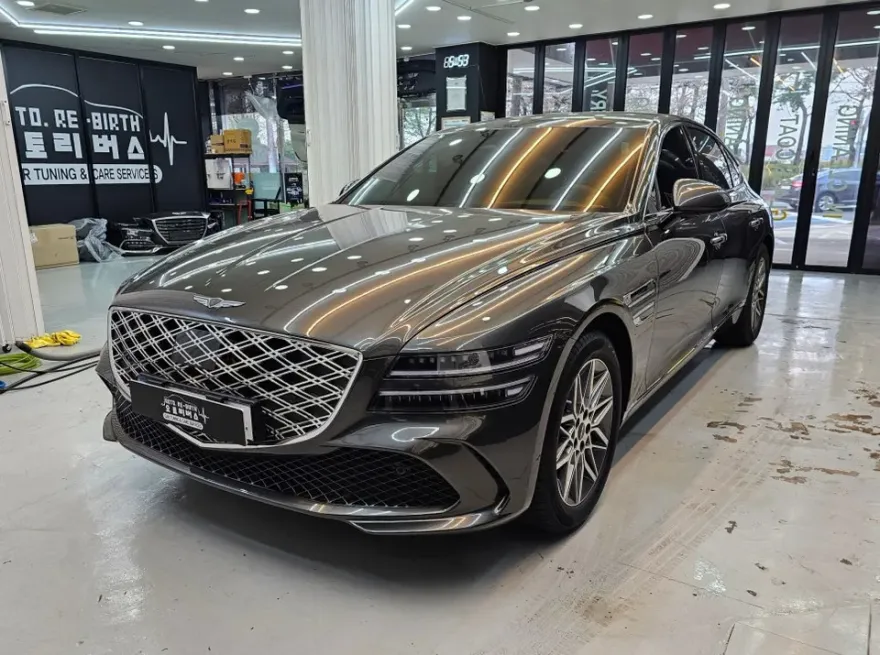
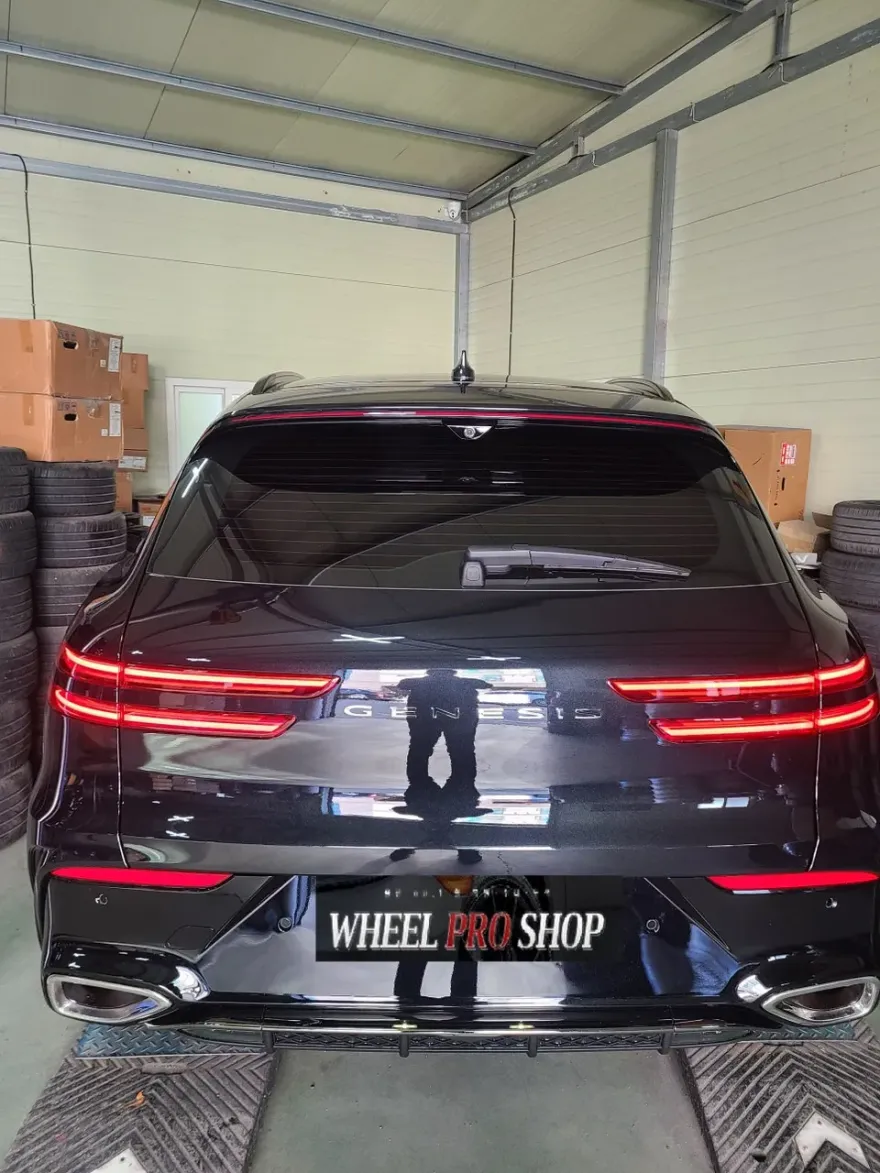
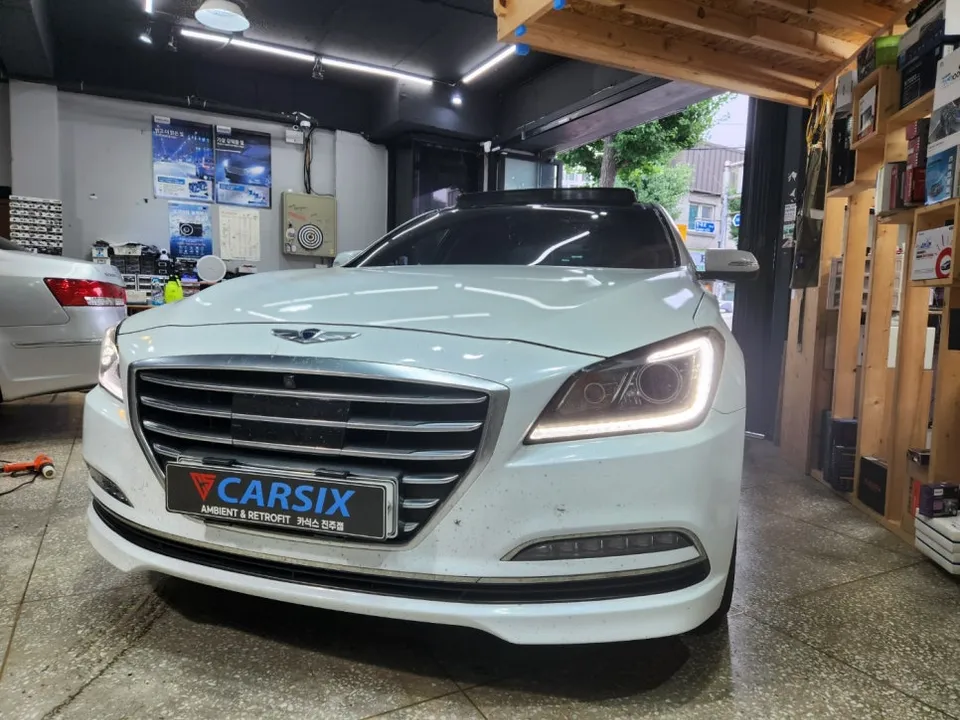
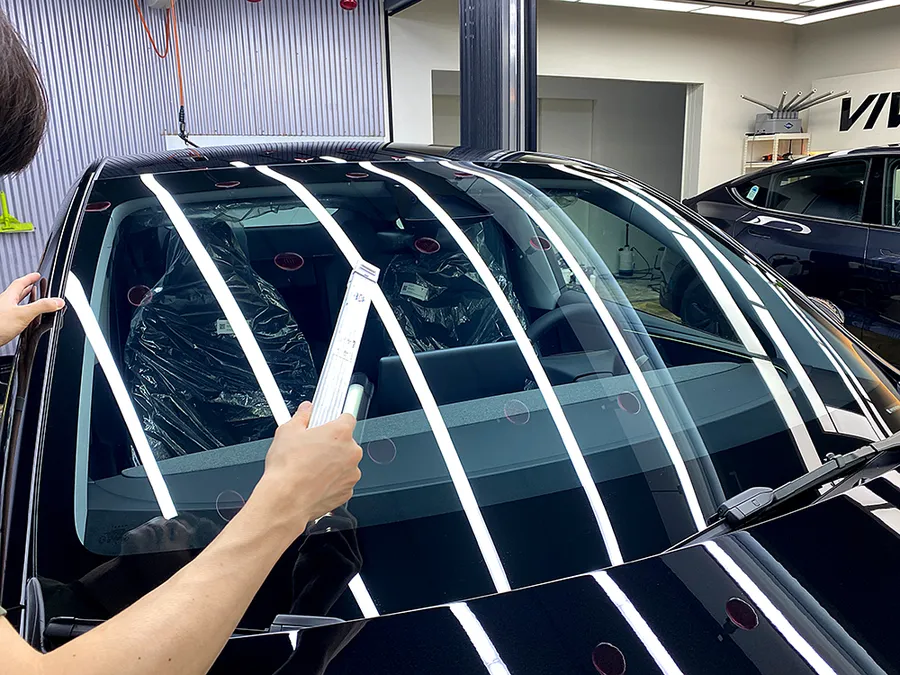
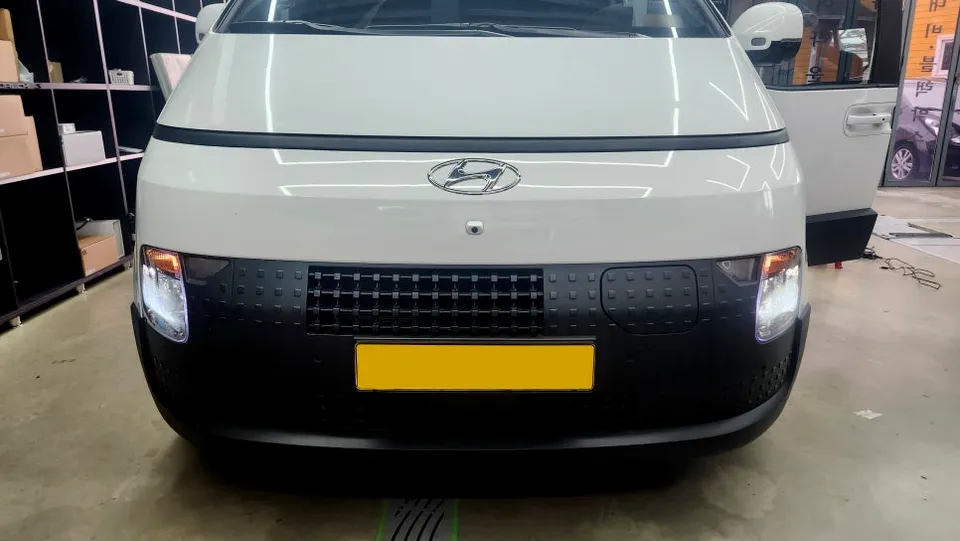
Genesis GV80 Body Kit Installation Review — Cost & Results
Service Price
$40–80
Estimated price · Actual price may vary by shop
Before
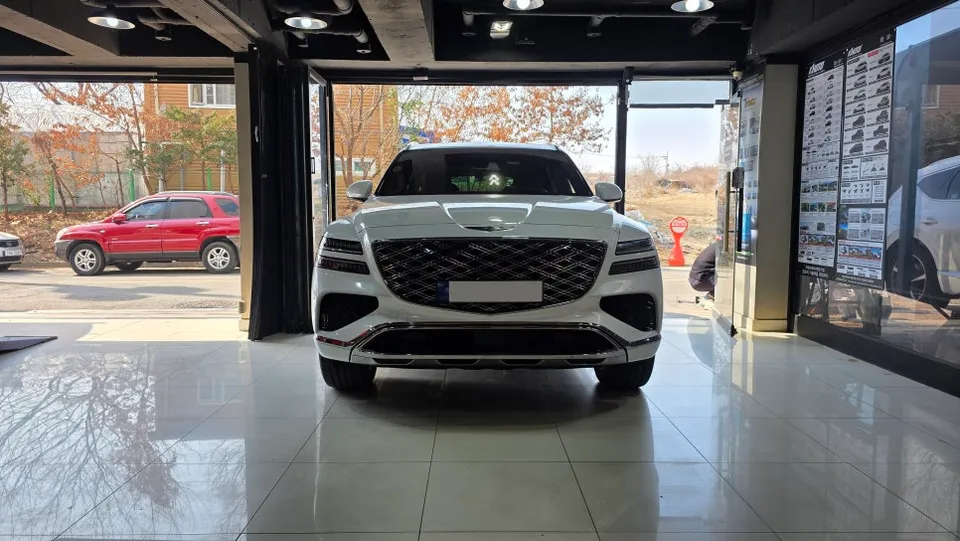
After
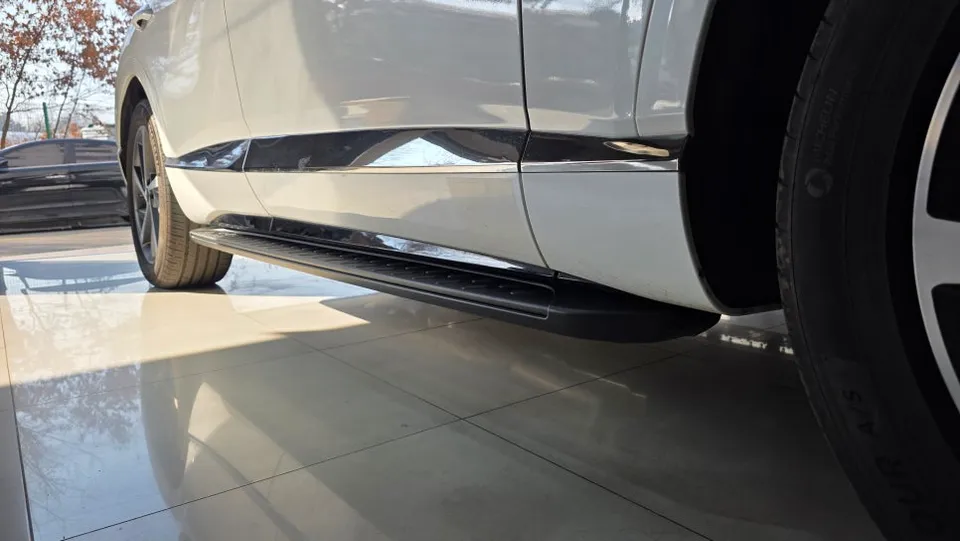
Process photos
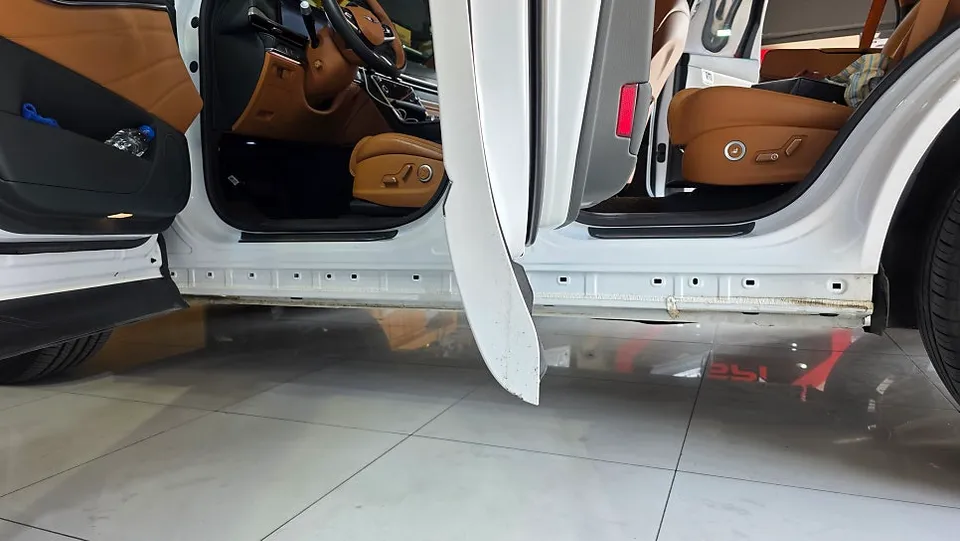
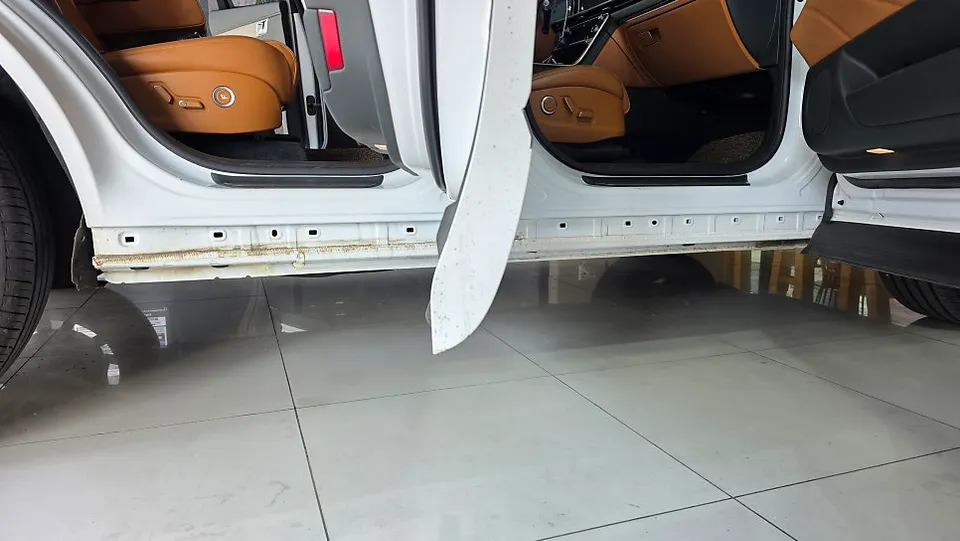
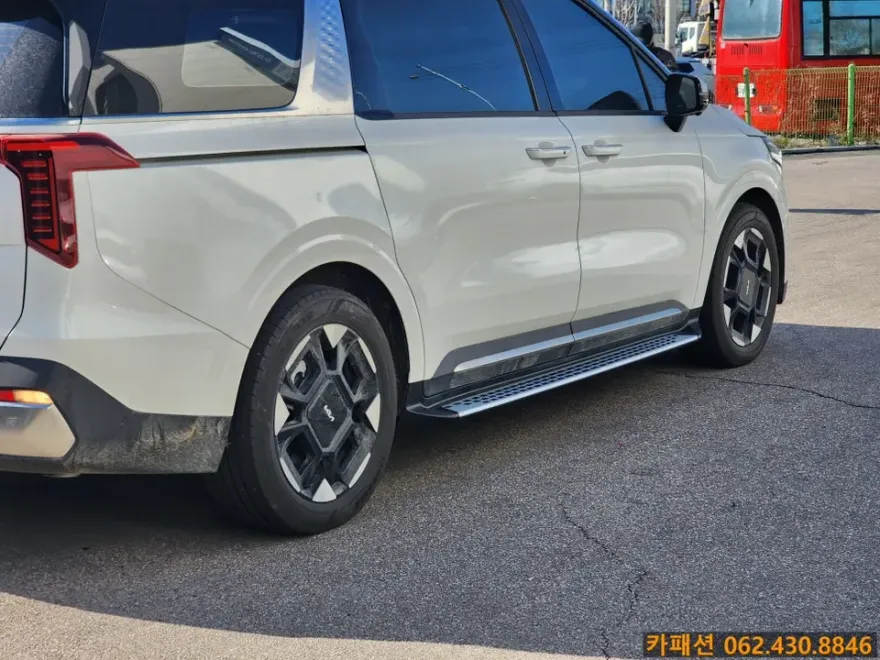
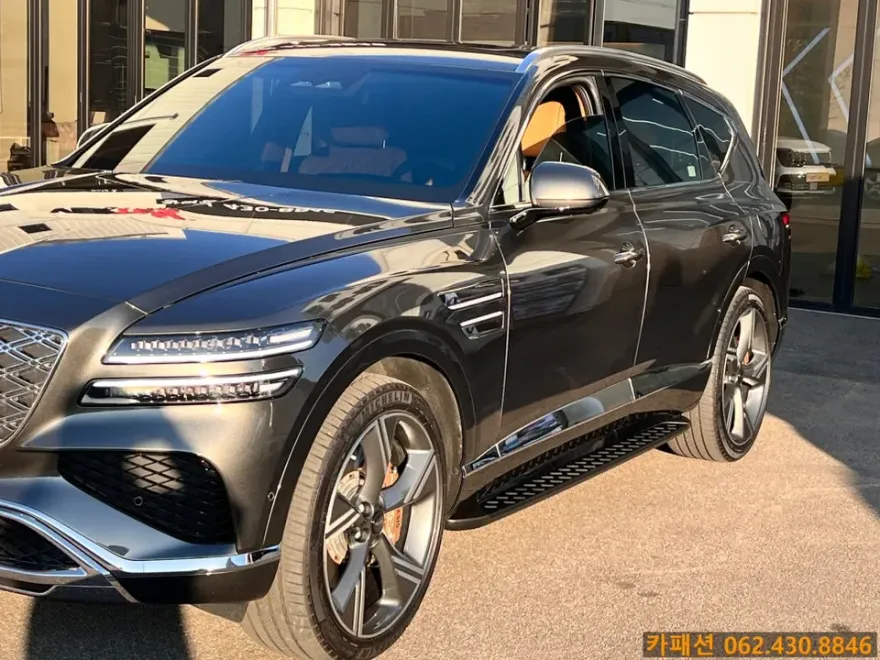
Genesis GV80 side step installation: approx. $300-$600 USD. Enhances accessibility and aesthetics.
Enhancing Your Genesis GV80 with a Body Kit
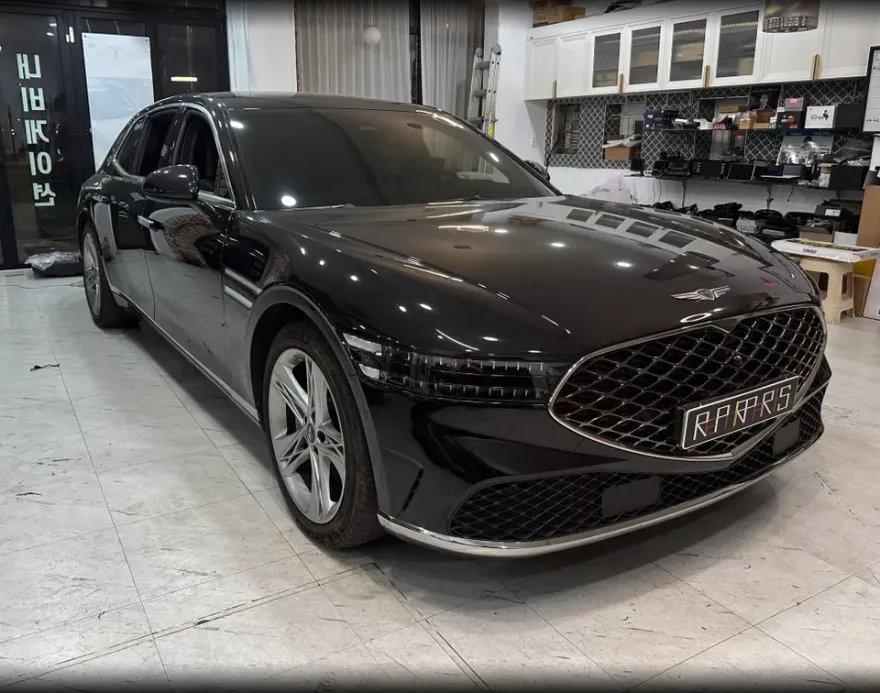
The Genesis GV80, a symbol of luxury and robust design, often prompts owners to consider enhancements that complement its premium stature. While the GV80 boasts an impressive factory look, many owners contemplate adding an aero kit or body kit to further personalize their vehicle. This review delves into the specifics of body kit installation for the Genesis GV80, examining the associated costs, the tangible before-and-after results, and whether investing in such an upgrade truly enhances the ownership experience. The Korean context for this review highlights the installation of genuine accessory side steps, which serve a similar purpose of enhancing practicality and aesthetics for this high-riding luxury SUV.
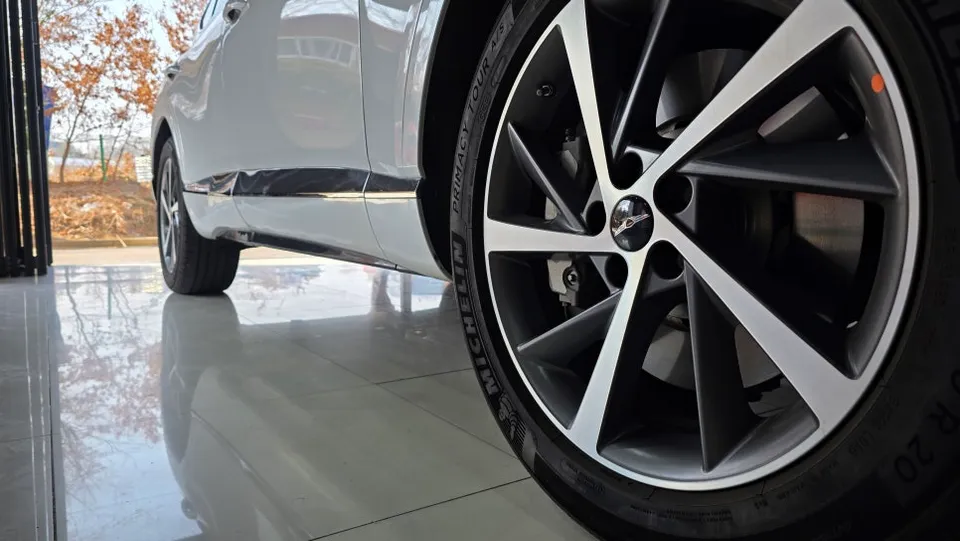
Why Consider a Body Kit for the GV80?
The Genesis GV80 is a premium SUV with a commanding presence, characterized by its substantial ground clearance. While this height contributes to its imposing stance and off-road capability, it can present challenges for some occupants. For individuals with shorter stature, elderly passengers, or young children, the elevated entry and exit can be inconvenient or even difficult. In this regard, genuine accessory side steps, as detailed in the Korean context, function as more than just a cosmetic addition; they become a crucial element for safety and convenience. These steps provide a stable platform, making it significantly easier for everyone to get in and out of the vehicle. Beyond practicality, a well-designed body kit, including front lip spoilers and side skirts, can subtly alter the GV80's profile, adding a sportier or more aggressive aesthetic without compromising its inherent luxury. The integration of genuine parts ensures a seamless fit and finish, maintaining the vehicle's high-quality appearance.
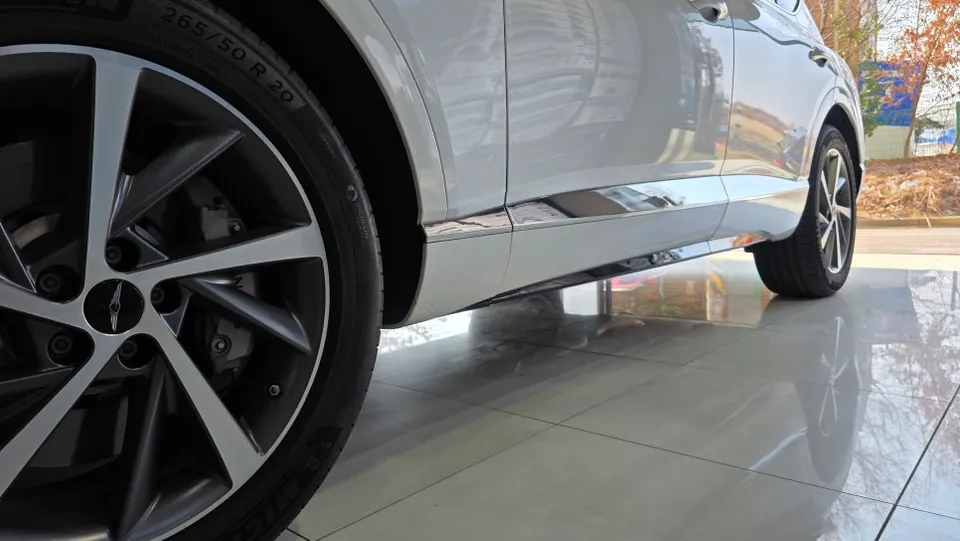
The Body Kit Installation Process
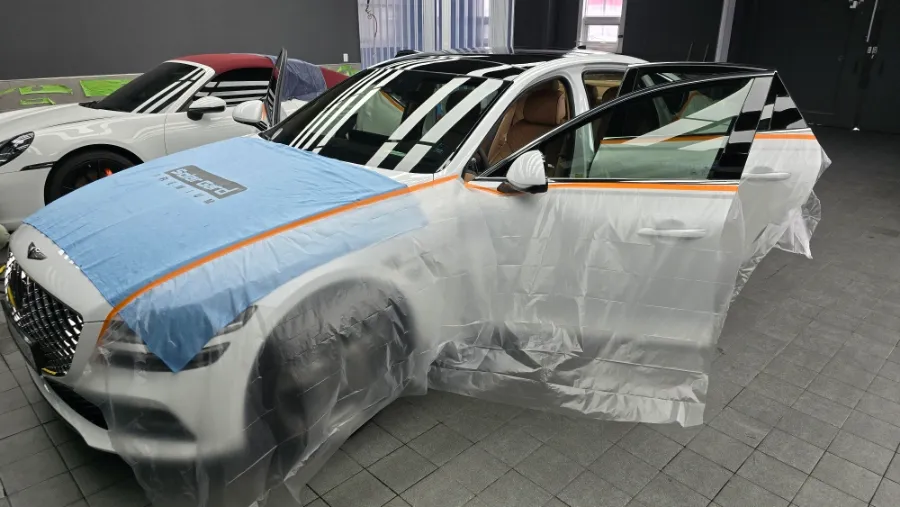
Installing a body kit, particularly genuine accessory side steps like those fitted to the GV80 in the Korean example, requires precision and expertise. Unlike aftermarket parts that may require significant modification, genuine components are designed for a specific fit. The process, as observed in a professional setting, involves several key stages:
- Vehicle Inspection and Parts Verification: Before any work begins, the vehicle is thoroughly inspected. The specific body kit components, such as genuine side steps, brackets, and fasteners, are checked for completeness and any potential defects. Using the correct, genuine parts is crucial for ensuring a perfect fit and maintaining the vehicle's integrity.
- Underbody Preparation and Bracket Mounting: The vehicle's underbody panels or covers are carefully removed. For the GV80, these covers are often secured with numerous clips and bolts, requiring careful handling to avoid damage. Subsequently, specialized brackets designed for the body kit are precisely positioned and securely fastened to the vehicle's frame. Adhering to the manufacturer's specified torque values during this step is vital for ensuring the stability and safety of the installed components, preventing rattles or detachment during driving.
- Component Assembly and Alignment: Once the brackets are in place, the main body kit components, such as the side steps, are attached and firmly secured. A critical aspect of this stage is ensuring perfect horizontal alignment. Misalignment not only detracts from the vehicle's aesthetics but can also create an uneven surface for stepping. Professional installers utilize precision measuring tools to guarantee a flawless, level finish.
The estimated cost for genuine accessory side step installation in Korea can range from approximately ₩400,000 to ₩800,000 (roughly $300-$600 USD, depending on exchange rates), though this can vary based on the specific kit and installer. This price reflects the use of genuine parts and the specialized labor involved.
Durability, Maintenance, and Value
The durability of a body kit largely depends on the materials used and the quality of the installation. Genuine accessory parts, often made from high-quality plastics or composites, are designed to withstand daily use and varying weather conditions. Proper installation, as outlined above, is paramount to their longevity. Maintenance typically involves regular cleaning with mild automotive soap and water. Avoid abrasive cleaners or high-pressure washing directly on the seams, as this can potentially damage seals or paintwork. The value proposition of a body kit for the Genesis GV80 is subjective. For owners who prioritize enhanced accessibility, particularly for family members, the functional benefits are clear. Aesthetically, it offers a way to customize the vehicle's appearance, making it stand out. While the initial body cost can be significant, the long-term benefits in terms of usability and personalized style can make it a worthwhile investment for many GV80 owners.
Frequently Asked Questions
Q. How much does a body kit cost for a Genesis GV80?
Genuine accessory side steps for the Genesis GV80 installed in Korea typically range from ₩400,000 to ₩800,000 (approximately $300-$600 USD). US pricing can vary significantly based on the specific kit and installer.
Q. How long does body kit installation take on a Genesis GV80?
The installation of genuine side steps usually takes a few hours, depending on the complexity of the kit and the installer's efficiency. Proper installation ensures durability, and regular cleaning with mild soap and water is recommended for maintenance.
Q. Is a body kit worth it for a Genesis GV80?
A body kit, especially functional side steps, is highly worth it for Genesis GV80 owners who frequently transport elderly passengers or children, significantly improving accessibility. It also offers a valuable aesthetic upgrade for those seeking a more personalized look.
Q. How is a body kit installed on a Genesis GV80?
Installation involves carefully removing underbody panels, precisely mounting specialized brackets to the vehicle's frame using torque-controlled fasteners, and then securely attaching the body kit components, ensuring perfect alignment.
Q. What is the difference between FRP and polyurethane body kits for a Genesis GV80?
Fiber-Reinforced Plastic (FRP) kits are generally more affordable but can be brittle and prone to cracking upon impact. Polyurethane kits are more flexible, durable, and impact-resistant, making them a better long-term investment despite a higher initial cost.
OhCar Partner Shop