Honda CR-V Heated Seats Review — Winter Comfort for All Passenger
Heated seats on Honda CR-V: rear-seat installation with 8 independent heating pads. Solves cold backseat problem when vehicle heater alone is insuffic
Addressing Winter Chill: The Necessity of Heated Seats for Rear Passengers
Does your Honda CR-V leave rear passengers, especially children, complaining about the cold during winter drives? While the front occupants might be comfortable, the rear seats often struggle to receive adequate warmth from the vehicle's heating system. This common issue, where the heater's airflow doesn't sufficiently reach the back, can make winter journeys unpleasant. Fortunately, aftermarket solutions like installing heated seats can transform the rear cabin experience. This review details a recent installation of a 6-level heated seat system in a Honda CR-V, explaining why it's a valuable comfort upgrade and how the process works.
Why Rear Heated Seats Make a Difference
Most vehicles come standard with heated front seats, prioritizing the driver and front passenger. However, the rear seating area naturally experiences lower temperatures in winter. The car's heating system is designed to direct warm air forward, meaning it often struggles to adequately warm the back seats. As temperatures plummet, the cabin can take a long time to reach a comfortable level, leaving rear passengers shivering. Rear heated seats provide a direct and efficient solution by warming the seat cushions and backrests from below and behind. Unlike the main heater, these systems operate independently, allowing rear passengers to control their own comfort level, eliminating the common complaint of 'cold back seats'.
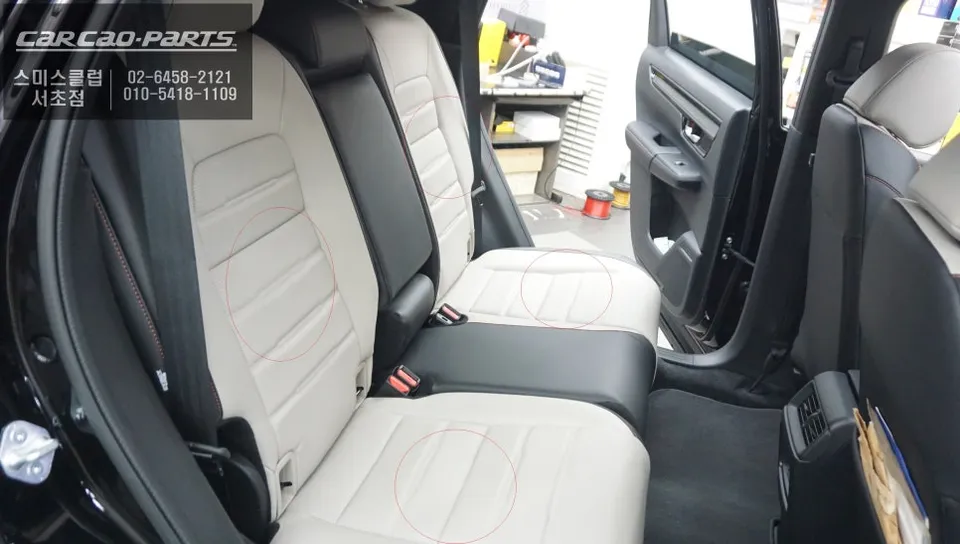
Honda CR-V Heated Seat Installation Process
The installation process for adding heated seats to your Honda CR-V's rear bench is meticulous and designed for optimal performance and safety. Here’s a breakdown of the typical steps involved:
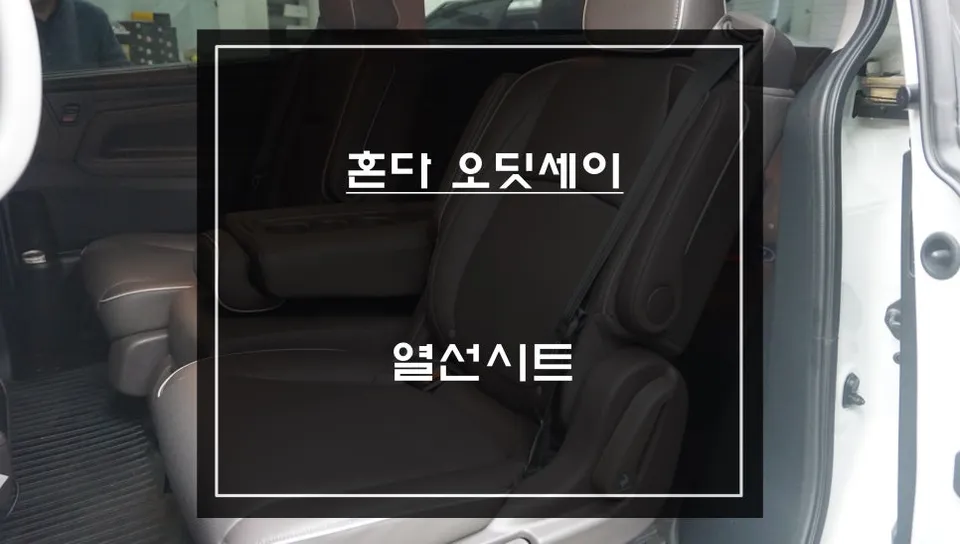
- Seat Disassembly: The rear seat cushions are carefully removed from the vehicle. This allows technicians access to the underlying structure where the heating elements will be installed.
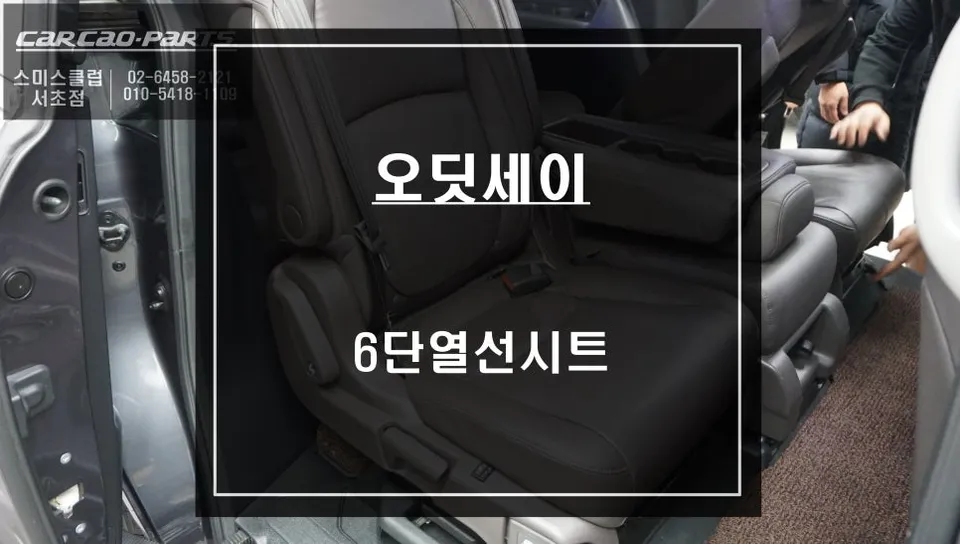
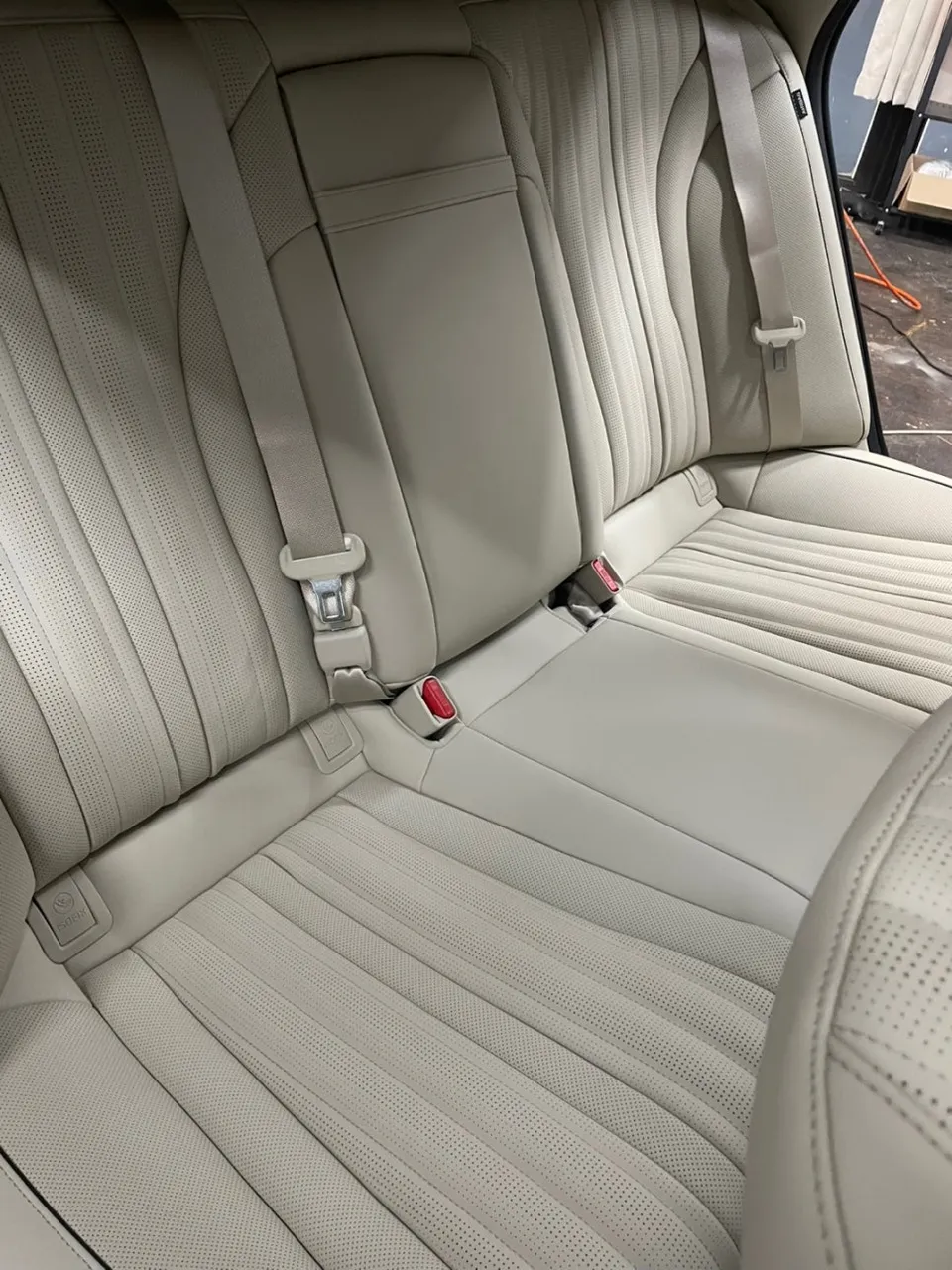
- Heating Pad Placement: A set of heating pads, typically eight in total for a rear bench (four for the cushion and four for the backrest), are precisely attached to the seat frames. These pads are designed to distribute heat evenly across the seating area.
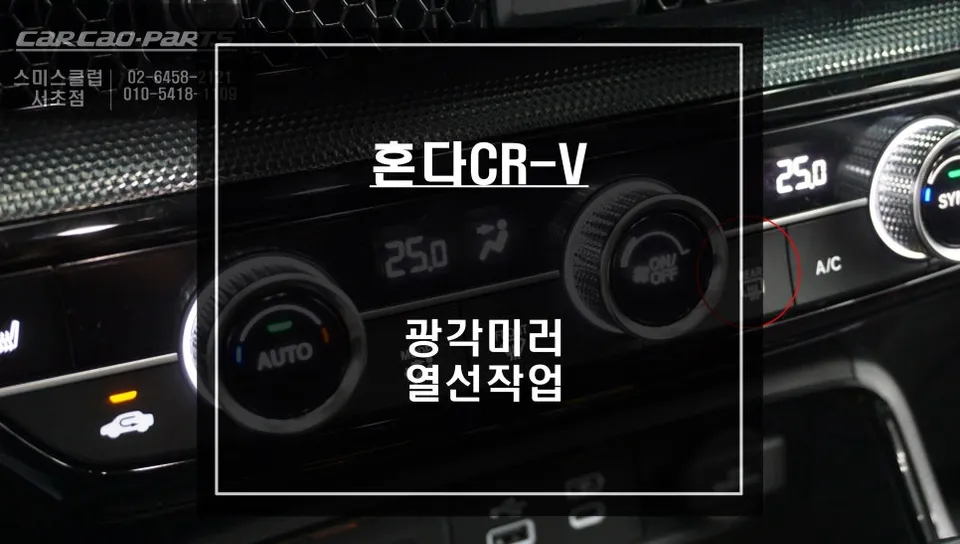
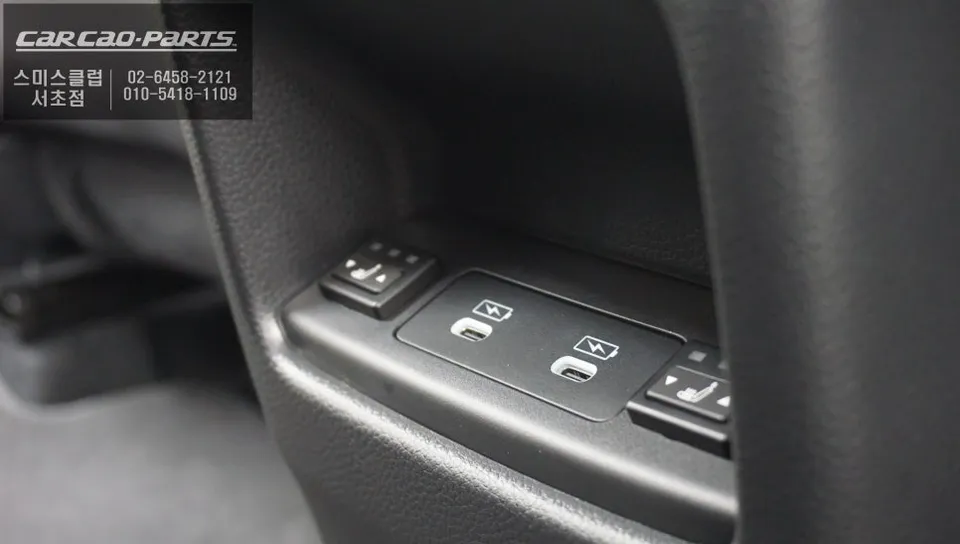
- Wiring and Control Integration: The heating pads are then wired to a control module. A new switch panel, usually installed discreetly on the side of the seat or within the door panel, is integrated. This placement ensures easy access for rear passengers without obstructing the driver's view or interfering with the vehicle's interior aesthetics.
- Testing and Reassembly: After all components are connected, the system is thoroughly tested to ensure all heating levels function correctly. The seats are then carefully reassembled, returning them to their original position in the vehicle.
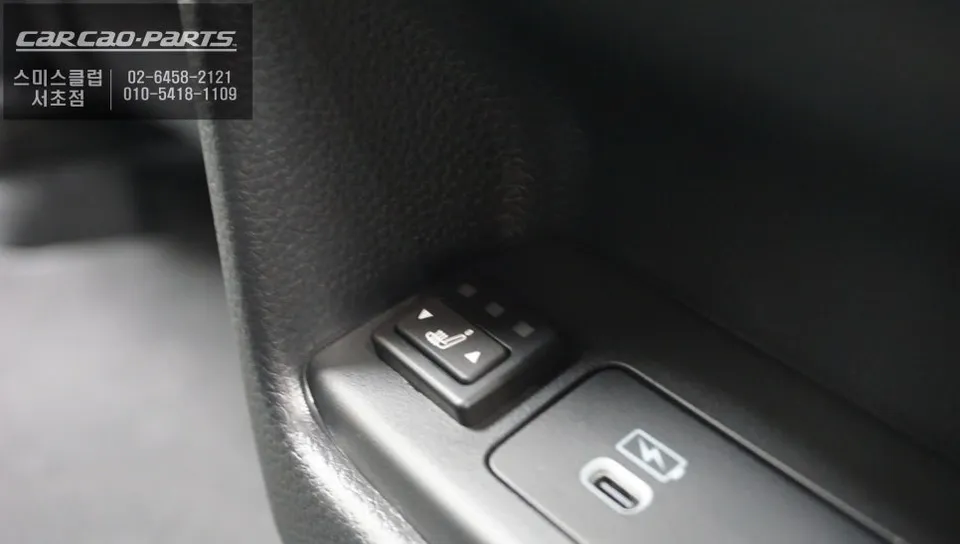
Precision Temperature Control and Smart Features
A key advantage of this particular heated seat system is its 6-level temperature adjustment. This granular control allows passengers to select their ideal warmth, from a gentle warmth to a more intense heat, catering to individual preferences and varying weather conditions. Furthermore, the system incorporates an auto-reset function. When the vehicle is turned off, the heated seats automatically switch off and reset to their default setting. This eliminates the need for manual deactivation and ensures a fresh start for the next journey, enhancing both convenience and safety.
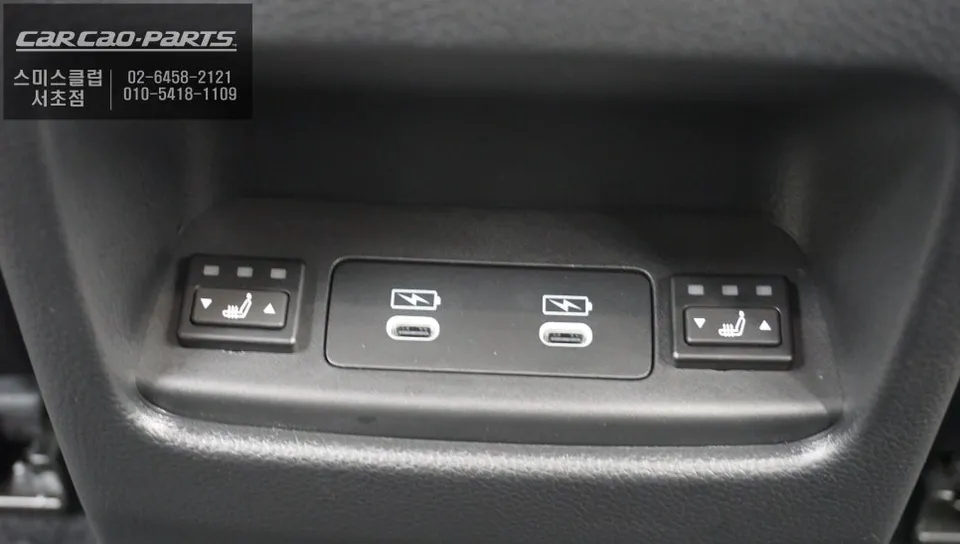
Heated Seats vs. Temporary Solutions
While portable seat cushions or blankets might seem like a cheaper alternative, they cannot match the effectiveness and safety of integrated heated seats. Temporary solutions offer inconsistent heating, can shift during driving, lack temperature control, and may pose a burn risk with prolonged use. In contrast, professionally installed heated seats provide uniform warmth across the entire seat surface, offer precise temperature regulation, and become a permanent, reliable comfort feature of the vehicle, lasting for the lifespan of the car.
Durability and Maintenance
Once installed, the heated seat system requires minimal maintenance. The seats can be cleaned using a vacuum cleaner and standard upholstery cleaners, just like regular seats. The internal heating elements are protected within the seat structure, making them resistant to typical wear and tear. A slight, temporary odor might be noticeable during the first few uses as the electronic components settle in, which is a normal occurrence for such systems.
Frequently Asked Questions
Q. How much does it cost to add heated seats to a Honda CR-V?
Professional rear heated seat installation typically ranges from $800–$1,500 depending on quality and dealer markup. This CR-V installation used a 6-stage system with 8 heating pads split between cushion and backrest sections.
Q. How long do heated seats last on a Honda CR-V?
Quality heating pad systems last 8–12 years with proper use, though durability depends on installation quality and electrical grounding. Avoid folding seats repeatedly and check wiring connections annually to prevent premature wear.
Q. Are heated seats worth adding to a Honda CR-V?
Heated rear seats benefit families with children or frequent rear passengers in cold climates, solving the common problem of uneven cabin heating. They increase resale appeal and provide independent temperature control separate from front-seat climate settings.
Q. What's the difference between front and rear heated seats on a Honda CR-V?
Most CR-Vs come with front heated seats but lack rear heating, leaving backseat passengers cold since hot air flows forward. Adding rear heated seats with independent controls eliminates temperature complaints and ensures all passengers stay warm.
Q. Can ventilated seats be added to a Honda CR-V during heated seat installation?
Yes, some custom installers offer cooling/ventilation systems paired with heated seat upgrades, though this requires additional electrical work and air circulation tubing. This dual-function approach provides year-round comfort but typically costs $2,000–$3,500 total.
Kakao Parts