Hyundai Elantra AD Lighting Upgrade Review: Cost & Results
Service Price
$75–115
Estimated price · Actual price may vary by shop
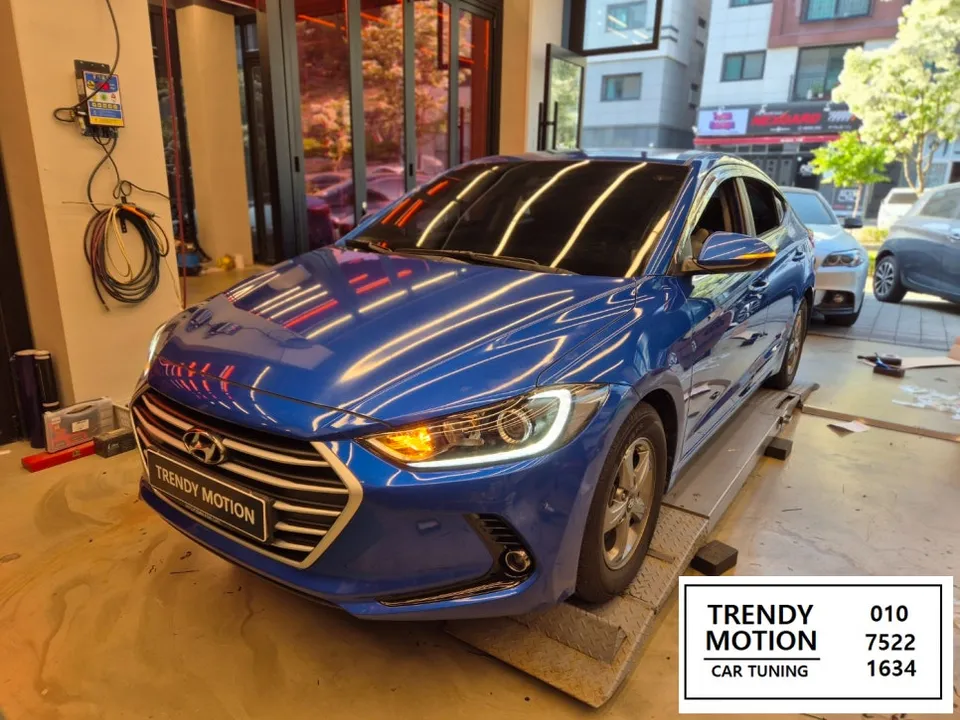
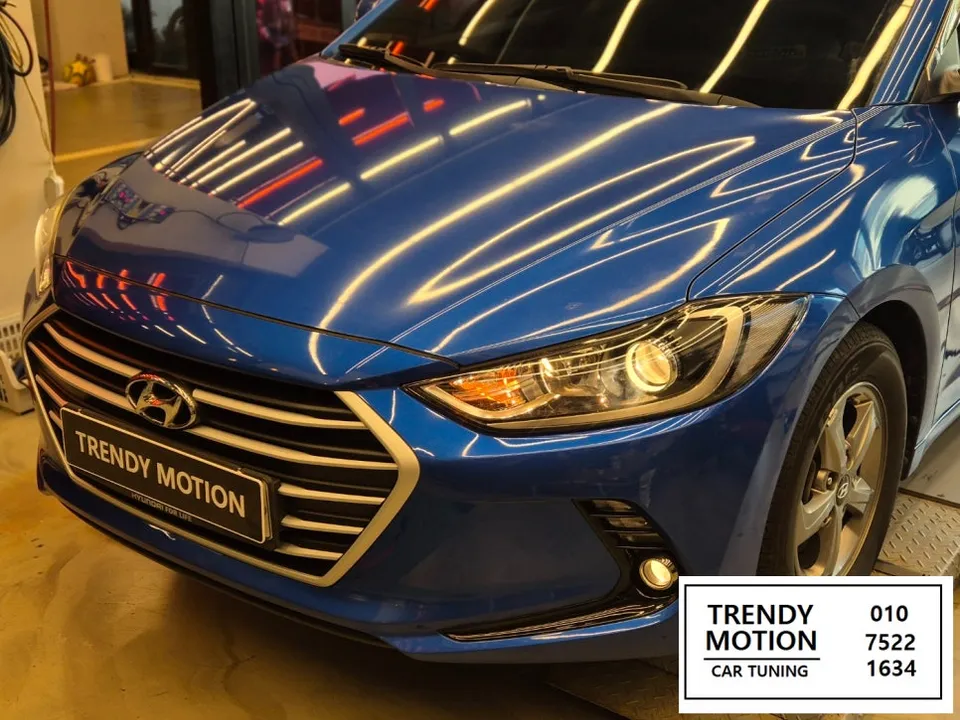
Hyundai Elantra AD lighting upgrade: HID headlights, LED taillights. Cost $75-$115. Improved visibility & style.
Hyundai Elantra AD Lighting Upgrade: Enhancing Safety and Style
Many owners of the popular Hyundai Elantra AD find the stock lighting systems can be a bit underwhelming, especially for nighttime driving. This review details an upgrade that addresses those concerns by enhancing both the safety and aesthetic appeal of the vehicle's lighting. The focus was on improving visibility with brighter headlights and modernizing the rear with LED taillights, while also upgrading auxiliary lights and interior illumination. This particular upgrade was performed on a family member's car, aiming for a functional enhancement that maintains a clean, factory-like appearance rather than an overly aggressive aftermarket look.
Boosting Visibility with HID Headlights and LED DRLs
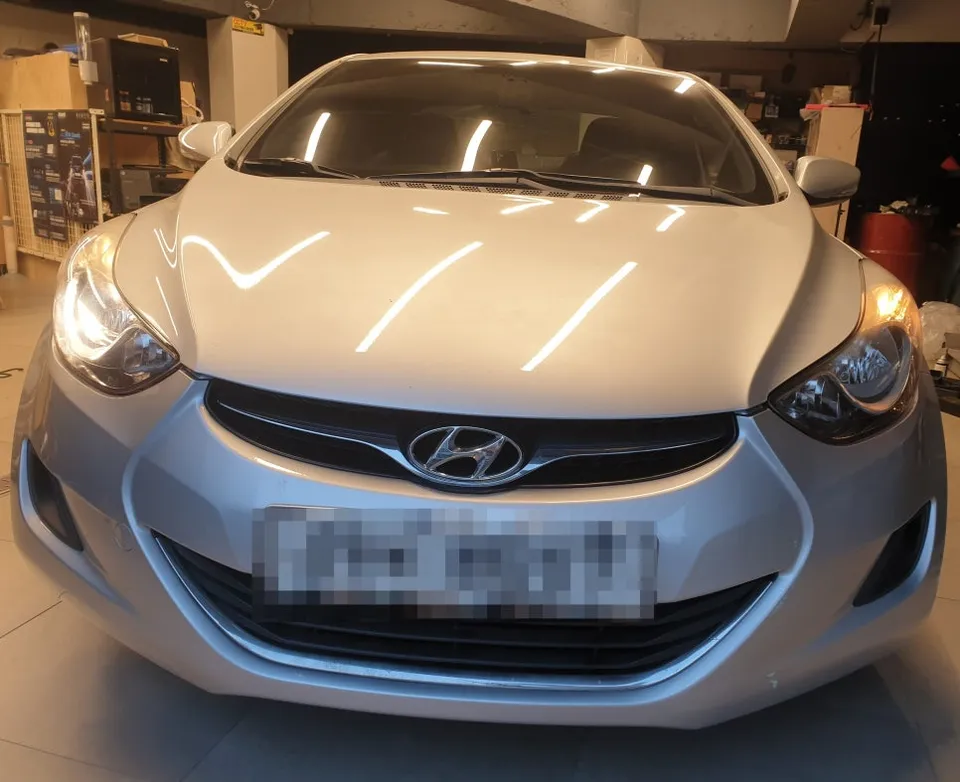
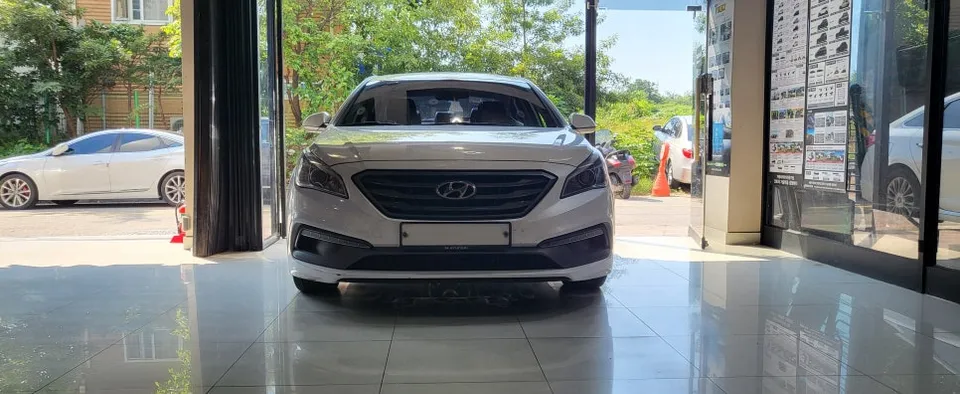
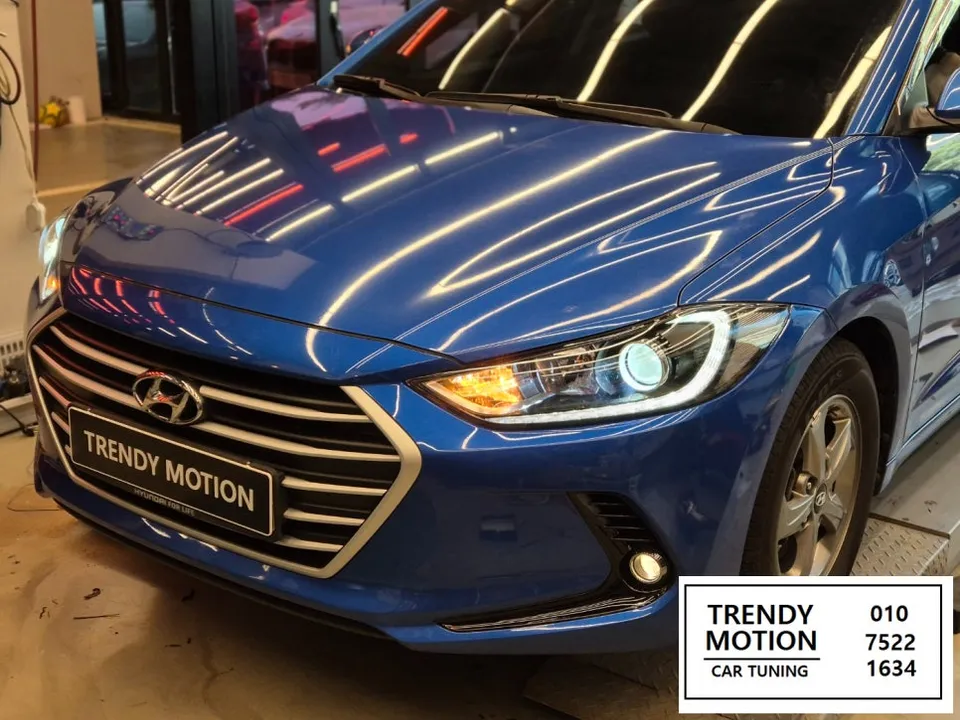
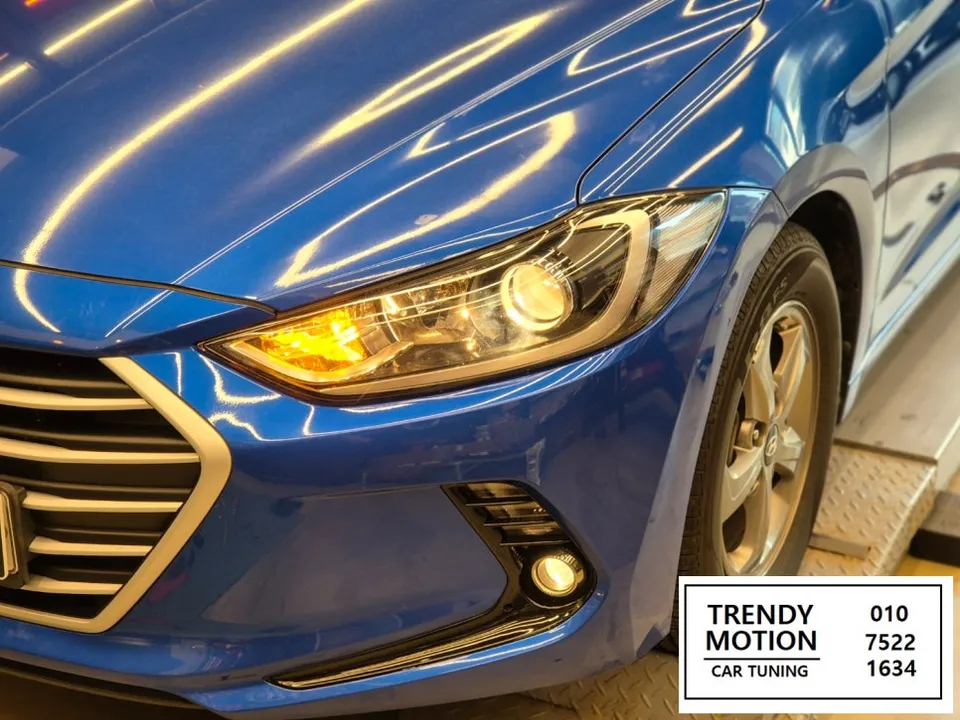
The most striking transformation occurs at the front of the Elantra AD. The original halogen daytime running lights (DRLs) were replaced with integrated, brighter LED DRLs within the headlight assembly. These LEDs serve a dual purpose: functioning as DRLs when the main headlights are off and dimming to act as parking lights when the low beams are activated. This significantly improves daytime visibility, making the car more noticeable to other drivers. At night, the upgraded HID headlights provide a much clearer and wider field of vision, crucial for safe driving in dark conditions. The upgrade from halogen to HID headlights dramatically alters the car's front-end presence, offering a more modern and premium look.
Modernizing the Rear with LED Taillights and Brake Lights
The rear of the Elantra AD also receives a significant facelift. The original halogen taillights and auxiliary brake light were swapped for LED units. The distinct light signature of the taillights and the brake light are now sharper and more defined. The LED auxiliary brake light provides a stronger, more immediate signal to following traffic, enhancing safety. While not identical to the 'C' shaped signature found on some sportier trims, the design that encircles the brake light offers its own unique appeal, presenting a cleaner and more sophisticated look compared to the older halogen bulbs.
Installation Process:
- Headlight Assembly Removal: Carefully remove the existing headlight units to access the bulbs and wiring.
- HID Bulb and Ballast Installation: Install the new HID bulbs into the projector housing and connect the ballasts, ensuring secure mounting.
- LED Taillight Swap: Remove the original taillight clusters and install the new LED units, connecting the wiring harnesses.
- Auxiliary Light Integration: Replace the stock bulbs in the auxiliary brake light and reverse light with their LED counterparts.
- Interior LED Conversion: Swap out the original interior bulbs for LED replacements in the dome lights and other cabin areas.
- Testing and Adjustment: Power on all lights to confirm functionality and adjust headlight aim for optimal road illumination and compliance.
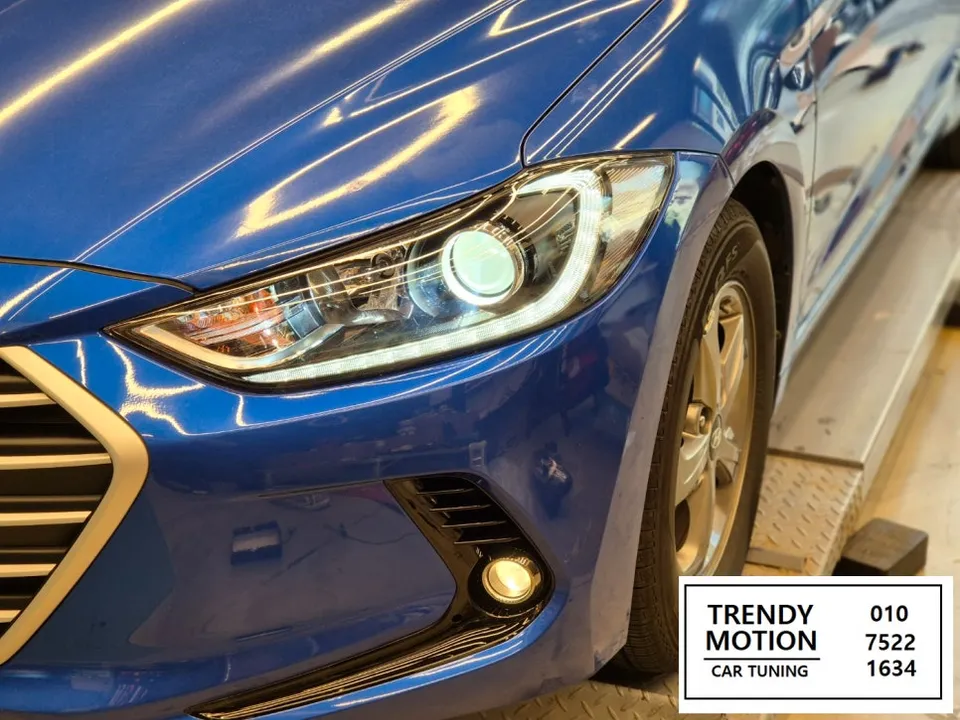
Enhancing Headlight Output with SolarLux HID D5S Plus
For those seeking even greater illumination beyond the standard HID conversion, an additional output boost is possible. This installation utilized the SolarLux HID D5S Plus bulbs to further enhance the brightness of the HID headlights. This upgrade is particularly beneficial for drivers who frequently navigate poorly lit roads or encounter adverse weather conditions, as it provides a more intense and far-reaching beam, contributing significantly to safer driving.
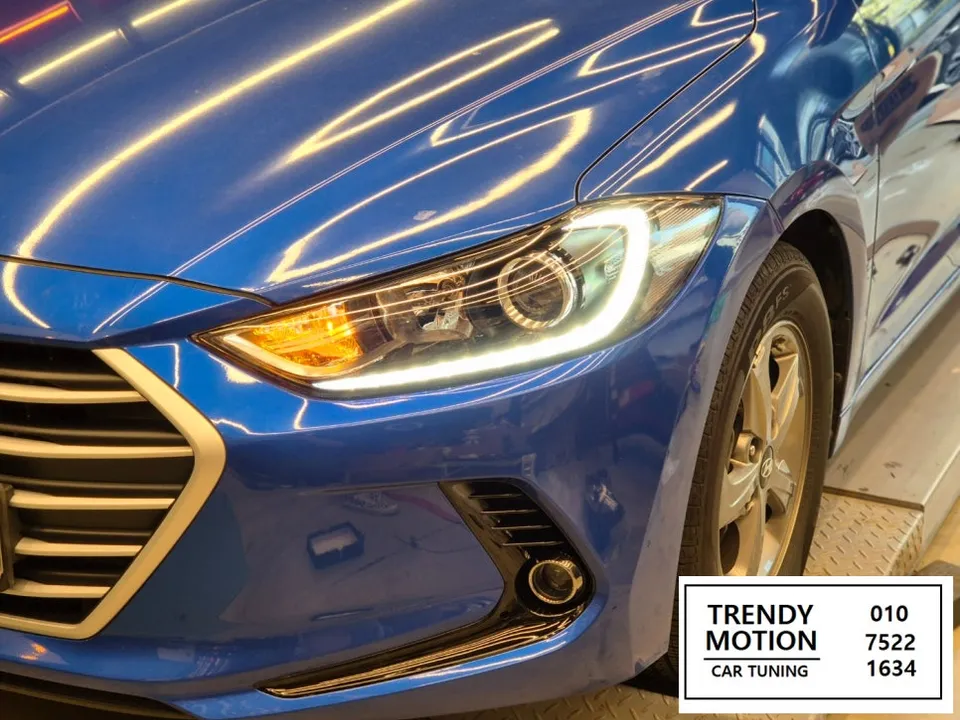
Completing the Upgrade with Bravio LED Reverse Lights and Bandi Interior LEDs
The upgrade extends to the reverse lights, which were replaced with Bravis LED units for improved visibility when backing up. Internally, the cabin lighting was modernized with Bandi LED bulbs, offering a brighter and cleaner ambiance. This comprehensive lighting overhaul ensures that every aspect of the Elantra AD's illumination is improved, from the road ahead to the car's interior.
Important Consideration: Upgrading vehicle lighting systems, especially those related to safety like headlights and brake lights, should always be performed by qualified professionals. Incorrect installation can lead to safety hazards, reduced performance, or even legal issues. Ensuring the use of compliant parts and proper alignment is crucial for headlight upgrades.
Frequently Asked Questions
Q. How much does an LED lighting upgrade cost for a Hyundai Elantra AD?
This specific upgrade in Korea ranged from approximately 500,000 to over 1,000,000 KRW. In the US, a similar comprehensive lighting upgrade for a Hyundai Elantra AD typically costs between $75 and $115 for basic bulb replacements, with more extensive conversions costing significantly more.
Q. How long do aftermarket LED headlights last on a Hyundai Elantra AD?
Quality aftermarket LED headlights can last between 15,000 to 50,000 hours of use, significantly longer than traditional halogen bulbs. Proper installation and avoiding excessive moisture or heat can help maximize their lifespan.
Q. Is an LED lighting upgrade worth it for a Hyundai Elantra AD?
An LED lighting upgrade is highly worth it for Hyundai Elantra AD owners who prioritize enhanced nighttime visibility and a modern aesthetic. The improved safety and updated look often justify the investment for many drivers.
Q. How is an LED lighting upgrade installed on a Hyundai Elantra AD?
Installation typically involves removing the old headlight and taillight assemblies, installing new LED bulbs and associated components like ballasts for HIDs, then fitting the new units and reconnecting wiring harnesses. Interior LEDs are usually a simple plug-and-play swap.
Q. What is the difference between HID and LED headlights for a Hyundai Elantra AD?
HID (High-Intensity Discharge) headlights produce light by igniting an electric arc in a gas-filled bulb, offering bright, broad light, while LED (Light Emitting Diode) headlights use semiconductors to emit light, providing instant brightness, longer life, and lower power consumption. For most modern applications, LEDs are generally recommended for their efficiency and longevity.
OhCar Partner Shop