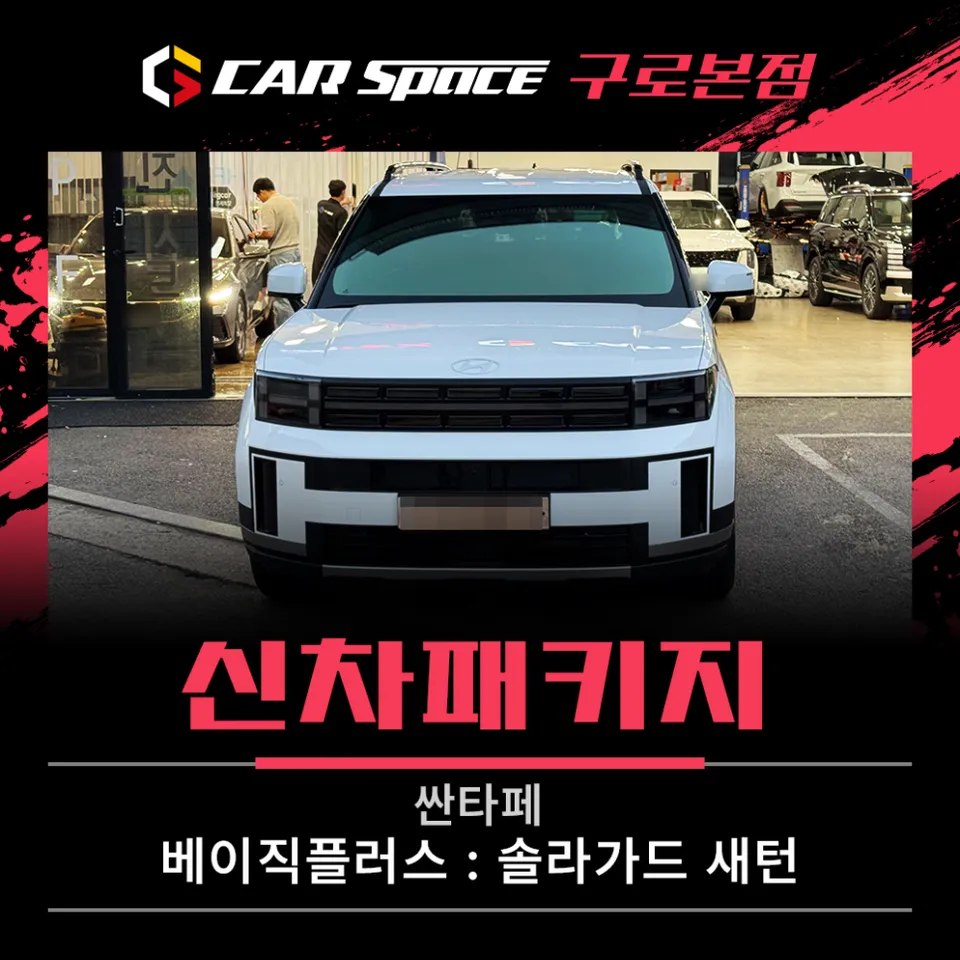
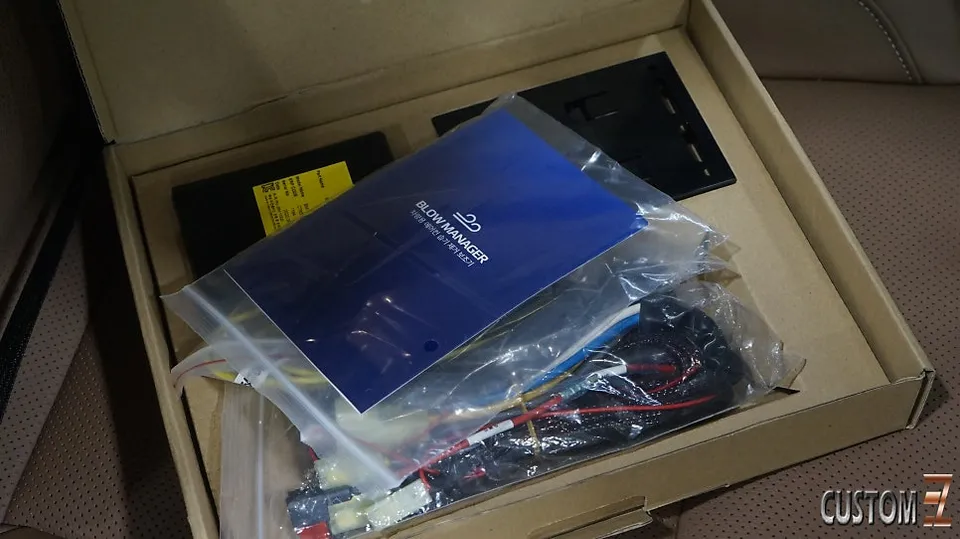
Hyundai Santa Fe Body Kit Installation Review
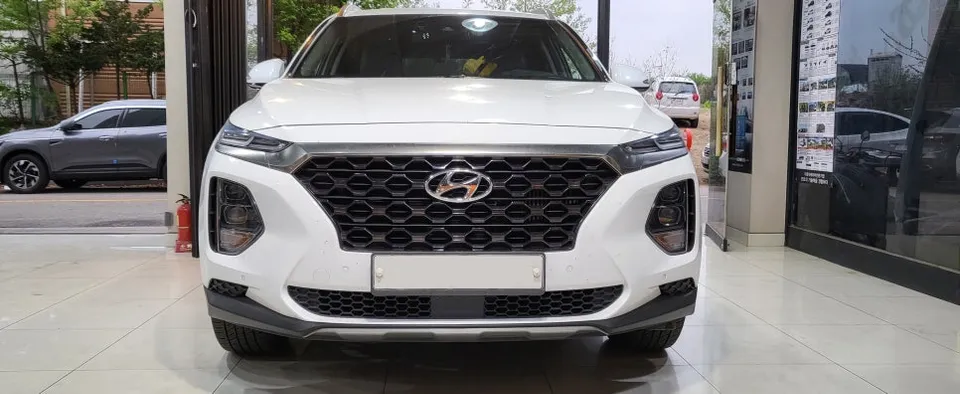
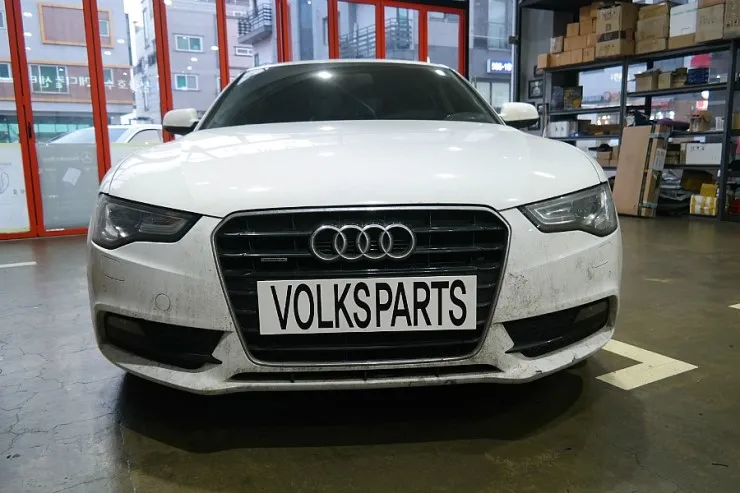
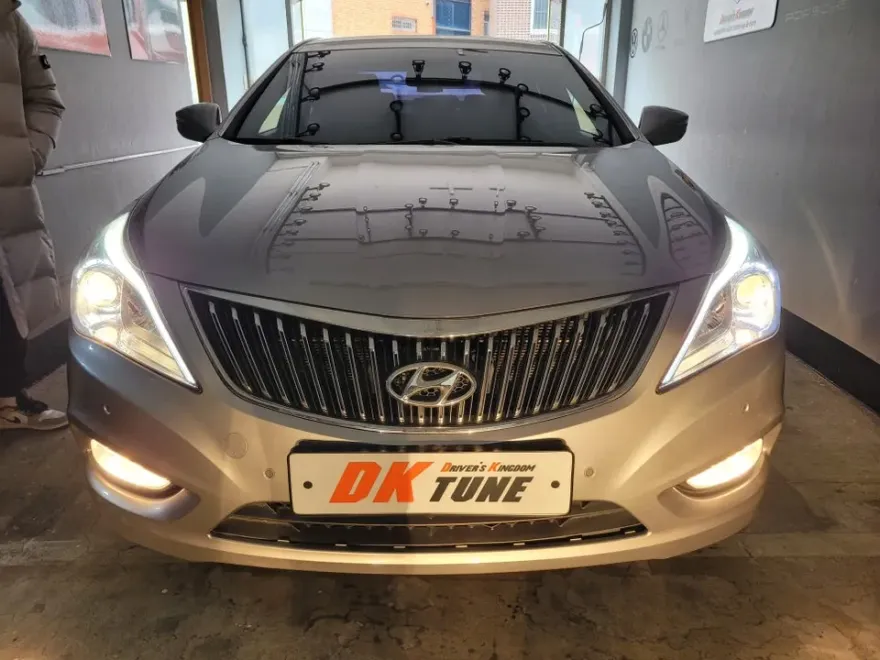
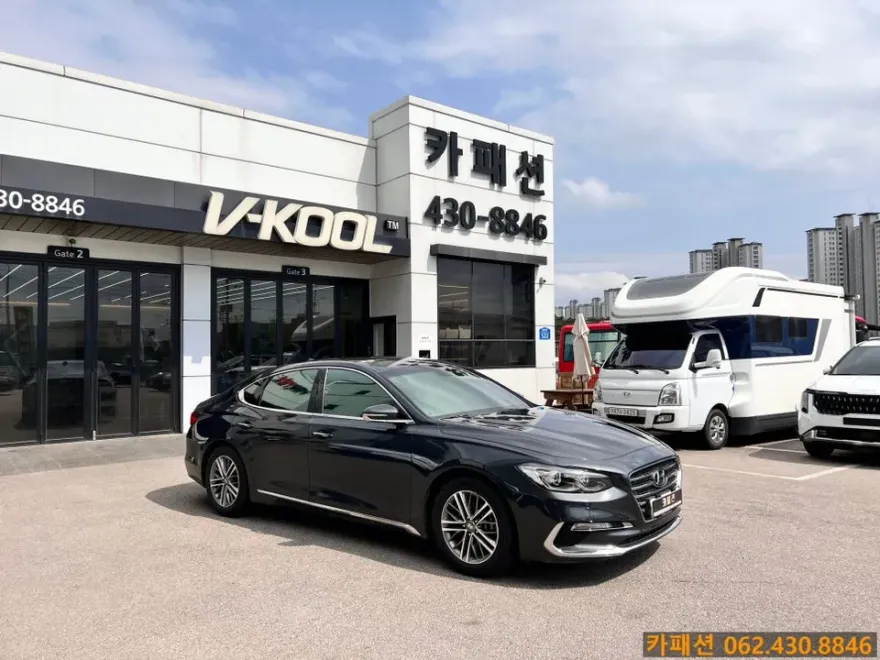
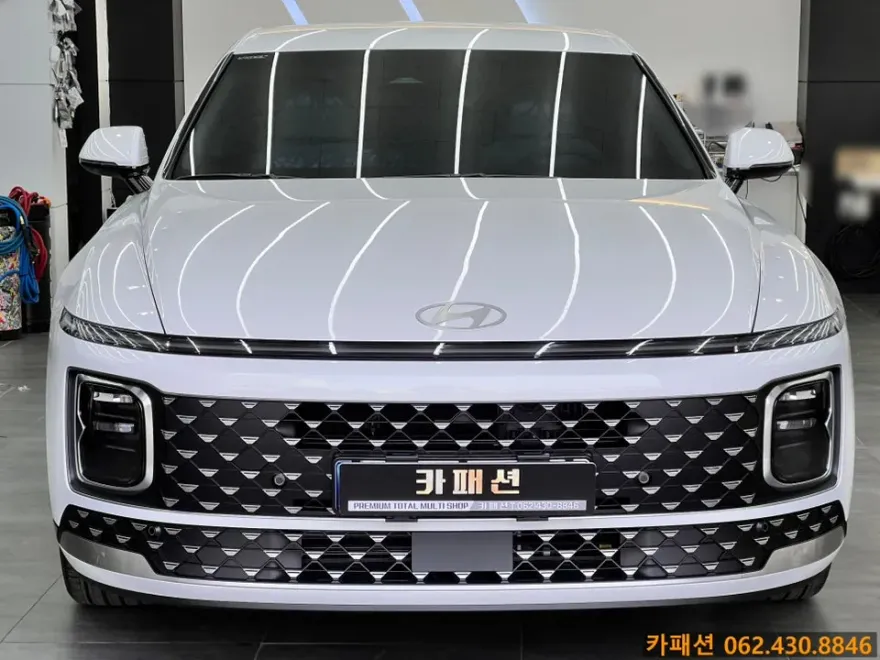
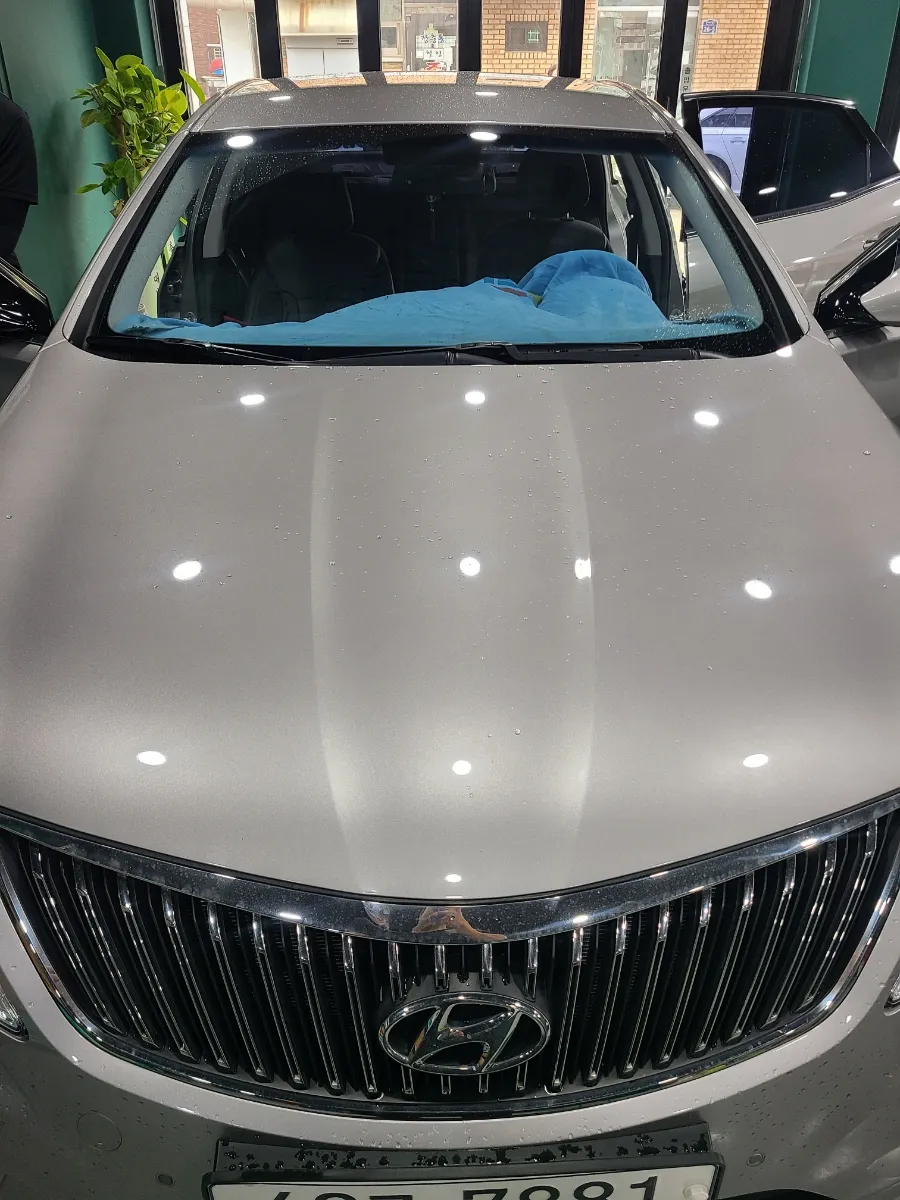
Before
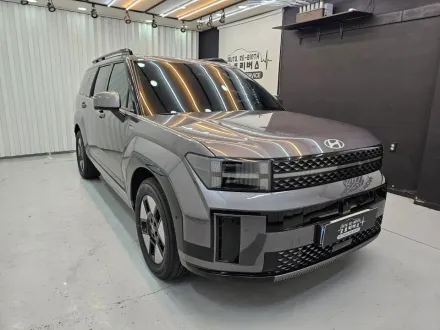
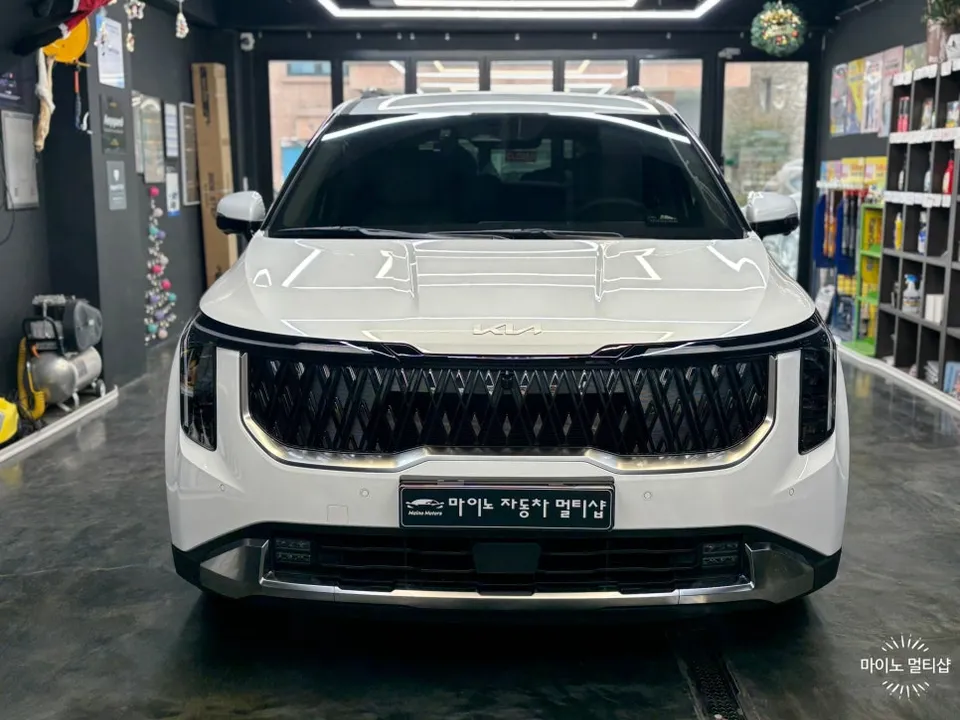
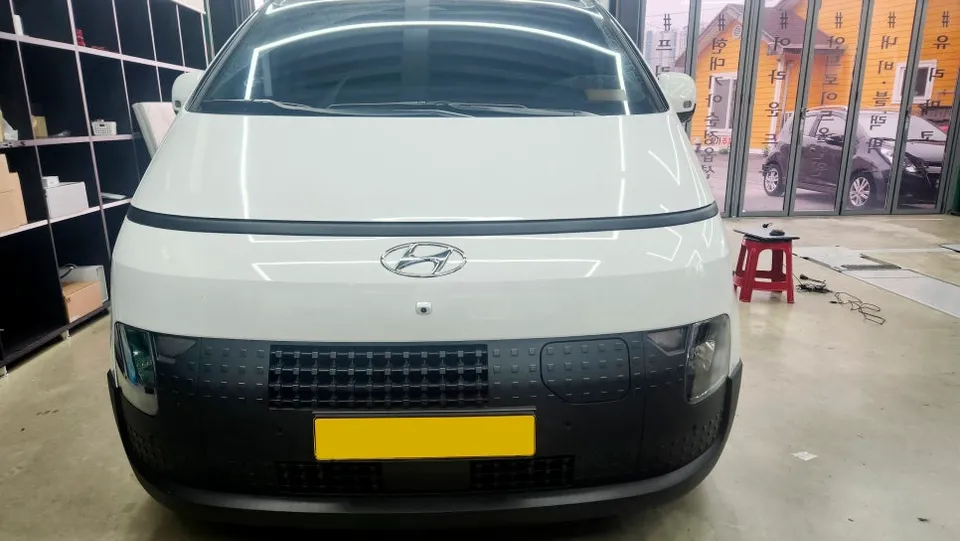
After
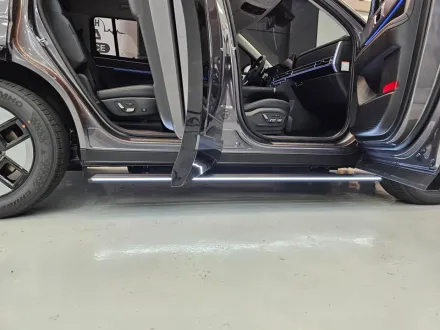
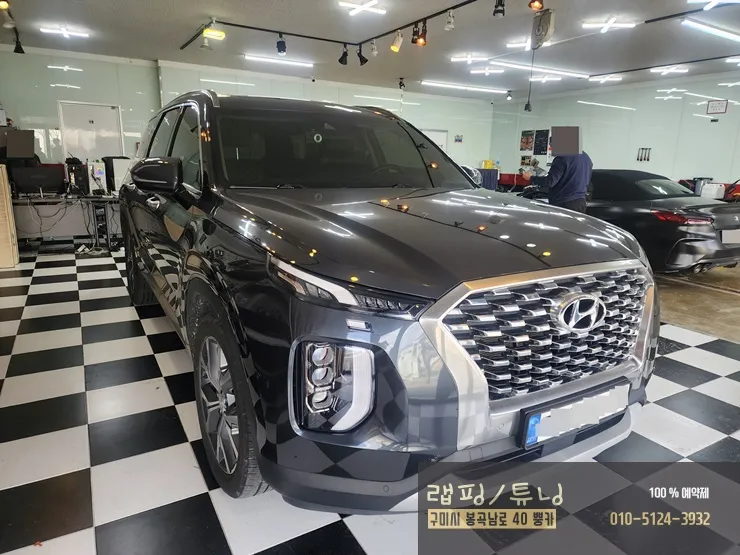
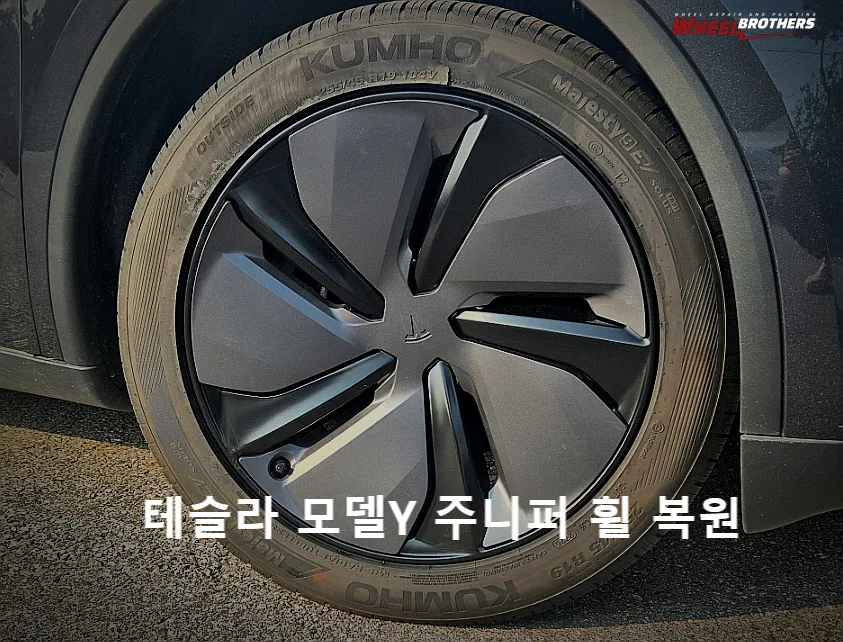
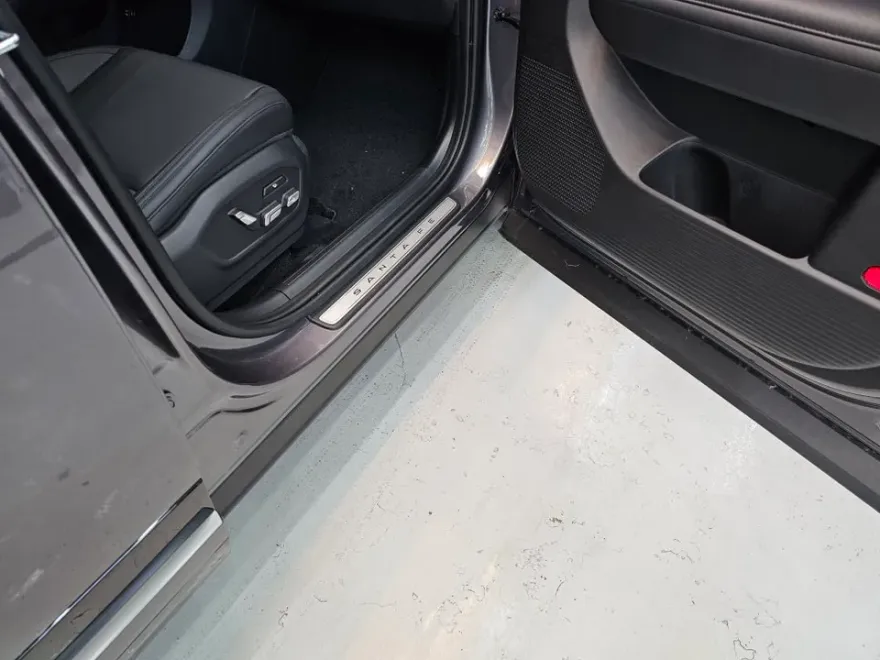
Process photos
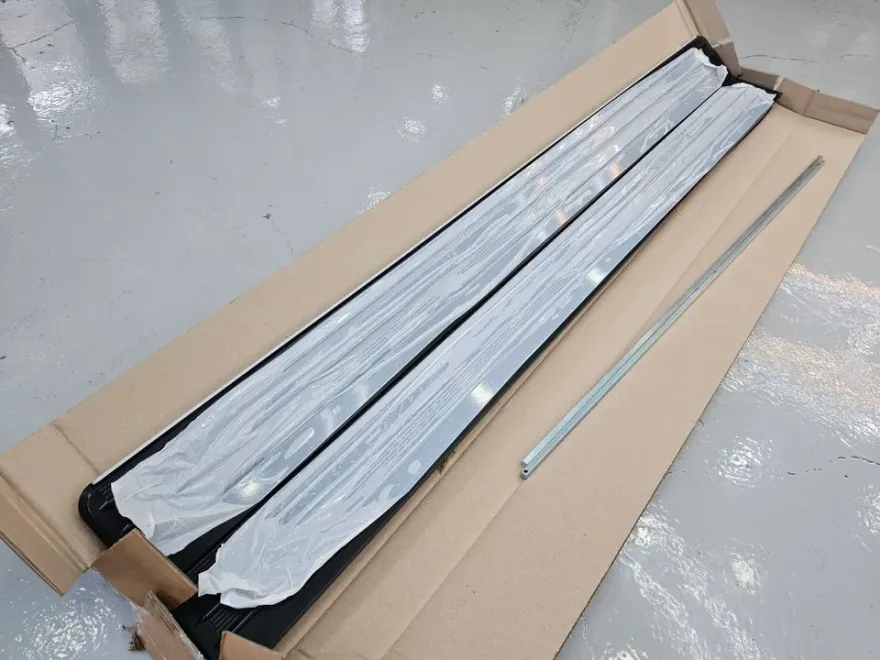
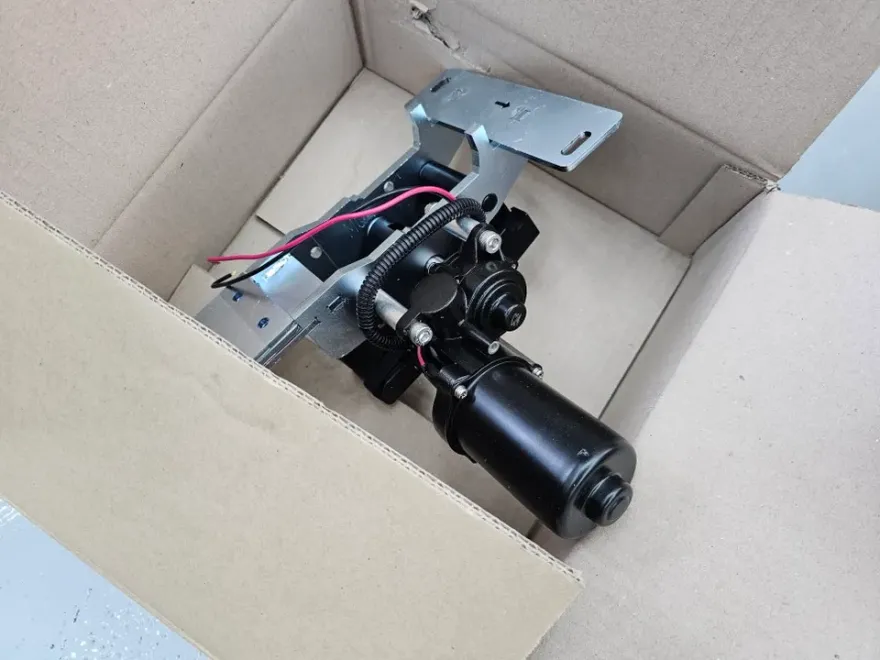
Hyundai Santa Fe body kit installation: Costs vary widely. Enhances aesthetics with a sportier look. Professional installation recommended.
Hyundai Santa Fe Body Kit: Enhancing Style and Functionality
For Hyundai Santa Fe owners looking to elevate their SUV's aesthetics and potentially its aerodynamics, a body kit offers a compelling upgrade. This review delves into the specifics of body kit installation, the associated costs, and the tangible results you can expect. While the original context for this review focused on electric side steps for the Santa Fe in Korea, we'll adapt the principles to discuss the broader concept of body kits, including front lips, side skirts, and rear diffusers, which are popular modifications for SUVs globally.
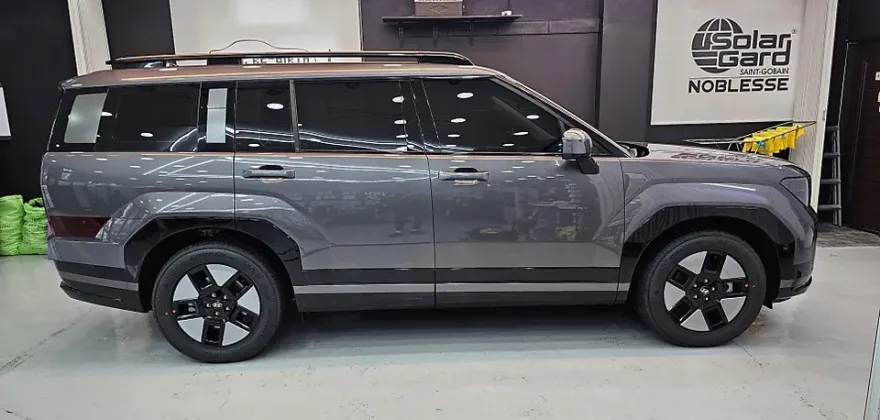
Understanding Body Kit Components and Installation
A body kit typically comprises several parts designed to alter the vehicle's exterior appearance. Common components include a new front bumper or front lip spoiler, side skirts that run along the lower edge of the doors, and a rear bumper or diffuser. Some kits may also include spoilers or winglets. The primary goal is often to give the Santa Fe a more aggressive, sporty, or customized look. The installation process requires precision and often professional expertise to ensure a seamless fit and finish. Materials can vary, with common options being polyurethane (PU) for its flexibility and impact resistance, or fiberglass-reinforced plastic (FRP) which is lighter but can be more brittle. The choice of material can influence durability and cost.
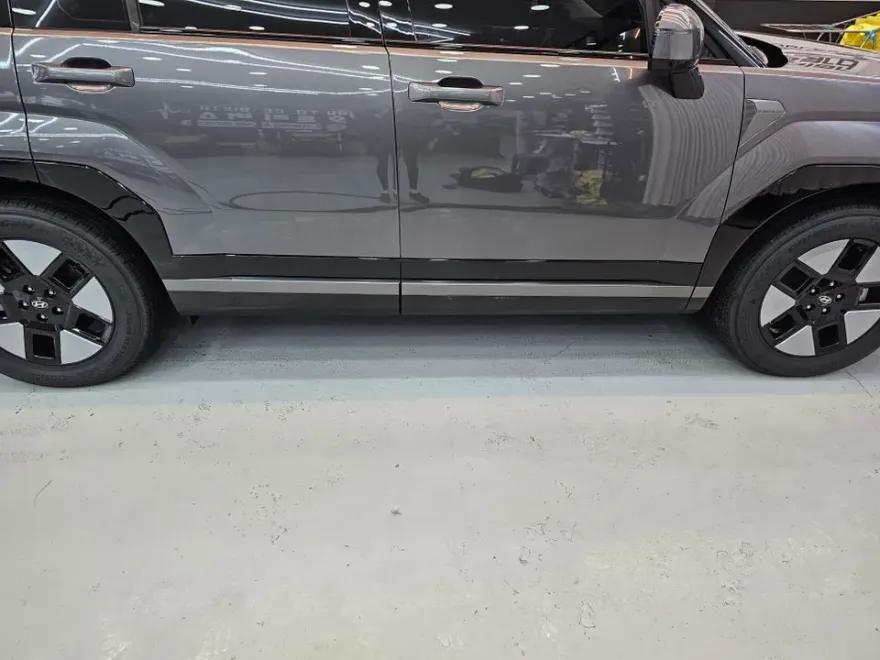
Body Kit Installation Process and Expected Results
Installing a body kit on a Hyundai Santa Fe involves several key steps to ensure a proper and lasting fit. While specific procedures can vary based on the kit's design and manufacturer, a general outline includes:
- Preparation: Thoroughly cleaning the Santa Fe's existing bumpers and side panels is crucial. Any imperfections or existing damage should be addressed.
- Component Fitting: The new body kit components (front lip, side skirts, rear diffuser) are carefully test-fitted to ensure alignment with the vehicle's body lines. Minor adjustments or trimming might be necessary.
- Attachment: Components are securely attached using a combination of automotive-grade adhesives, clips, and sometimes drilling into the vehicle's frame or existing panels, following the manufacturer's specific instructions.
- Finishing: After secure mounting, gaps are filled, and the new parts are often prepped for painting. Professional painting and clear coating ensure the body kit matches the Santa Fe's original paint color and provides a factory-like finish.
Before and after the installation, the visual transformation is often dramatic. The Santa Fe can appear lower, wider, and more performance-oriented. Durability depends heavily on the material quality, the installation's quality, and driving conditions. Polyurethane kits tend to withstand minor impacts better than FRP, making them a more practical choice for daily drivers concerned about road debris or low-speed bumps. Regular cleaning and waxing will help maintain the finish and protect the material.
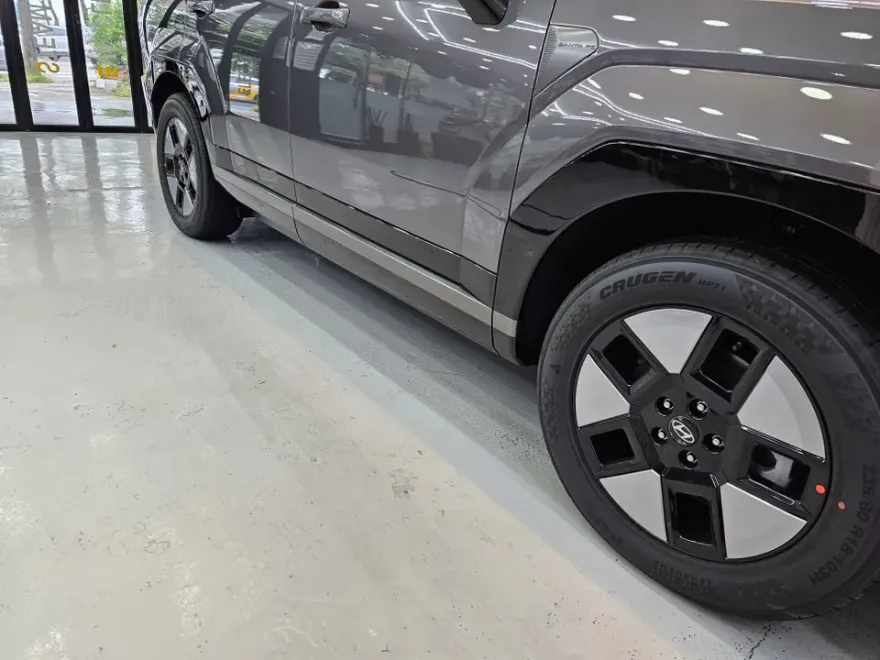
Is a Hyundai Santa Fe Body Kit Worth the Investment?
The decision to install a body kit on your Hyundai Santa Fe hinges on your priorities. If you seek a personalized aesthetic that sets your SUV apart from the standard models, a body kit can be a worthwhile modification. The cost can range significantly, from a few hundred dollars for basic lip kits to several thousand for full, premium body kits including professional painting and installation. In Korea, where the original context originated, electric side steps (a type of accessory step, not a full body kit) can range from approximately ₩300,000 to ₩600,000 (roughly $220-$440 USD), with installation taking 2-3 hours. Full body kit installations, especially with custom paint, will generally be higher. Consider the trade-offs: enhanced visual appeal versus potential costs, reduced ground clearance, and the need for careful maintenance. For owners who prioritize a unique look and are willing to invest in quality parts and professional installation, a body kit can significantly enhance their ownership experience.
Frequently Asked Questions
Q. How much does a body kit cost for a Hyundai Santa Fe?
The cost for a Hyundai Santa Fe body kit can range from several hundred to several thousand dollars, depending on the kit's complexity, materials, and whether professional painting and installation are included. In Korea, related accessories like electric side steps typically range from ₩300,000 to ₩600,000 (approx. $220-$440 USD).
Q. How long does body kit installation take on a Hyundai Santa Fe?
Installation time for a full body kit can vary from a few hours to a couple of days, depending on the kit's complexity and whether painting is required. For simpler additions like front lips or side skirts, it might take 2-4 hours. Regular cleaning and avoiding harsh chemicals will help maintain the kit's finish.
Q. Is a body kit worth it for a Hyundai Santa Fe?
A body kit is worth it for a Hyundai Santa Fe if your primary goal is to achieve a unique, sporty aesthetic and you are willing to invest in quality parts and professional installation. It offers a significant visual upgrade for owners seeking personalization beyond the factory look.
Q. How is a body kit installed on a Hyundai Santa Fe?
Body kit installation involves preparing the vehicle's surface, test-fitting components like front lips and side skirts, securely attaching them with adhesives and fasteners, and often professional painting to match the factory finish.
Q. What is the difference between FRP and polyurethane body kits for a Hyundai Santa Fe?
Polyurethane body kits are generally more flexible and impact-resistant, making them ideal for daily driving and resisting minor bumps. FRP kits are lighter but can be more prone to cracking or damage from impacts, often requiring more careful handling.
Q. What should I know before getting Body Kit on a Hyundai Santa Fe? (common regrets and mistakes)
The most common regret is underestimating the total cost, including professional painting and installation, which can significantly exceed the price of the parts alone. Always get a full quote from a reputable installer before proceeding.
OhCar Partner Shop