Hyundai Elantra CN7 OEM Options Retrofit Review
Service Price
$40–80
Estimated price · Actual price may vary by shop
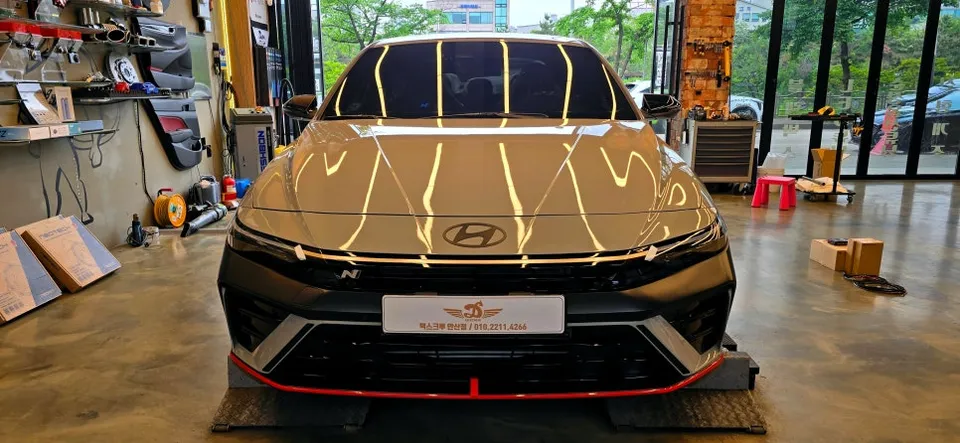
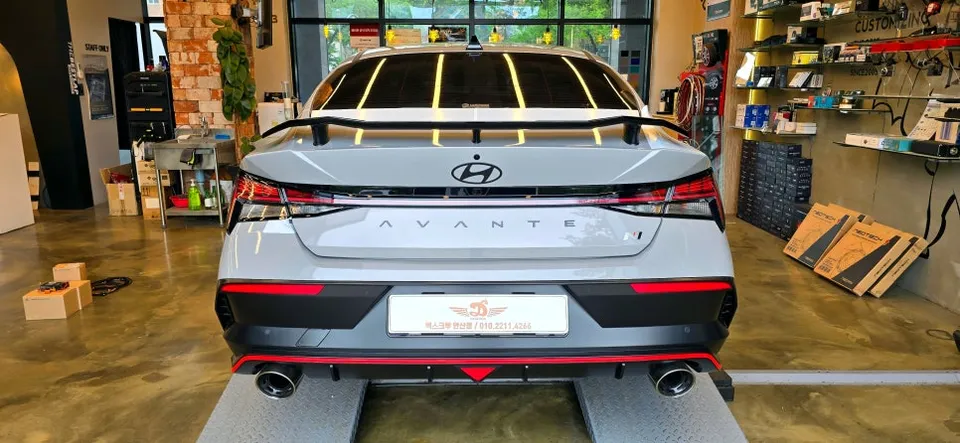
Hyundai Elantra CN7 OEM retrofit for Blind-Spot Assist: ₩400k-₩800k. Enhances safety with factory-quality integration.
Is Your Hyundai Elantra CN7 Missing Key Features?
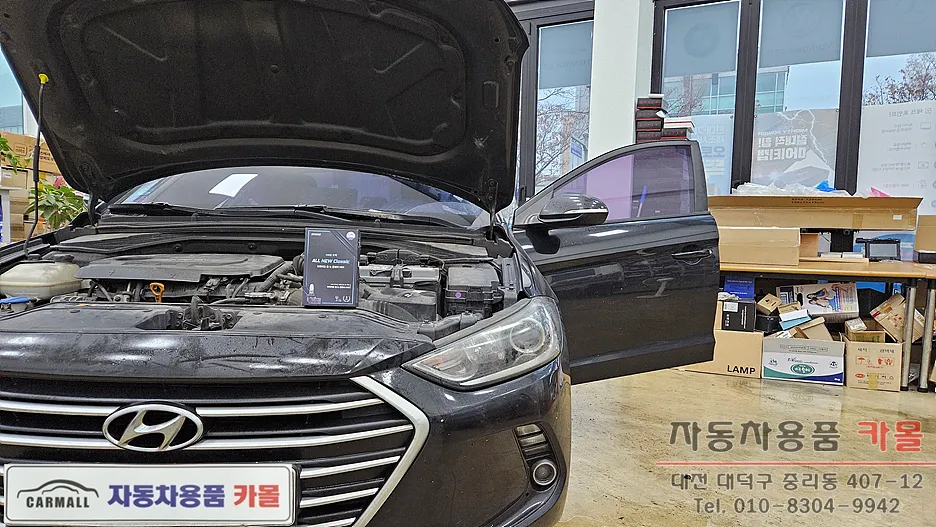
Many drivers love the Hyundai Elantra CN7 for its sporty design and performance, but some models, particularly the N manual transmission variant, lack desirable factory options. One common omission is the Blind-Spot Collision-Avoidance Assist (BCW) system. This review explores the process and benefits of retrofitting OEM options, specifically the BCW system, to your Elantra CN7, ensuring factory-quality integration and enhanced driving safety and convenience.
OEM Options Installation: A Detailed Look
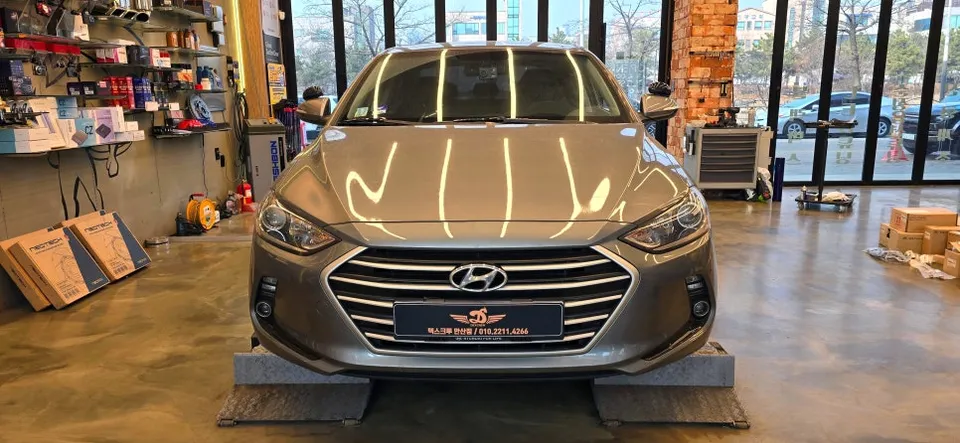
This process focuses on integrating the original factory Blind-Spot Collision-Avoidance Assist (BCW) system into a Hyundai Elantra CN7 N model that didn't originally come equipped with it. The goal is to achieve a seamless, factory-level finish. The installation involves several key areas: the rear radar sensors, the warning indicators within the side mirrors, and the necessary wiring harness. The entire procedure typically takes about 3 to 4 hours to complete.
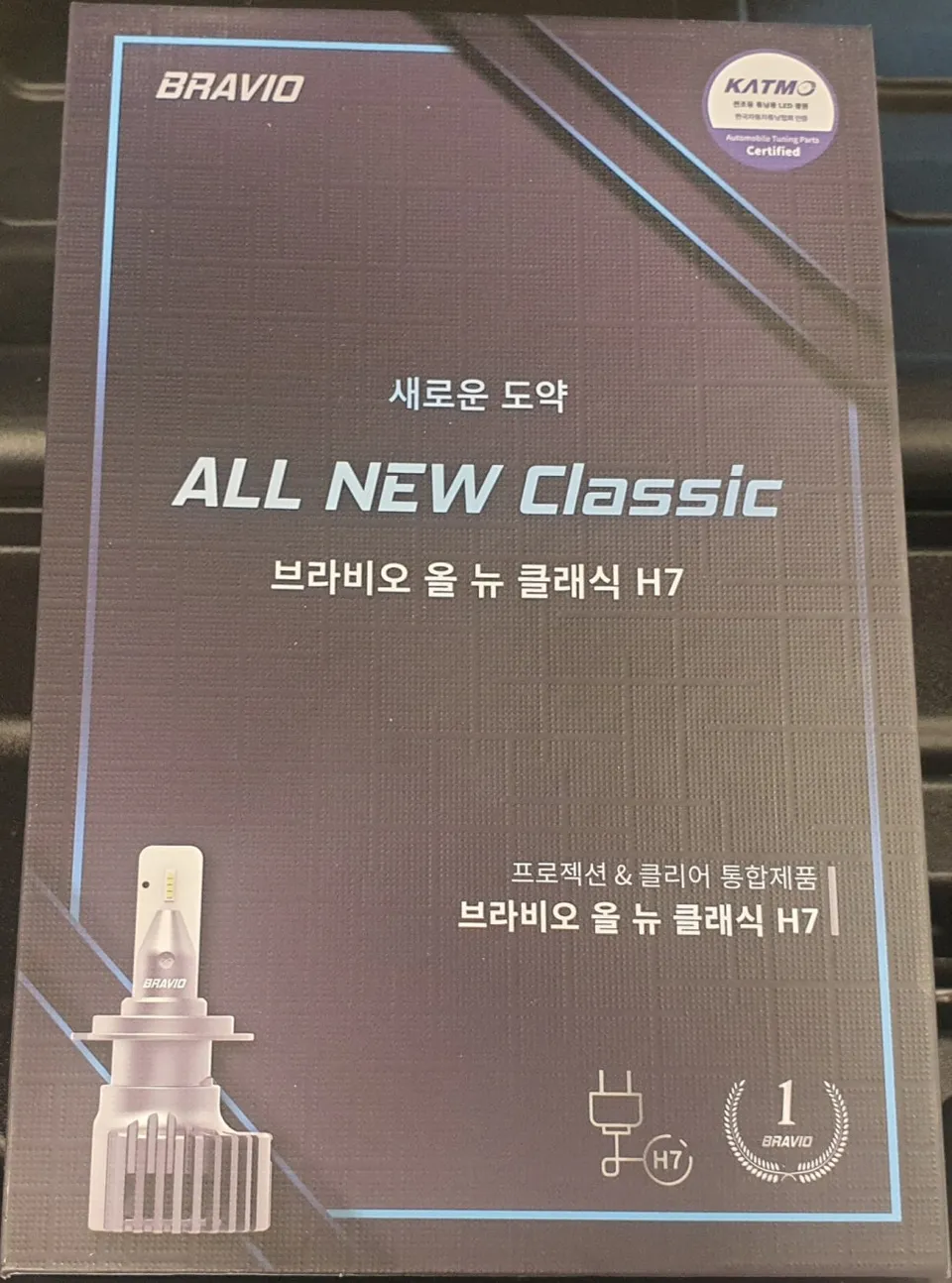
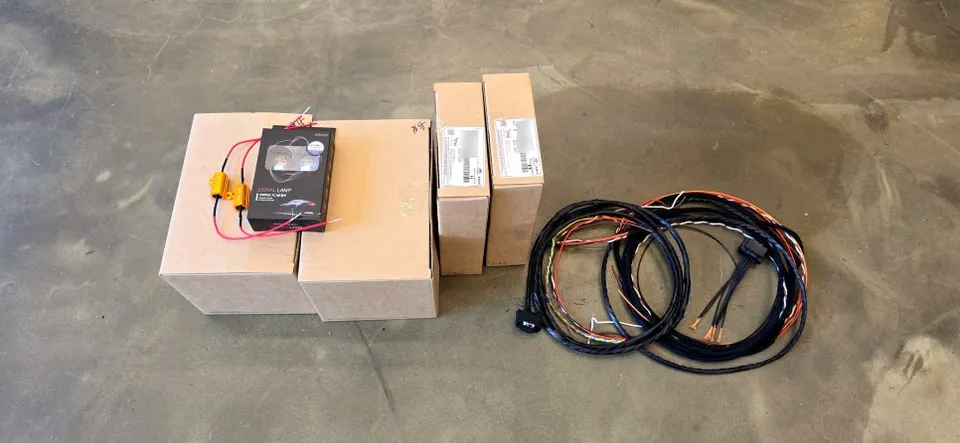
The core of the installation begins at the rear of the vehicle. While the Elantra CN7 N features a distinct, sporty exterior, the BCW system requires precise placement of radar sensors. Many of the specific OEM parts and connectors needed for this retrofit aren't directly supplied by the manufacturer for aftermarket installation, so specialized installers often prepare these themselves. To enhance visibility, especially since the factory turn signals might be bulb-type, the installer may opt to replace them with legally certified LED units, such as those from the Bravio brand, for improved signaling.
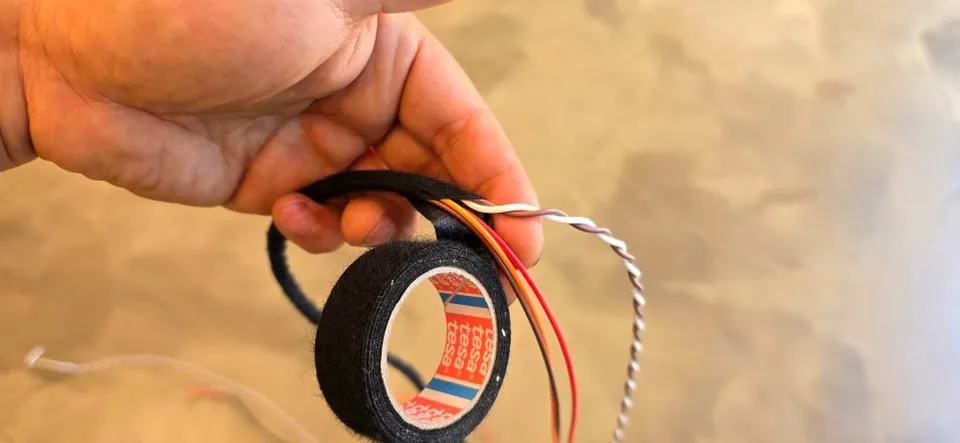
Wiring is a critical component. Cables requiring CAN signal communication are constructed with a twisted-pair design, while standard signal and power lines use a straight configuration. All wiring routed into the cabin is meticulously finished with Tesa tape, a standard practice that ensures a cleaner, more durable installation than some factory methods. This attention to detail guarantees a high-quality finish that often surpasses the original manufacturer's wiring standards.
The side mirrors are the next focus. Vehicles without the factory BCW option lack the integrated warning lights. When a vehicle approaches in the blind spot, these lights illuminate, significantly reducing driver anxiety and the risk of accidents during lane changes. The convenience and peace of mind offered by this feature are substantial during daily driving.
Installation Process:
- Careful removal of the rear bumper to access mounting points for the radar sensors.
- Precise installation and connection of the rear radar modules.
- Routing and connection of the wiring harness throughout the vehicle, including to the side mirror assemblies.
- Integration of the warning indicators into the side mirrors.
- Testing of the system to ensure all components function correctly.
Throughout the process, protective measures like masking are applied to prevent any damage, especially to sensitive components like the taillights, which can be close to the bumper during removal on the CN7 model. This meticulous approach ensures that the vehicle remains in pristine condition.
Results and Added Value
After the installation, your Elantra CN7 will feature the factory Blind-Spot Collision-Avoidance Assist system, functioning exactly as if it were originally equipped. This means you'll receive visual alerts in your side mirrors when a vehicle enters your blind spot, greatly enhancing safety during lane changes and general driving. The system's durability is expected to match that of other OEM components, requiring no special maintenance beyond standard vehicle upkeep. The cost for such a retrofit in Korea typically ranges from ₩400,000 to ₩800,000, which translates to approximately $300 to $600 USD, depending on the specific parts and scope of work. While this is an investment, the added safety, convenience, and potential increase in resale value often make it a worthwhile upgrade for many owners.
Frequently Asked Questions
Q. How much does OEM option and factory upgrade installation cost for a Hyundai Elantra CN7?
In Korea, retrofitting OEM options like Blind-Spot Collision-Avoidance Assist for the Hyundai Elantra CN7 typically costs between ₩400,000 and ₩800,000 (approximately $300-$600 USD). The final price can vary based on the specific components and the extent of the installation.
Q. How long does OEM options installation take on a Hyundai Elantra CN7?
The installation of OEM options, such as the Blind-Spot Collision-Avoidance Assist system on a Hyundai Elantra CN7, generally takes around 3 to 4 hours. Durability is expected to be on par with factory-installed features, requiring no special maintenance beyond regular vehicle care.
Q. Are OEM options worth adding after purchase for a Hyundai Elantra CN7?
Adding OEM options like Blind-Spot Collision-Avoidance Assist can be highly beneficial for drivers who frequently navigate busy roads or change lanes. The enhanced safety and driving convenience often justify the investment, especially for models that omit these features from the factory.
Q. How are OEM factory options installed on a Hyundai Elantra CN7?
OEM factory options are installed by carefully integrating genuine manufacturer parts, such as radar sensors and interior warning lights, along with custom-fabricated wiring harnesses. The process involves removing body panels, precisely mounting sensors, routing wiring, and connecting components to the vehicle's existing systems, followed by thorough testing.
Q. What is the difference between dealer-installed options and aftermarket upgrades for a Hyundai Elantra CN7?
OEM options utilize genuine factory parts and are designed to integrate seamlessly with your Hyundai Elantra CN7's existing systems, often performed by specialized technicians. Aftermarket upgrades, while potentially cheaper, may use non-original parts and might not offer the same level of integration or long-term reliability.
OhCar Partner Shop