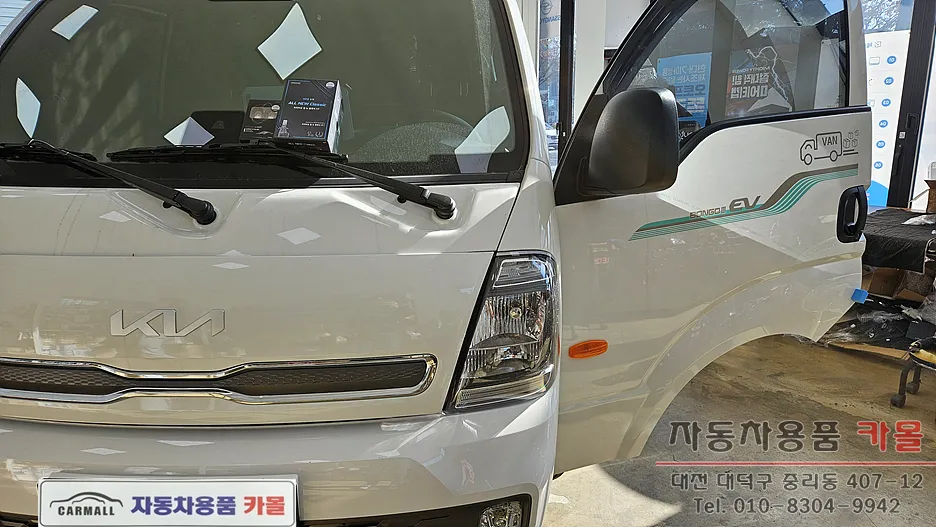
Kia Bongo 3 Cruise Control Retrofit Review
Service Price
$40–80
Estimated price · Actual price may vary by shop
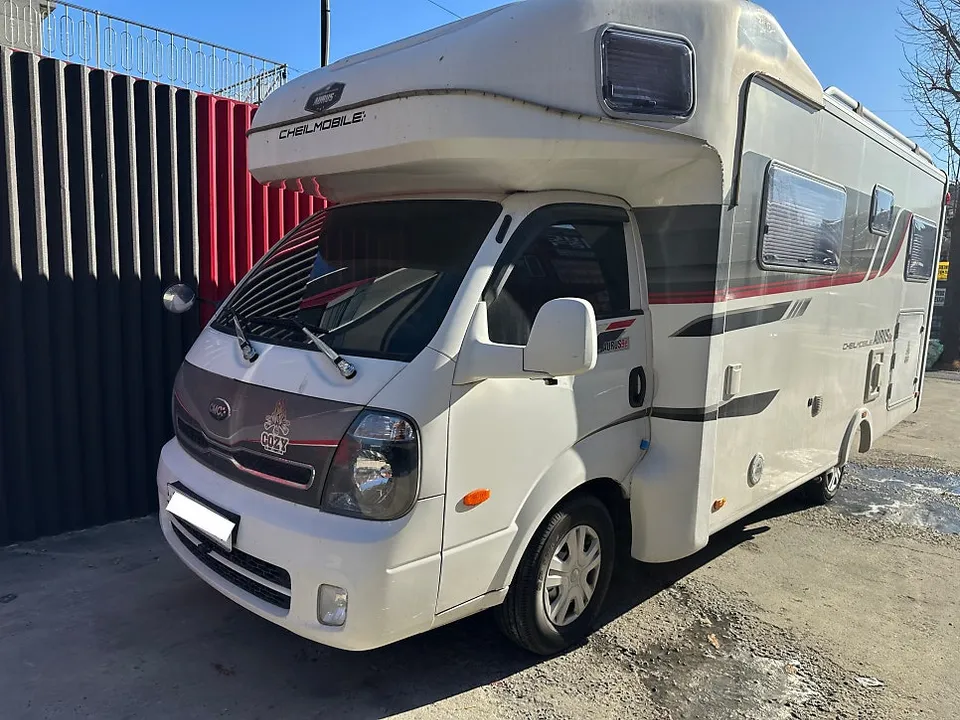
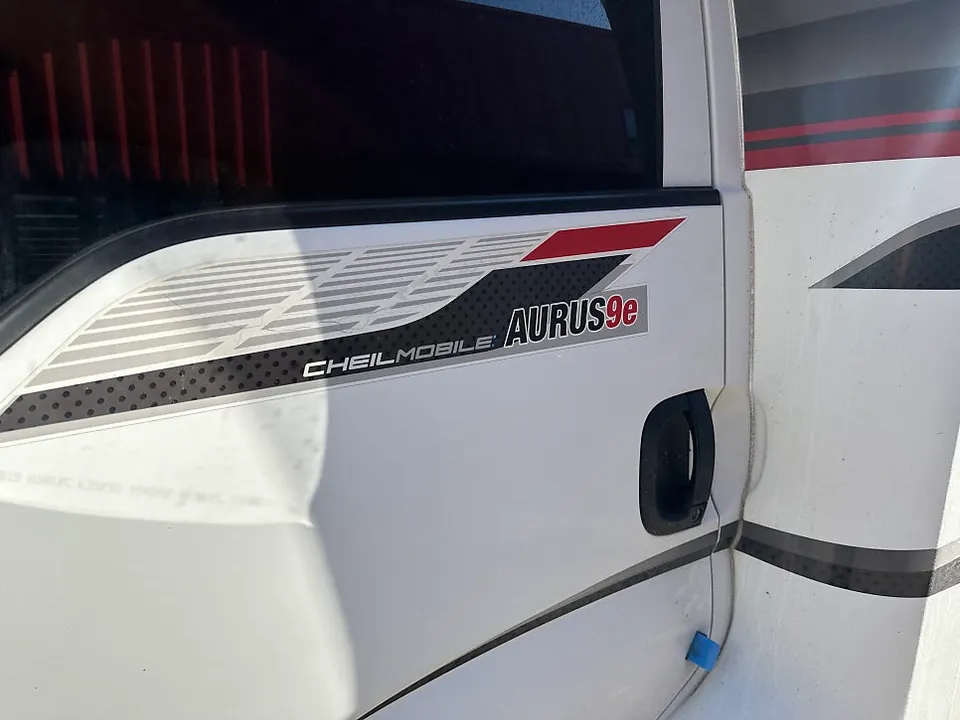
Kia Bongo 3 AP900 cruise control retrofit: ~$40-$80. Adds speed maintenance & memory for comfort.
Enhancing Your Kia Bongo 3 Camper with Cruise Control
Many owners of the 2019 Kia Bongo 3, especially those who have converted their vehicles into campers, often find themselves wishing for a cruise control feature. This is particularly true for models prior to the 2021 model year, where activating factory cruise control is challenging due to limitations in the engine ECU data. For these vehicles, aftermarket solutions like the AP900 cruise control system offer a practical and effective way to add this convenience. This review details the installation and benefits of the AP900 system, a popular choice for Bongo 3 and Porter 2 camper conversions.
What is the AP900 Cruise Control System?
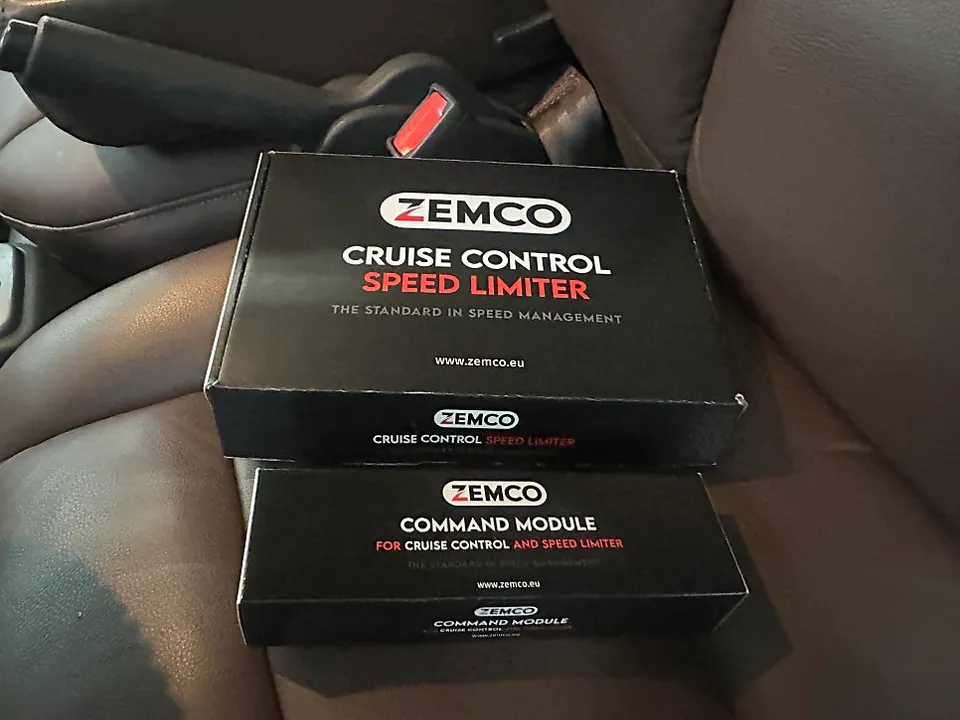
The AP900 is a cruise control unit manufactured by Webasto, a German company known for its automotive accessories. It's a well-regarded system that has been installed on various vehicle types, proving its reliability and performance. The design mimics the lever-style operation found in luxury vehicles like Audi and Mercedes-Benz, making it intuitive and easy to use. Installation typically involves mounting the control lever discreetly below the turn signal stalk. Engaging the system is straightforward: push the lever forward to standby, and once above 40 km/h (approx. 25 mph), pull the lever up to set and maintain your current speed without needing to press the accelerator. This allows for smooth, consistent speed maintenance, similar to an aircraft's cruise mode, reducing driver fatigue on long journeys.
Smart Features and Installation Process
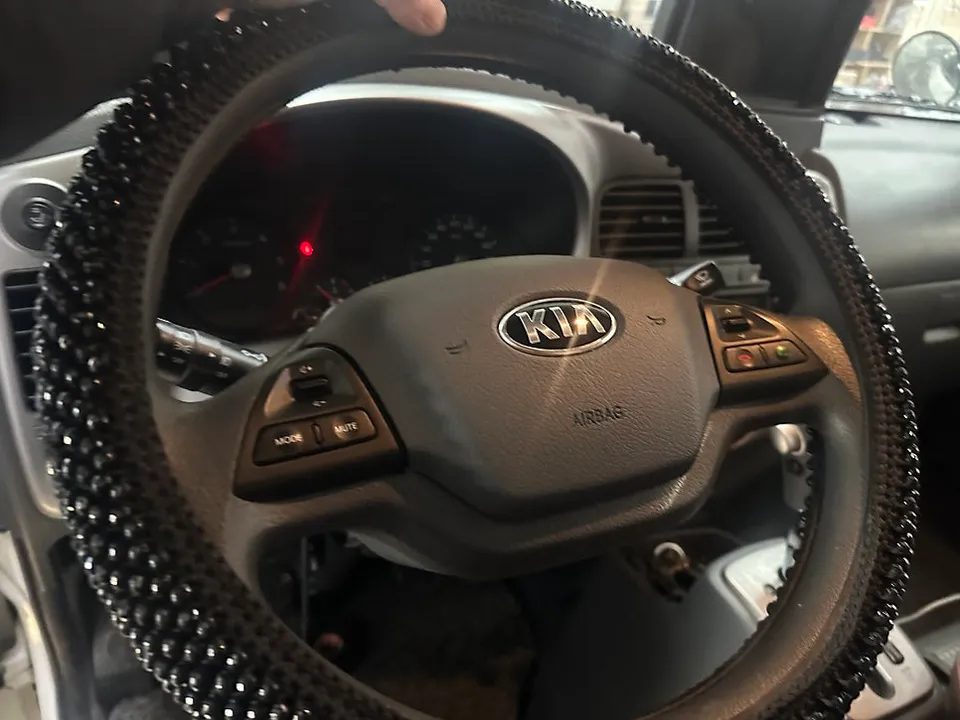
A standout feature of the AP900 is its speed memory function, which isn't always available on factory cruise control systems. This allows drivers to store frequently used speeds on buttons 1 or 2, enabling quick access to settings for variable speed limits or toll zones. Adjusting speed is also precise: a single upward flick of the lever increases speed by 1 km/h, and a downward flick decreases it by 1 km/h. For larger adjustments, holding the lever up or down allows for 10 km/h increments. This level of control contributes to smoother driving and can potentially improve fuel efficiency by minimizing unnecessary acceleration and deceleration, much like a precisely applied powder coating ensures a uniform finish. The installation process for the AP900 typically takes around 2 hours, performed by skilled technicians who ensure all wiring is correctly connected and the control lever is optimally positioned. The original installation described took place at a specialized camper conversion shop in South Korea.
Installation Process:
- Technicians assess the vehicle's ECU and wiring harness compatibility.
- The AP900 control lever is mounted in an ergonomic location, usually near the steering column.
- Wiring is carefully routed and connected to the vehicle's throttle, brake, and speed sensors.
- The system is tested at various speeds to ensure proper function and smooth operation.
Frequently Asked Questions
Q. How much does OEM option and factory upgrade installation cost for a Kia Bongo 3?
The AP900 cruise control system for the Kia Bongo 3 typically costs between $40-$80 USD in South Korea. Actual US installation costs may vary depending on the shop and specific vehicle.
Q. How long does OEM options installation take on a Kia Bongo 3?
The AP900 cruise control installation generally takes about 2 hours to complete. With proper maintenance, the system is designed for long-term durability and reliable performance.
Q. Are OEM options worth adding after purchase for a Kia Bongo 3?
Adding cruise control via the AP900 system is highly beneficial for Kia Bongo 3 owners who frequently drive long distances, especially in camper conversions. It significantly enhances driving comfort and can contribute to better fuel economy.
Q. How are OEM factory options installed on a Kia Bongo 3?
Installation involves mounting a control lever, typically near the steering column. 1. Technicians connect the system to the vehicle's throttle, brake, and speed sensors. 2. Wiring is carefully routed and secured. 3. The system is calibrated and tested to ensure smooth speed maintenance.
Q. What is the difference between dealer-installed options and aftermarket upgrades for a Kia Bongo 3?
Dealer-installed options are typically integrated by the manufacturer or dealership, while aftermarket upgrades like the AP900 are installed by independent specialists. For features not offered from the factory, aftermarket options often provide a more cost-effective and feature-rich solution.
OhCar Partner Shop