Hyundai Elantra MD Factory Option Retrofit Review
Service Price
$40–80
Estimated price · Actual price may vary by shop
Before

After
Process photos

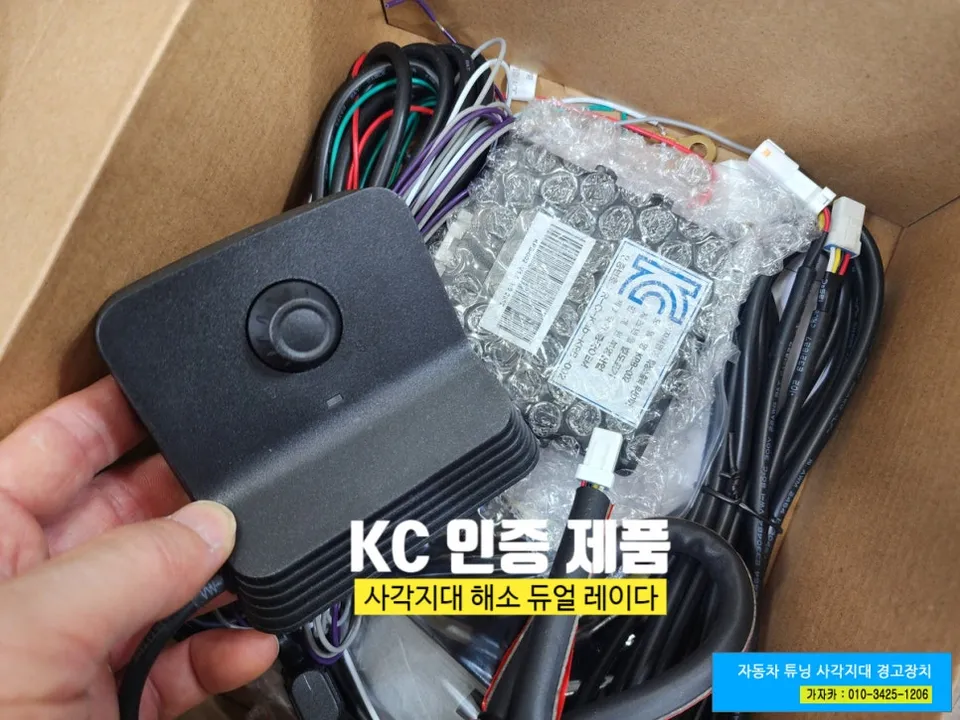
Elantra MD rear blind spot system: $40-$80. Prevents blind spot accidents with radar alerts.
Enhancing Your Hyundai Elantra MD with OEM Rear Blind Spot Monitoring
Driving a Hyundai Elantra MD can be a comfortable experience, but like many vehicles, it may lack advanced safety features such as a rear blind spot monitoring system from the factory. This oversight can leave drivers vulnerable to potential accidents, especially during lane changes. Fortunately, aftermarket solutions and dealer-installed options can bridge this gap, bringing the safety and convenience of OEM-level features to your Elantra MD. This review delves into the installation and benefits of a dual radar rear blind spot warning system, a popular factory option retrofit.
Why a Rear Blind Spot System is Crucial
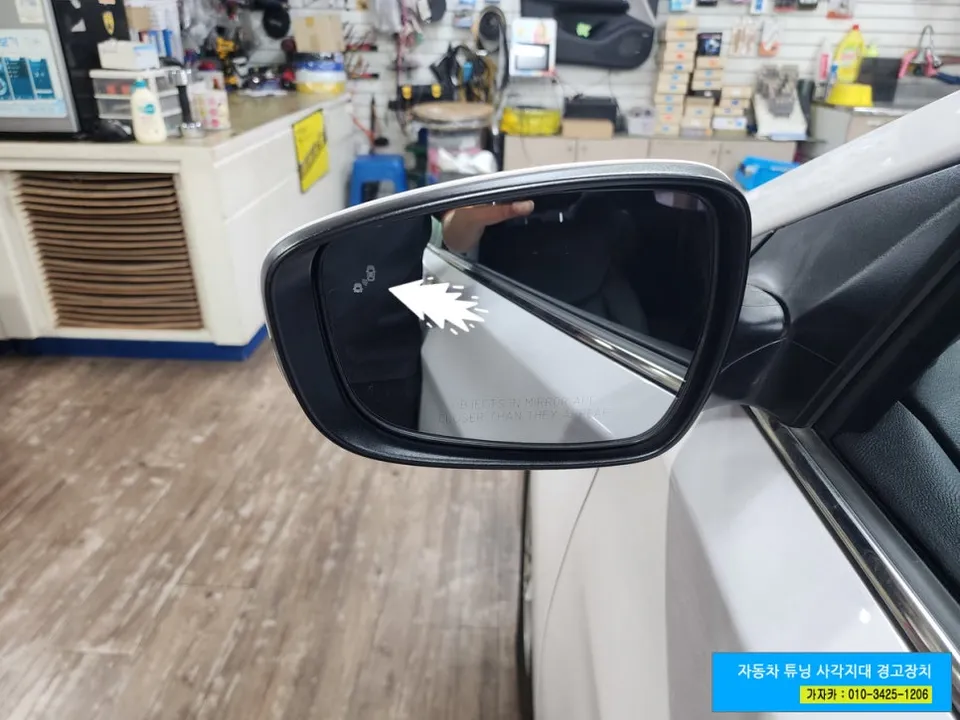
The blind spot is that area around your vehicle that cannot be seen through the mirrors or by looking directly. For the Elantra MD, especially models not equipped with this feature from the factory, these blind spots can pose a significant risk. A rear blind spot warning system utilizes radar sensors, typically mounted on the rear corners of the vehicle, to detect other vehicles approaching or lingering in these unseen zones. When a vehicle is detected, the system alerts the driver, often through an indicator light on the side mirrors and an audible chime, especially if the turn signal is activated. This technology is invaluable for preventing collisions during lane changes and general maneuvering, making it a highly recommended safety upgrade.
Installation Process: Bringing OEM Options to Your Elantra MD
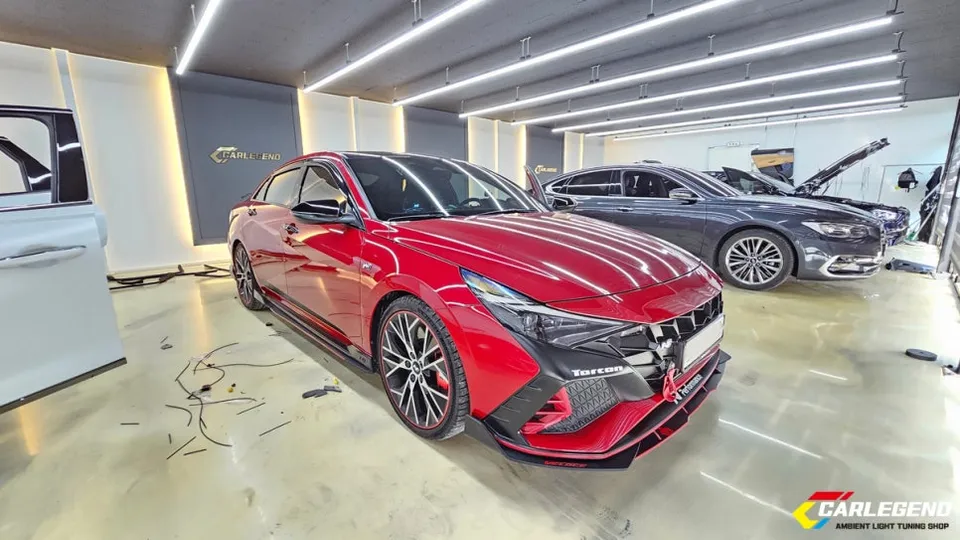
The installation of a dual radar rear blind spot warning system on a Hyundai Elantra MD involves several key steps, transforming the vehicle with a factory upgrade. The process, as performed at a specialist shop in Korea, typically takes around 3 to 4 hours. Here’s a breakdown of the installation process:
- Sensor Mounting: Radar sensors are precisely installed on the rear corners of the vehicle, often near the bumper. These sensors are designed to be discreet and robust, ensuring they withstand driving conditions without affecting the car's aesthetics.
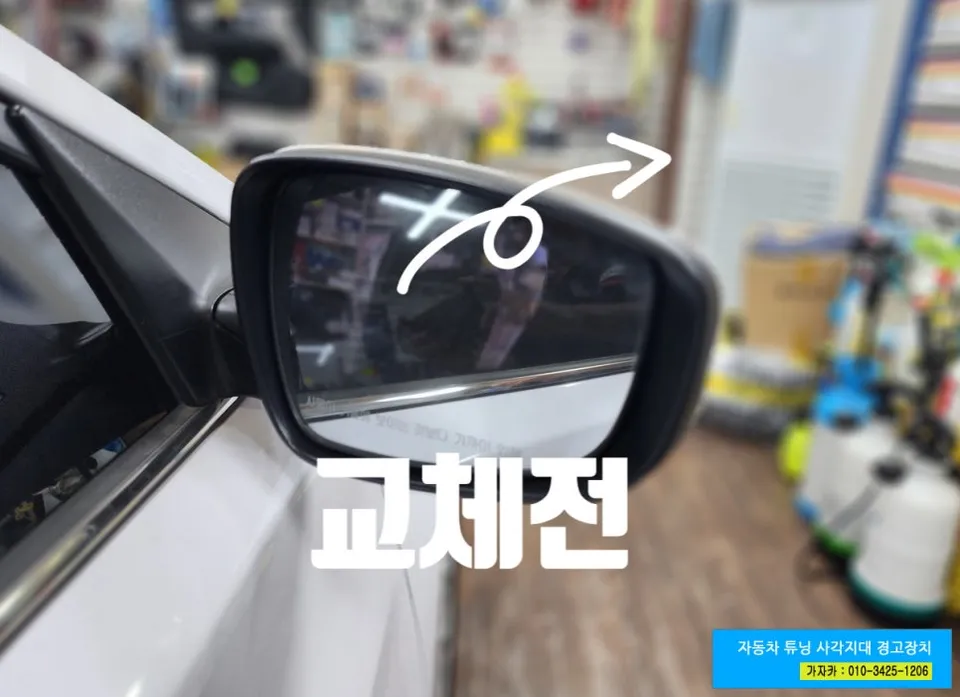
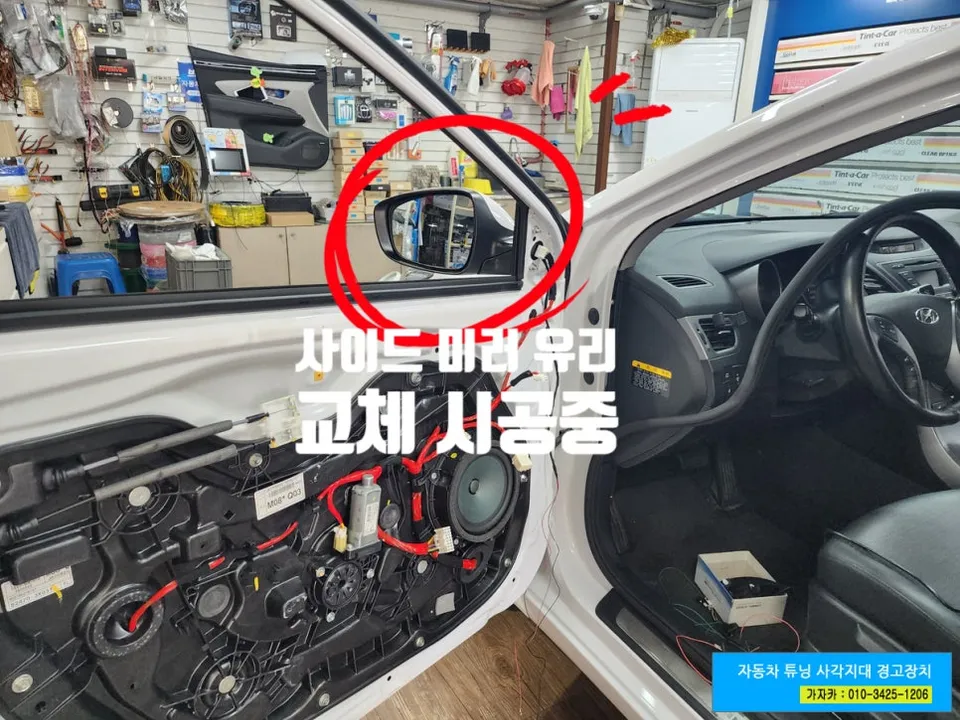
- Mirror Integration: The side mirrors are carefully disassembled. The original mirror glass is replaced with specialized units that incorporate LED warning lights. This ensures the alerts are visible directly in the driver's line of sight.
- Control Unit and Wiring: A central control unit, GPS module, and an alert speaker are connected to the vehicle's electrical system. The wiring is meticulously managed to prevent interference and ensure a clean installation. The GPS module allows the system to activate only at specific speeds, reducing unnecessary alerts.
- Calibration and Testing: After all components are installed and connected, the system undergoes thorough testing. This includes verifying that the radar sensors accurately detect vehicles and that the LED indicators and audible warnings function correctly under various driving scenarios.
The result is a seamless integration that mimics the functionality of a factory-installed option, enhancing both safety and driving confidence. While the original context mentions a price range of approximately ₩40,000-₩80,000 (Korean Won) for this specific installation, in the US, similar dealer option retrofits or aftermarket kits can range from $40 to $80, though professional installation costs would be additional.
Durability, Maintenance, and Value
The dual radar system, once installed, is designed for long-term durability. The sensors are weather-resistant, and the wiring is protected within the vehicle's structure. Maintenance is minimal, typically involving occasional cleaning of the rear sensors if they become obstructed by dirt or debris. The LED indicators within the mirrors are also long-lasting. The value proposition of this upgrade lies in its ability to significantly reduce the risk of accidents related to blind spots. For drivers who frequently change lanes or drive in busy traffic, the peace of mind and enhanced safety provided by this system are well worth the investment. It transforms a standard Elantra MD into a vehicle with advanced safety features comparable to higher trim levels or newer models.
Frequently Asked Questions
Q. How much does OEM option and factory upgrade installation cost for a Hyundai Elantra MD?
The installation cost for this specific rear blind spot system in Korea was approximately ₩40,000-₩80,000. Similar dealer option retrofits or aftermarket kits in the US can range from $40 to $80, not including professional installation fees.
Q. How long does OEM options installation take on a Hyundai Elantra MD?
The installation of a dual radar rear blind spot warning system typically takes about 3 to 4 hours to complete. Once installed, the system requires minimal maintenance, usually just keeping the rear sensors clean.
Q. Are OEM options worth adding after purchase for a Hyundai Elantra MD?
Yes, adding a rear blind spot warning system is highly recommended for drivers who frequently change lanes or navigate busy traffic, as it significantly enhances safety. The peace of mind and accident prevention capabilities make it a valuable upgrade.
Q. How are OEM factory options installed on a Hyundai Elantra MD?
Installation involves mounting radar sensors on the rear corners, replacing side mirror glass with units containing LED warning lights, and connecting a control unit and GPS module. The system is then calibrated and tested for proper function.
Q. What is the difference between dealer-installed options and aftermarket upgrades for a Hyundai Elantra MD?
Dealer-installed options often aim to replicate factory features for a seamless look and function, while aftermarket upgrades can offer similar or even enhanced capabilities. For blind spot monitoring, both can provide significant safety benefits, with the choice often depending on cost and desired integration level.
OhCar Partner Shop