PPF vs Vinyl Wrap — Which Protects Your Car Better?
PPF vs Vinyl Wrap — Which Protects Your Car Better?
When it comes to protecting your vehicle's paint and giving it a fresh new look, two popular options often come up: Paint Protection Film (PPF) and vinyl wraps. While both involve applying a layer of material to your car's exterior, they serve fundamentally different purposes and offer distinct benefits. Understanding the nuances between PPF vs vinyl wrap is crucial for making an informed decision that aligns with your priorities, whether that's ultimate protection, aesthetic customization, or a balance of both. At OhCar Magazine, we've analyzed countless owner experiences to help you navigate this choice.

Understanding Paint Protection Film (PPF)
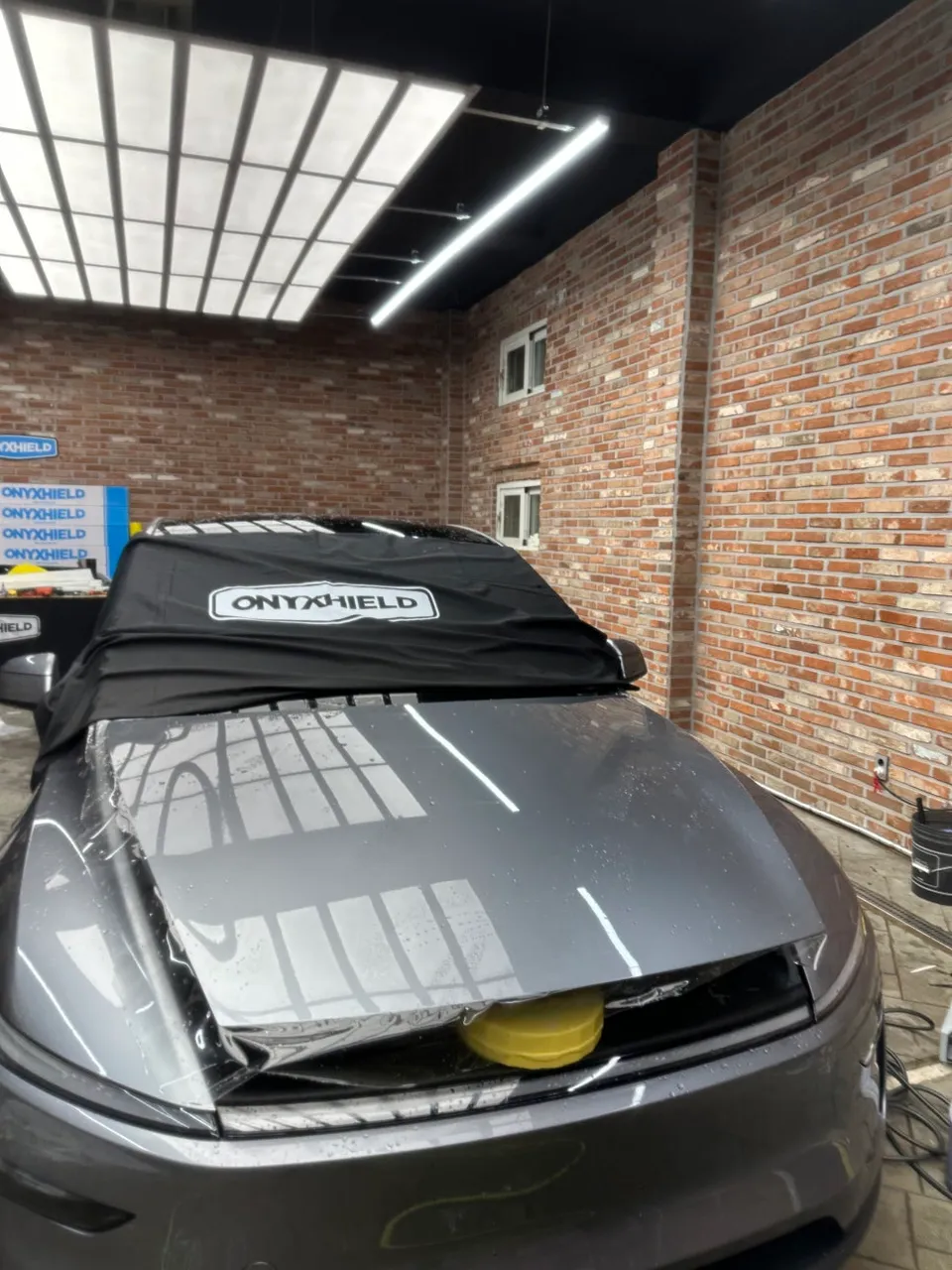
Paint Protection Film (PPF), often referred to as a clear bra, is a transparent, thermoplastic urethane film applied to the painted surfaces of a new or used vehicle. Its primary purpose is to shield the original paintwork from damage caused by everyday driving hazards. Think of it as an invisible shield against:
- Stone chips and road debris: The film absorbs the impact, preventing chips and scratches.
- Scratches and scuffs: Minor abrasions from parking, car washes, or even keys are largely prevented.
- Insect stains and bird droppings: These can etch into paint over time, but PPF acts as a barrier.
- UV damage: Many modern PPFs offer UV inhibitors to prevent paint fading.
- Minor impacts: It can offer some protection against very light bumps and scrapes.
PPF is typically applied to high-impact areas like the front bumper, hood, fenders, and side mirrors, but full car coverage is also an option. The film is self-healing, meaning minor scratches and swirl marks disappear when exposed to heat (like sunlight or hot water).
The Benefits of PPF
- Superior Protection: This is PPF's main selling point. It's designed to be a sacrificial layer, absorbing impacts that would otherwise damage your paint.
- Invisible Shield: High-quality PPF is virtually invisible once applied, maintaining the original look of your car's paint.
- Self-Healing Properties: Minor scratches and swirl marks can disappear on their own, keeping the film looking pristine.
- Gloss Enhancement: Many PPFs actually add a layer of gloss to your paint, making it look even better.
- Longevity: When properly installed and maintained, PPF can last for 5-10 years.
The Drawbacks of PPF
- Cost: PPF is significantly more expensive than vinyl wrap, both in terms of material and installation.
- Limited Aesthetic Changes: While some colored or textured PPFs exist, they are less common and more expensive than standard vinyl. Its primary function is protection, not transformation.
- Installation Complexity: Professional installation is highly recommended due to the film's thickness and the need for a perfect finish.

Understanding Vinyl Wraps
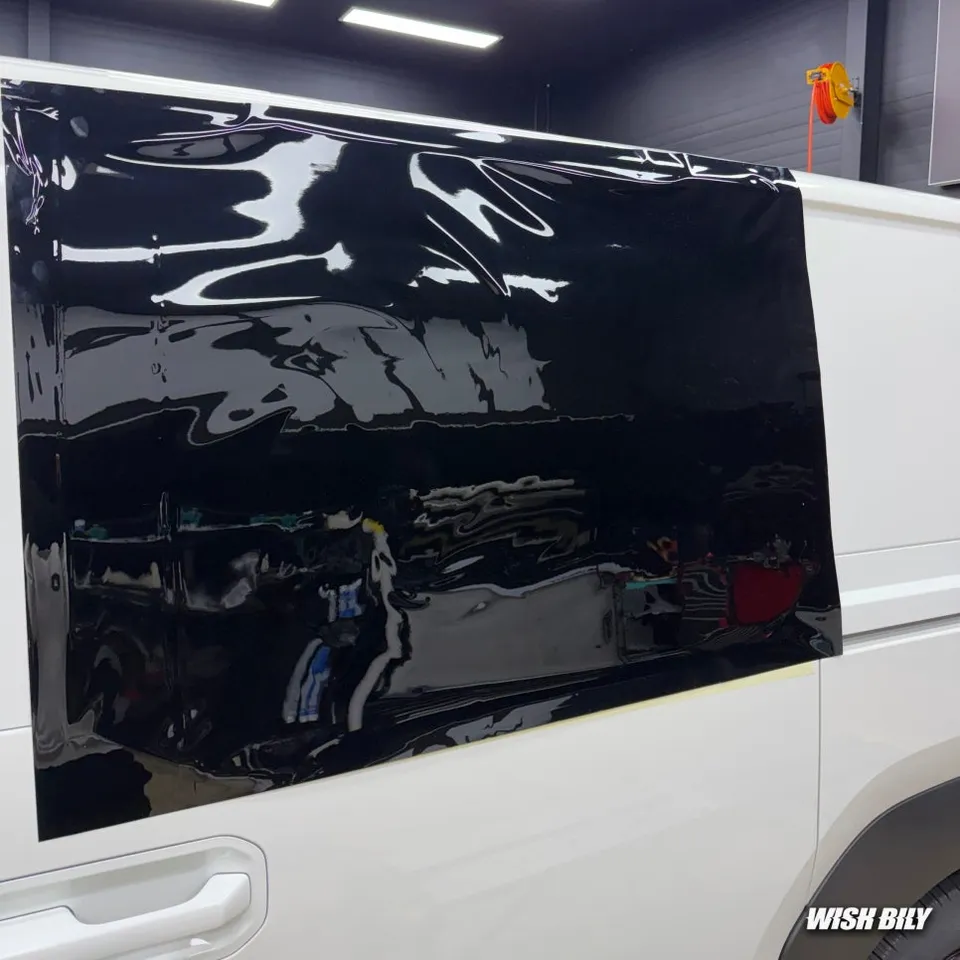
Vinyl wraps are essentially large stickers made from PVC material that are applied to the exterior of a vehicle. While they offer some level of protection, their primary function is aesthetic customization. Vinyl wraps come in an almost endless array of colors, finishes (matte, satin, gloss, chrome, carbon fiber, etc.), and patterns. They are a popular choice for:
- Changing the car's color: A dramatic transformation without repainting.
- Adding custom graphics or designs: Stripes, logos, or full-body graphics.
- Protecting the original paint from minor damage: While not as robust as PPF, vinyl offers a barrier against light scratches, dust, and UV rays.
- Temporary color changes: Ideal for leased vehicles or those who like to change their car's look frequently.
Vinyl wraps are thinner than PPF and generally do not have self-healing properties. They are also more susceptible to damage from sharp objects or significant impacts.
The Benefits of Vinyl Wraps
- Vast Customization Options: The biggest advantage is the sheer variety of colors and finishes available.
- Cost-Effective Aesthetic Change: Significantly cheaper than a professional paint job or colored PPF.
- Protection from Minor Damage: Offers a good layer of defense against light scratches, dust, and UV fading.
- Reversibility: Vinyl wraps can be removed, returning the car to its original paint condition.
- Shorter Installation Time: Generally quicker to install than PPF, especially for simpler designs.
The Drawbacks of Vinyl Wraps
- Limited Protection Against Impacts: Not designed to withstand stone chips or significant abrasions.
- Durability Concerns: Can be more prone to tearing, bubbling, or lifting, especially with lower-quality materials or improper installation.
- Shorter Lifespan: Typically lasts 3-7 years, depending on the quality of the vinyl and environmental exposure.
- Potential for Paint Damage Upon Removal: If the original paint is already compromised or the wrap is left on for too long, removal can sometimes pull off paint.
PPF vs Vinyl Wrap: A Direct Comparison
To clearly illustrate the differences between PPF vs vinyl wrap, let's break down their key attributes:
| Feature | Paint Protection Film (PPF) | Vinyl Wrap |
|---|---|---|
| Primary Purpose | Paint Protection | Aesthetic Customization |
| Material Thickness | Thicker (typically 6-8 mil) | Thinner (typically 3-4 mil) |
| Protection Level | High (stone chips, scratches, impacts) | Moderate (light scratches, UV, dust) |
| Self-Healing | Yes (for minor scratches/swirls) | No |
| Aesthetic Options | Primarily clear; some colored/matte options available | Vast array of colors, finishes, patterns |
| Cost | Higher ($$$) | Lower ($$) |
| Lifespan | 5-10 years | 3-7 years |
| Installation | Requires expert installation | Professional or DIY possible (quality varies) |
| Gloss/Finish | Maintains or enhances original gloss | Can alter gloss (matte, satin, gloss finishes) |
Cost Considerations: PPF vs Vinyl Wrap Pricing
The cost is often a major deciding factor when choosing between PPF and vinyl wrap. Based on 50 owner reviews on OhCar, the average cost for a full vehicle wrap can range from $60 to $133, with an average of $97. However, this figure typically refers to vinyl wraps. PPF is considerably more expensive.
Vinyl Wrap Pricing:
- Partial Wrap (e.g., front bumper, hood): $300 - $800
- Full Vehicle Wrap: $2,000 - $5,000+
- Specialty Finishes (chrome, carbon fiber): Can add $1,000 - $3,000+ to the total cost.
PPF Pricing:
- Partial Front End (hood, fenders, bumper): $1,000 - $2,500+
- Full Vehicle PPF: $5,000 - $10,000+
- Colored PPF: Often priced similarly to clear PPF, sometimes slightly higher.
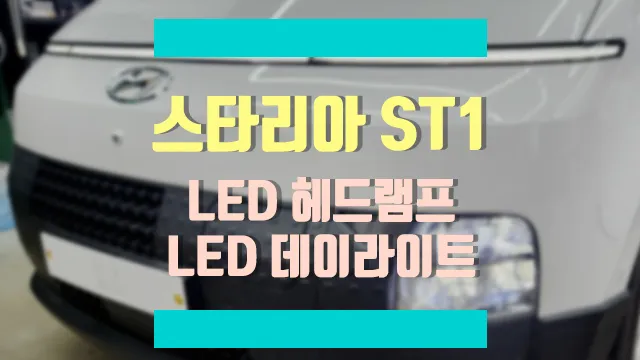
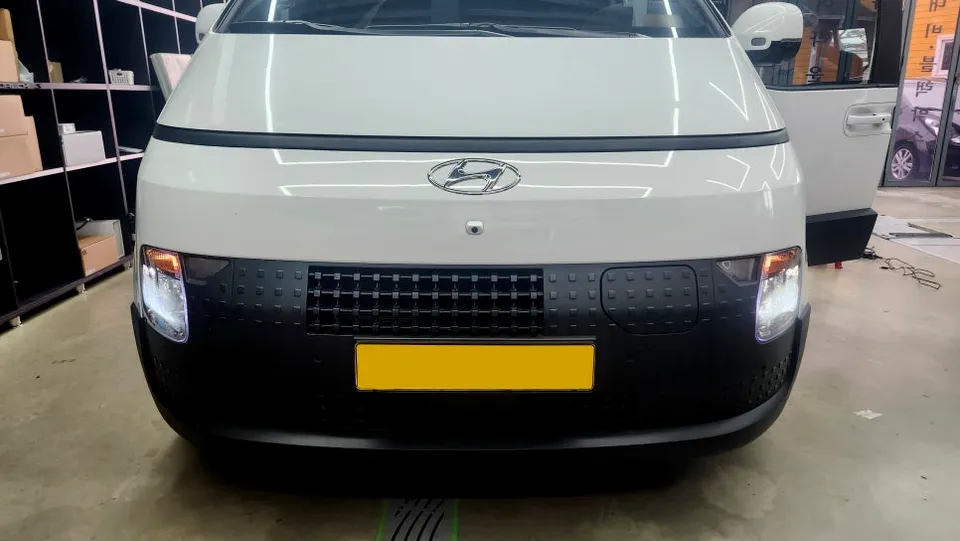
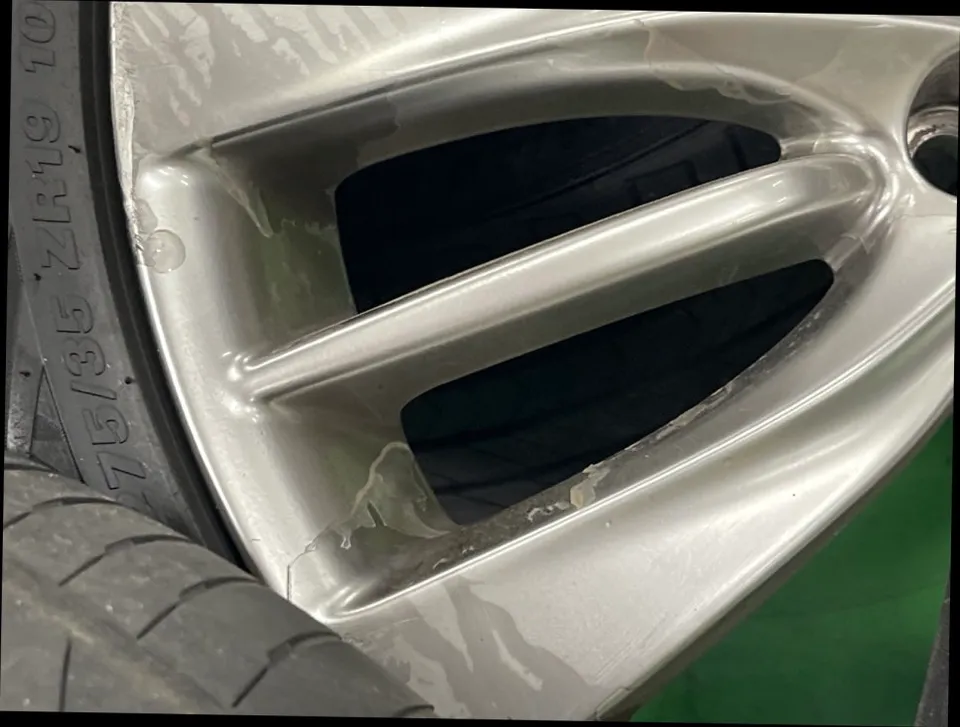
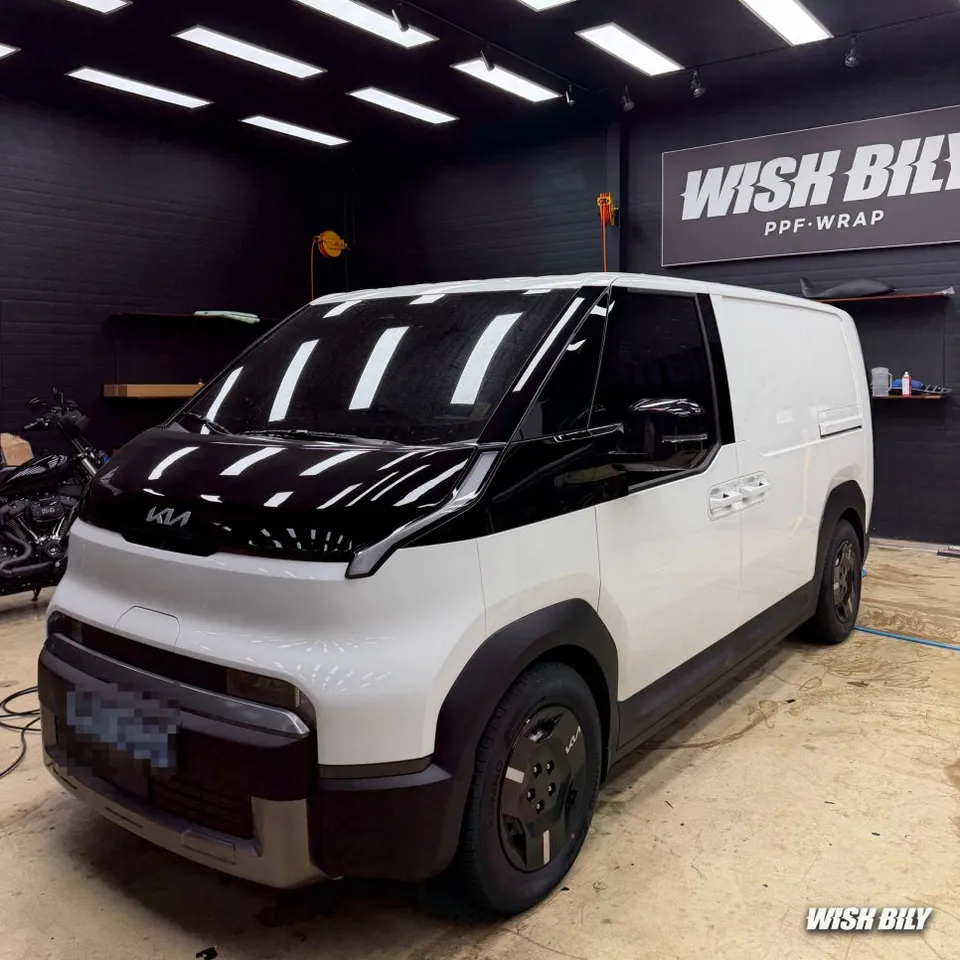
It's important to note that these are general estimates. The final price depends heavily on the vehicle's make and model (e.g., a complex design like a 2024 Kia Sorento or a Genesis G80 might incur higher costs than a simpler vehicle), the quality of the material used, and the installer's labor rates. For instance, reviews on OhCar mention pricing for services like wheel refinishing for a Genesis G80 starting at $150+, and lighting upgrades for a Hyundai Staria ST1 ranging from $75–$115, indicating the variability in automotive customization costs.
Installation: DIY vs Professional
When it comes to PPF vs vinyl wrap installation, the approach differs significantly.
PPF Installation
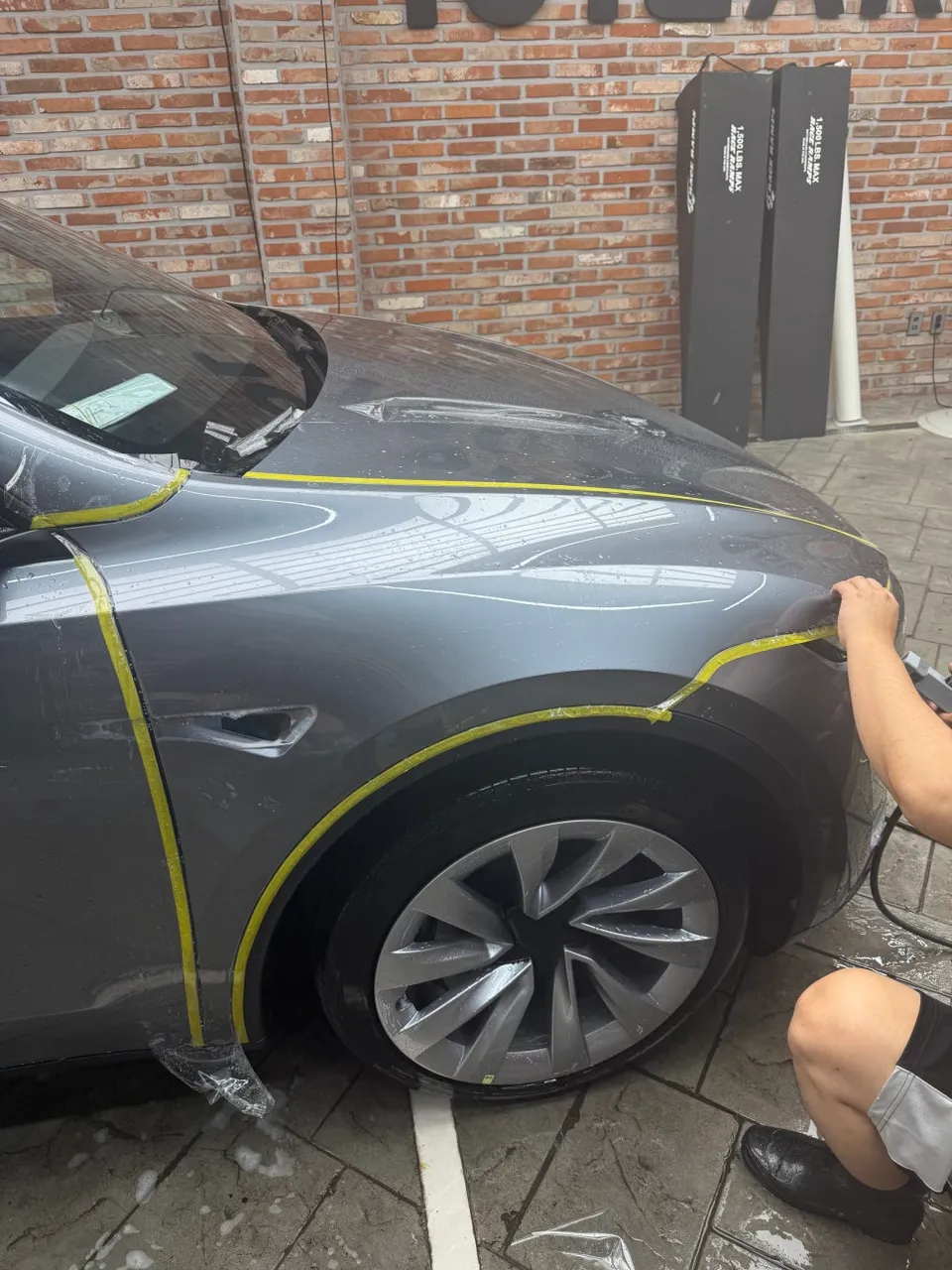
Due to its thickness, complexity, and the high cost of the material, PPF installation is almost always best left to professionals. Mistakes can be costly, leading to bubbles, wrinkles, or even damage to the underlying paint. Professional installers have the tools, experience, and controlled environment (like a clean bay) necessary to achieve a flawless finish. They also understand how to properly cut and apply the film around curves and edges.
Vinyl Wrap Installation
Vinyl wraps can be a DIY project for the very experienced and patient individual, especially for simpler applications like chrome delete or small accent pieces. However, for a full vehicle wrap, professional installation is highly recommended to ensure a smooth, bubble-free, and long-lasting finish. The complexity of wrapping curves, door jambs, and intricate body lines requires significant skill. Poor installation can lead to peeling, lifting, and an unsightly appearance.
For those considering DIY, it's crucial to research thoroughly and practice on scrap material. However, for a premium look and peace of mind, professional installation is the way to go. Check out our OhCar Magazine for more insights into automotive detailing and customization.
Which is Right for You? PPF vs Vinyl Wrap Scenarios
The choice between PPF and vinyl wrap boils down to your primary goals:
Choose PPF if:
- Your top priority is protecting your car's original paint from chips, scratches, and environmental damage.
- You want to maintain the factory finish of your new or high-value vehicle.
- You are less concerned with changing the car's color and more focused on preserving its current look.
- You have the budget for a premium protection solution.
- You want the peace of mind that comes with self-healing properties.
Choose Vinyl Wrap if:
- Your main goal is to change the appearance of your car with a new color, finish, or graphics.
- You want a cost-effective way to update your car's look.
- You need protection against minor cosmetic damage like light scratches and UV fading.
- You are considering a temporary color change or want the option to revert to the original paint easily.
- You are on a tighter budget for aesthetic modifications.
It's also worth noting that you can combine both! Many owners opt for PPF on high-impact areas (front end) and then use a vinyl wrap for the rest of the car to achieve a custom look while still getting essential protection where it's needed most. This hybrid approach offers a good balance of protection and customization.
Maintenance and Care
Both PPF and vinyl wraps require proper care to maximize their lifespan and appearance.
PPF Care
- Washing: Hand wash your car regularly using pH-neutral soap and a microfiber mitt. Avoid abrasive brushes or harsh chemicals.
- Drying: Pat dry with a clean microfiber towel or use a leaf blower.
- Waxing/Sealants: Most PPFs are compatible with spray waxes and sealants designed for PPF. Avoid traditional waxes that contain harsh abrasives or silicones.
- Self-Healing: Minor scratches will heal with sunlight or warm water. For deeper scratches, consult a professional.
Vinyl Wrap Care
- Washing: Similar to PPF, hand washing with mild soap is best. Avoid high-pressure washers, especially near edges, as they can lift the wrap.
- Drying: Use a clean microfiber towel.
- Waxing/Sealants: Use products specifically designed for vinyl wraps. Avoid waxes that can stain or damage the vinyl.
- Avoid Harsh Chemicals: Solvents, abrasive cleaners, and degreasers can damage the vinyl.
For more in-depth care instructions, consider comparing PPF with other protective options like ceramic coatings in our PPF vs Ceramic Coating comparison article.
Conclusion: Making the Right Choice for Your Car
When deciding between PPF vs vinyl wrap, the key is to understand their core strengths. PPF is the undisputed champion for paint protection, offering a robust, self-healing barrier against the rigors of the road. Vinyl wrap excels in aesthetic transformation, providing a vast canvas for customization at a more accessible price point.
If preserving your car's original paint and protecting it from damage is paramount, invest in PPF. If you're looking to change your car's look dramatically, express your personality, or simply refresh its appearance on a budget, a vinyl wrap is likely the better choice. For many, a combination of both offers the ideal solution, maximizing protection in vulnerable areas while allowing for creative expression elsewhere.
Ultimately, both PPF and vinyl wraps can enhance your car ownership experience, but they serve different masters. Choose wisely based on your priorities, budget, and desired outcome.
Comments (2)
Honestly, I went with PPF on my Model 3, mostly for the front end. It's pricey, but the peace of mind on the freeway here in LA is worth it for those inevitable rock chips. Vinyl looks cool but doesn't offer the same level of scratch resistance, IMO.
Interesting breakdown! I've always leaned towards PPF for the front end of my weekend cruiser, especially after a few rock chips on the highway. Vinyl's cool for a color change, but for pure protection, PPF is hard to beat.

Explore Related Services on OhCar