Hyundai Elantra MD Window Tinting Review — Before & After
Service Price
$approx. $400–800
Estimated price · Actual price may vary by shop
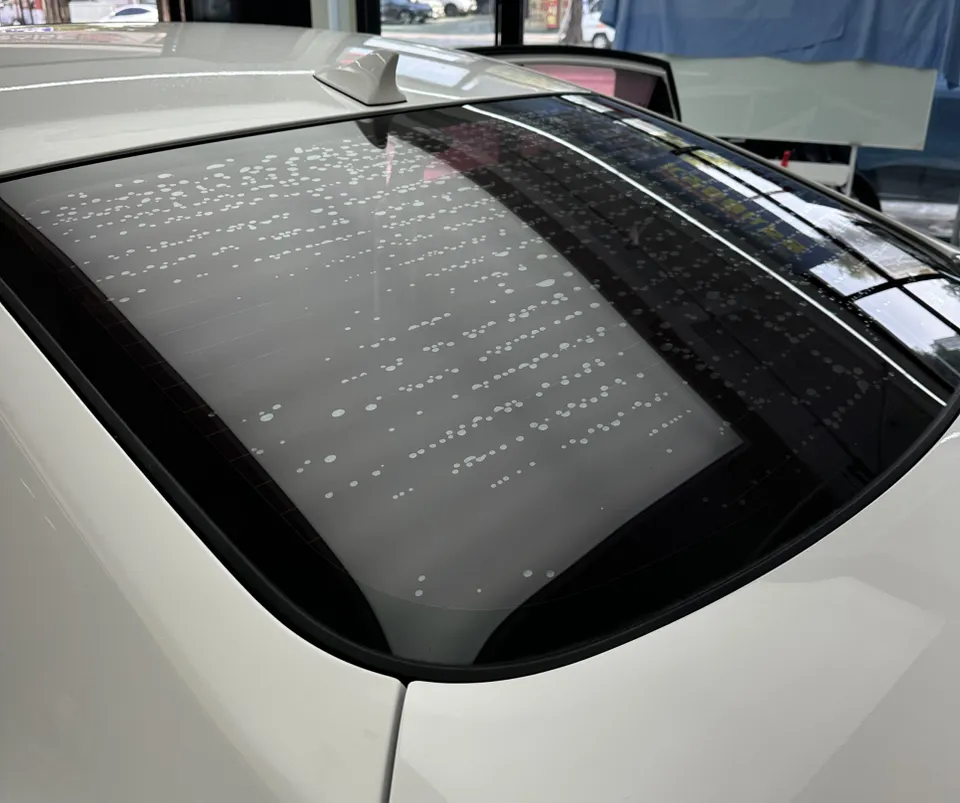
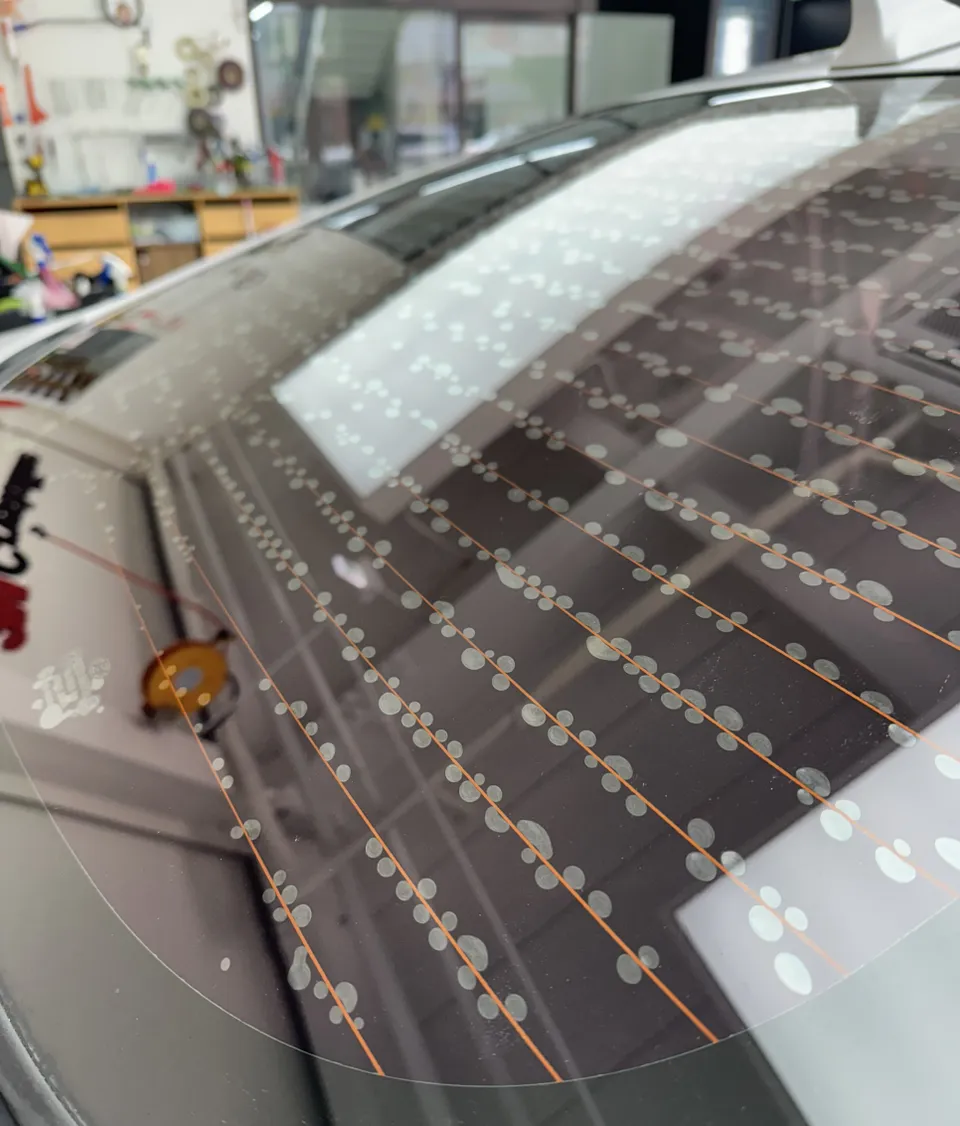
Hyundai Elantra MD rear window tinting service fixes bubbles and fading for improved visibility and safety.
Understanding Rear Window Tint Issues on Your Hyundai Elantra MD
Are you experiencing discomfort while driving due to bubbles forming in your rear window tint film? Discolored, faded, or purplish tint isn't just an aesthetic issue; it can compromise safe driving and even affect your health. This review details a case where an Elantra MD owner visited our Gwangju location seeking a solution for rear window tint bubbles and discoloration. Older tint films can naturally develop bubbles or fade over time, a common problem in vehicles like the Elantra MD. As seen in the images, lifted and purplish-tinted film goes beyond looks. Such aged films fail to provide adequate heat and UV protection. More critically, they can obstruct rear camera recording and potentially release gases trapped between the film and glass into the cabin, posing health risks. If you notice bubbles or discoloration on your rear window tint, prompt reapplication is the wisest course of action.
Expert Tint Removal Without Damaging Rear Defrosters
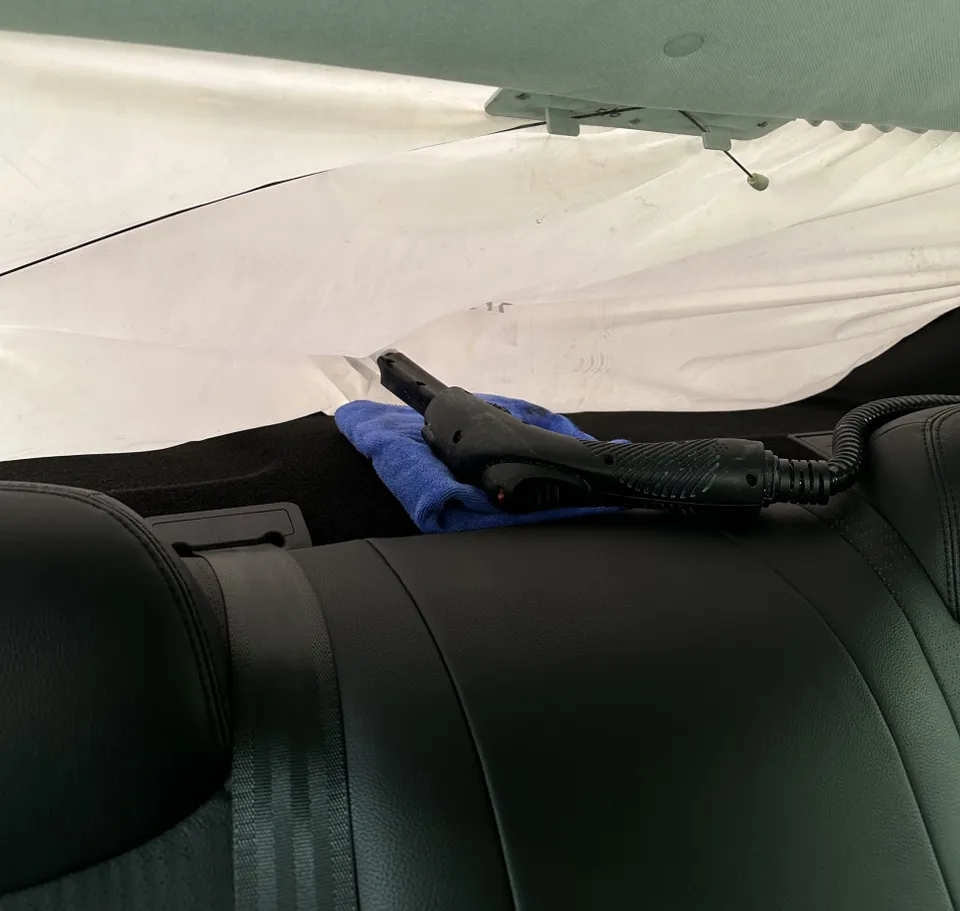
Removing rear window tint requires extreme caution due to the delicate defroster lines. Damaging these can lead to issues with your rear camera or the defroster function itself. At our Gwangju facility, we utilize patented professional equipment to safely remove old film without harming the defroster. The process begins by thoroughly steaming the film to soften the adhesive. Covering the area with a towel helps retain heat, allowing about 25-30 minutes of detailed steaming. This makes the film pliable, enabling clean removal with minimal force. Afterward, any sticky residue left on the glass and defroster lines is meticulously cleaned using specialized chemicals, and surrounding areas are cleared of any dust.
Hyundai Elantra MD Tint Reapplication: A Flawless Finish
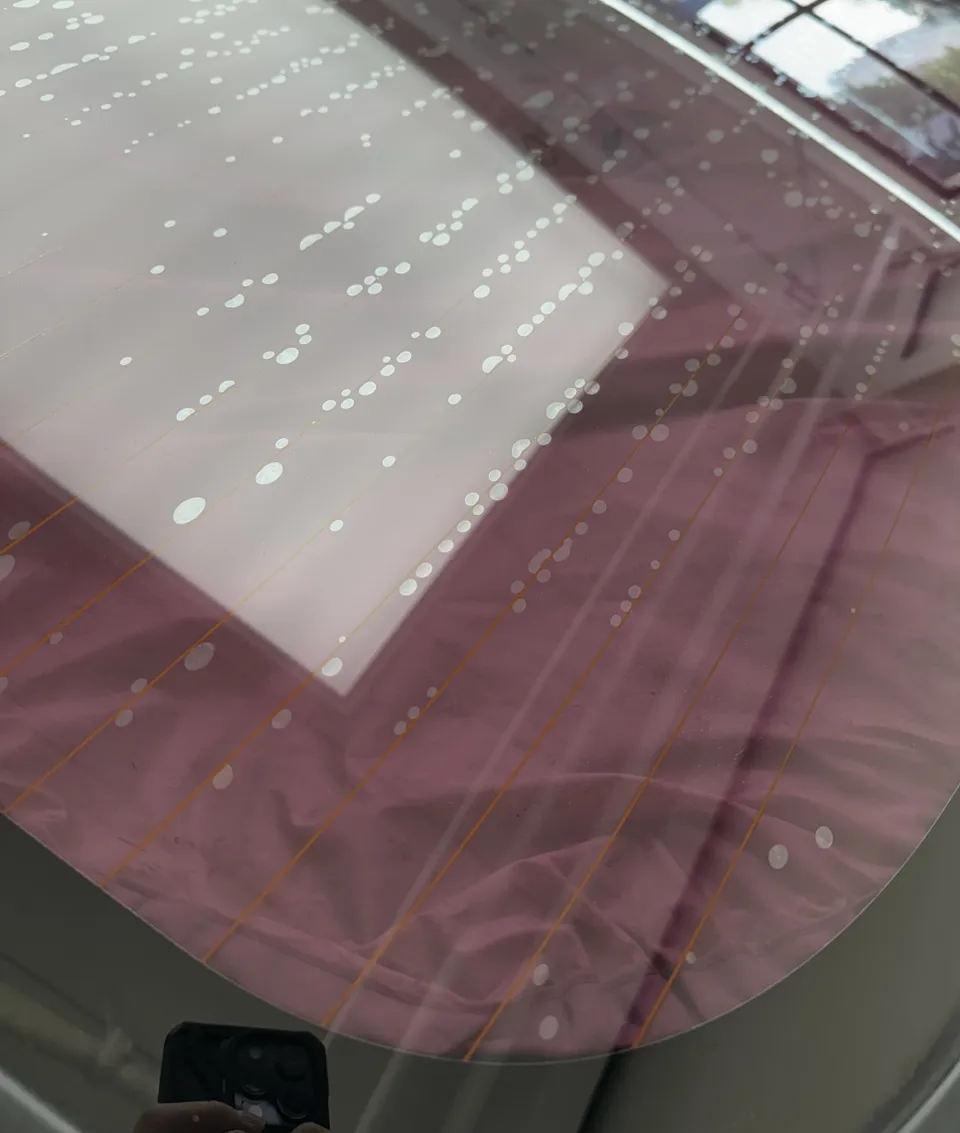
Once the old tint is removed and the glass is cleaned, preparation for the new tint application begins. The rear window's significant curvature compared to the front windshield necessitates careful heat shaping of the film on the exterior to ensure a perfect fit. Overheating can cause the film's edges to lift, so precise, controlled heat application is crucial. We establish film guide lines first, simplifying the cutting and heat-shaping process for a cleaner result. This technique ensures the film adheres perfectly to the glass edge without lifting. Following precise heat shaping and cutting, the film is applied with intense focus, and moisture is thoroughly removed from between the defroster lines. A high-quality result depends on the perfect synergy of removal, cleaning, application, and heat shaping.
Comparing the before and after photos reveals a dramatically cleaner rear window, free from fading and bubbles. Visibility from the inside looking out is also significantly improved. Rear window tinting is more than just applying color; it's integral to driving quality, safety, and passenger health through visibility, heat rejection, and UV protection. Neglecting bubbles or discoloration can lead to greater inconvenience and risks. If issues arise, consult a professional for reapplication without delay.
Pricing Note: While this service was performed in Gwangju, Korea, typical professional window tinting costs in the US can range from $150-$500 depending on the vehicle, film type, and number of windows.
Frequently Asked Questions
Q. How much does window tinting cost for a Hyundai Elantra MD?
The service performed in Korea addressed rear window tint issues; typical professional window tinting costs in the US range from $150-$500 depending on the vehicle and film type.
Q. How long does car window tint last?
High-quality window tint films are designed to last for many years, often a decade or more, resisting fading and bubbling with proper care. Basic maintenance involves gentle cleaning with ammonia-free solutions and avoiding abrasive materials.
Q. Is ceramic tint worth the extra cost for a Hyundai Elantra MD?
Ceramic tint is highly recommended for those prioritizing maximum heat rejection and UV protection without compromising visibility. It offers superior performance over traditional dyed or metallic films, making it a worthwhile investment for comfort and protection.
Q. How is window tint installed on a Hyundai Elantra MD?
Installation involves meticulously cleaning the glass, precisely cutting and heat-shaping the film to match the window's contours, and carefully applying it to the glass surface. Finally, all water and air are squeegeed out from under the film, especially between defroster lines.
Q. What is the difference between ceramic and dyed window tint for a Hyundai Elantra MD?
Ceramic tint uses non-metallic ceramic particles to block heat and UV rays without interfering with electronics, offering superior performance and durability. Dyed tint uses coloring agents that can fade over time and offer less heat rejection, making ceramic the better long-term choice.
OhCar Partner Shop
More window tinting Reviews
See all →

More Hyundai Reviews
Pair with Another Service
Protect paint while you're at the shop
Add gloss and protection