Hyundai Tucson Window Tinting Review — Cost & Results
Service Price
$approx. $400–800
Estimated price · Actual price may vary by shop
Before
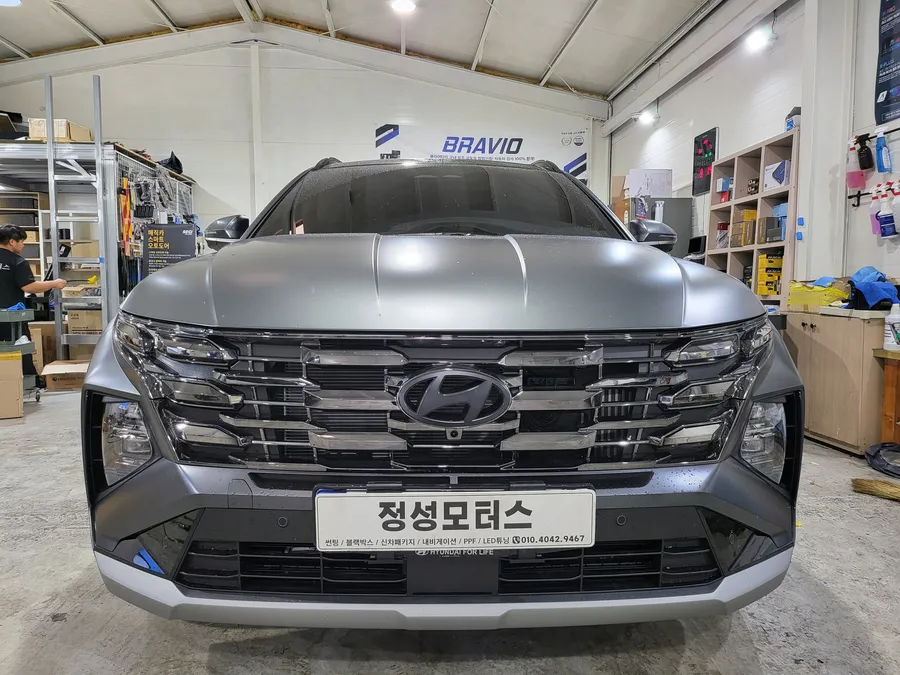
After
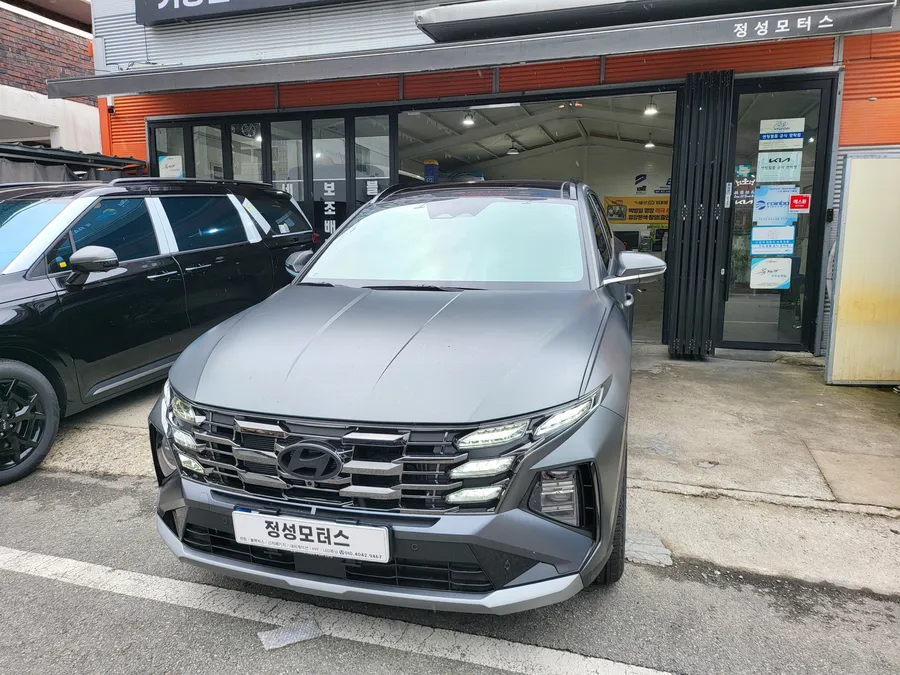
Process photos
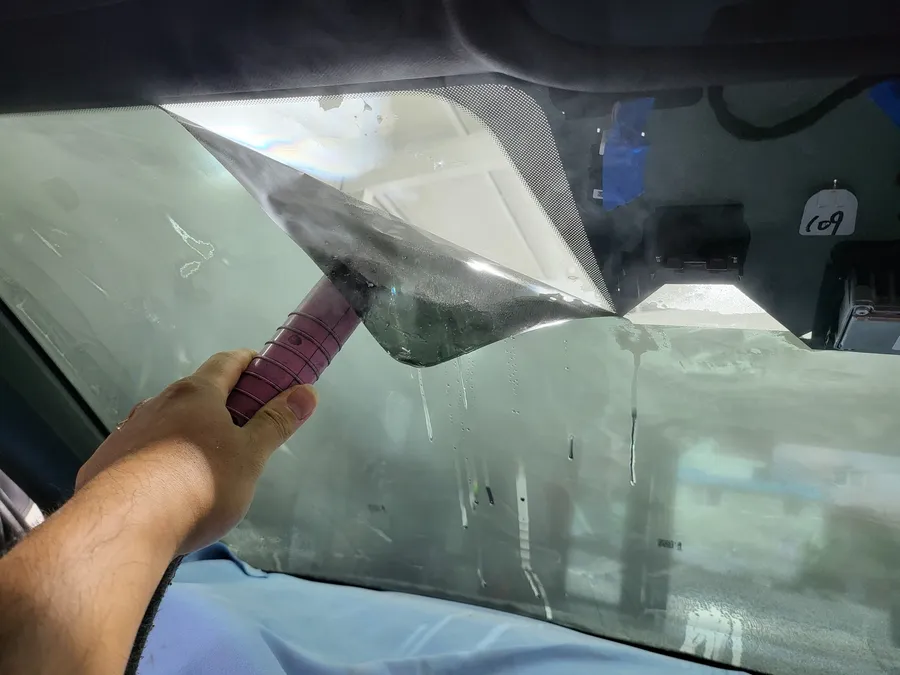
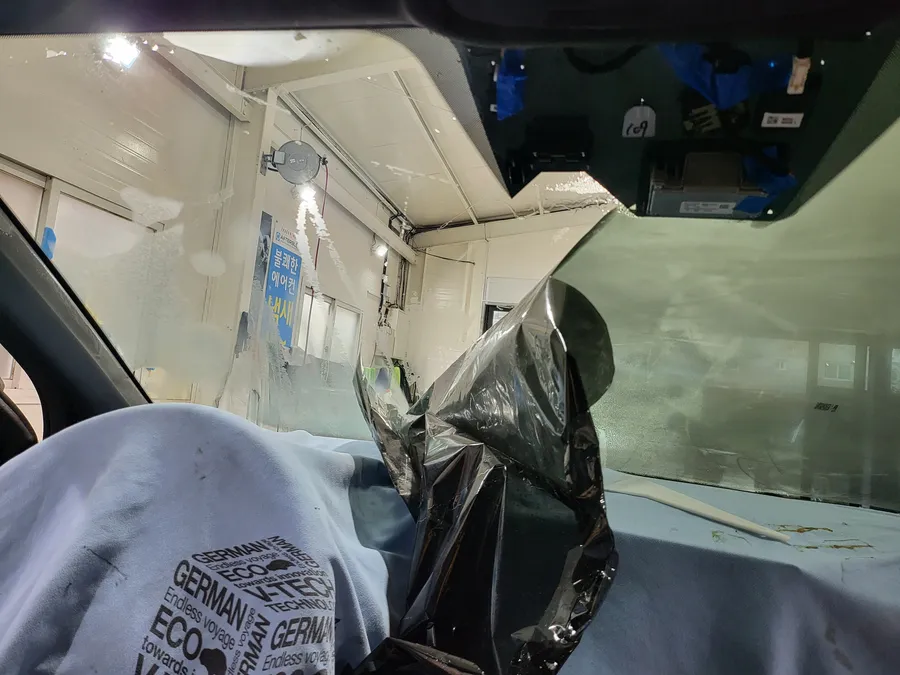
Hyundai Tucson window tinting with Anigard AP80R: approx. $200-$450 USD. Improved heat rejection and privacy.
Hyundai Tucson Window Tinting: A Refreshing Upgrade
Many new car owners find themselves contemplating a tinting refresh, especially if the initial dealership-provided tint doesn't meet expectations. This was the case for a Hyundai Tucson owner who sought to improve their vehicle's comfort and aesthetics. Dissatisfied with the factory tint's performance, they opted for a full re-tint using Anigard AP80R film. This review details the process, the results, and whether this upgrade is worth the investment for your Tucson.
Why Consider a Window Tinting Re-application?
Dealer-installed tints are often a basic service, and their performance in terms of heat rejection and UV protection can be underwhelming. For this Hyundai Tucson owner, the existing tint wasn't effectively combating the summer heat, leading to a less comfortable cabin and insufficient UV protection for occupants. When the original tinting falls short in functionality or quality, a professional re-application can be a superior long-term solution. The key is to select a film with specific performance metrics like Infrared Rejection (IRR) and Ultraviolet (UV) blocking capabilities, rather than just focusing on brand or price. This owner specifically looked for a film that offered both style and substance.
Anigard AP80R Installation Process & Results
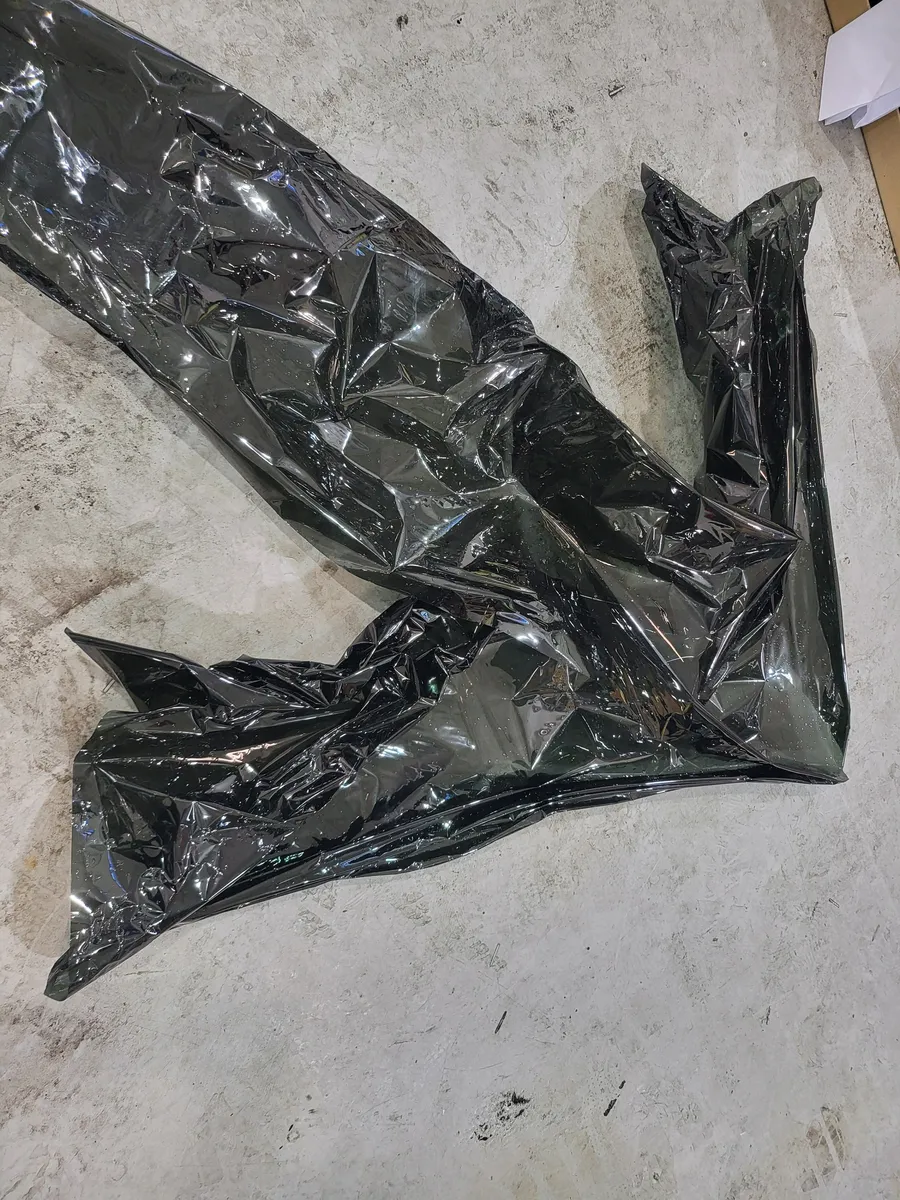
The re-tinting process began with the meticulous removal of the old window film. This crucial step ensures the new tint adheres properly, preventing future issues like peeling or bubbling. Following the removal, the Anigard AP80R film was carefully applied. This particular film is a reflective type, known for its stylish appearance and excellent heat-blocking properties. For the Hyundai Tucson, the windshield received a 30% tint for a balance of visibility and privacy, while the side and rear windows were treated with a 5% tint for maximum privacy and heat deflection. The entire installation, including the removal of the old tint, took approximately 3-4 hours, depending on the complexity.
The transformation was significant. The Anigard AP80R film gave the Tucson a sleek, premium look with its subtle reflective finish. The darker rear windows provided complete privacy and dramatically reduced solar heat gain, making the cabin noticeably cooler. The owner expressed high satisfaction, stating that the re-tint resolved their previous dissatisfaction and met their expectations for both appearance and performance at a reasonable cost. The typical lifespan for Anigard AP80R is around 5-7 years, with warranty details varying by installer.
Making the Right Window Tinting Choice
Choosing the right window tint involves more than just picking the cheapest option. It's essential to understand your needs—whether it's enhanced privacy, superior heat rejection, or maximum UV protection. For a Hyundai Tucson, consider the specific performance data of the film, such as TSER (Total Solar Energy Rejected) and IRR. Consulting with a reputable installer is vital. They can guide you through the options, explain the differences between dyed, metallic, and ceramic tints, and help you select a film that aligns with your driving habits and local tint laws. Don't overlook the quality of the installation itself; skilled application is key to a durable and aesthetically pleasing result.
Frequently Asked Questions
Q. How much does window tinting cost for a Hyundai Tucson?
In Korea, this Hyundai Tucson window tinting re-application cost approximately 300,000-600,000 KRW (roughly $200-$450 USD), depending on the film and coverage. Typical professional window tinting for a similar vehicle in the US can range from $400 to $800.
Q. What tint percentage is legal for a Hyundai Tucson?
Window tint legality varies significantly by state in the US and by region. It's crucial to check your local regulations regarding the VLT (Visible Light Transmission) percentage allowed for front and rear windows. Proper maintenance involves cleaning the windows gently with a soft cloth and a mild, ammonia-free cleaner to preserve the film's integrity.
Q. Is ceramic tint worth the extra cost for a Hyundai Tucson?
Ceramic tint is often worth the investment for a Hyundai Tucson if your priority is maximum heat rejection without significantly darkening the windows. Its advanced technology offers superior performance in blocking solar heat and UV rays compared to traditional dyed or metallic films, enhancing cabin comfort.
Q. How is window tint installed on a Hyundai Tucson?
Window tint installation involves several key steps: 1. Thoroughly cleaning and preparing the glass surface. 2. Cutting the tint film to precisely match the window shape. 3. Applying the film to the interior of the glass, using a squeegee to remove air bubbles and water. 4. Allowing the tint to cure properly, typically for a few days.
Q. What is the difference between ceramic and dyed window tint for a Hyundai Tucson?
Ceramic window tint uses non-metallic particles to block heat and UV rays, offering excellent heat rejection and durability without interfering with electronics. Dyed tint absorbs heat and fades over time, providing less effective heat rejection and privacy. For optimal performance and longevity on a Hyundai Tucson, ceramic tint is generally recommended.
Q. What should I know before getting Window Tinting on a Hyundai Tucson? (common regrets and mistakes)
The most common regret is choosing tint based solely on price or appearance, neglecting crucial performance factors like heat rejection and UV protection. To avoid this, always research specific film specifications (like IRR and TSER) and consult with experienced installers who can explain the functional benefits beyond aesthetics.
OhCar Partner Shop
More window tinting Reviews
See all →
More Hyundai Reviews
Pair with Another Service
Protect paint while you're at the shop
Add gloss and protection