Hyundai Elantra N Body Kit Installation Review
Service Price
$approx. $750–1,150
Estimated price · Actual price may vary by shop
Before
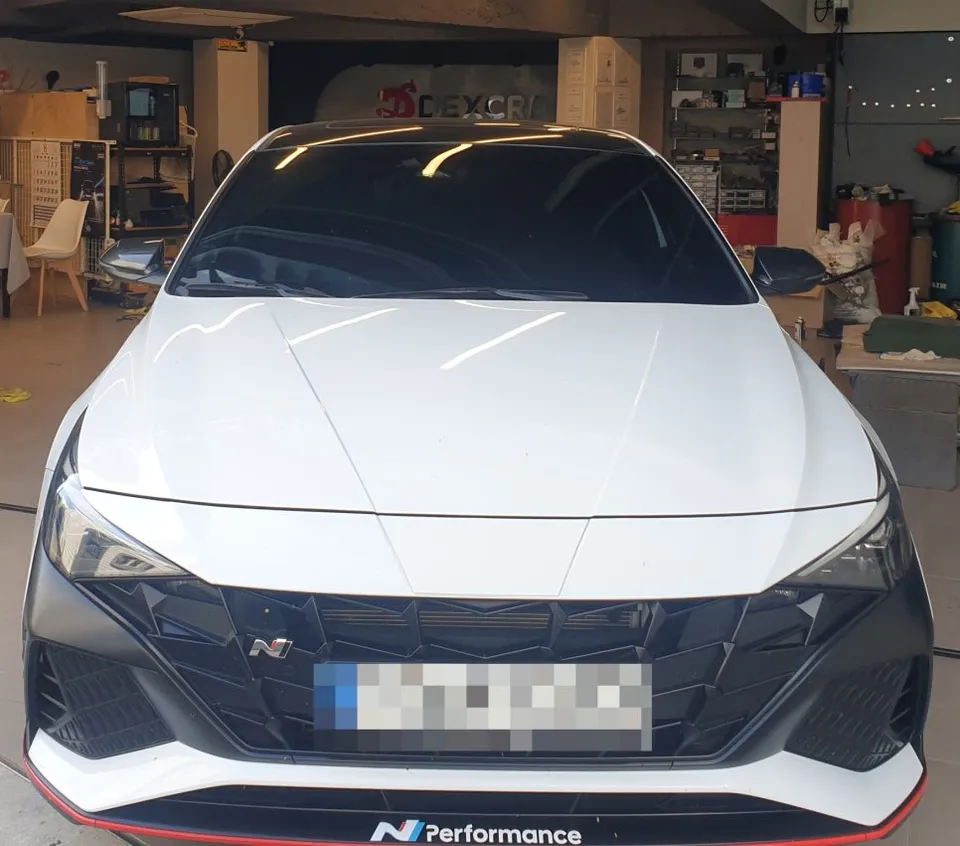
After
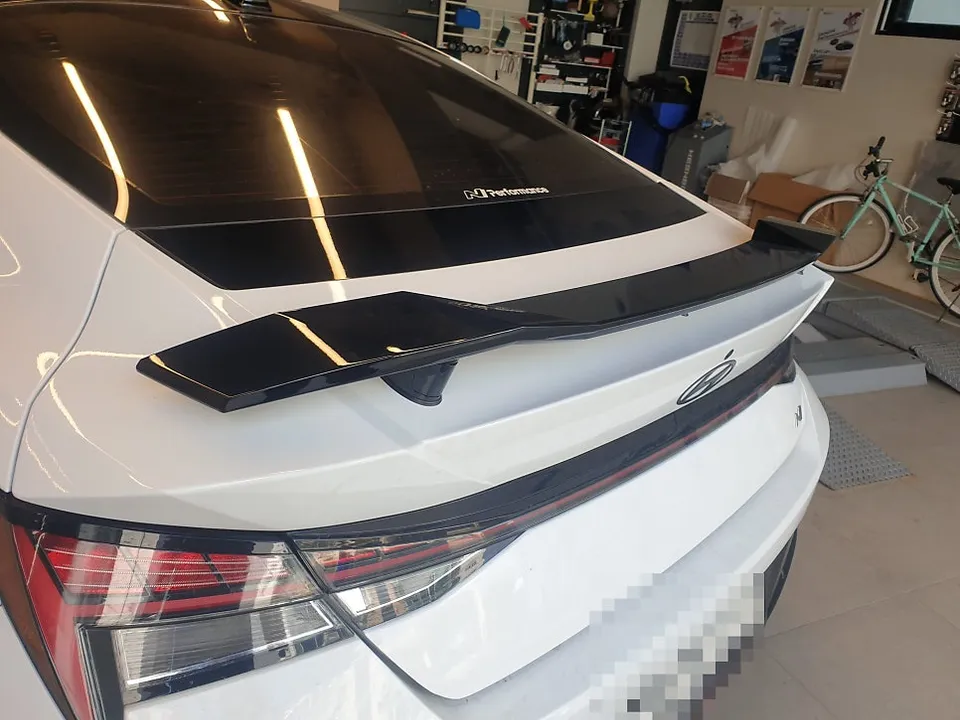
Process photos
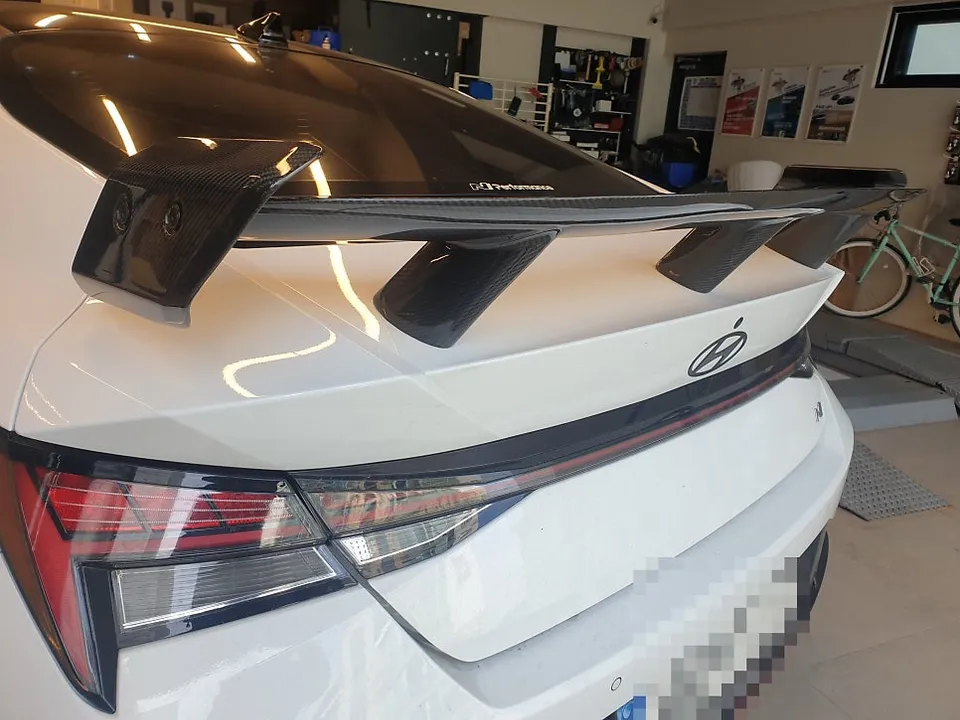
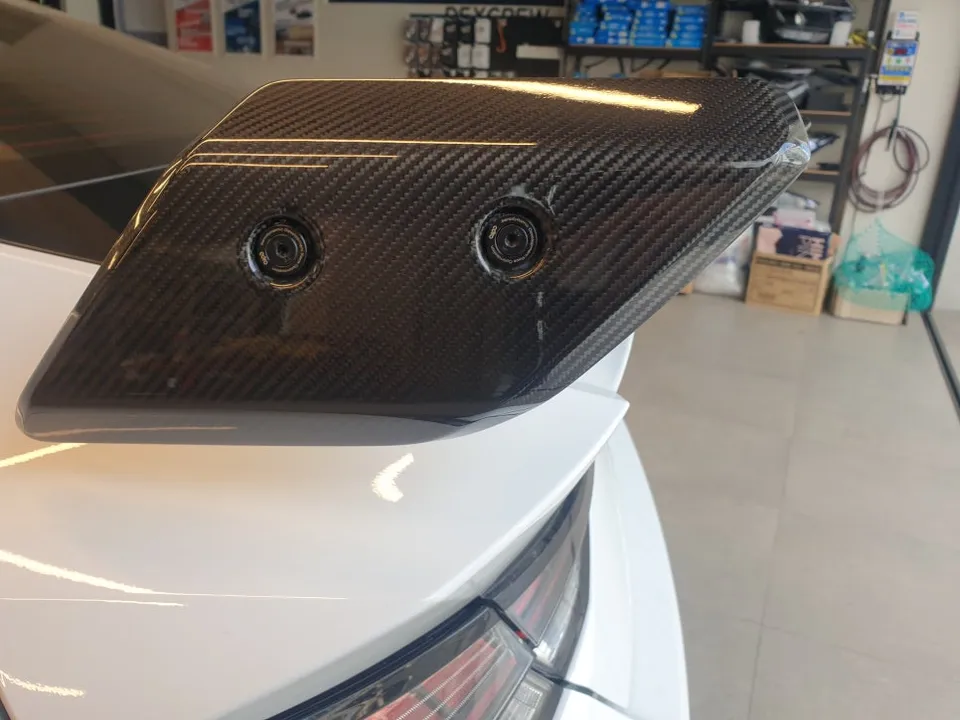
Hyundai Elantra N body kit installation review: Costs range from $800-$3000+. Enhances aggressive look, but consider durability and installation.
Hyundai Elantra N Body Kit Installation: Is It Worth It?
The Hyundai Elantra N is a performance-oriented sedan that many owners love to personalize. While factory styling is sharp, some drivers opt for aftermarket body kits to enhance its aggressive look. This review delves into the process, costs, and overall value of installing an aero kit, specifically focusing on front lip and side skirt installations for the Elantra N. We'll explore the before and after results, durability considerations, and help you decide if a body kit is the right upgrade for your Elantra N.
Understanding Body Kit Installation for the Elantra N
Installing a body kit, often referred to as an aero kit, involves adding custom aerodynamic components to your vehicle's exterior. For the Hyundai Elantra N, this typically includes a new front lip spoiler, side skirts, and sometimes a rear diffuser or wing. The goal is to create a more aggressive stance and potentially improve aerodynamics, though for many, it's purely an aesthetic upgrade. The process requires careful attention to detail to ensure a seamless fit and finish, preserving the car's lines while adding the new elements. Unlike simple bolt-on accessories, body kit components often require precise alignment and secure mounting to the vehicle's chassis or body panels. The quality of the kit itself, whether made from materials like ABS plastic, polyurethane, or fiberglass-reinforced plastic (FRP), significantly impacts the installation process and the final look. High-quality kits are designed for a near-perfect fit, minimizing the need for extensive modifications.
Body Kit Cost and Before/After Results
The cost of a body kit for a Hyundai Elantra N can vary widely depending on the brand, the number of pieces included, and the material. While the original context discusses restoring a tuned wing to a factory spoiler in Korea, the principles of body kit installation and cost apply globally. In Korea, the cost for removing a custom wing and installing a genuine factory spoiler, including parts and labor, was estimated between 500,000 to 1,000,000 KRW (approximately $370 - $740 USD at the time of writing). This includes the cost of the genuine spoiler part itself (around 300,000 - 600,000 KRW) and labor (200,000 - 400,000 KRW). For a full aftermarket body kit, including front lip, side skirts, and potentially a rear diffuser, you could expect to spend anywhere from $500 to $2,000 USD or more for the parts alone. Professional installation can add another $300 to $1,000 USD, depending on the complexity. The before and after results can be dramatic, transforming the Elantra N's appearance from sporty to track-inspired. A well-fitted body kit gives the car a lower, wider, and more menacing presence. However, poorly fitted kits can detract from the vehicle's aesthetics, creating unsightly gaps or misalignments.
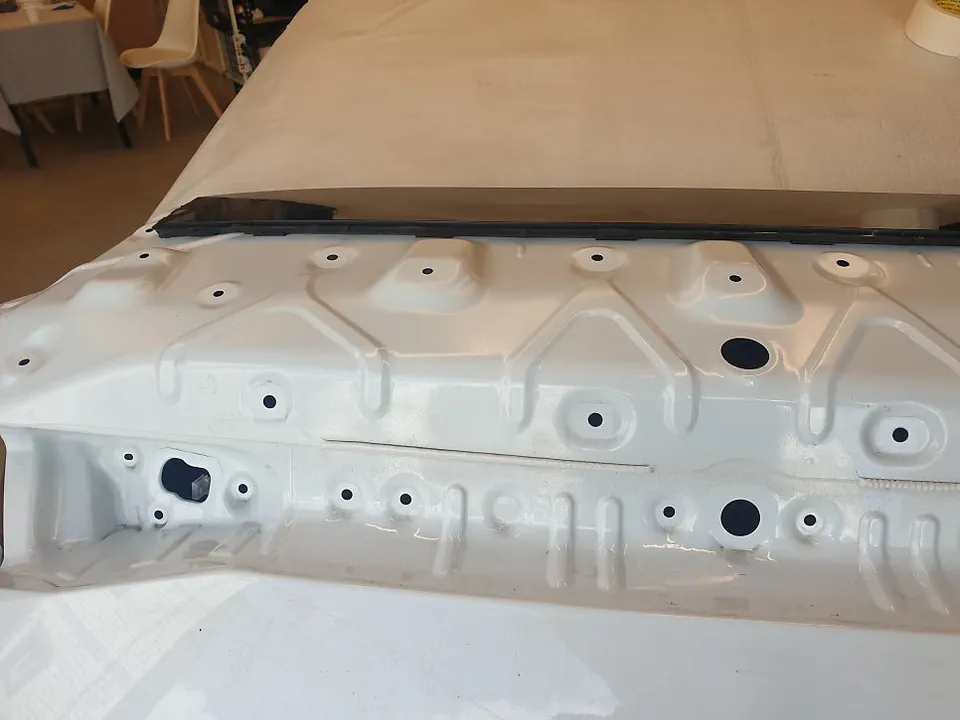
Durability, Maintenance, and Risks
The durability of a body kit largely depends on the material it's made from and how well it's installed. Polyurethane and ABS plastic kits tend to be more flexible and resistant to cracking than FRP kits, making them a better choice for daily drivers who might encounter minor impacts or rough roads. FRP kits, while often lighter and more customizable, can be more brittle and prone to chipping or cracking. Proper maintenance involves regular cleaning and inspection for any signs of damage. Be mindful of speed bumps, steep driveways, and curbs, as lower ground clearance is a common consequence of body kit installation. The primary risk associated with body kits is improper installation, which can lead to components detaching, paint damage, or misalignment issues. It's crucial to have the kit installed by a reputable professional with experience in body kit applications. Another consideration is the potential impact on resale value; while some buyers appreciate a modified car, many prefer stock vehicles, so a body kit might limit your buyer pool or necessitate removal before selling.
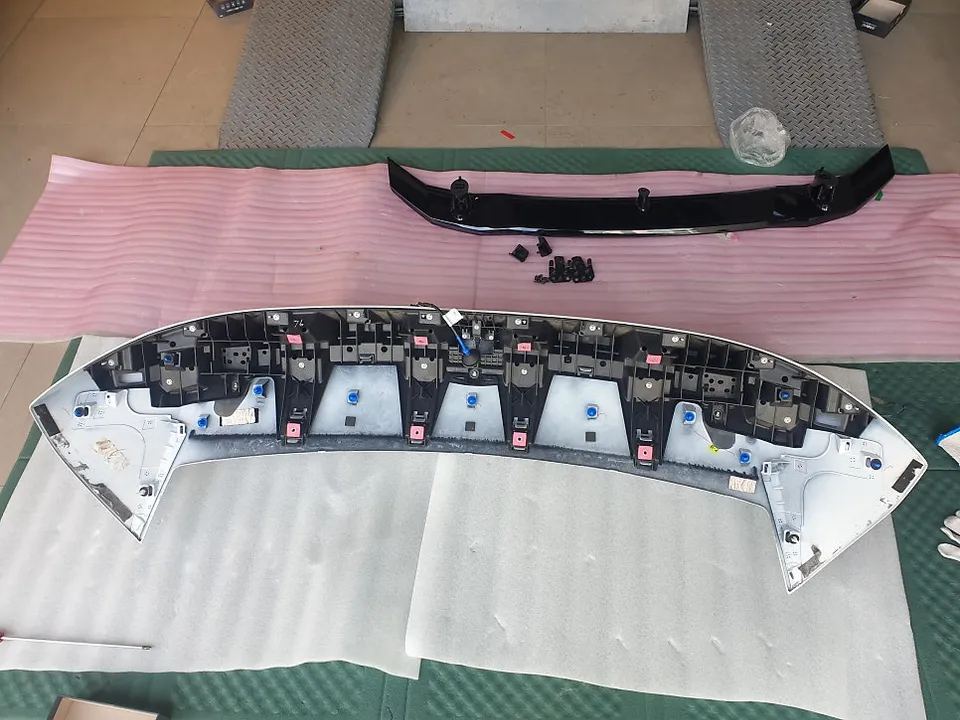
The Installation Process:
- Preparation: The vehicle's existing bumpers and side skirts are carefully removed. The mounting areas on the car are cleaned and prepped.
- Component Fitting: Each body kit component (front lip, side skirts, etc.) is test-fitted to ensure proper alignment and fitment. Minor adjustments may be made.
- Attachment: Components are securely attached using a combination of automotive-grade adhesives, bolts, and sometimes rivets, depending on the kit and manufacturer's recommendations.
- Finishing: Gaps are filled, and the new components are often painted to match the vehicle's factory color. Clear coat is applied for protection and shine.
The entire process, from initial fitting to final paintwork, can take anywhere from 2 to 3 hours for simple components to several days for a full kit with complex paint matching and curing.
Frequently Asked Questions
Q. How much does a body kit cost for a Hyundai Elantra N?
A full body kit for a Hyundai Elantra N can cost between $500 to $2,000+ for parts, with professional installation adding $300 to $1,000+. The original Korean context mentioned a factory spoiler restoration costing approximately $370 - $740 USD.
Q. How long does body kit installation take on a Hyundai Elantra N?
Installation typically takes 2-3 hours for simple parts, but a full kit with painting can take several days. Body kits made from polyurethane or ABS plastic tend to be more durable for daily driving.
Q. Is a body kit worth it for a Hyundai Elantra N?
A body kit is worth it if you desire a more aggressive, personalized aesthetic for your Elantra N. It significantly enhances the car's visual presence, making it stand out.
Q. How is a body kit installed on a Hyundai Elantra N?
Installation involves preparing the vehicle by cleaning mounting areas, test-fitting each component for alignment, and then securely attaching them using adhesives, bolts, or rivets. Finally, the kit is often painted to match the car.
Q. What is the difference between FRP and polyurethane body kits for a Hyundai Elantra N?
Polyurethane kits are more flexible and resistant to cracking, making them ideal for daily use, while FRP kits can be lighter and more easily customized but are more prone to chipping or breaking.
OhCar Partner Shop