Hyundai Palisade Body Kit Installation Review
Service Price
$approx. $400–800
Estimated price · Actual price may vary by shop
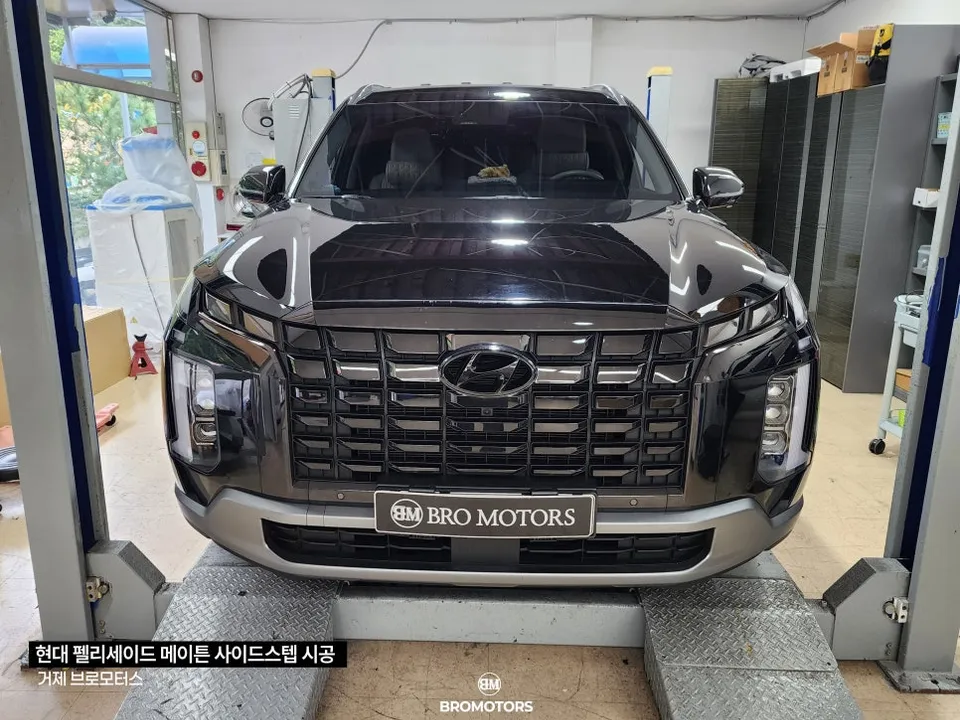
Hyundai Palisade body kit installation: $400-$800+. Enhances aesthetics for a sportier, personalized look.
Enhancing Your Hyundai Palisade with a Body Kit
The Hyundai Palisade, a popular choice for families and adventurers alike, offers ample space and a commanding presence. For owners looking to further customize their vehicle's aesthetics and potentially improve aerodynamics, a body kit, often referred to as an aero kit, presents an attractive option. This review delves into the specifics of body kit installation for the Palisade, covering the process, potential costs, and the transformative before-and-after results.
Understanding Body Kit Components and Installation
A body kit for the Hyundai Palisade typically includes components like a front lip spoiler, side skirts, and sometimes a rear diffuser or bumper accents. These parts are designed to complement the vehicle's existing lines, giving it a more aggressive or refined stance. The installation process, while seemingly straightforward, requires precision to ensure a perfect fit and finish. It's crucial to have these components installed by professionals who understand vehicle bodywork and have the right tools. The original context for this review comes from a specialized installer in Geoje, South Korea, highlighting the meticulous process they employ. While specific pricing in the US can vary significantly, the Korean context suggests costs for similar upgrades can range from approximately ₩300,000 to ₩600,000 (roughly $225-$450 USD), with the parts themselves potentially adding another $400-$800 USD depending on material and brand. This review focuses on the general process and benefits applicable to owners in the US and UK.
Installation Process:
- Preparation: The installer carefully removes any existing trim or components that will be replaced or obstructed by the new body kit parts. This often involves detaching side sills and ensuring the mounting points are clean and accessible.
- Bracket Mounting: Custom brackets are securely attached to the vehicle's frame or designated mounting points. Ensuring these brackets are torqued to the manufacturer's specifications is vital for stability.
- Component Attachment: The main body kit pieces (front lip, side skirts, etc.) are then affixed to the installed brackets. Fitment is checked meticulously to ensure there are no gaps or misalignments.
- Final Touches: Any additional elements, such as mudguards or aesthetic trim, are installed. The entire installation is then inspected for security and appearance before the vehicle is returned to the owner.
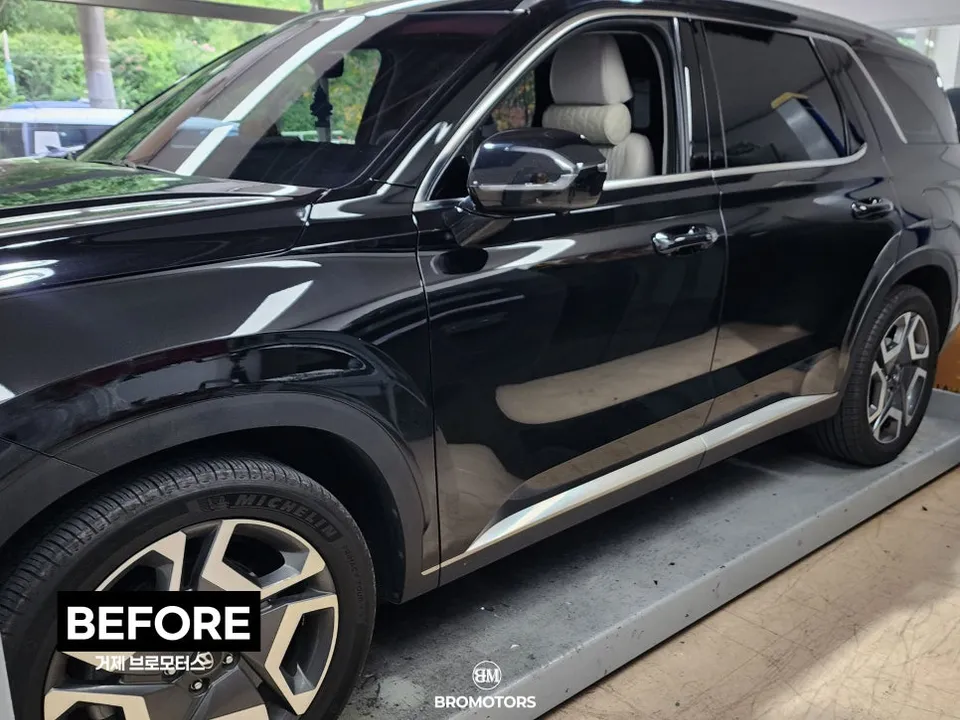
Before and After: The Visual and Functional Impact
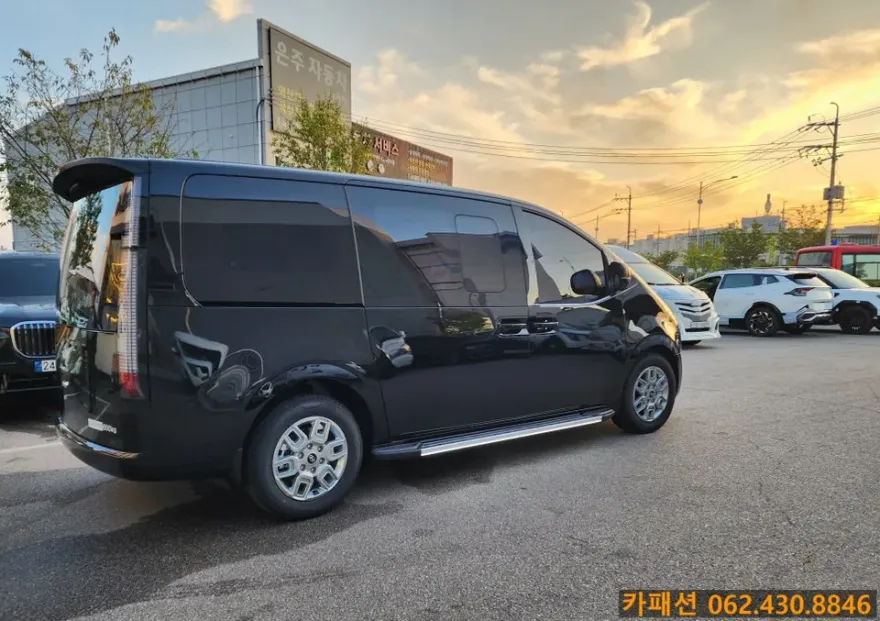
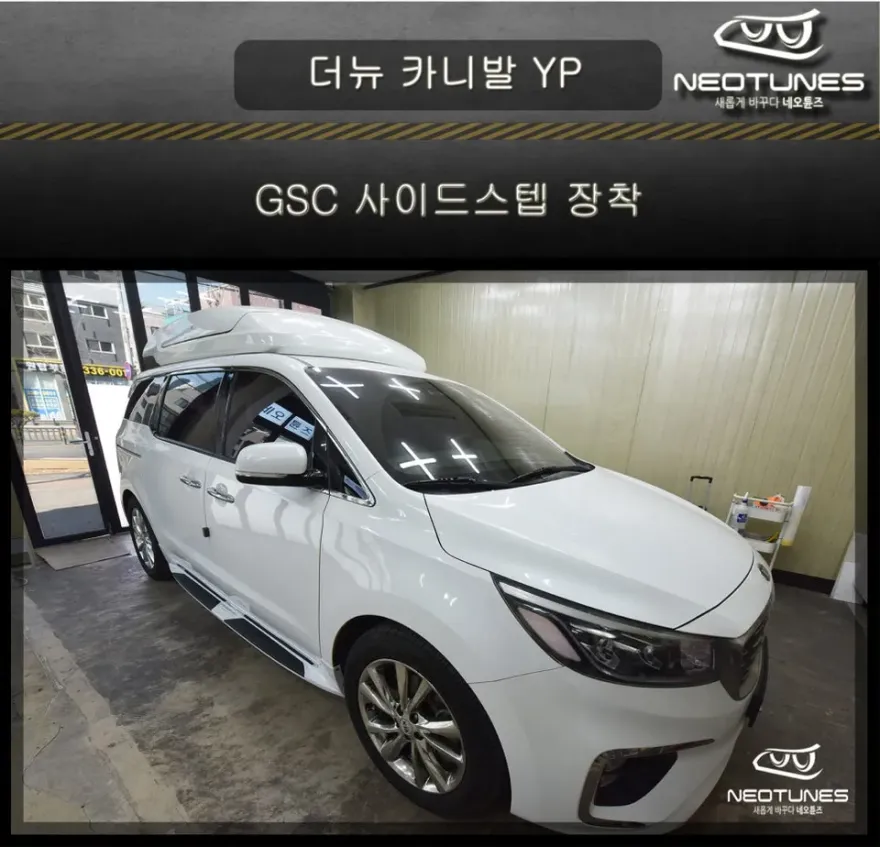
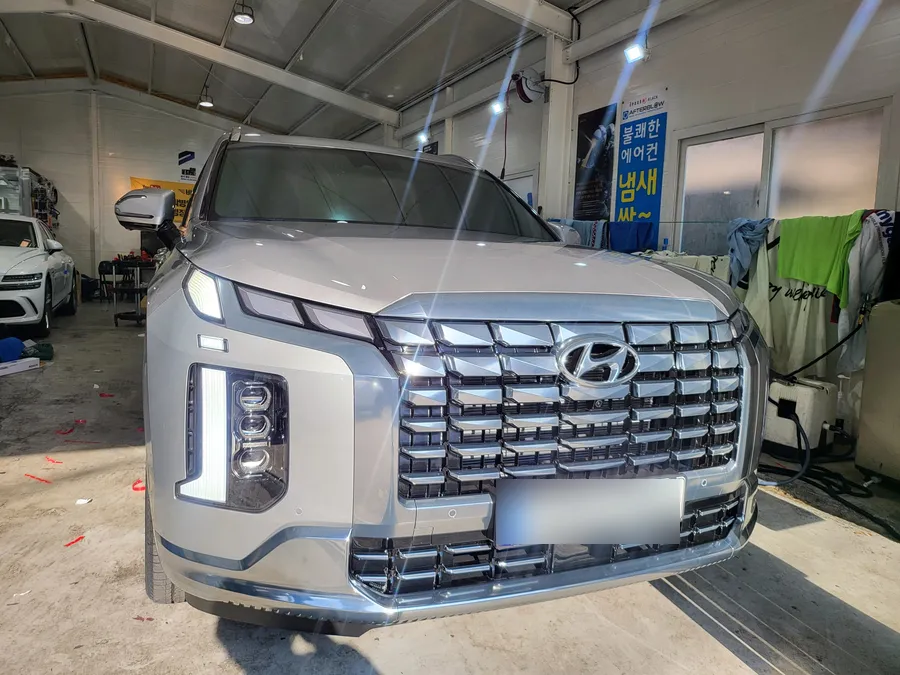
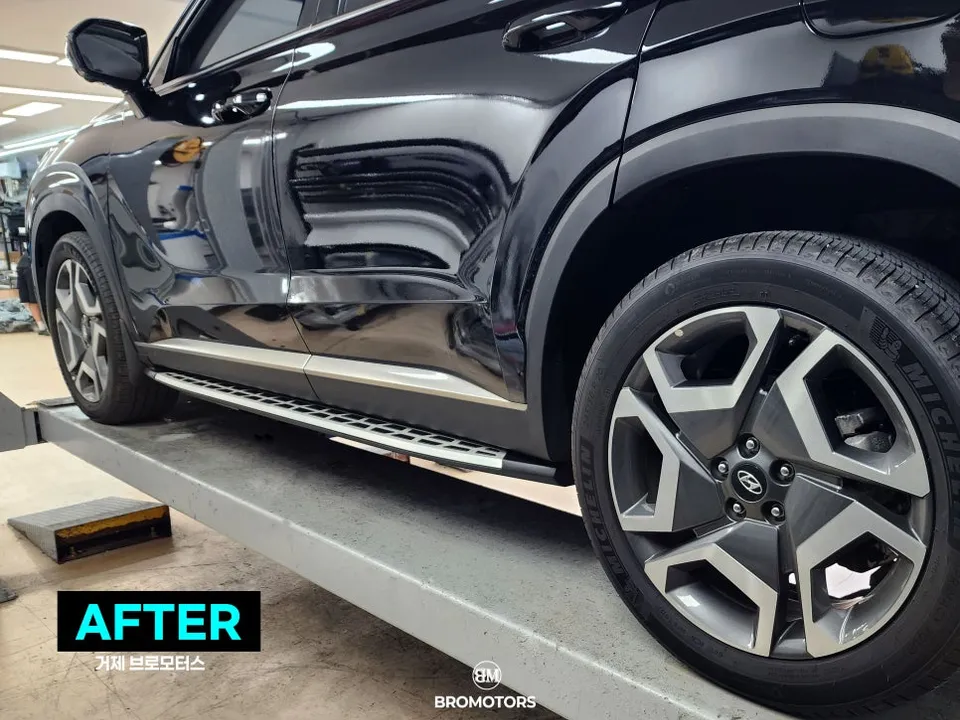
The most immediate and noticeable change after installing a body kit on a Hyundai Palisade is the visual transformation. The vehicle gains a lower, wider, and more dynamic profile. Side skirts add a sense of continuity between the front and rear, while a front lip can give the SUV a sportier, more grounded appearance. Beyond aesthetics, some aero kits are designed with aerodynamic principles in mind, potentially offering minor improvements in stability at higher speeds, though this is often secondary to the styling benefits for most owners. The Korean context emphasizes the increased convenience and safety for passengers, especially children and the elderly, when stepping into a higher-riding vehicle like the Palisade, likening the side steps to a convenient stair. While this review focuses on body kits (which are primarily aesthetic), the principle of enhanced accessibility is a key consideration for vehicle modifications.
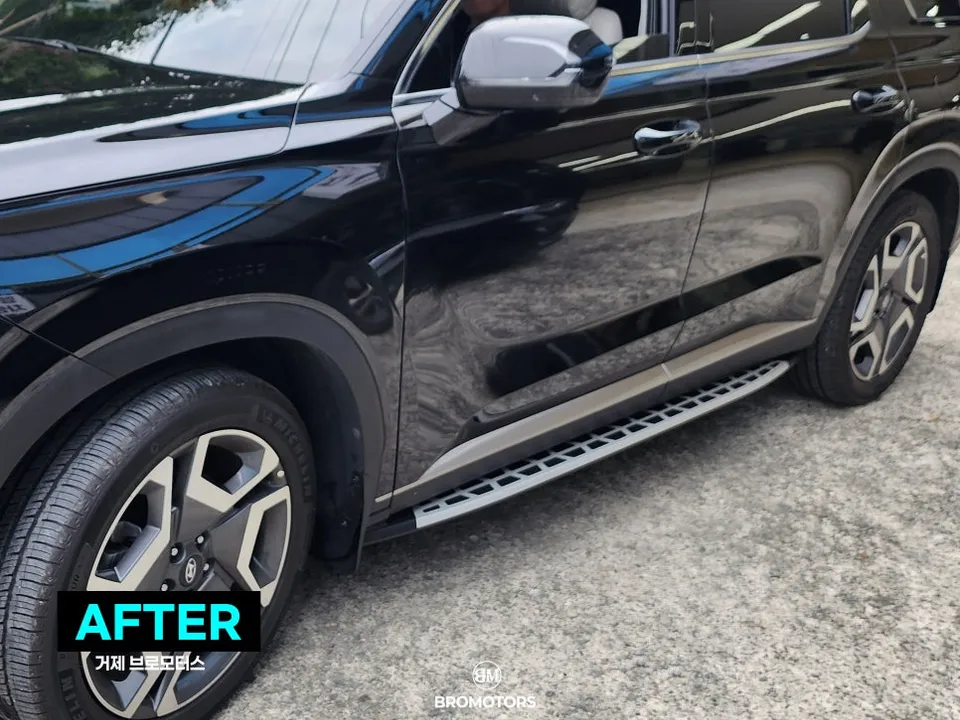
Durability, Maintenance, and Is It Worth It?
The durability of a body kit largely depends on the materials used—common options include polyurethane (flexible and impact-resistant) and fiberglass-reinforced plastic (FRP, often lighter but more brittle). High-quality kits, when installed correctly, can last for many years. Maintenance typically involves regular washing and waxing, similar to the rest of the vehicle's exterior. Owners should be mindful of potential damage from road debris, steep driveways, or harsh weather conditions. The decision of whether a body kit is 'worth it' is subjective. For owners prioritizing a unique look and a more personalized aesthetic for their Palisade, the investment in a quality body kit and professional installation can be highly rewarding. It transforms the vehicle from a standard SUV into a statement piece, enhancing its visual appeal significantly. Considering the approximate US price range of $400-$800 for the parts alone, plus installation costs, it's an investment in style and personalization.
Frequently Asked Questions
Q. How much does a body kit cost for a Hyundai Palisade?
In the US, body kit parts for a Hyundai Palisade typically range from $400 to $800, with installation costs varying by shop and complexity. The Korean context suggests similar upgrades can cost between ₩300,000 to ₩600,000 for installation alone.
Q. How long does body kit installation take on a Hyundai Palisade?
Body kit installation on a Hyundai Palisade usually takes between 2 to 3 hours to complete. Proper maintenance involves regular cleaning and avoiding impacts with road debris or steep inclines.
Q. Is a body kit worth it for a Hyundai Palisade?
A body kit is worth it for Hyundai Palisade owners who want to significantly enhance their vehicle's visual appeal and achieve a more personalized, aggressive stance. It's a worthwhile investment for those prioritizing unique styling.
Q. How is a body kit installed on a Hyundai Palisade?
Installation involves carefully removing existing trim, securely mounting custom brackets to the vehicle's frame, and then precisely attaching the body kit components like the front lip and side skirts. Finally, all parts are checked for a seamless fit and finish.
Q. What is the difference between FRP and polyurethane body kits for a Hyundai Palisade?
Polyurethane kits are generally more flexible and impact-resistant, making them better suited for daily driving and minor impacts. FRP kits are often lighter and can be more rigid but are more prone to cracking or shattering upon significant force.
Q. What should I know before getting Body Kit on a Hyundai Palisade? (common regrets and mistakes)
The most common regret is choosing low-quality materials or poor installation, leading to fitment issues or premature damage. Always opt for reputable brands and professional installers to ensure durability and a perfect finish.
OhCar Partner Shop