Hyundai Elantra Window Tinting Review — Bubble Removal
Service Price
$75–115
Estimated price · Actual price may vary by shop
Before
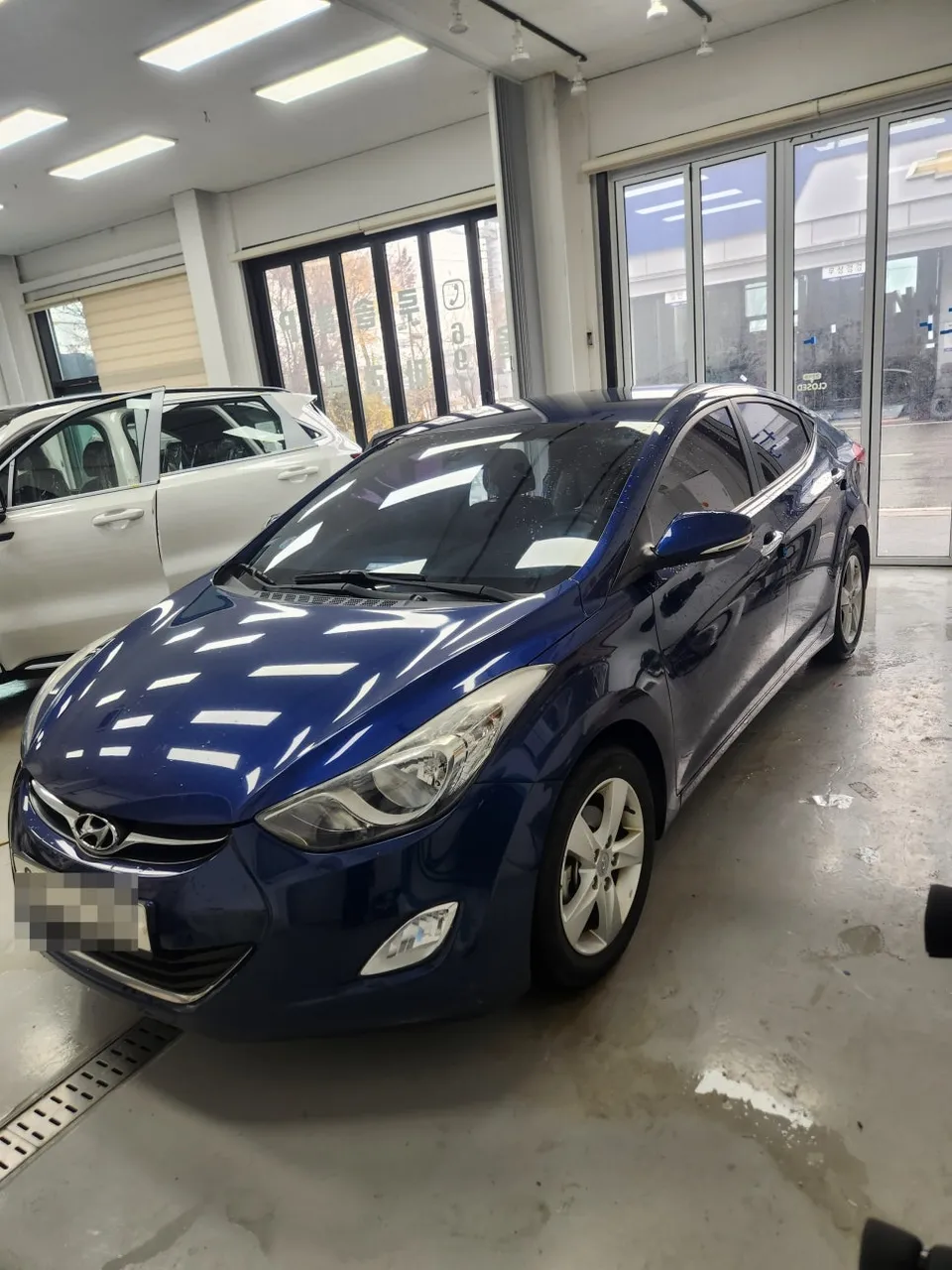
After
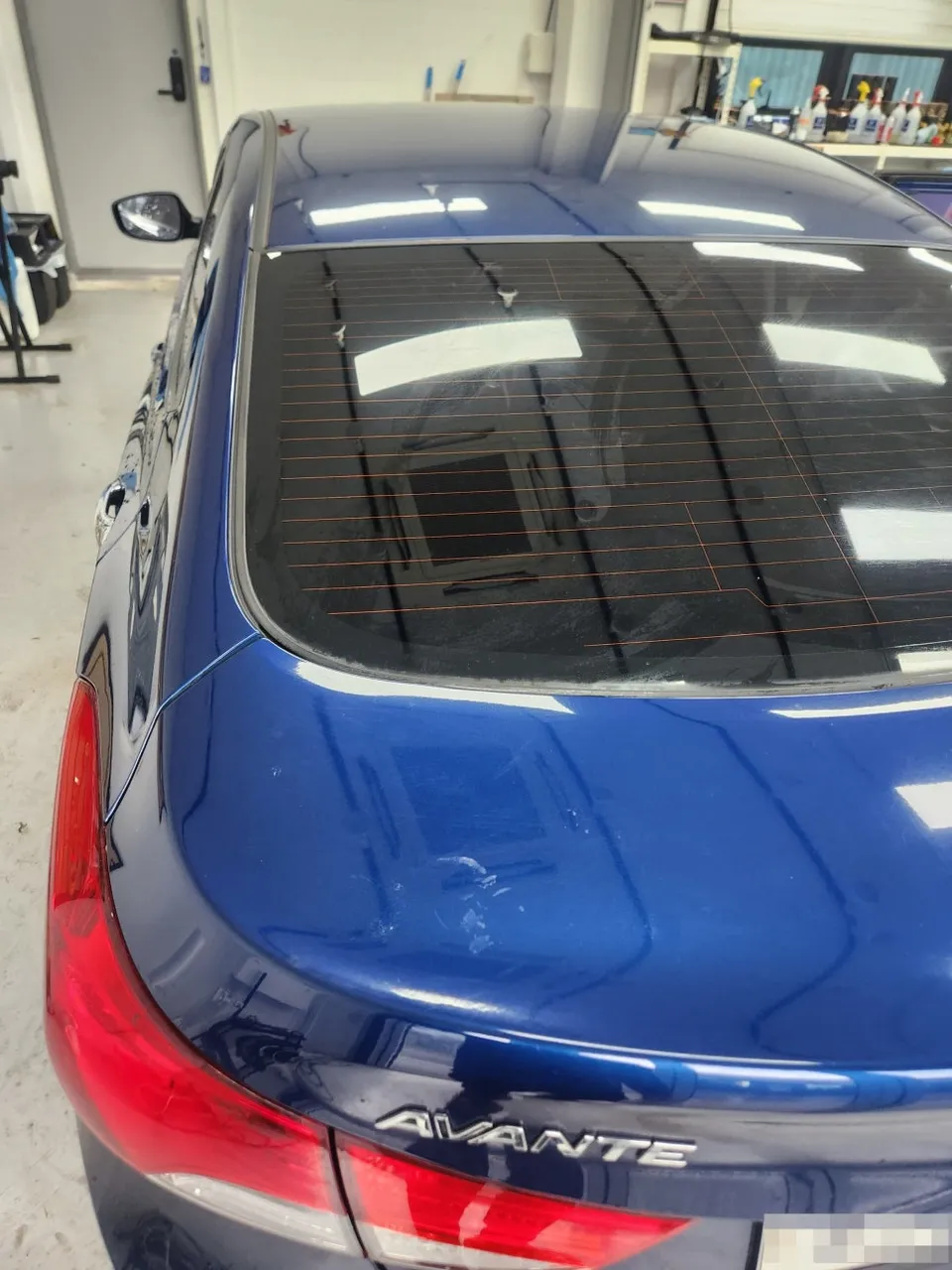
Process photos
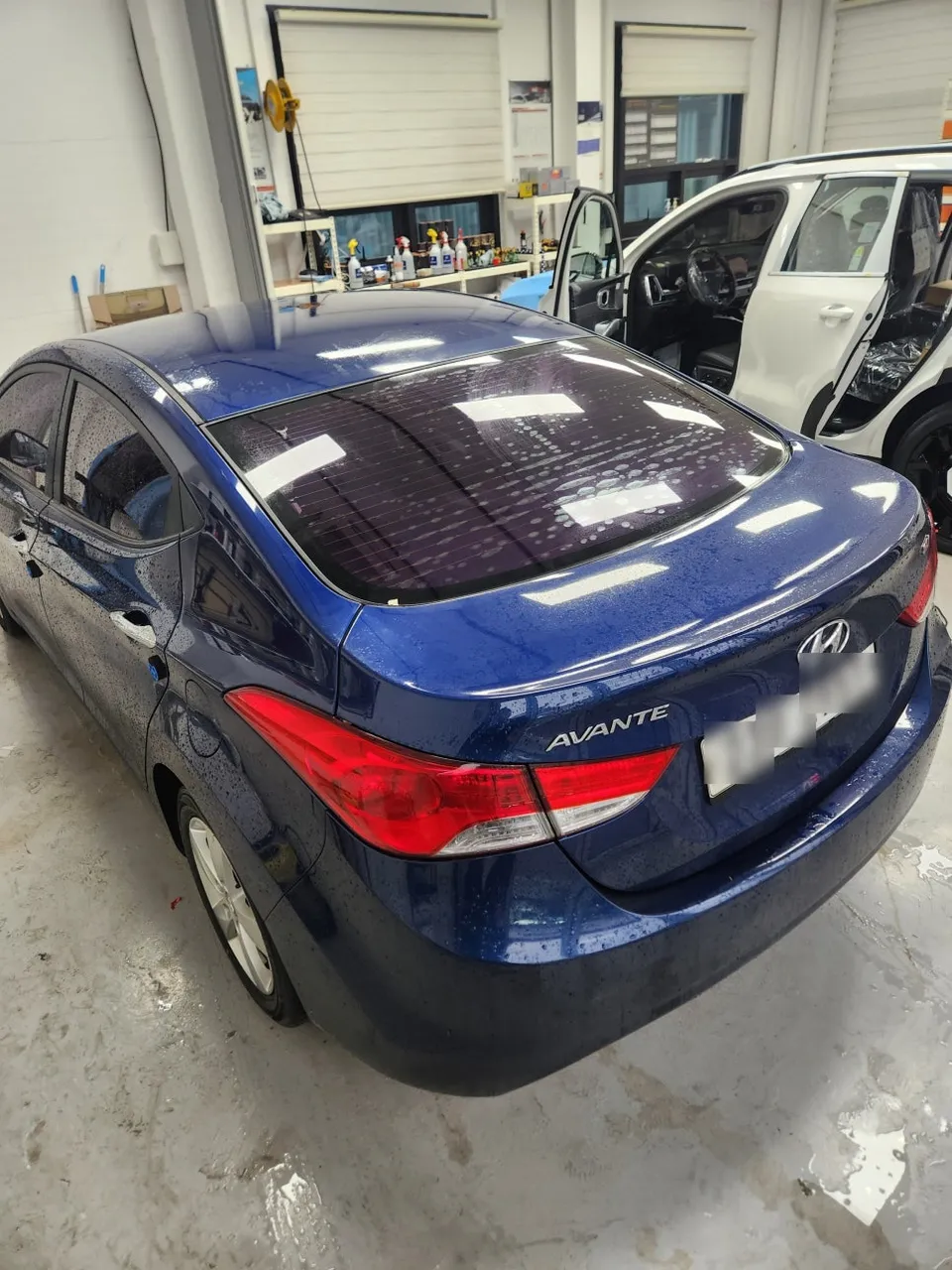
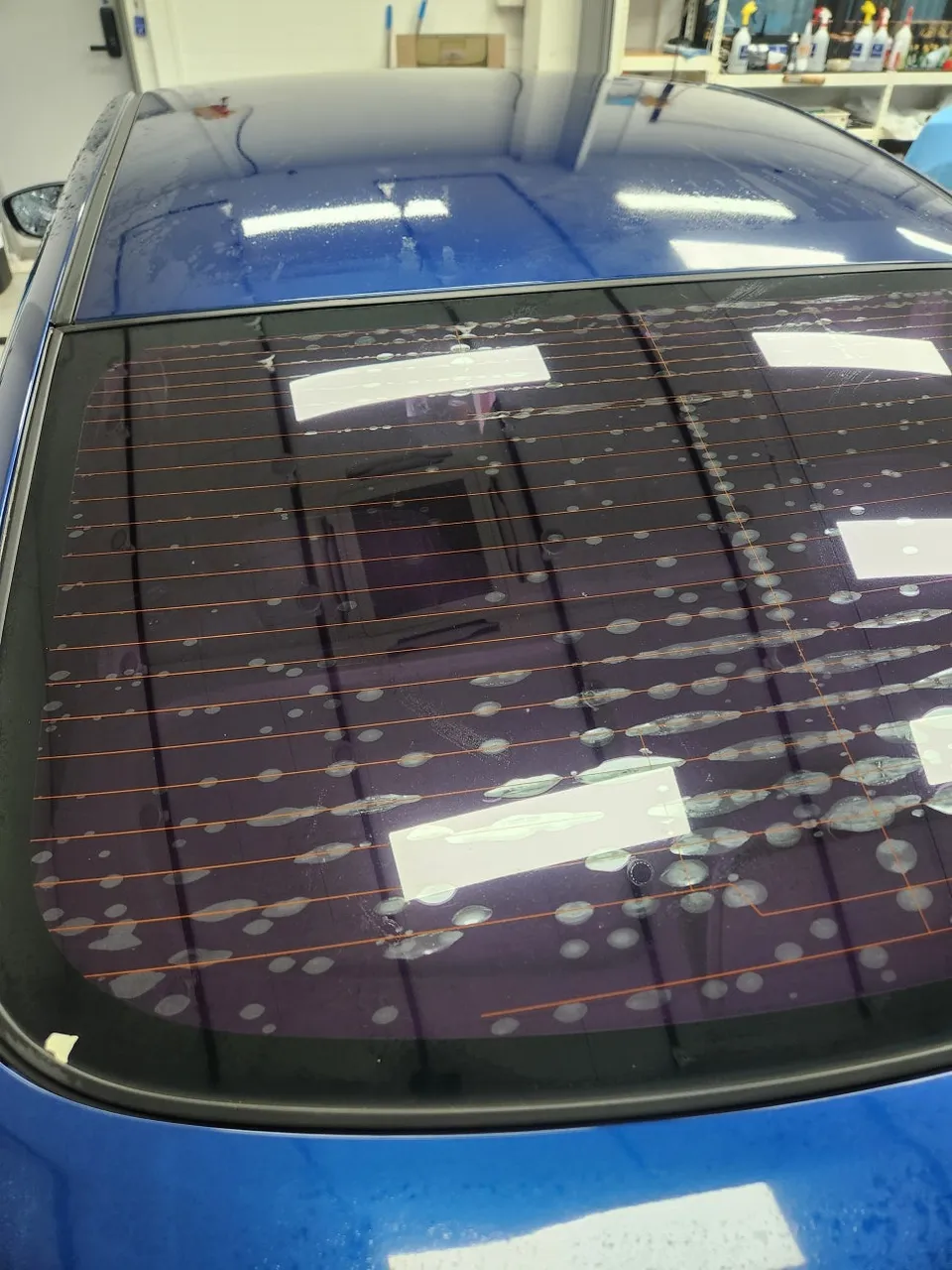
Hyundai Elantra rear window tint reinstallation: ₩500,000-₩1,000,000. Bubbles removed, heat lines preserved.
Hyundai Elantra Rear Window Tint Reinstallation: Bubble Removal Experience
A Hyundai Elantra owner recently visited our Anseong branch seeking a solution for bubbles that had formed on their rear window's heat-resistant film. Tinting the rear window, especially the heat-resistant lines, presents unique challenges compared to standard window tinting. When bubbles appear, their removal becomes significantly more complex. This case study details how we addressed the rear heat-resistant film issues and the reinstallation process.
Understanding Rear Window Tint Bubbles
The formation of bubbles in rear window tinting can stem from various factors. The heat-resistant lines are integrated directly onto the glass. During the initial film application, changes in temperature or humidity can cause the film to contract, trapping small pockets of air. This phenomenon is more common in environments with significant temperature fluctuations, such as during winter. Over time, these trapped air pockets tend to expand, becoming more noticeable. For sedan models like the Elantra, the density of the rear heat-resistant lines means that even slight imperfections in film adhesion can allow air to seep in. If your current tint is showing excessive bubbling, addressing it sooner rather than later is advisable.
The Difficulty of Removing Heat-Resistant Line Bubbles
A common oversight is the difference in difficulty between removing standard window tint and tint from the heat-resistant lines. The unique structure of these lines means that improper removal can lead to damage to the lines themselves. If bubbles are substantial, the film removal process becomes intricate. Large bubbles situated directly over the heat-resistant lines pose a significant risk of peeling away the lines along with the film. In severe cases, this could necessitate a full glass replacement, leading to substantially increased costs and repair time. Therefore, prevention or early intervention is key.
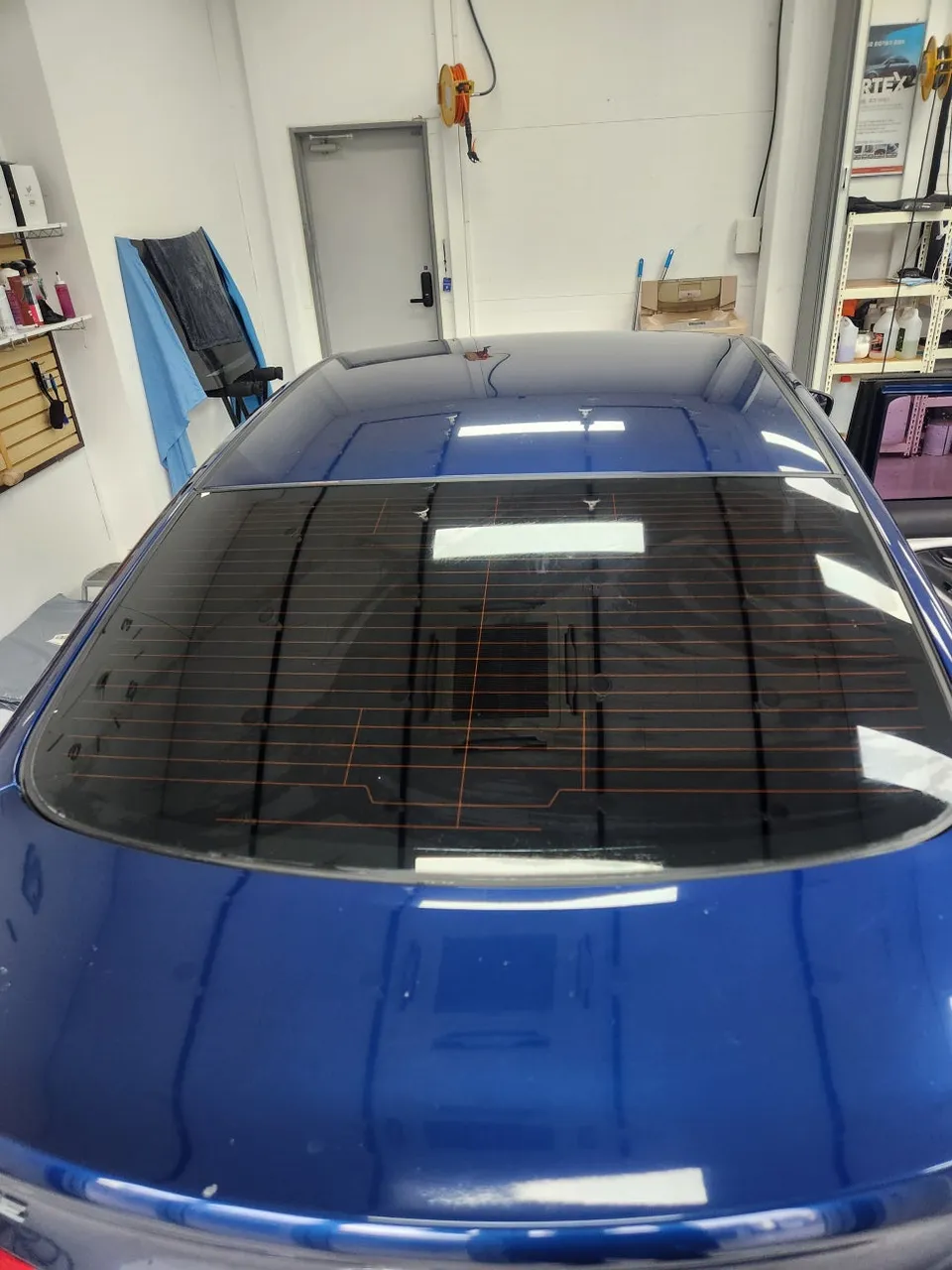
Our Reinstallation Process for Heat-Resistant Line Bubbles
In this particular Elantra case, the rear heat-resistant line bubbles were at a moderate to severe level. During the initial inspection, we also noted some fading on the front and side windows, and recommended a full re-tint. However, the owner opted to proceed with only the rear window reinstallation first. The removal of bubbles from the heat-resistant lines requires precise temperature control and a slow, deliberate peeling process. Rushing can easily damage the delicate heat-resistant lines. An experienced technician will assess the situation and determine the optimal removal method. A partial reinstallation, especially on the heat-resistant lines, typically takes 2-3 hours, potentially longer due to the specialized nature of the work.
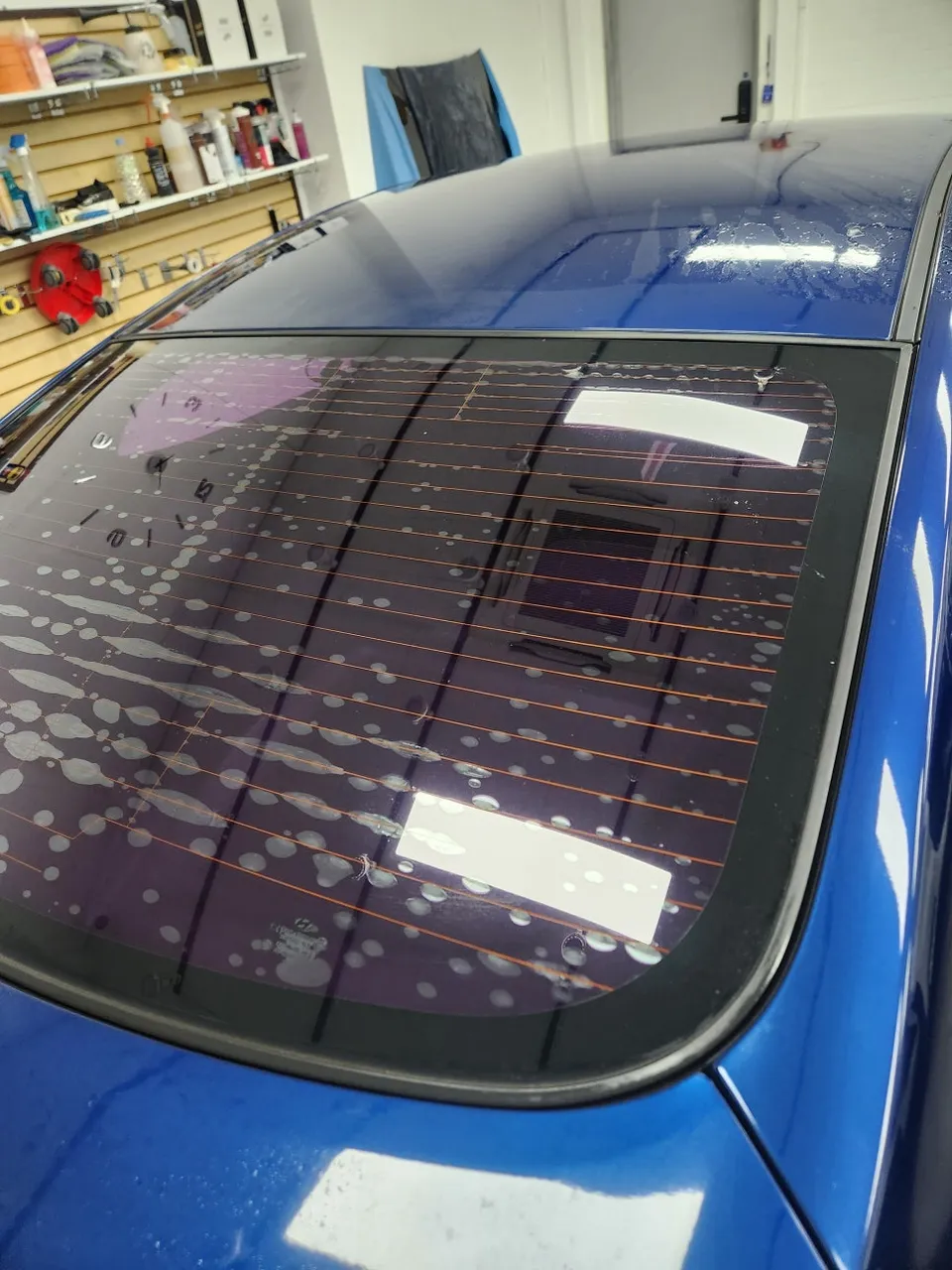
Post-Installation Check of Heat-Resistant Lines
Upon completion, the heat-resistant lines were confirmed to be undamaged and the new tint was applied flawlessly. This meticulous attention to the heat-resistant lines is paramount during bubble removal. We used a cost-effective Lumar basic film as requested by the owner, and it has performed well without any recurrence of bubbles. For car owners in the Anseong region experiencing issues with rear heat-resistant line tinting, particularly on vehicles with dense rear defroster lines like the Elantra, initial installation quality is critical. Reinstallation demands even greater care. Our Anseong branch is equipped to handle these challenging tinting jobs with professionalism.
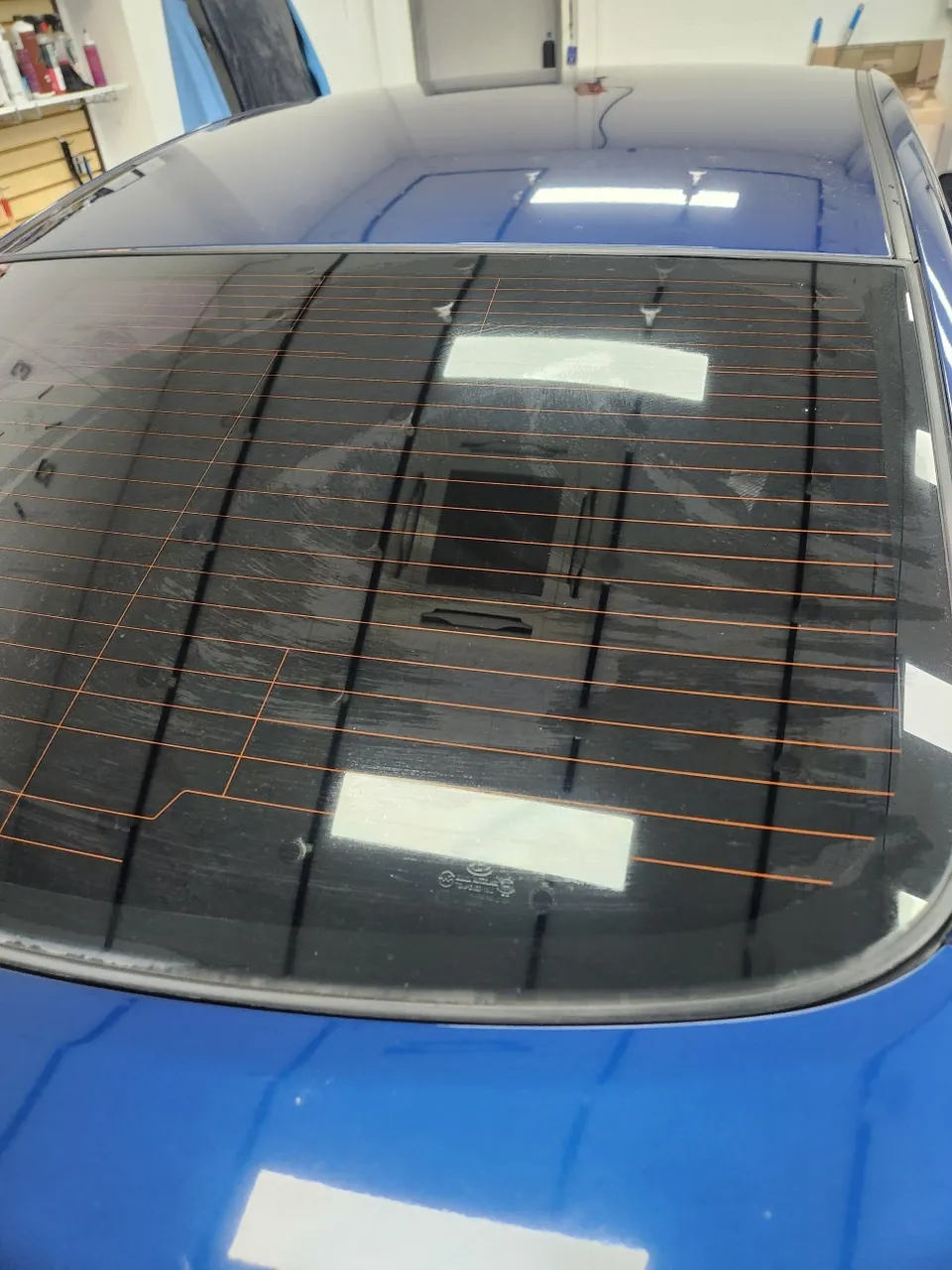
Cost and Time for Rear Heat-Resistant Line Reinstallation
The cost for re-tinting the rear heat-resistant lines on an Elantra varies based on the extent of bubbling and the chosen film grade. For partial reinstallation, prices typically range from approximately ₩500,000 to ₩1,000,000 (roughly $370-$740 USD, depending on exchange rates). Factors such as the vehicle's age, the specific structure of the heat-resistant lines, and the severity of the bubbles all influence the final price.
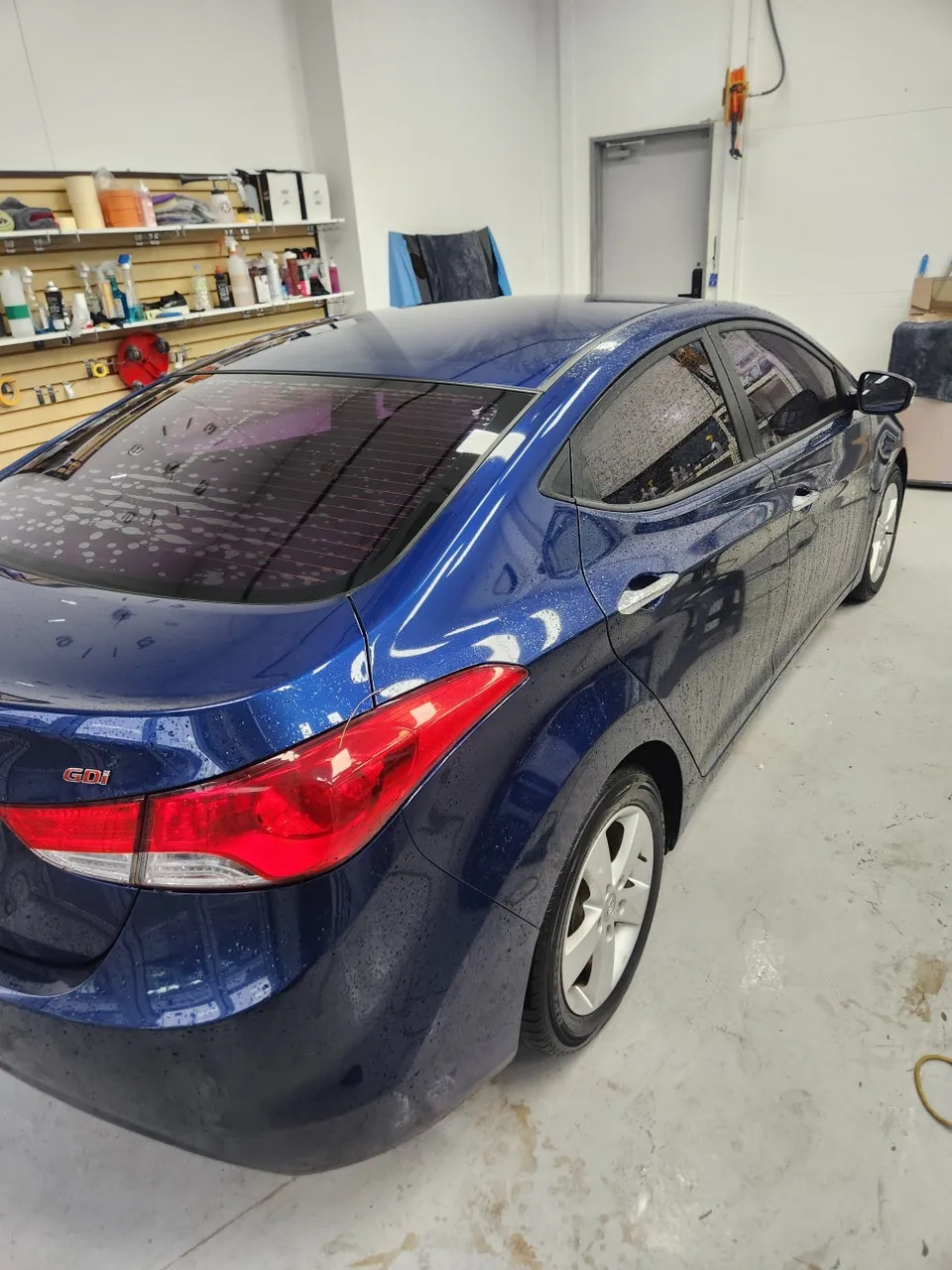
Frequently Asked Questions
Q. How much does window tinting cost for a Hyundai Elantra?
The reinstallation for the rear heat-resistant lines on this Hyundai Elantra cost between ₩500,000-₩1,000,000 (approx. $370-$740 USD). Typical professional window tinting for a full vehicle in the US can range from $200 to $800 depending on the vehicle and film type.
Q. What is the durability and maintenance for car window tint?
High-quality window tint, especially ceramic films, can last 10-20 years with proper care. To maintain it, avoid rolling down windows for 24-48 hours after installation and clean the windows using ammonia-free cleaners and a soft microfiber cloth.
Q. Is ceramic tint worth the extra cost for a Hyundai Elantra?
Ceramic tint is often worth the extra cost for a Hyundai Elantra if superior heat rejection and UV protection are priorities. It offers better performance than dyed or metallic films without interfering with electronic signals.
Q. How is window tint installed on a Hyundai Elantra?
Window tint installation involves: 1. Thoroughly cleaning the vehicle's glass. 2. Precisely cutting the tint film to match the window shape. 3. Applying the film using a squeegee to remove air bubbles and ensure a smooth, secure fit. 4. Trimming excess film and allowing it to cure.
Q. What is the difference between ceramic and dyed window tint for a Hyundai Elantra?
Dyed window tint primarily offers privacy and blocks some light by embedding dye into the film, but offers minimal heat rejection. Ceramic tint uses non-metallic ceramic particles to block significant heat and UV rays without affecting electronic signals, providing superior performance.
OhCar Partner Shop
More window tinting Reviews
See all →


More Hyundai Reviews





Pair with Another Service
Protect paint while you're at the shop
Add gloss and protection