Hyundai Elantra Window Tinting Review: Heat Rejection Film
Before
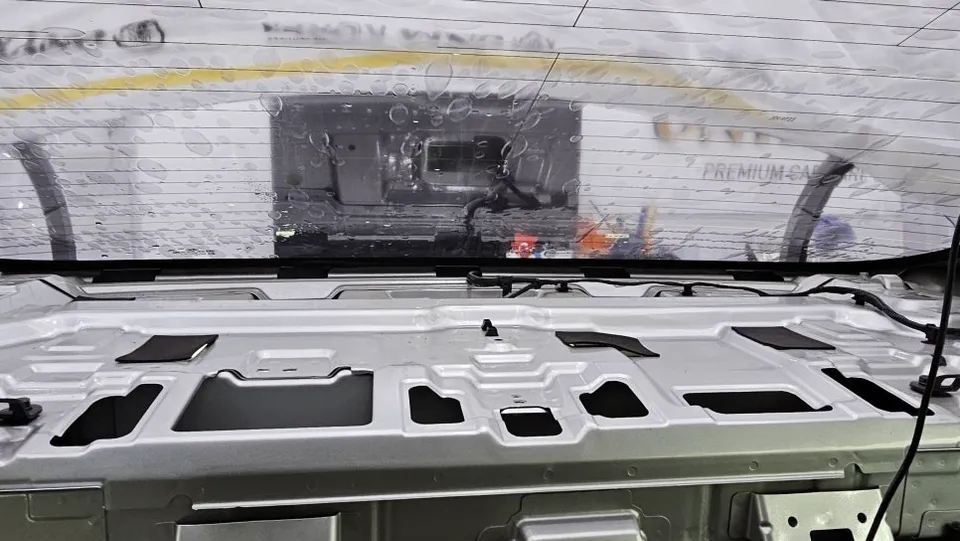
After
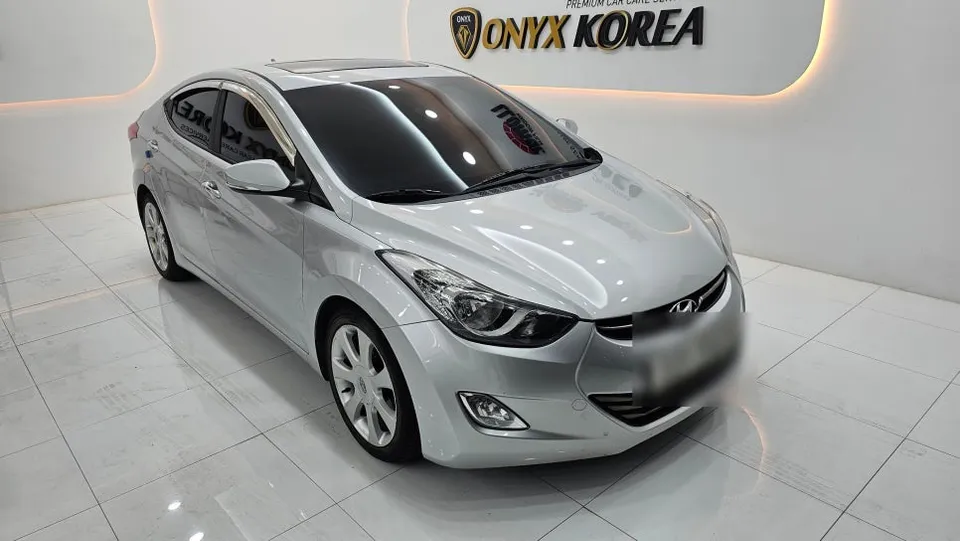
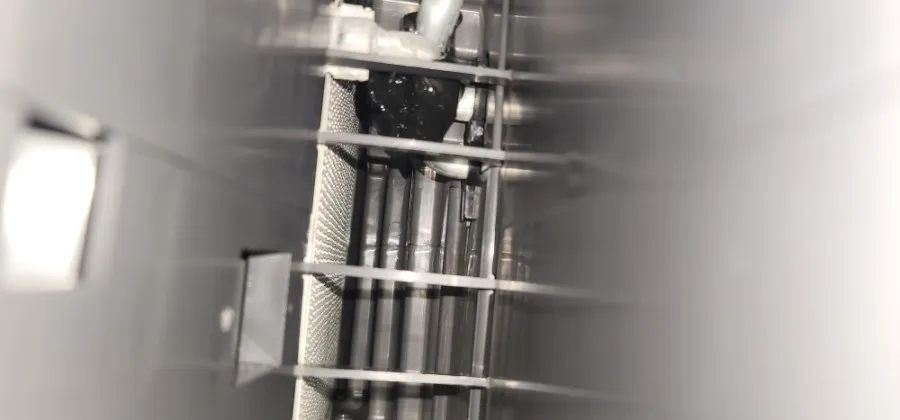
Process photos
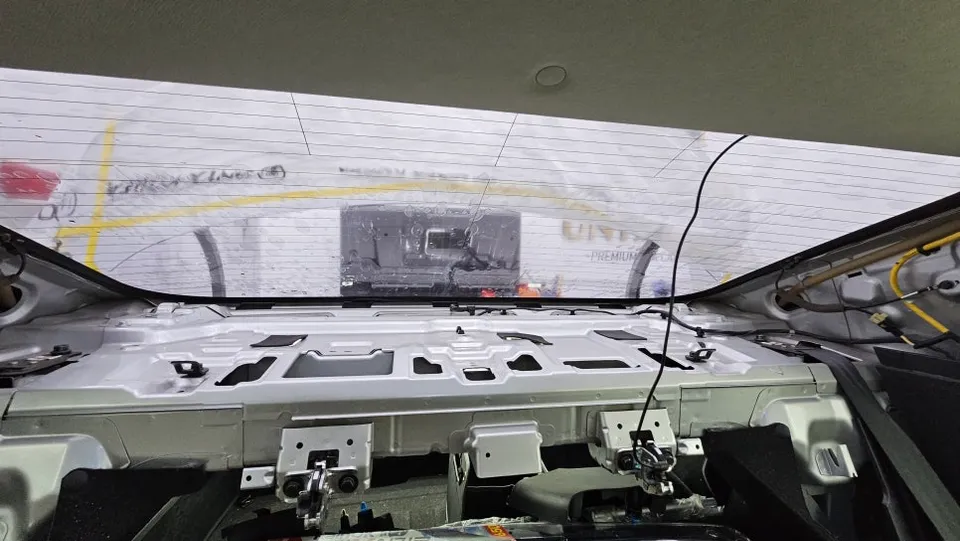
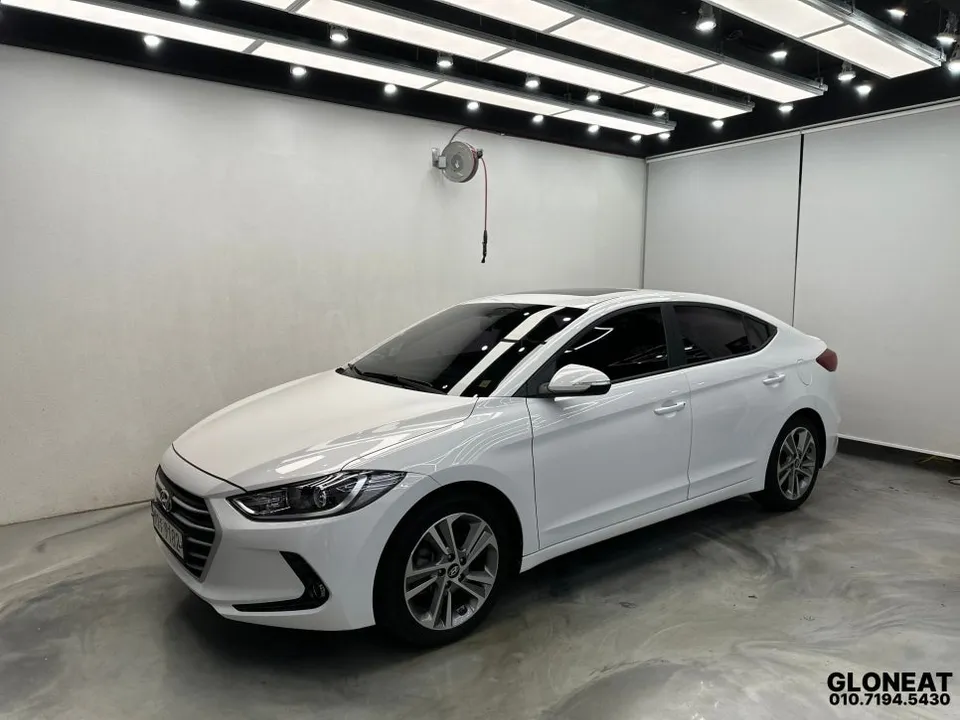
Hyundai Elantra window tinting review: Bubbling issues with cheap film addressed. Ceramic tint offers better heat rejection and UV protection.
Window Tinting for Your Hyundai Elantra: More Than Just Looks
The summer heat can be relentless, and for many car owners, the factory tint or low-quality films just don't cut it. This review delves into a recent window tinting experience for a Hyundai Elantra, focusing on the common issue of bubbling and peeling that arises from subpar materials or installation. We'll explore why this happens, the benefits of higher-quality films like ceramic tint, and what to expect in terms of cost and durability. The original Korean context highlights how cheap films can fail under heat, leading to unsightly bubbles, particularly on the rear window's defroster lines. This isn't just an aesthetic problem; it compromises the film's protective qualities.
Understanding Window Tinting Issues and Solutions
Bubbling on car windows, especially the rear defroster grid, is a frequent complaint. The Korean context points out that this often stems from low-cost films that can't withstand temperature fluctuations or improper application techniques. When these films degrade, they lose adhesion, creating air pockets that are visually unappealing and reduce the tint's effectiveness. Investing in quality window tinting, such as ceramic tint or advanced heat rejection film, can prevent these issues. These materials are designed for longevity and superior performance, offering better UV protection and heat reduction compared to basic dyed films. The goal is not just to darken the windows but to enhance comfort and protect the interior from sun damage.
The Window Tinting Installation Process and Durability
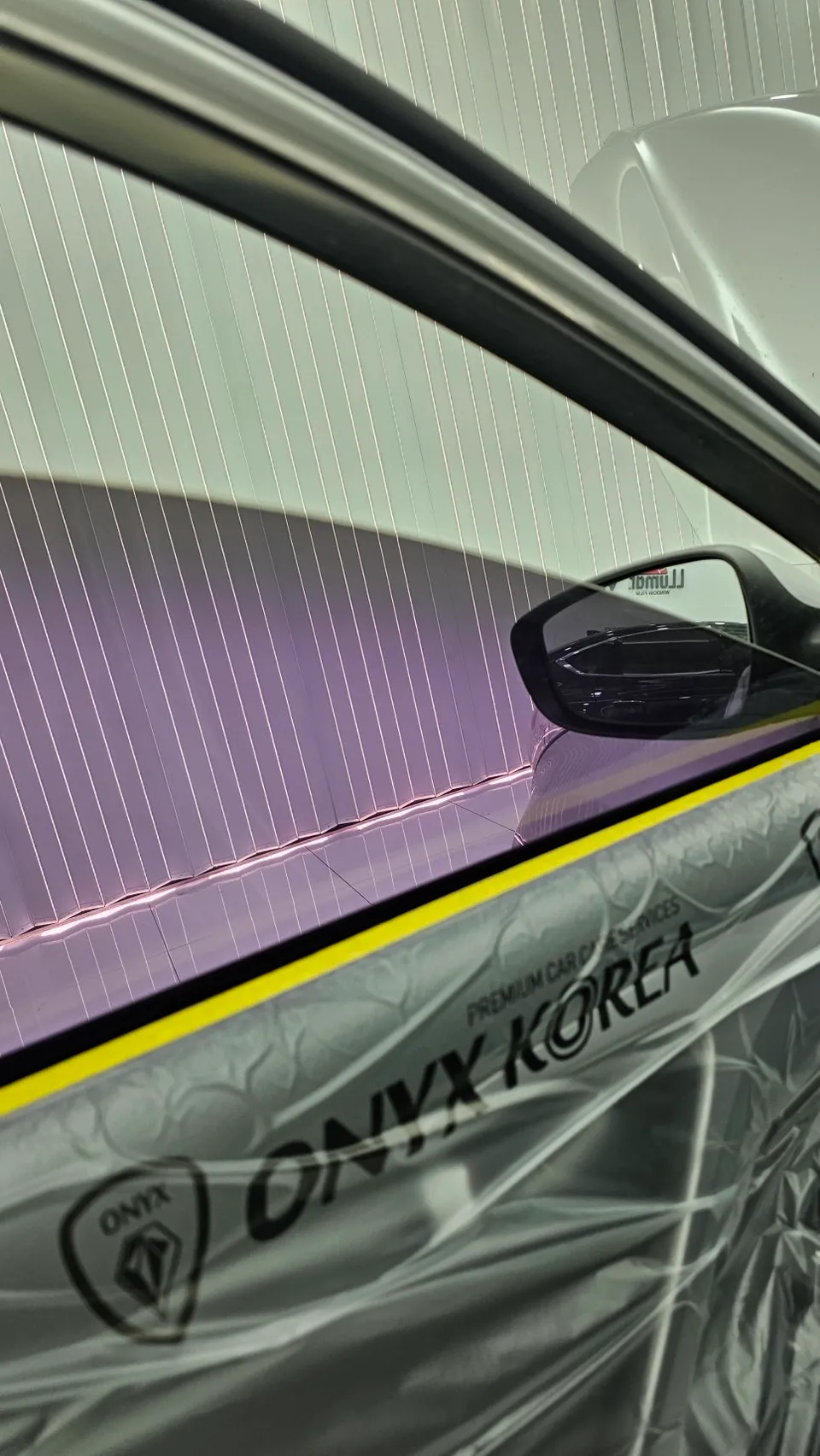
Proper window tinting installation is crucial for a long-lasting, bubble-free finish. The process typically involves meticulous cleaning of the glass, precise cutting of the film to match the window shape, and careful application using specialized tools and solutions to avoid air bubbles and ensure a smooth bond. The durability of the tint depends heavily on the quality of the film and the skill of the installer. High-quality films, like ceramic tints, are known to last many years without significant fading or peeling, provided they are maintained correctly. Maintenance usually involves simple cleaning with mild soap and water, avoiding abrasive materials.
Installation process:
- Thorough cleaning and preparation of the vehicle's glass surfaces.
- Precise cutting of the chosen window tint film to fit each window.
- Careful application of the film to the interior side of the glass, using heat and squeegees to remove air and water.
- Trimming excess film and allowing the tint to cure properly, typically for a few days.
The original context from Korea emphasizes that addressing issues like rear window defroster bubbles requires a professional touch and quality materials. While the specific installation mentioned was in Korea, the principles of good window tinting apply universally. For a Hyundai Elantra, the window tinting cost can vary significantly based on the film type and the shop, but investing in a reputable service ensures better results and longevity.
Frequently Asked Questions
Q. How much does window tinting cost for a Hyundai Elantra?
The specific window tinting cost mentioned in the Korean context was in KRW, with approximate USD equivalents varying. Typical US window tinting costs for a sedan like the Hyundai Elantra can range from $200 to $600 depending on the film type and number of windows.
Q. What tint percentage is legal for a Hyundai Elantra?
Legal tint percentages vary by state in the US and region in the UK; always check local regulations. High-quality window tint films, like ceramic tint, are designed for durability and can last for many years with proper care, which mainly involves gentle cleaning with mild soap and water.
Q. Is ceramic tint worth the extra cost for a Hyundai Elantra?
Ceramic tint is often worth the extra cost for drivers seeking superior heat rejection and UV protection without significantly darkening the windows. It provides a valuable upgrade in comfort and interior protection compared to basic dyed films.
Q. How is window tint installed on a Hyundai Elantra?
Window tint installation involves cleaning the glass thoroughly, precisely cutting the film to size, and applying it to the interior of the windows using a solution to help smooth out air and water. The film is then trimmed, and allowed to cure.
Q. What is the difference between ceramic and dyed window tint for a Hyundai Elantra?
Ceramic window tint uses non-metallic ceramic particles to block heat and UV rays, offering excellent performance without interfering with electronics, while dyed tint uses color pigments that can fade and offer less heat rejection. Ceramic tint is generally recommended for its superior durability and performance.
OhCar Partner Shop
More window tinting Reviews
See all →


More Hyundai Reviews

Pair with Another Service
Protect paint while you're at the shop
Add gloss and protection