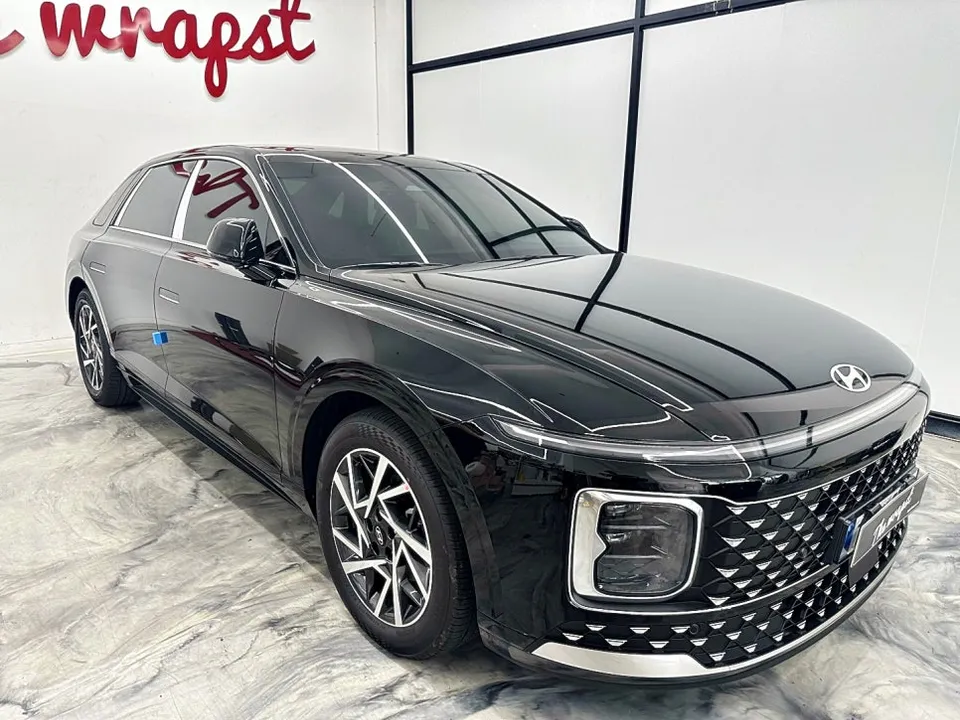
Ford Mustang Ceramic Coating vs. PPF: The Showdown
Now that we know what they are, let's break down how they stack up, especially for a performance machine like the Ford Mustang.
Protection Against Physical Damage
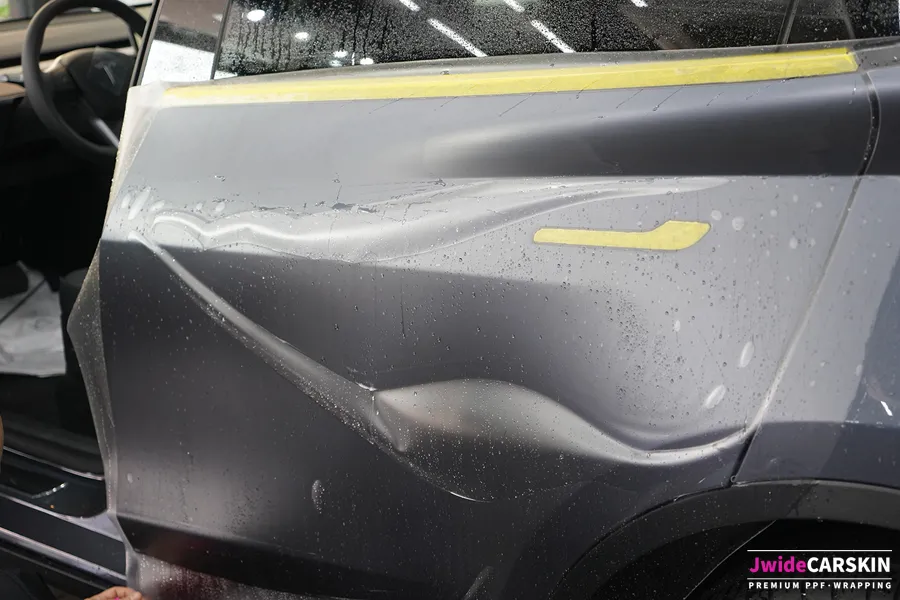
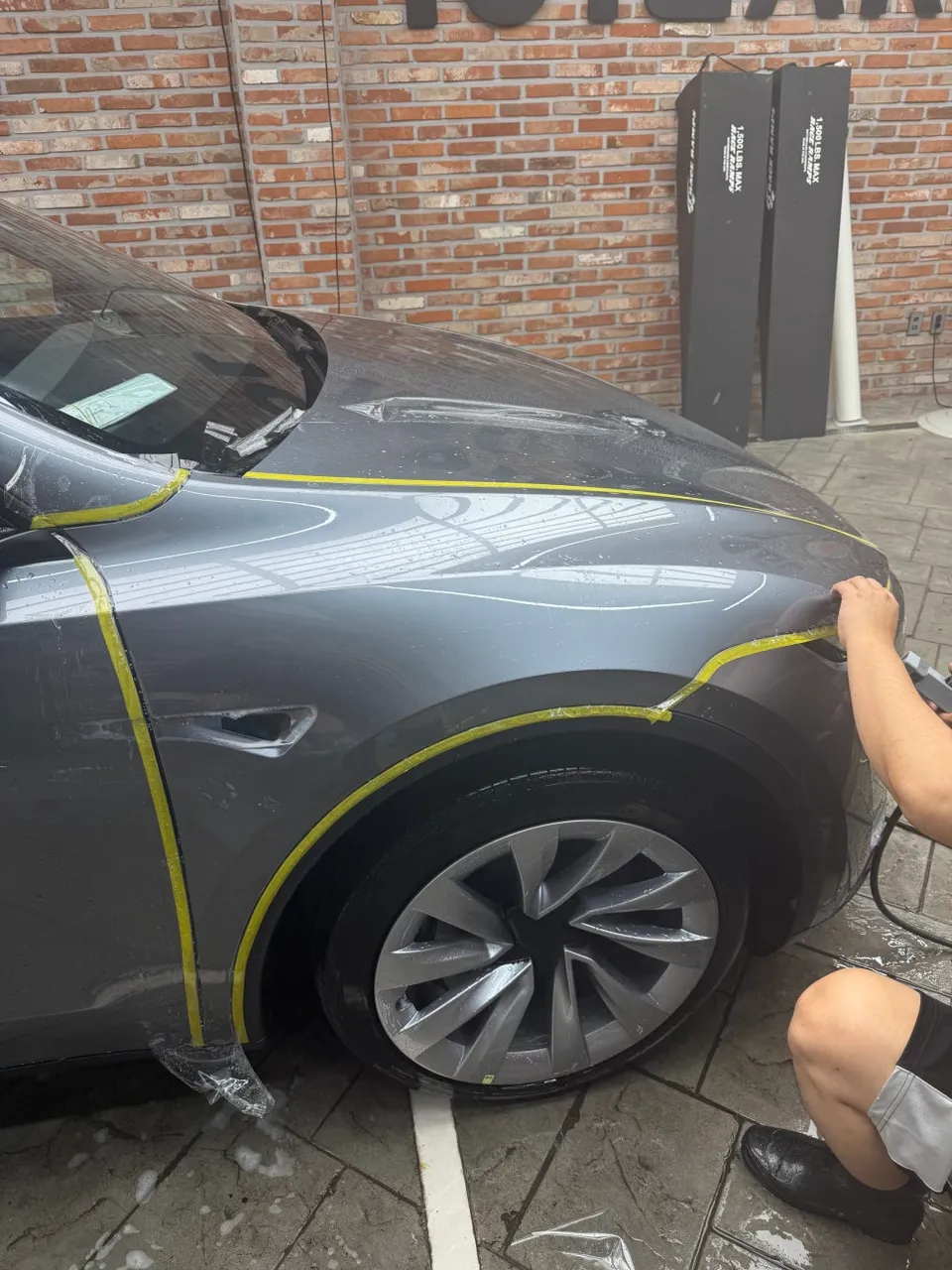
This is where the most significant difference lies. PPF is the undisputed champion when it comes to protecting against physical impacts. If you frequently drive on highways, live in an area with a lot of gravel roads, or are simply concerned about rock chips and door dings, PPF offers a robust physical shield. It can absorb the impact that would otherwise chip or scratch your paint. Ceramic coatings offer some minor scratch resistance against very light swirls, but they cannot prevent rock chips or deep scratches.
Protection Against Chemical Stains and Etching
Here, ceramic coating shines. Its hard, non-porous surface is highly resistant to chemical etching from contaminants like bird droppings, bug splatter, tree sap, and industrial fallout. While PPF also offers good chemical resistance, a high-quality ceramic coating will generally provide superior protection against these types of environmental hazards. If your Mustang often parks under trees or you frequently encounter these contaminants, a ceramic coating is a strong contender.
Durability and Lifespan
Both offer long-term protection, but their lifespans differ. A professionally applied ceramic coating can last anywhere from 2 to 10 years, depending on the product quality, application, and maintenance. PPF typically lasts 5 to 10 years, with some high-end films offering even longer warranties. It's important to note that PPF can yellow over time, especially if it's a lower-quality film or not properly maintained, though modern films have significantly improved in this regard.
Appearance and Gloss
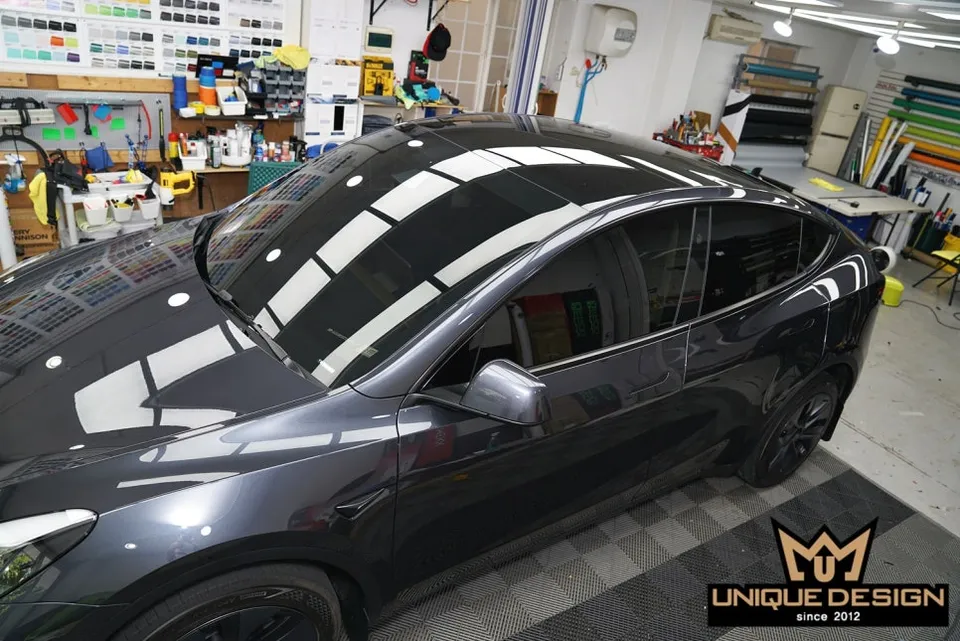
Both can enhance the appearance of your Mustang, but in different ways. A ceramic coating is renowned for its ability to add a deep, glossy, and slick finish to your paint. It can make your car look wetter and more reflective. PPF is typically very clear and can even add a subtle gloss of its own. However, some people find that PPF can slightly alter the appearance of the paint, sometimes giving it a more 'plastic' look, though this is less noticeable with high-quality films. Many PPF installations also include a ceramic coating on top of the film for added gloss and protection.
Maintenance and Cleaning
This is a significant win for both options. With a ceramic coating, the hydrophobic properties make washing your Mustang a breeze. Dirt and grime simply don't stick as easily, and water beads off, taking contaminants with it. With PPF, the film itself is smooth and resistant to staining, making it easy to wipe clean. However, it's crucial to use proper washing techniques for both to avoid damaging the protective layer. For detailed guidance, check out our OhCar Magazine for car care tips.
Cost Considerations
This is often a deciding factor. The cost of both services can vary significantly based on the quality of the product, the area you live in, and the installer's expertise. Generally, PPF is more expensive than ceramic coating. A full front-end PPF application on a Mustang can range from $1,500 to $3,000 or more. A full car PPF can easily exceed $5,000. For comparison, a professional ceramic coating for a Mustang typically ranges from $800 to $2,500. You can find more detailed pricing information in our PPF cost guide, which also touches upon ceramic coating pricing.
It's worth noting that some installers offer partial PPF applications (e.g., just the front bumper, hood, and fenders) which can be a more budget-friendly option, often costing between $600 and $1,500. Our database shows a wide range of PPF costs, with some Tesla Model Y full PPF reviews indicating prices over $2,800, and others for Kia models being more affordable or not disclosing specific pricing.