Hyundai Elantra Window Tinting Review: Bubble Repair & Cost
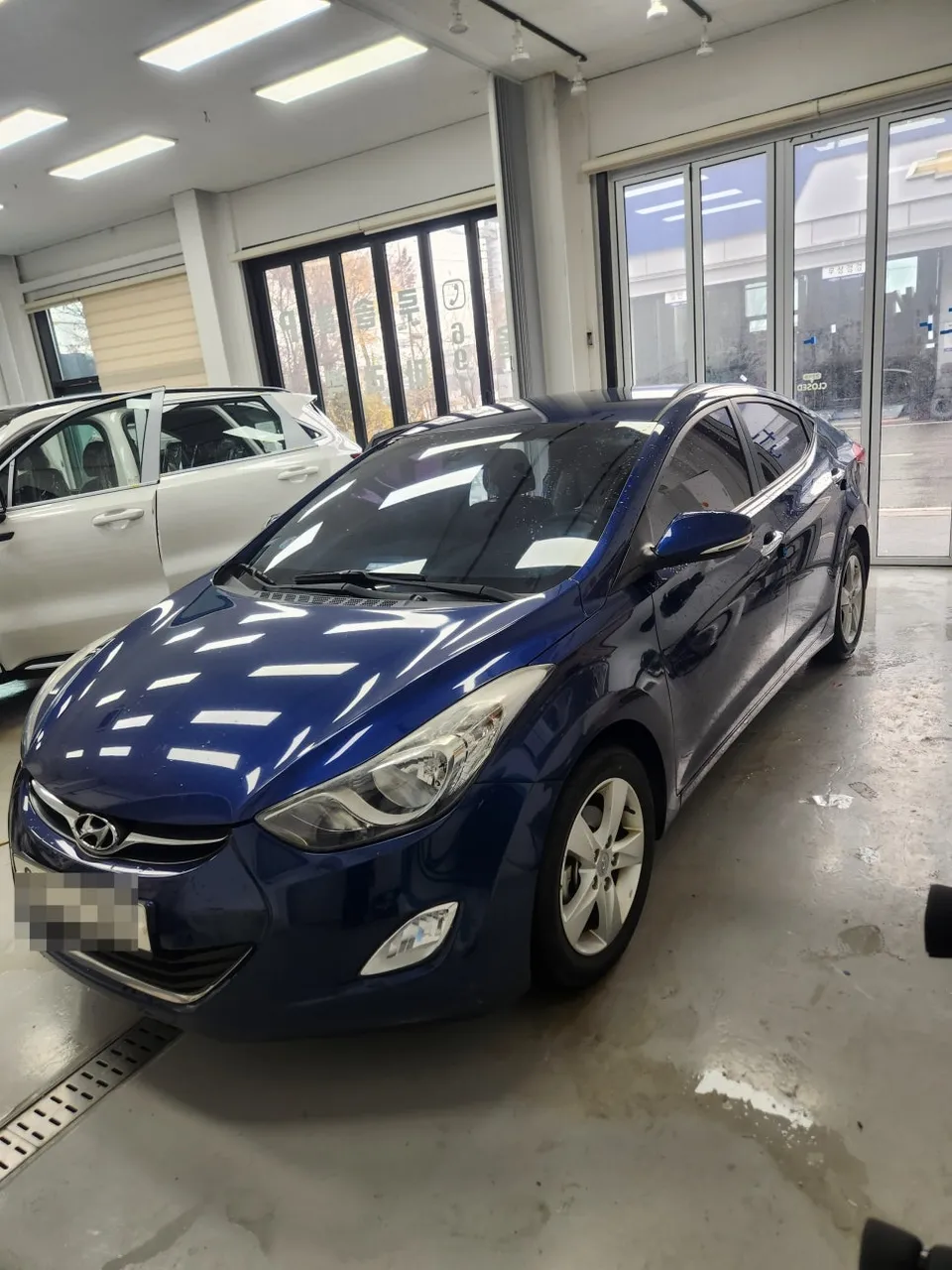
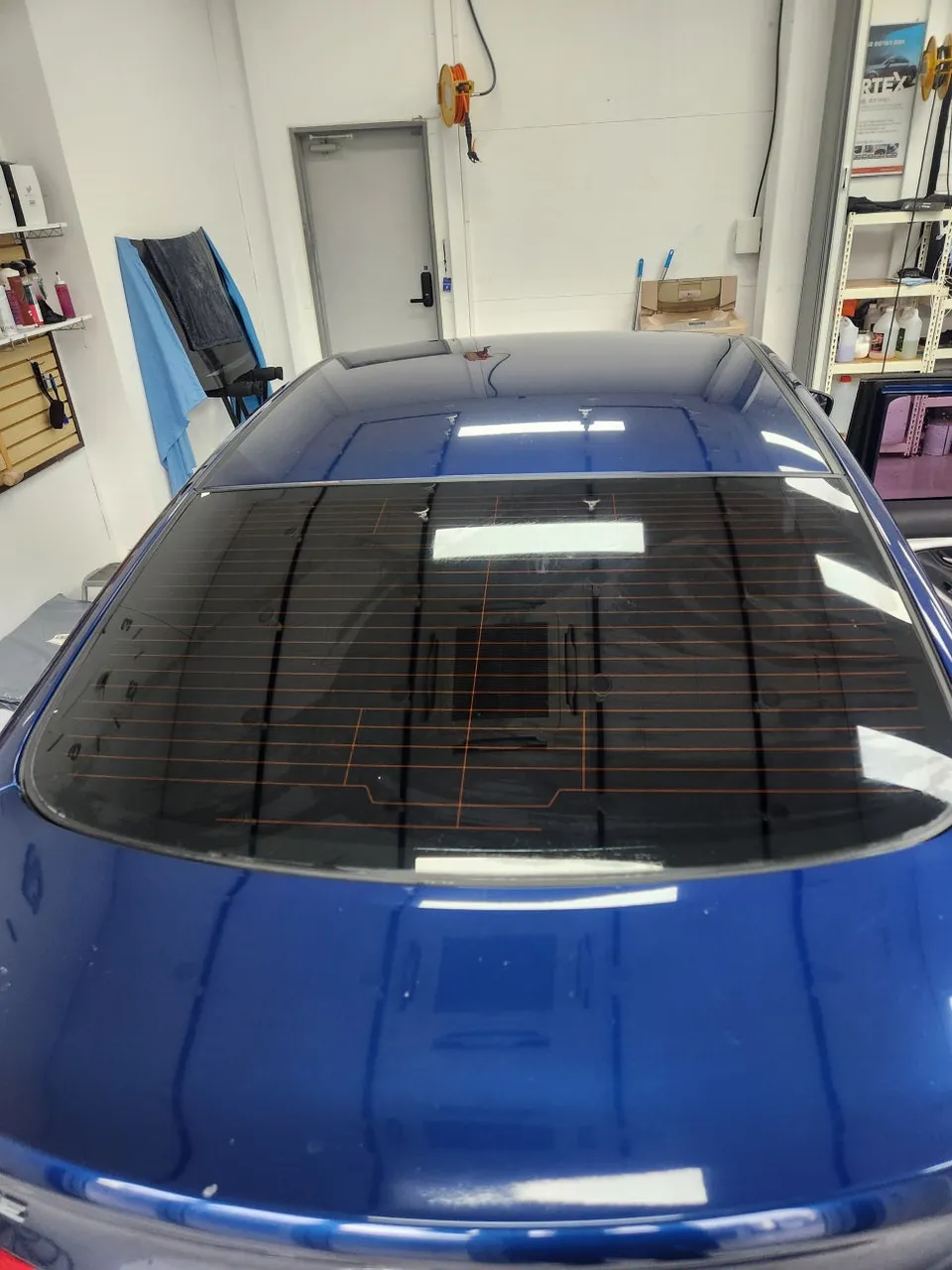
Before
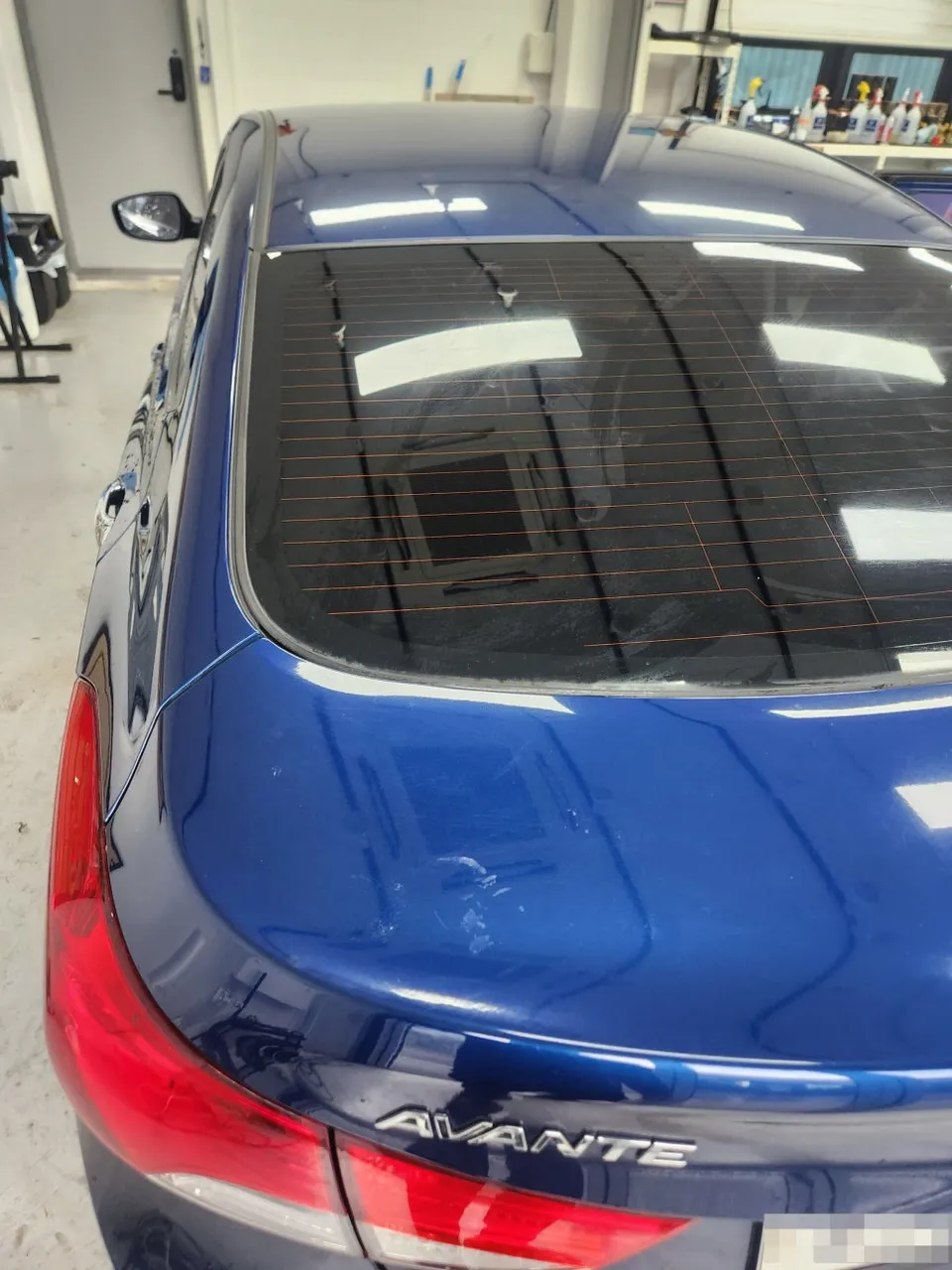
After
Process photos
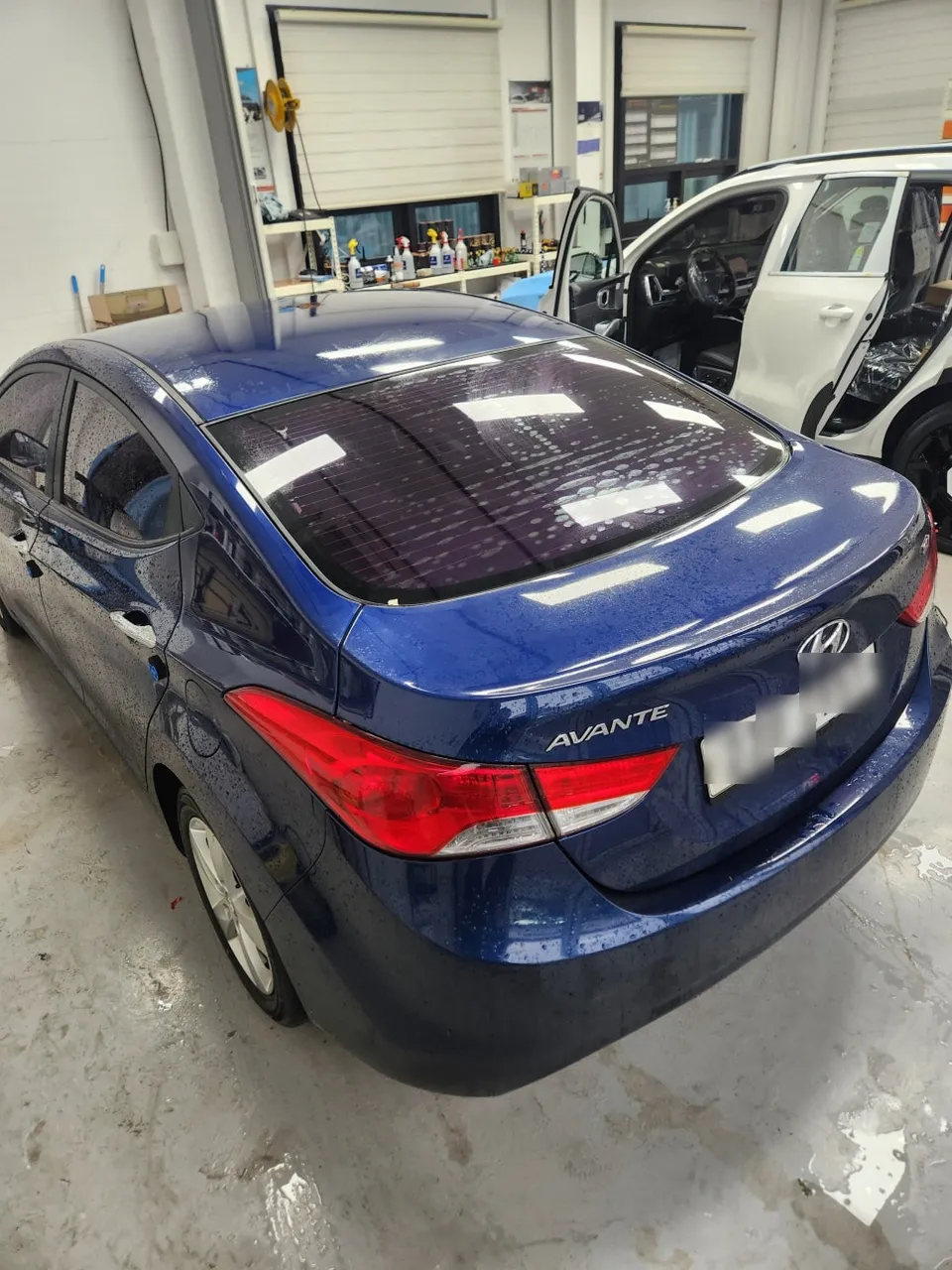
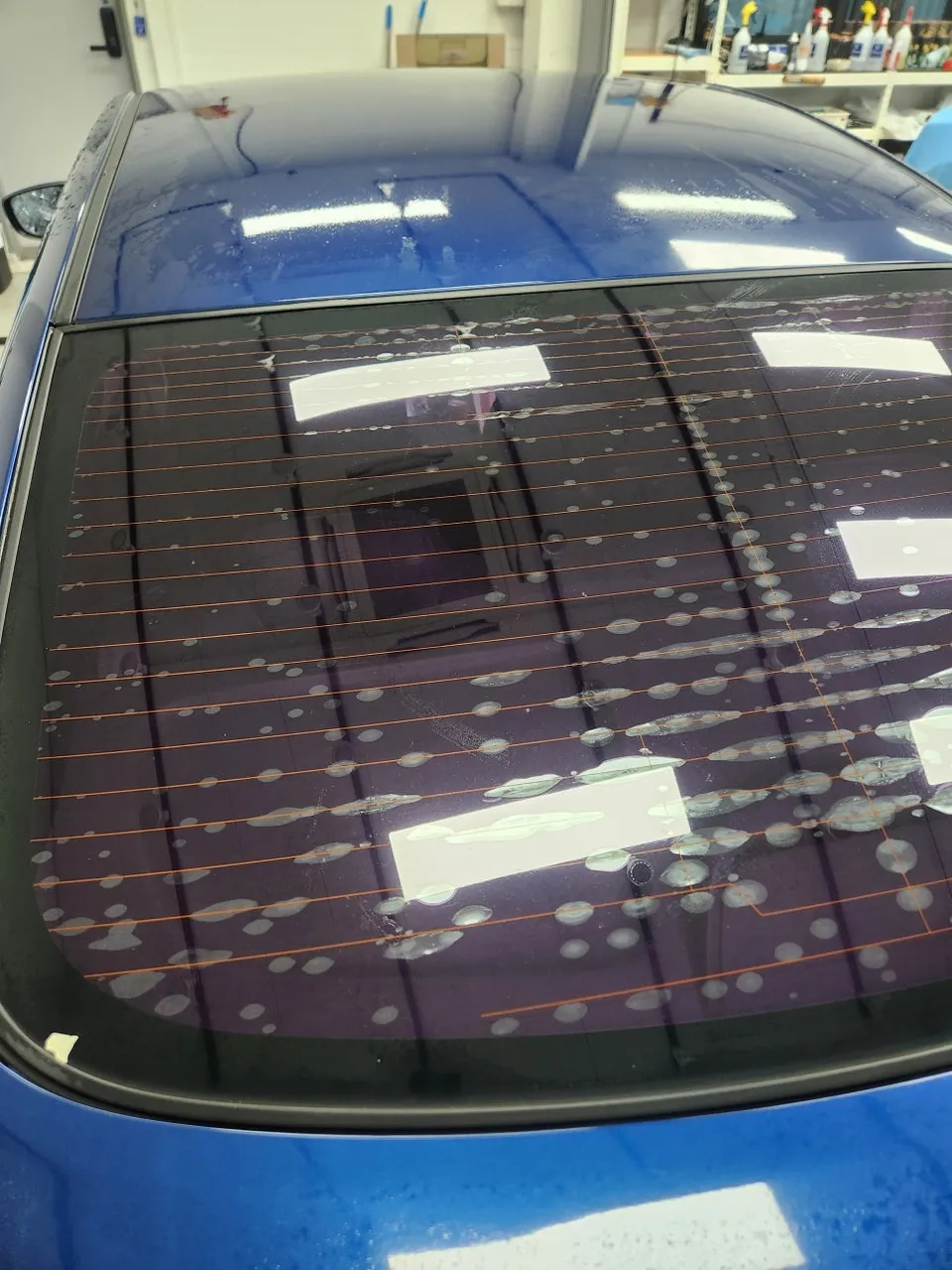
Hyundai Elantra rear window tinting repair: Bubbles removed and new film applied. Cost in Korea approx. $75-$150 USD. Benefits include UV protection a
Hyundai Elantra Rear Window Tint Repair
This Hyundai Elantra came in for a much-needed rear window tinting service. The original tint had developed unsightly bubbles, particularly on the heated rear window, a common issue that can detract from the vehicle's appearance and potentially compromise visibility. The goal of this service was to remove the old, defective tint and apply a fresh, high-quality film to restore the Elantra's look and provide the benefits of professional window tinting.
The Window Tinting Process
Professional window tinting, especially when addressing issues like bubbling, requires precision and the right materials. The process typically involves several key steps to ensure a clean, durable, and aesthetically pleasing result. For this Elantra, the focus was on a flawless application on the rear window, ensuring the heating elements remained functional and the tint adhered smoothly.
Installation process:
- Surface Preparation: The existing tint was carefully removed, and the rear window was thoroughly cleaned to eliminate any adhesive residue or debris. This step is crucial for ensuring the new tint adheres properly.
- Film Cutting and Application: The new window tint film was precisely cut to match the contours of the Elantra's rear window. It was then applied using a specialized solution to allow for adjustments and to prevent air bubbles during application.
- Heat Shrinking and Smoothing: Heat was applied to the film to shrink it to the window's curvature, especially around the defroster lines. A squeegee was used to meticulously remove any remaining water or air, ensuring a smooth, bubble-free finish.
- Curing and Inspection: The newly tinted window was left to cure. A final inspection ensured there were no imperfections, bubbles, or lifting edges, confirming a professional installation.
Benefits and Durability
Beyond aesthetics, quality window tinting offers significant benefits. It helps reject solar heat, reducing cabin temperature and improving air conditioning efficiency. Crucially, it blocks harmful UV rays, protecting both occupants and the car's interior from sun damage. High-quality films, like those from brands such as Llumar and Solar Gard, are designed for longevity, resisting peeling, bubbling, and color fading for many years. Proper maintenance, such as avoiding harsh cleaning chemicals and allowing the tint to fully cure before washing, will extend its lifespan. While the specific cost for this Elantra's rear window re-tint in South Korea was not detailed, such services typically range from ₩100,000 to ₩200,000 (approximately $75-$150 USD), depending on the film type and shop. When considering window tinting for your Hyundai Elantra, weigh the upfront cost against the long-term benefits of comfort, protection, and improved vehicle appearance.
Frequently Asked Questions
Q. How much does window tinting cost for a Hyundai Elantra?
For a Hyundai Elantra's rear window re-tint in Korea, costs typically range from ₩100,000 to ₩200,000 (approximately $75-$150 USD). Full vehicle tinting costs can vary significantly based on film type and the number of windows.
Q. What tint percentage is legal for a Hyundai Elantra?
Legal tint percentages vary by state in the US and region in the UK; always check local regulations. High-quality ceramic tint offers excellent heat rejection and UV protection, lasting many years with proper care.
Q. Is ceramic tint worth the extra cost for a Hyundai Elantra?
Ceramic tint is highly recommended for its superior heat rejection and UV blocking capabilities, making it worth the investment for enhanced comfort and interior protection. It's ideal for drivers seeking maximum performance without a dark appearance.
Q. How is window tint installed on a Hyundai Elantra?
Installation involves meticulously cleaning the glass, precisely cutting the tint film to size, applying it with a solution to ensure a smooth finish, and using heat to conform the film to the window's curves, especially around defroster lines.
Q. What is the difference between ceramic and dyed window tint for a Hyundai Elantra?
Ceramic tint uses non-metallic ceramic particles for heat and UV rejection, offering superior performance and clarity, while dyed tint uses coloring agents that can fade over time. Ceramic tint is the better long-term investment for heat rejection and durability.
OhCar Partner Shop
More window tinting Reviews
See all →


More Hyundai Reviews
Pair with Another Service
Protect paint while you're at the shop
Add gloss and protection