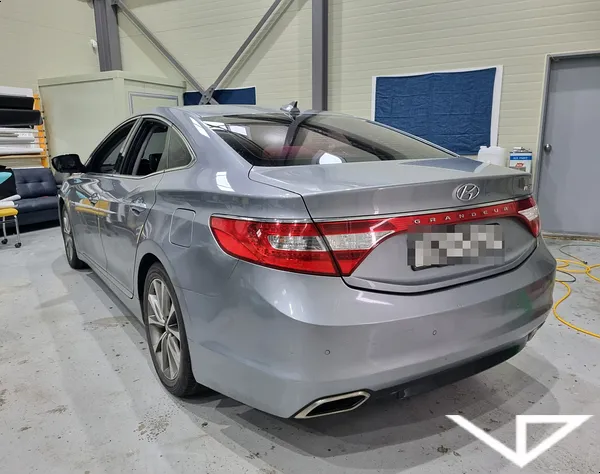
Hyundai Equus OEM Options Retrofit Review
Before
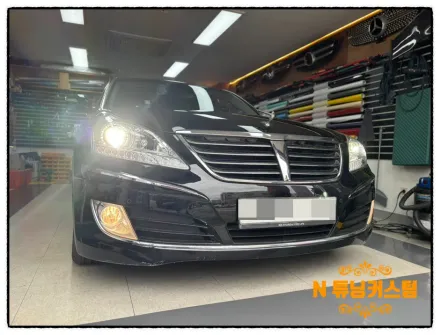
After
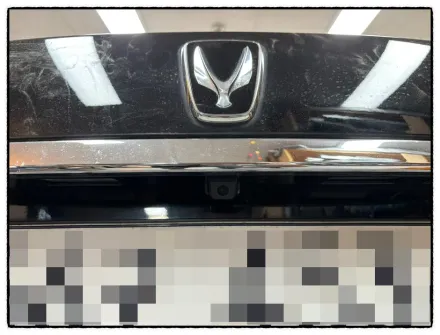
Process photos


Hyundai Equus VS380 rear camera retrofit: Approx. $75-$90 USD. Offers cost savings and improved image quality over OEM.
Considering OEM Options for Your Hyundai Equus?
Many Hyundai Equus VS380 owners face issues with their factory-installed rear-view cameras. When the original unit malfunctions, the question arises: can you opt for an aftermarket solution instead of a costly OEM replacement? This review explores the feasibility, cost-effectiveness, and results of retrofitting OEM options, specifically focusing on the rear camera for the Equus VS380. While the original context is from South Korea, the principles of cost savings and quality improvements are universally applicable for car owners seeking alternatives to expensive factory parts.
Cost and Benefits of Factory Option Retrofits
The primary driver for considering non-OEM options is often the significant cost difference. For a Hyundai Equus VS380, the genuine OEM rear camera unit alone can cost around 250,000 Korean Won (approximately $180-$200 USD, depending on exchange rates). In contrast, a comparable aftermarket camera installation can be done for approximately 100,000 Korean Won (around $75-$90 USD). This represents a potential saving of about 150,000 Korean Won (roughly $110-$130 USD) per component. Beyond just saving money, modern aftermarket cameras often provide superior image quality compared to older OEM units, offering a clearer and wider view of your surroundings. This can enhance both convenience and safety during parking and reversing maneuvers.

Installation Process and Considerations
Retrofitting an OEM option, such as a rear camera, typically involves integrating the new unit with your vehicle's existing wiring. While some modifications to the original wiring harness might be necessary, professional installers often use specialized connectors to ensure a clean and reversible installation. This approach makes future camera replacements easier. The wiring is carefully routed along the factory lines to minimize interference and noise, ensuring a clear signal. The new camera is then securely mounted in the original location, maintaining the vehicle's aesthetic. After installation, a thorough test is conducted to verify proper function and image clarity. It's crucial to use reputable, quality-tested products to ensure durability and performance. For vehicles without advanced features like surround-view systems, the installation of a rear camera is generally more straightforward.
Installation Process:
- Removal of the existing or faulty OEM rear camera.
- Integration of the new camera's wiring harness, often using adapter connectors for a clean setup.
- Secure mounting of the new aftermarket camera in the original position.
- Testing the camera's functionality and image quality on the vehicle's display.
When choosing a rear camera, prioritize image quality, durability, and compatibility with your specific Equus model. Consulting with a service provider to assess your vehicle's condition and discuss exact costs and options is the most accurate way to proceed. Platforms that aggregate reviews and installation photos from actual owners can be invaluable resources for finding trusted service providers and understanding real-world results.
Frequently Asked Questions
Q. How much does OEM option and factory upgrade installation cost for a Hyundai Equus?
For a Hyundai Equus VS380, replacing a faulty OEM rear camera with an aftermarket unit typically costs around 100,000 KRW (approx. $75-$90 USD). Genuine OEM replacement parts can cost significantly more, often around 250,000 KRW.
Q. How long does OEM options installation take on a Hyundai Equus?
The durability of aftermarket OEM options like rear cameras is generally good, comparable to OEM units when quality products are used. Regular cleaning of the camera lens is the primary maintenance needed to ensure a clear view.
Q. Are OEM options worth adding after purchase for a Hyundai Equus?
Yes, retrofitting OEM options like a rear camera can be worth it, especially if the original unit is faulty and OEM replacement costs are high. Owners seeking better image quality or cost savings often find aftermarket solutions provide excellent value.
Q. How are OEM factory options installed on a Hyundai Equus?
Installation typically involves removing the old unit, integrating the new camera's wiring (sometimes with adapter harnesses), securely mounting the new camera in the original location, and testing its functionality. Professional installers aim for a clean integration with existing vehicle systems.
Q. What is the difference between dealer-installed options and aftermarket upgrades for a Hyundai Equus?
Dealer-installed options are typically genuine OEM parts, ensuring perfect compatibility but often at a higher price. Aftermarket upgrades use non-OEM parts, which can offer significant cost savings and potentially better performance, though compatibility and quality should be carefully verified.
OhCar Partner Shop