Hyundai Elantra Performance Exhaust Upgrade Review

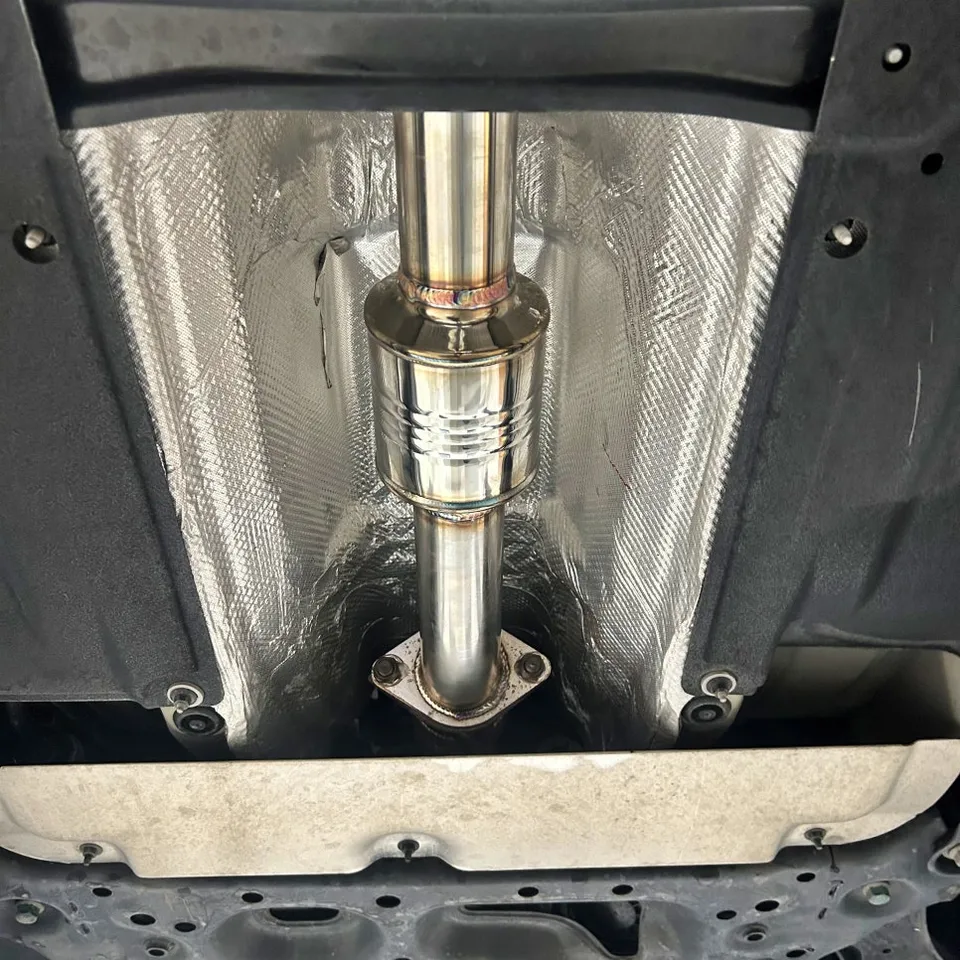
Hyundai Elantra N custom catback exhaust with carbon tips: Enhances sound and aesthetics. Installation involves replacing stock exhaust.
Hyundai Elantra N Custom Exhaust Upgrade
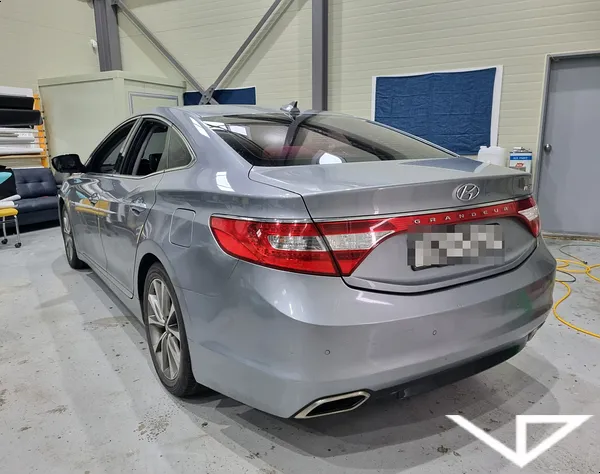
This review covers a performance exhaust upgrade for the Hyundai Elantra N, specifically a custom mid-end electronic variable exhaust system with carbon muffler tips. The goal of such an upgrade is typically to enhance the vehicle's sound profile and potentially improve exhaust flow for a slight performance gain. The original Korean context highlights a specific tuning package that includes a variable exhaust, allowing the driver to control the sound level, and distinctive carbon fiber muffler tips for a sportier aesthetic. This type of modification is popular among enthusiasts looking to personalize their vehicle's auditory and visual appeal.
Performance and Sound Enhancement
The primary benefit of a performance exhaust upgrade like this catback system is the transformation of the Elantra N's sound. While the stock exhaust can be somewhat muted, a performance exhaust aims to deliver a more aggressive, sporty tone. The electronic variable feature is a key aspect, offering flexibility. At lower RPMs or when the valve is closed, the exhaust note can remain relatively subdued, suitable for daily driving or cruising. However, when the valve is opened, it allows for a much louder and more resonant exhaust sound, enhancing the driving experience, especially during spirited driving. While significant horsepower gains are not always guaranteed with just a catback exhaust, improved exhaust flow can contribute to a marginal increase in power and throttle response. The carbon muffler tips add a visual flair, giving the rear of the car a more premium and performance-oriented look.
Installation Process and Durability
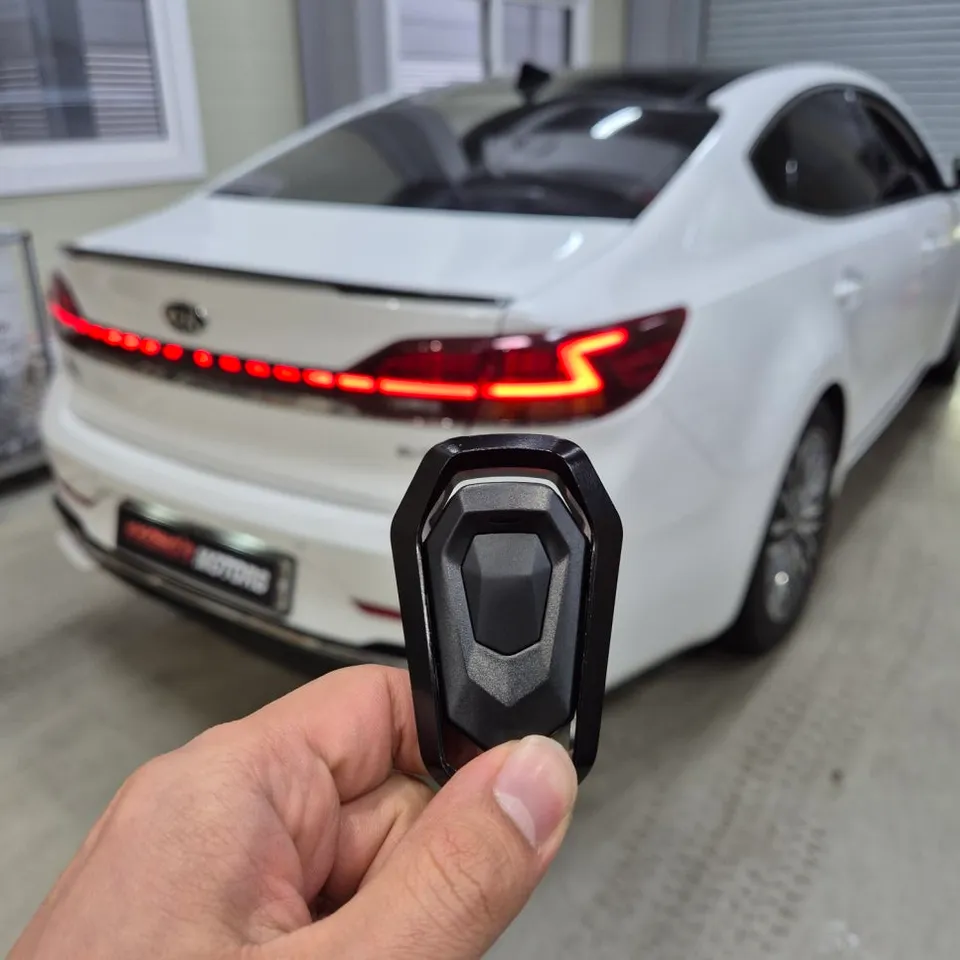
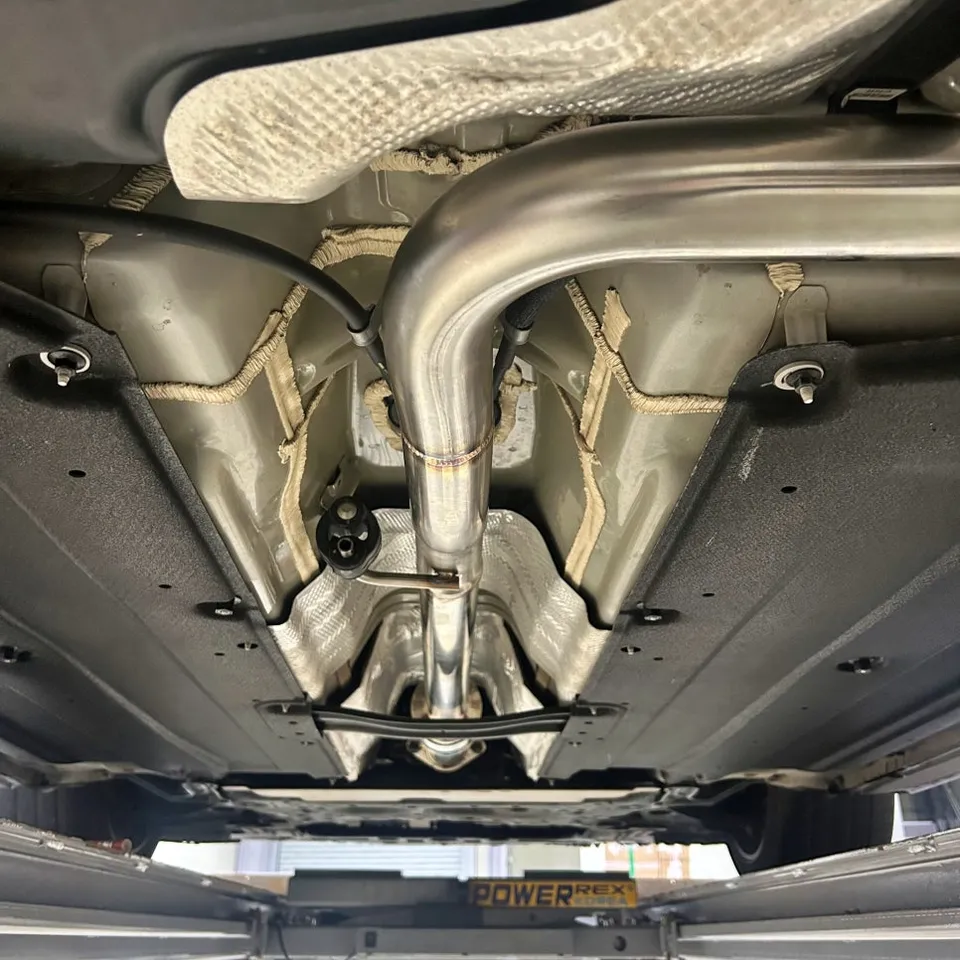
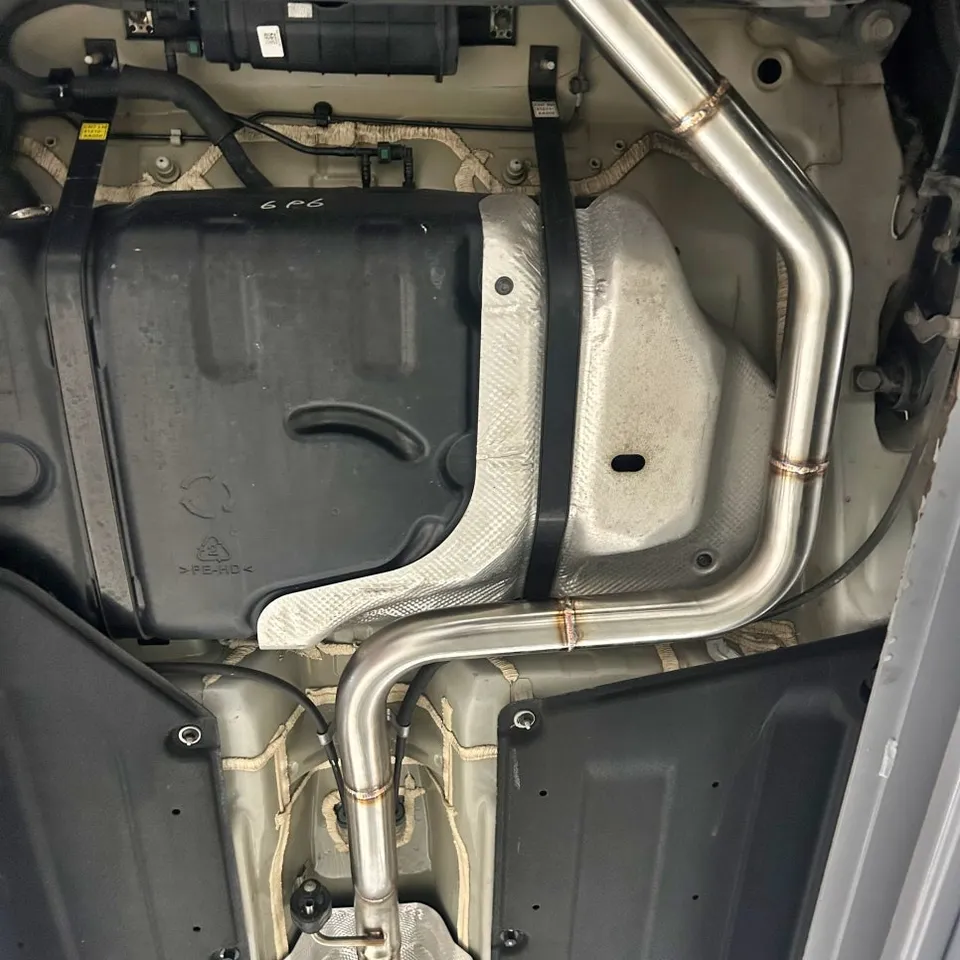
The installation of a catback exhaust system generally involves removing the factory exhaust components from the catalytic converter back and replacing them with the new performance parts. For this specific Hyundai Elantra N upgrade, the process would include fitting the custom mid-section and the new muffler with carbon tips. The electronic valve mechanism also requires proper wiring to the vehicle's electrical system, often integrated with a switch or controlled via a remote. The durability of such systems depends on the materials used. Stainless steel is common for its corrosion resistance and longevity. The carbon fiber tips are primarily for aesthetics and are generally durable, though they require care to maintain their finish. Regular checks for leaks and ensuring the electronic valve operates smoothly are part of the maintenance for this type of performance exhaust.
Installation process:
- Removal of the stock exhaust system from the mid-pipe back.
- Installation of the new custom mid-section pipe.
- Attachment of the electronic variable muffler with carbon fiber tips.
- Wiring and integration of the electronic valve control system.
- Testing for exhaust leaks and proper valve operation.
Frequently Asked Questions
Q. How much does an exhaust upgrade cost for a Hyundai Elantra?
This specific custom exhaust upgrade in Korea was approximately 1,500,000 KRW (around $1,100 USD). Catback exhaust systems for a Hyundai Elantra in the US can range from $500 to $2,000 depending on the brand and features.
Q. How does an exhaust upgrade affect performance on a Hyundai Elantra?
A performance exhaust upgrade can improve exhaust flow, potentially leading to a slight increase in horsepower and throttle response. These systems are generally designed for long-term durability, but regular checks for exhaust leaks are recommended.
Q. Is an exhaust upgrade worth it for a Hyundai Elantra?
An exhaust upgrade is most worth it for Elantra owners seeking a more aggressive sound and sportier appearance. The value proposition lies in the enhanced driving experience and customization, rather than significant performance gains alone.
Q. How is an exhaust system upgraded on a Hyundai Elantra?
The installation process typically involves removing the factory exhaust from the mid-pipe back. A new performance catback system, including a mid-section and muffler with upgraded tips, is then fitted. For systems with electronic valves, proper wiring to the vehicle's electrical system is also completed.
Q. What is the difference between a catback and axleback exhaust for a Hyundai Elantra?
A catback exhaust replaces the entire exhaust system from the catalytic converter back, offering more potential for performance gains and sound modification. An axleback exhaust only replaces the muffler and tips at the very rear, providing a simpler, less impactful upgrade primarily for sound and aesthetics.
OhCar Partner Shop