Hyundai i40 360 Camera Install Review
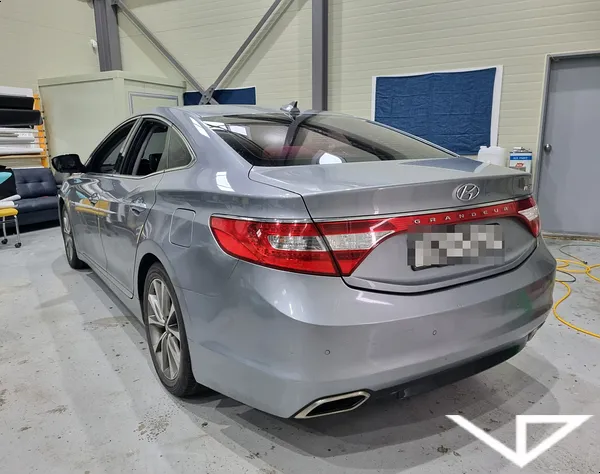
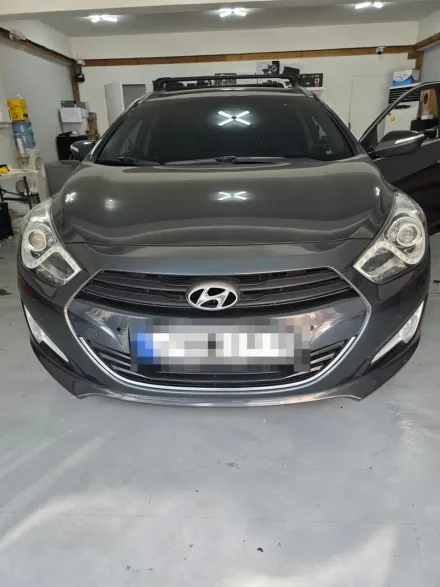
Before
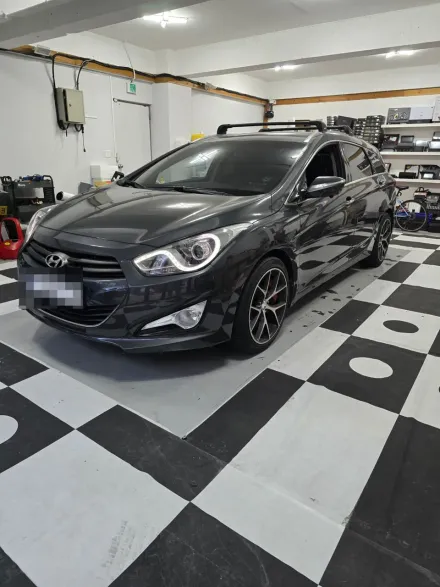
After
Process photos
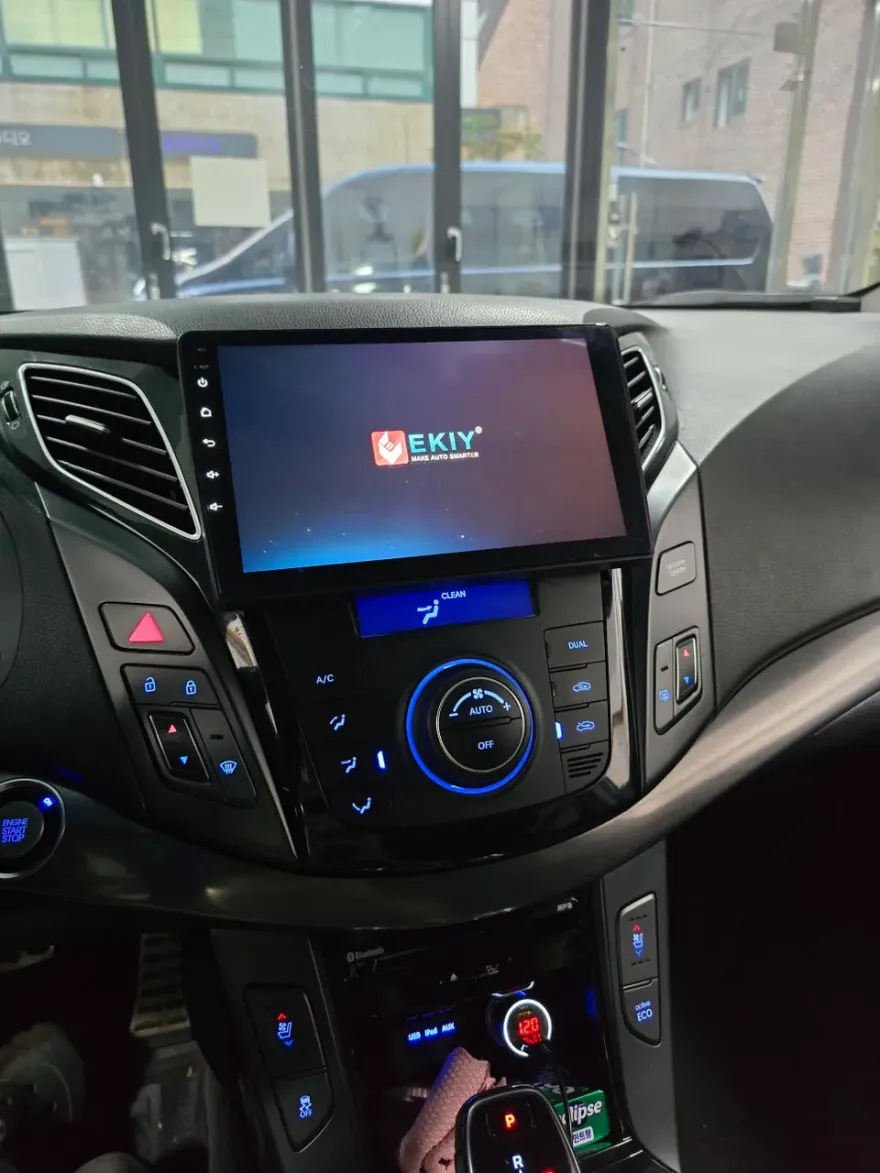
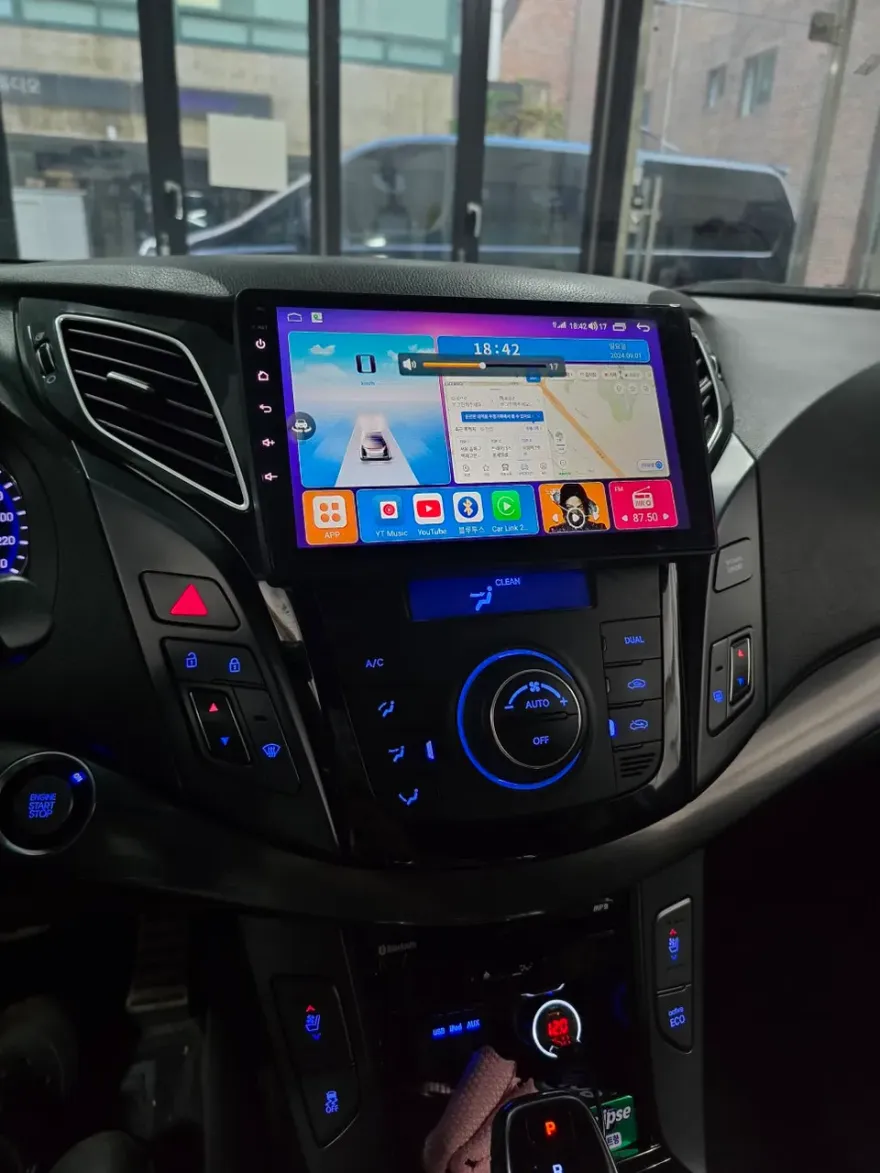
Hyundai i40 360 camera installation using AliExpress parts. Provides bird's-eye view for enhanced parking.
Hyundai i40 Surround View Camera Installation
This review covers the installation of an aftermarket Android All-in-One unit with a 360-degree surround view camera system on a Hyundai i40. The owner sourced the components directly from AliExpress, a popular online marketplace for electronics. The goal was to enhance the i40's parking and maneuvering capabilities, providing a bird's-eye view of the vehicle's surroundings. This type of around view monitor system is particularly useful for navigating tight spaces and avoiding low-speed collisions.
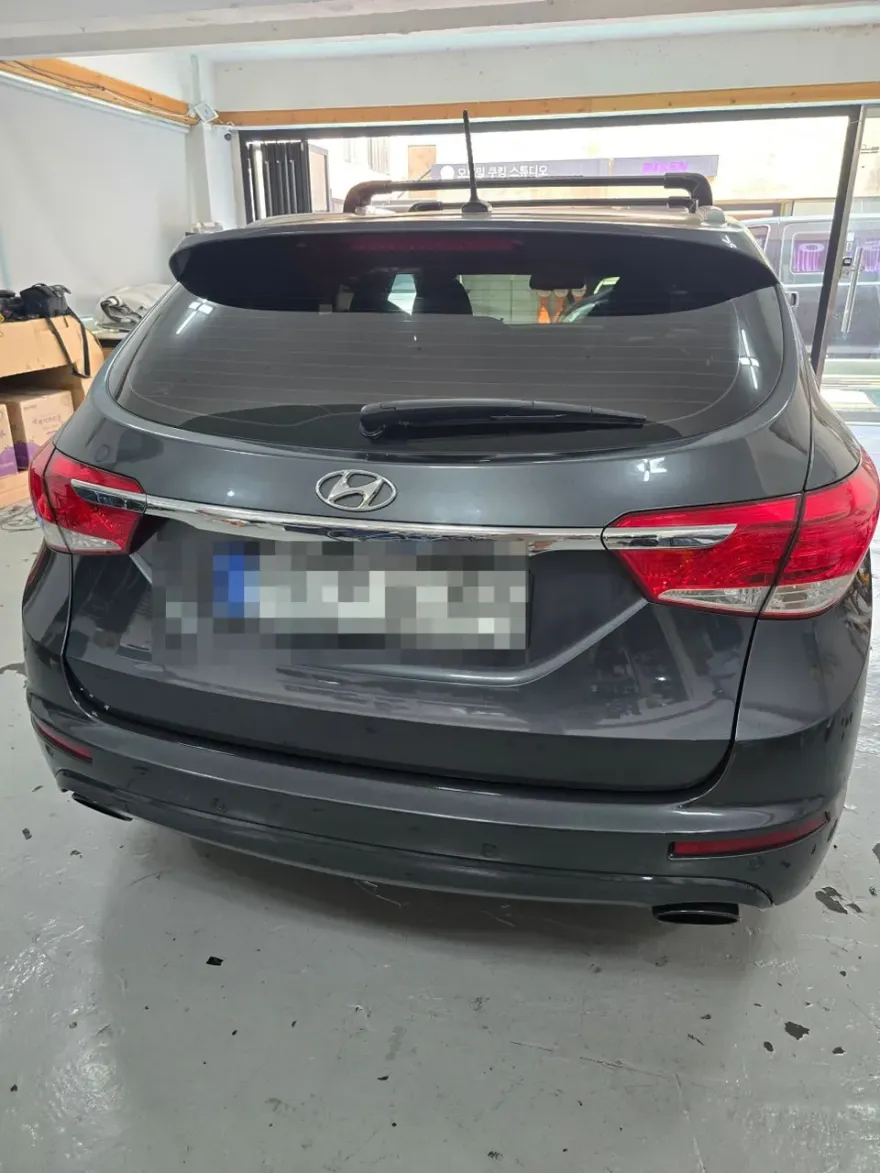
Before and After: Enhanced Visibility
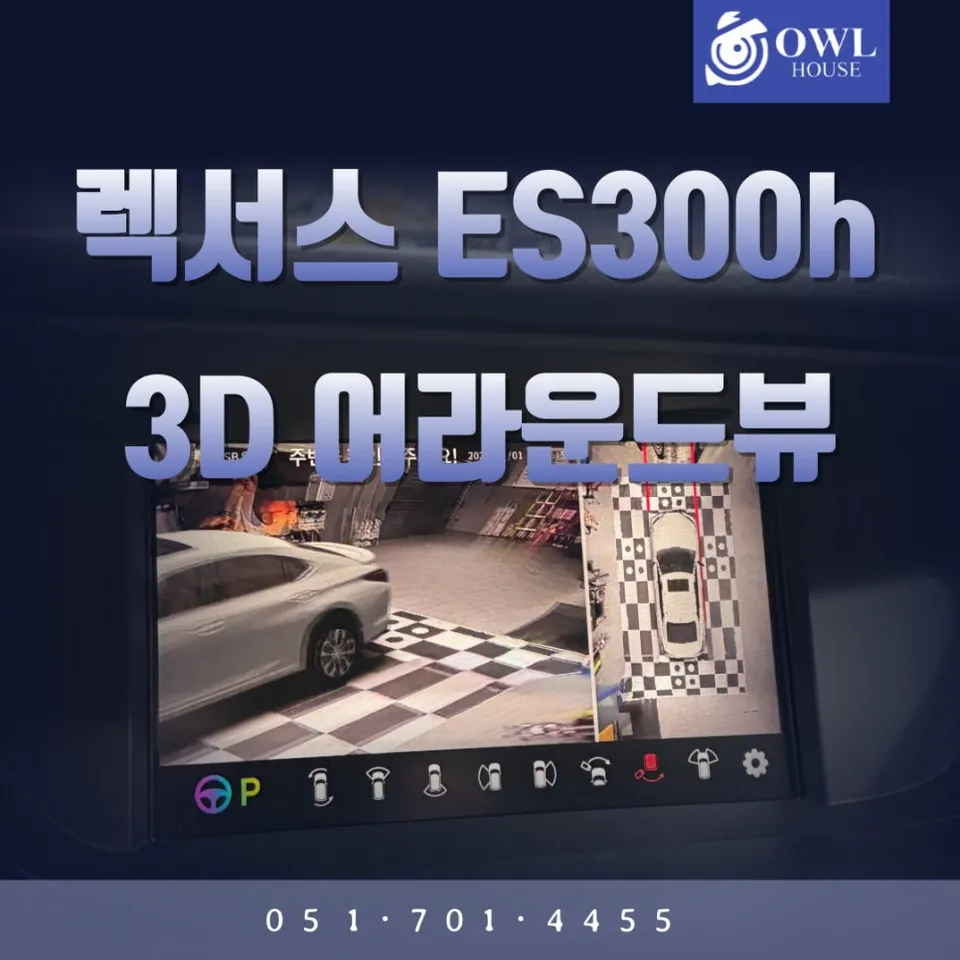
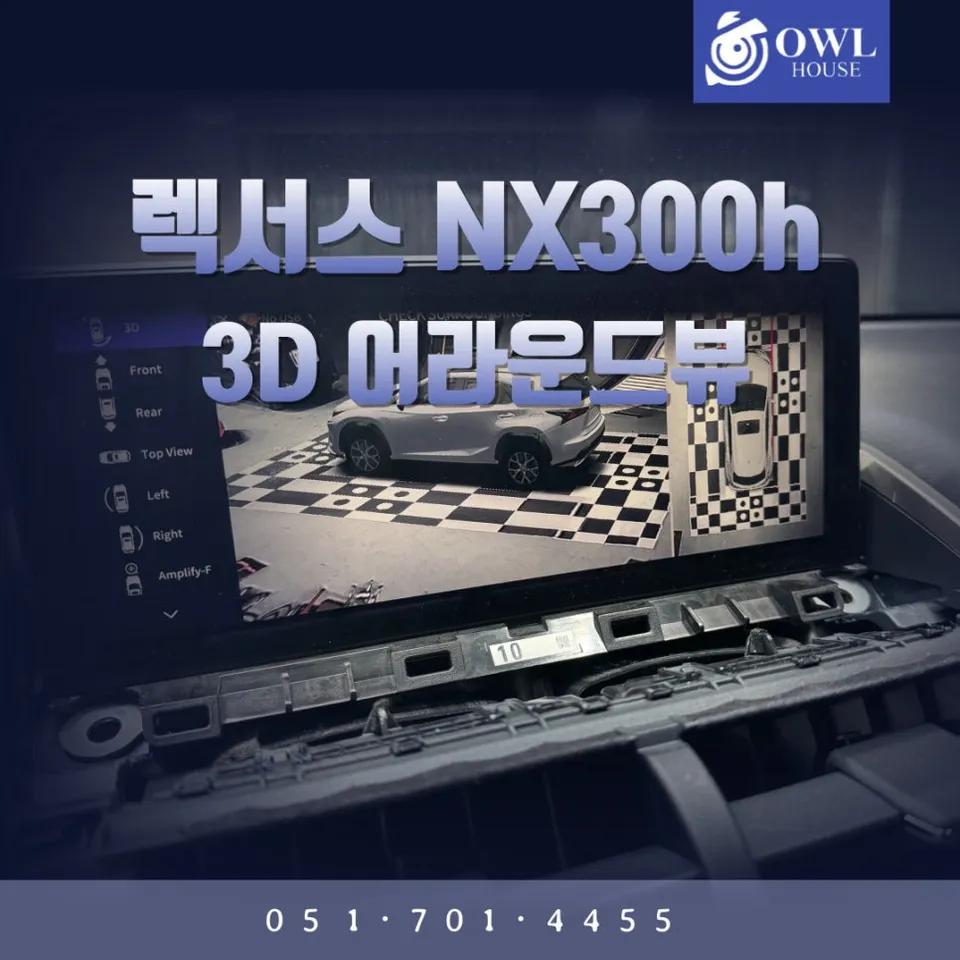
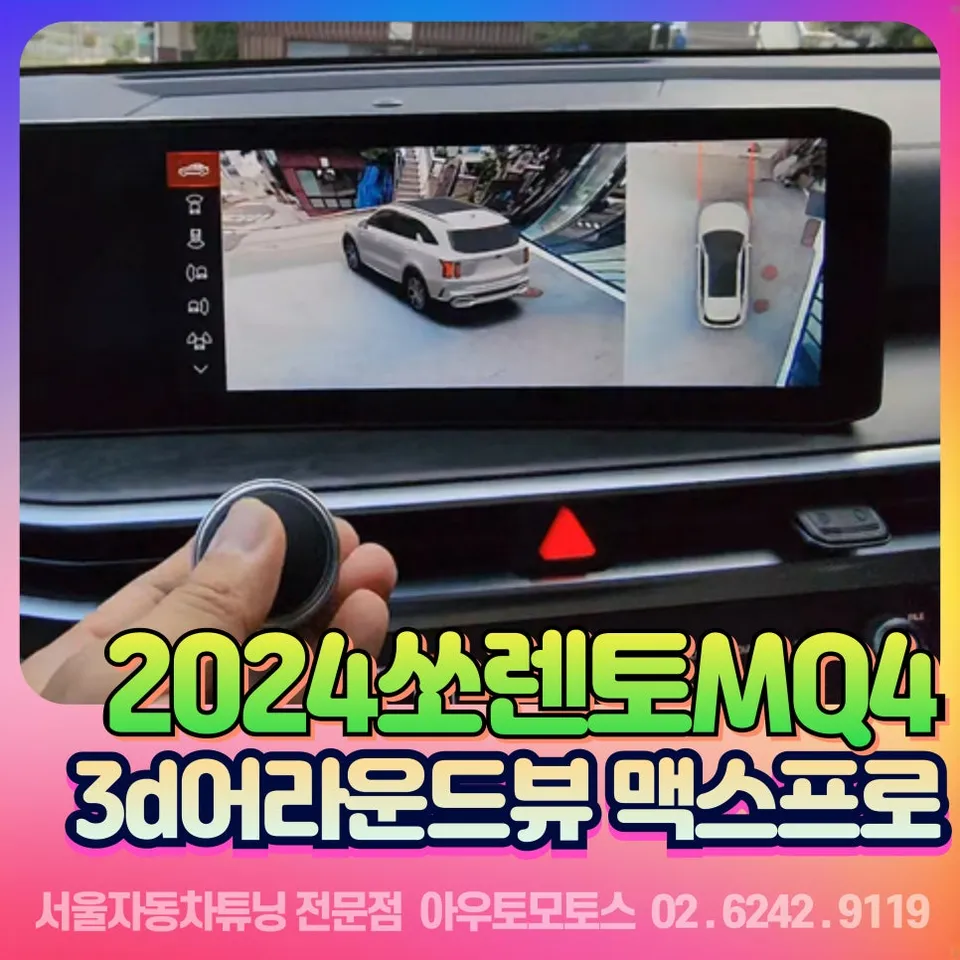
Before the installation, the Hyundai i40 relied on standard rearview mirrors and potentially a basic backup camera. After the 360 camera retrofit, the driver gains a comprehensive, top-down perspective of the car and its immediate environment. This is achieved by stitching together images from four wide-angle cameras strategically placed on the front, rear, and side mirrors. The result is a significant improvement in situational awareness, making parking and low-speed maneuvers much safer and less stressful. The system typically integrates with the new Android head unit, allowing the surround view to be displayed automatically when the vehicle is put into reverse or when turn signals are activated.
Installation Process and Durability Considerations
The installation process for a surround view camera system, especially when integrated with an aftermarket Android head unit, involves several key steps. While the specific details can vary depending on the kit and the vehicle, the general procedure is as follows:
- Camera Mounting: Four cameras are carefully mounted in their designated locations (front grille, rear bumper, and under side mirrors).
- Wiring: All camera cables are routed through the vehicle's interior to the central control unit, typically integrated with the Android head unit.
- Control Unit Integration: The cameras are connected to the control unit, which processes the video feeds.
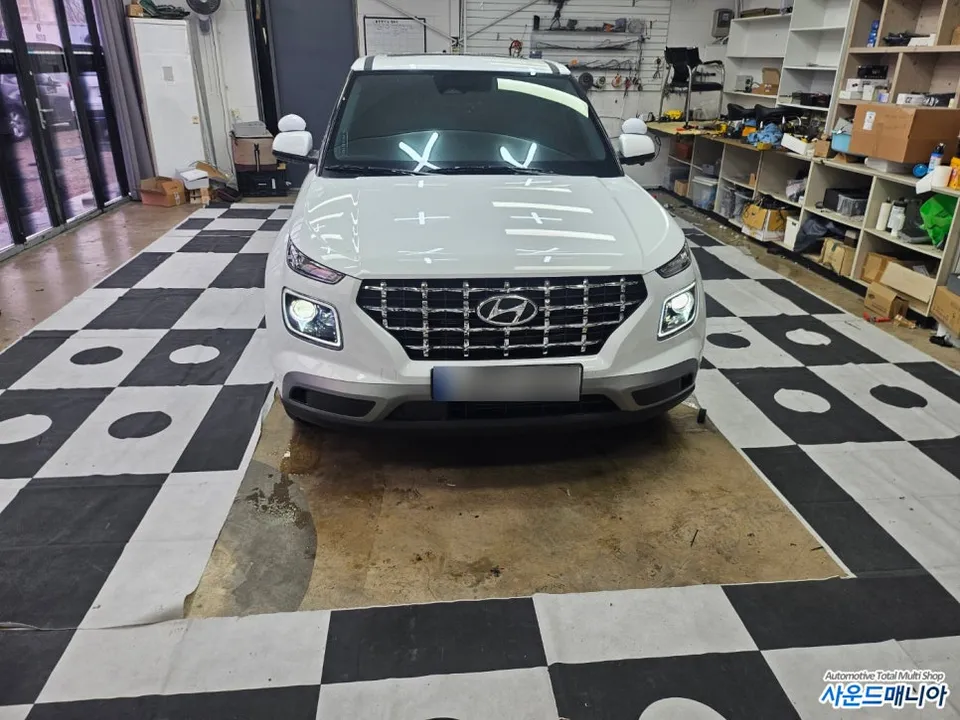
- Calibration: A crucial step involves calibrating the cameras to accurately stitch the images together, creating the seamless bird's-eye view. This often requires placing calibration mats or markers around the vehicle.
- Head Unit Setup: The surround view system is configured within the Android head unit's software.
Durability of aftermarket systems can vary. Components sourced from online marketplaces like AliExpress are generally cost-effective but may not always match the build quality or longevity of OEM parts. Proper installation is key to ensuring the cameras remain secure and protected from the elements. Maintenance typically involves keeping the camera lenses clean from dirt, dust, and debris to ensure optimal performance. The wiring should also be secured to prevent damage from vibration or movement.
Frequently Asked Questions
Q. How much does a 360 camera installation cost for a Hyundai i40?
The cost for this specific installation using AliExpress parts was not detailed in the original context, but aftermarket 360 camera systems typically range from $300 to $1000 USD for parts and installation in the US.
Q. How long does a surround view camera installation take on a Hyundai i40?
The durability of aftermarket surround view cameras can vary, but with proper installation and care, they can last for several years. Regular cleaning of the camera lenses is essential for maintaining optimal performance.
Q. Is an aftermarket 360 camera worth it for a Hyundai i40?
An aftermarket 360 camera system is most beneficial for i40 owners who frequently navigate tight parking spaces or drive in congested areas. It significantly enhances parking safety and reduces the risk of minor collisions.
Q. How is a surround view camera system installed on a Hyundai i40?
Installation involves mounting four cameras (front, rear, sides), routing their wiring to an integrated control unit, calibrating the cameras for a seamless bird's-eye view, and configuring the system with the head unit.
Q. What is the difference between OEM and aftermarket surround view cameras for a Hyundai i40?
OEM systems are designed specifically for the vehicle and often offer superior integration and build quality, while aftermarket systems, like the one reviewed from AliExpress, provide a more budget-friendly option with potentially variable quality.
OhCar Partner Shop