Hyundai IONIQ 5 Factory Upgrade Review — Added Safety Features
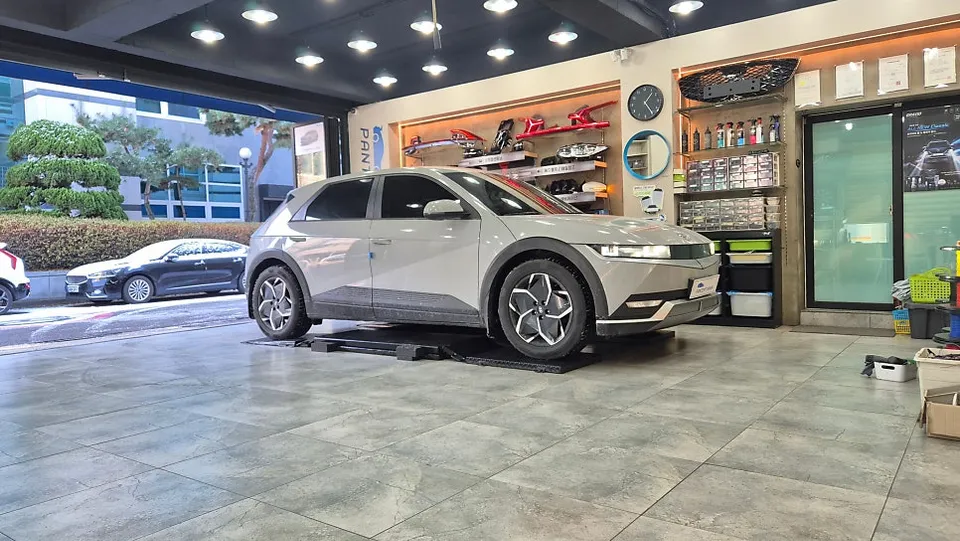
Hyundai IONIQ 5 SmartSense retrofit: Adds advanced safety features like HDA2 and parking assist. Enhances driving convenience and security.
Enhancing Your Hyundai IONIQ 5 with OEM SmartSense Options
Modern vehicles are increasingly equipped with advanced driver-assistance systems (ADAS) that leverage radar and camera technology to improve safety and convenience. Hyundai's 'SmartSense' suite encompasses these cutting-edge features. This review details the process of retrofitting the SmartSense option onto a Hyundai IONIQ 5 that was not originally equipped with it, focusing on the addition of crucial radar sensors.
The SmartSense Upgrade: What You Gain
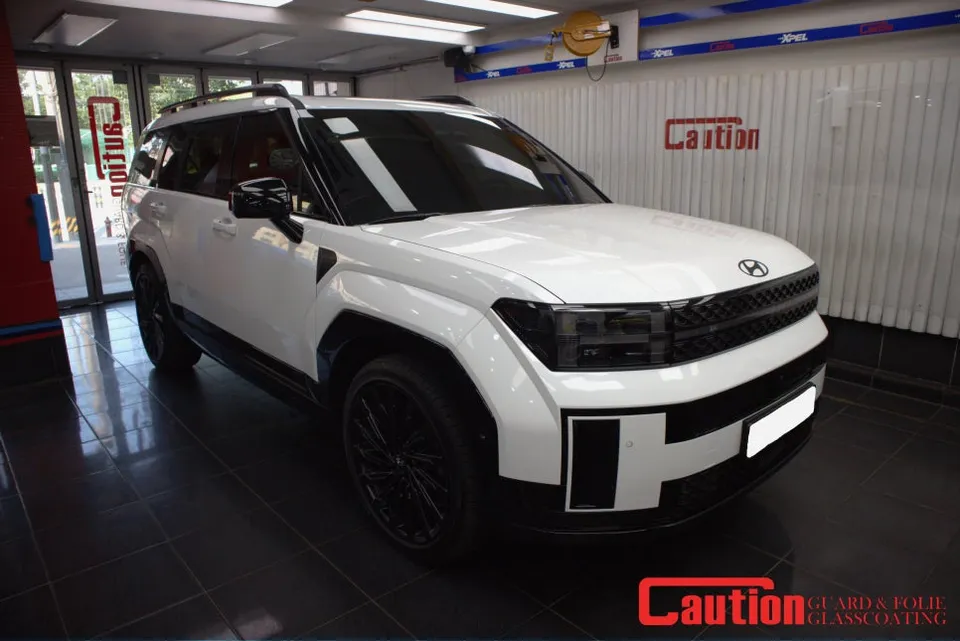
This specific installation targeted an IONIQ 5 lacking the full SmartSense package due to the absence of rear-facing radar. The owner opted to add front sensors as well, aiming for a comprehensive enhancement of the vehicle's safety capabilities. The core of this upgrade involves integrating four radar sensors – two for the front and two for the rear corners – into the vehicle's existing structure. This setup allows the IONIQ 5 to meticulously monitor its surroundings in all directions, detecting movement in front, to the sides, and behind the car.
Following the physical installation, the new sensors and the vehicle's existing safety and autonomous driving components are integrated via the ADAS ECU (Advanced Driver-Assistance Systems Electronic Control Unit). This central unit processes the data from all sensors, enabling more precise and stable driving assistance functions. A key benefit of this retrofit is the upgrade of the Highway Driving Assist (HDA) system to HDA2. HDA2 not only assists with lane keeping but also includes lane-changing support, offering a more advanced and comfortable semi-autonomous driving experience, which is particularly beneficial on long journeys.
The addition of front-facing radar activates the Forward Collision-Avoidance Assist feature, crucial for preventing accidents in areas with limited visibility like alleyways or intersections. Other enhanced features include a more personalized Smart Cruise Control that adapts to driving style, Safe Exit Assist, and Blind-Spot Collision-Avoidance Assist, all contributing to a safer driving environment. Furthermore, the installation included adding four ultrasonic sensors to the front bumper. These sensors, working in conjunction with the rear sensors, provide comprehensive parking assistance by detecting obstacles both in front and behind, significantly reducing the risk of low-speed collisions during parking or in tight spaces. The Parking Distance Warning system activates automatically, making parking considerably easier.
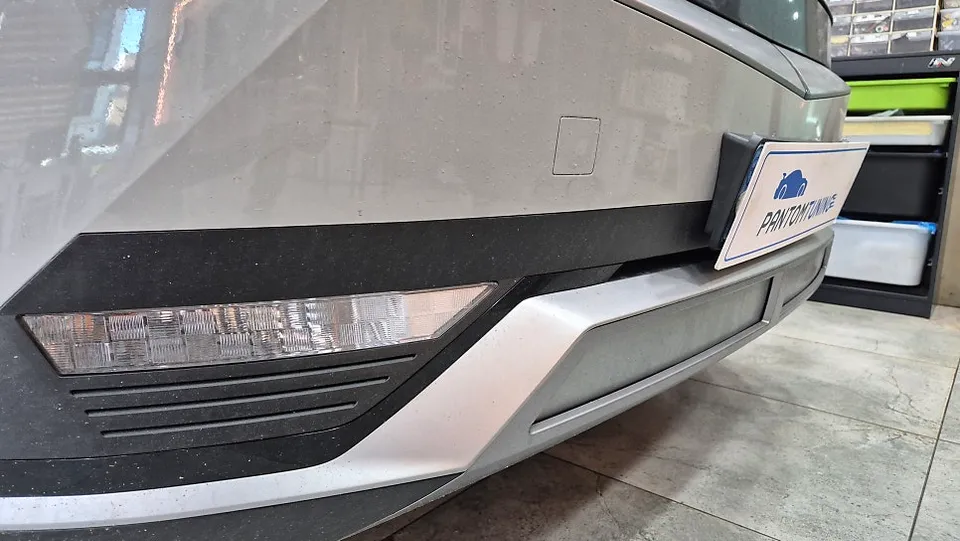
Installation Process:
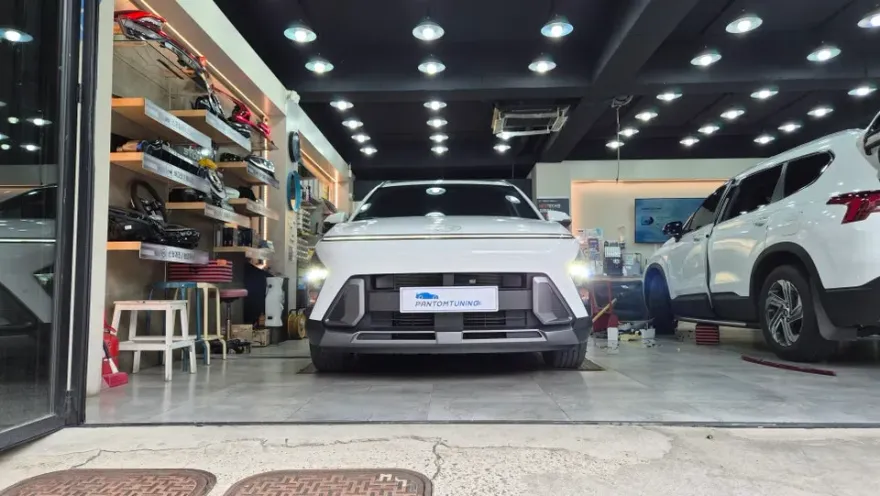
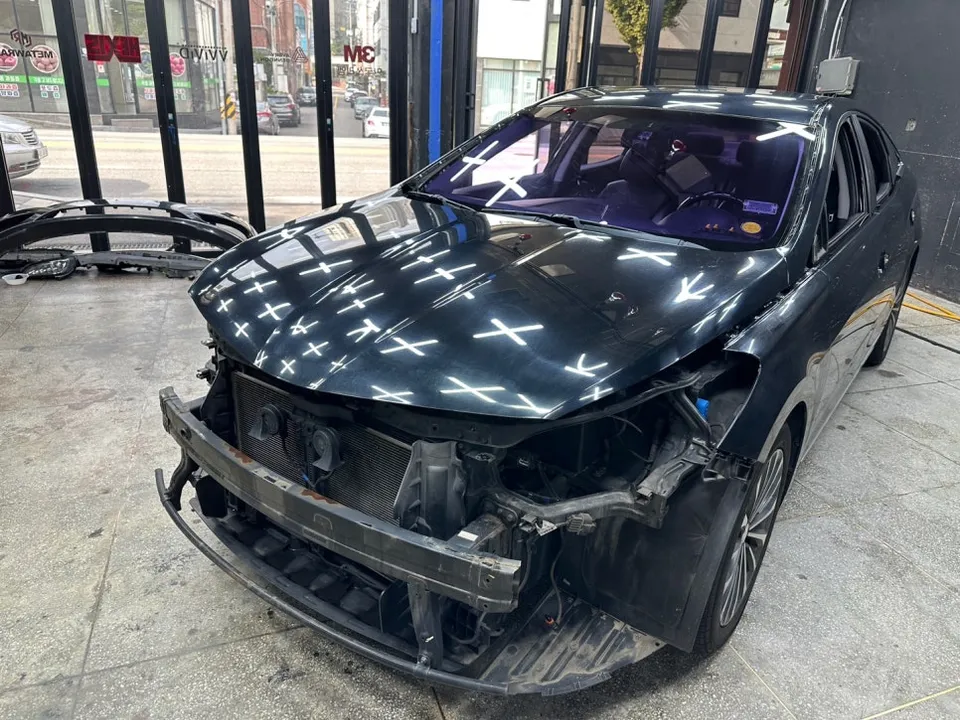
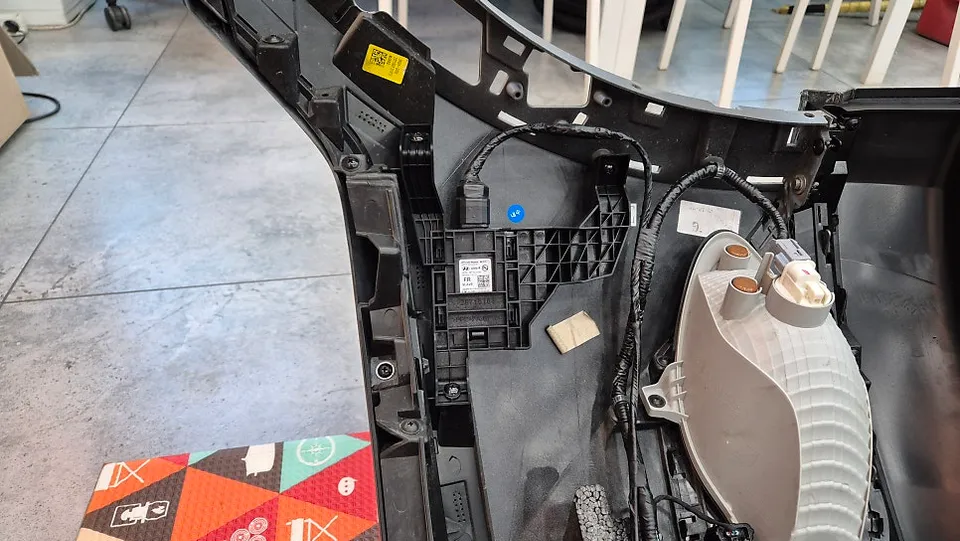
- Sensor Mounting: The front and rear bumpers are carefully removed to precisely mount the radar sensors. For the IONIQ 5, this involves installing a pair of front-facing and a pair of rear-facing radar sensors.
- ECU Integration: The newly installed sensors are connected and integrated with the vehicle's ADAS ECU, ensuring seamless communication with existing safety systems.
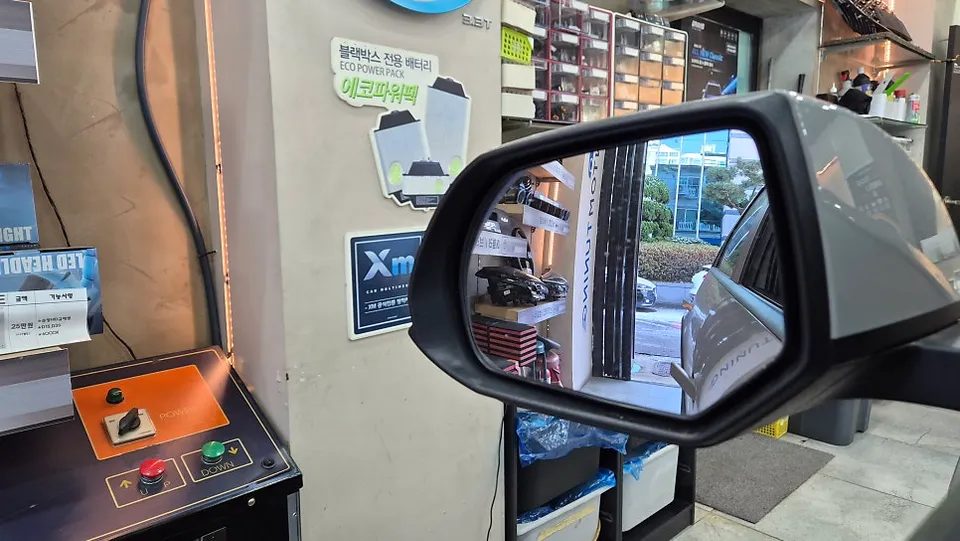
- Calibration and Setup: After all components are physically installed, a critical calibration process is performed. This ensures each sensor provides accurate data and works harmoniously with the car's systems. Post-installation, warning lights on the side mirrors indicate when vehicles are detected in the blind spots.
This comprehensive OEM options retrofit transforms the driving experience, bringing advanced safety and convenience features to your Hyundai IONIQ 5, even if they weren't factory-installed. The result is a vehicle that offers a higher level of active safety and driver assistance, comparable to higher trim levels.
Frequently Asked Questions
Q. How much does OEM option and factory upgrade installation cost for a Hyundai IONIQ 5?
The cost for this specific OEM SmartSense retrofit in Korea was approximately 1.5 million KRW (around $1,100 USD). Prices can vary significantly based on the specific options added and regional labor rates in the US.
Q. How long does OEM options installation take on a Hyundai IONIQ 5?
The durability of these OEM factory-installed options is designed to match the vehicle's lifespan, requiring no special maintenance beyond standard vehicle upkeep. Regular checks of sensor cleanliness are recommended for optimal performance.
Q. Are OEM options worth adding after purchase for a Hyundai IONIQ 5?
This upgrade is highly recommended for IONIQ 5 owners who frequently drive on highways or in complex urban environments, as it significantly enhances safety and reduces driving fatigue. The value lies in gaining advanced driver-assistance features that improve overall driving confidence and security.
Q. How are OEM factory options installed on a Hyundai IONIQ 5?
Installation involves carefully removing bumpers to mount radar sensors, integrating them with the vehicle's ADAS ECU, and performing precise calibration. The process ensures all new sensors communicate seamlessly with the car's existing safety systems.
Q. What is the difference between dealer-installed options and aftermarket upgrades for a Hyundai IONIQ 5?
OEM options, like the SmartSense retrofit discussed, are genuine factory parts designed to integrate perfectly with your vehicle's systems, often maintaining warranty integrity. Aftermarket upgrades, while potentially cheaper, may not offer the same level of integration or reliability and could impact your warranty.
OhCar Partner Shop