Honda CR-V Ceramic Coating: How Long Does It Last & Maintenance?
Honda CR-V Ceramic Coating: How Long Does It Last & Maintenance?
Considering a Honda CR-V ceramic coating? You're likely wondering about its longevity and the necessary upkeep. As a popular compact SUV, the Honda CR-V benefits greatly from the advanced protection and enhanced aesthetics that ceramic coating provides. At OhCar, we analyze data from thousands of Korean car detailing installations, offering insights into what you can expect. While our data focuses on the South Korean market, the principles of ceramic coating durability and maintenance are universal. This guide will delve into how long a ceramic coating typically lasts on a Honda CR-V and the essential maintenance steps to keep it looking its best.
Understanding Ceramic Coating for Your Honda CR-V
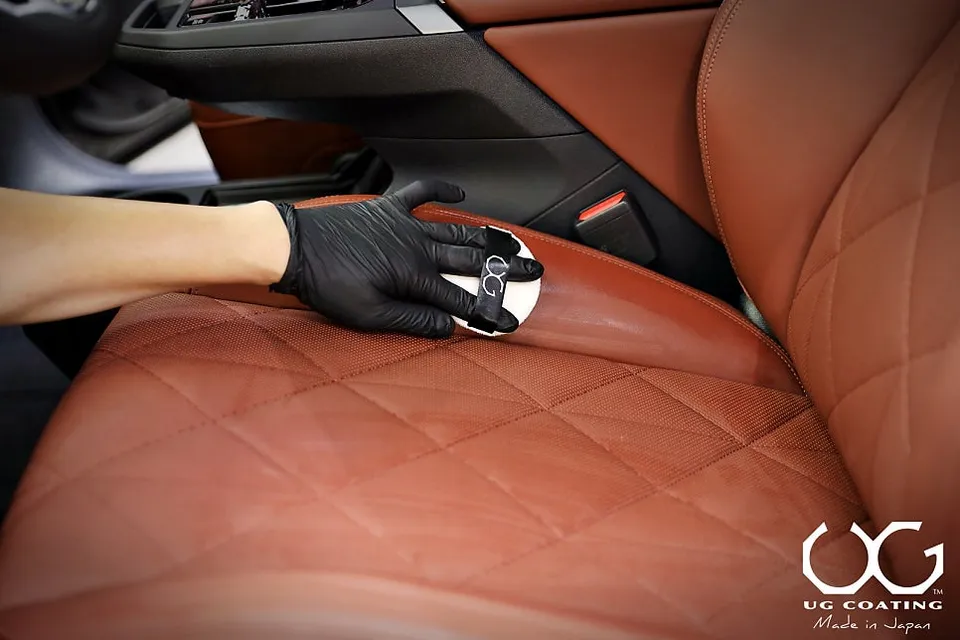
Ceramic coating is a liquid polymer that is chemically bonded to your vehicle's factory paint, creating a semi-permanent layer of protection. Unlike traditional waxes or sealants that offer temporary gloss and protection, ceramic coatings are far more durable and resistant to environmental contaminants. For a Honda CR-V, this means enhanced resistance against UV rays, chemical stains, bird droppings, road salt, and minor scratches. It also imparts a hydrophobic quality, causing water and dirt to bead up and roll off the surface, making washing significantly easier.
How Long Does a Honda CR-V Ceramic Coating Last?
The lifespan of a ceramic coating on a Honda CR-V can vary significantly based on several factors, including the quality of the product used, the skill of the installer, and, crucially, the maintenance routine followed. Based on our extensive review data from South Korea, professional-grade ceramic coatings, when properly applied and maintained, can last anywhere from 2 to 5 years, and sometimes even longer.
Several elements influence this longevity:
- Product Quality: Higher-quality ceramic coatings, often with higher silica (SiO2) content, tend to be more durable. These are typically applied by professional detailers.
- Application Process: Proper paint preparation is paramount. This includes thorough washing, decontamination, and paint correction (if needed) to remove imperfections before the coating is applied. A skilled installer ensures an even, defect-free application.
- Environmental Exposure: Vehicles parked outdoors in harsh climates with intense sun, heavy rain, snow, or frequent exposure to road salt will experience a faster degradation of the coating compared to those kept in garages.
- Washing Habits: Regular, proper washing is key. Harsh chemicals, abrasive sponges, and automatic car washes with harsh brushes can strip away the coating's integrity over time.
It's important to note that while the coating itself is durable, its hydrophobic properties might diminish over time, even if the protective layer remains. This is often a sign that the coating needs a maintenance boost or reapplication.