Hyundai IONIQ 5 OEM Options Review — Cost & Results
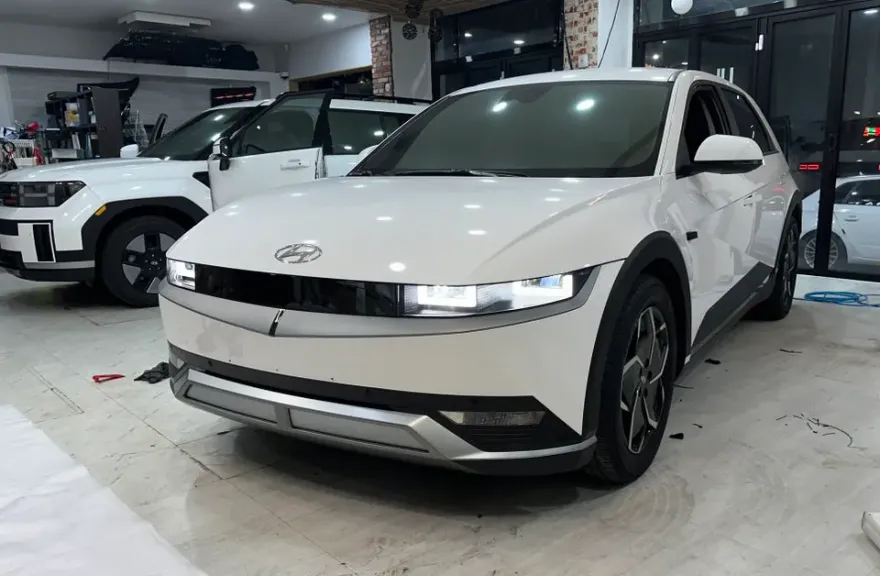
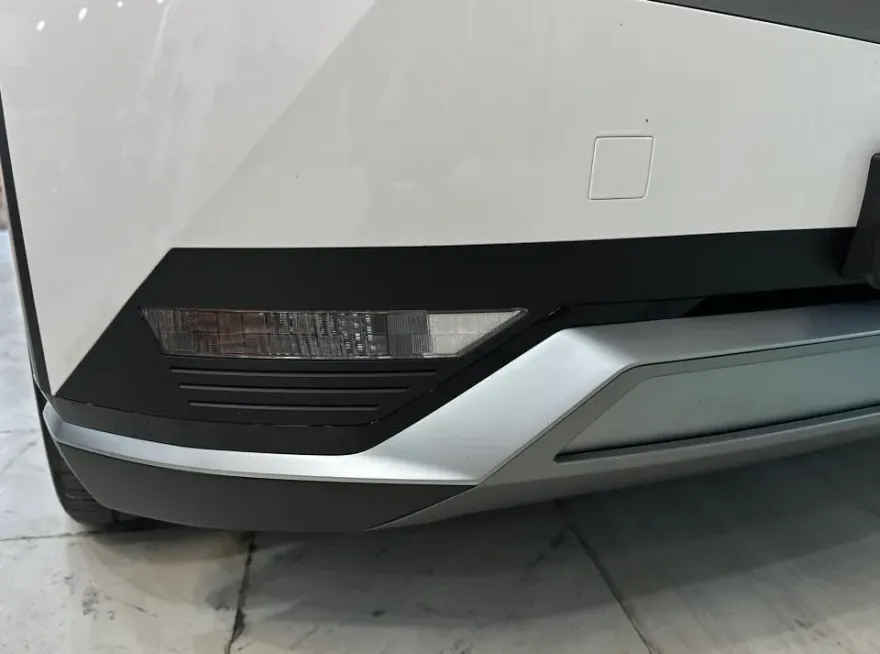
IONIQ 5 OEM front/rear sensors retrofit: ~₩300,000-₩500,000. Adds parking safety and convenience.
Adding Factory Options to Your Hyundai IONIQ 5
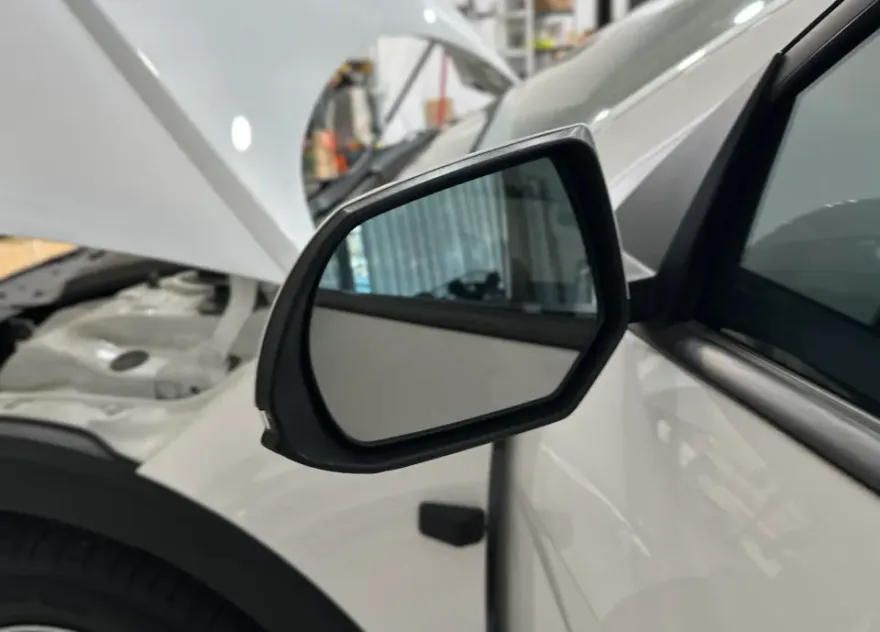
Many car owners look to enhance their vehicles after purchase, and for the Hyundai IONIQ 5, exploring OEM options can be a compelling route. This review delves into the experience of retrofitting factory-intended features, specifically focusing on the installation of front parking sensors (PDW) and rear side radar sensors (BCW). While these might not have been included in the initial build, they can often be added later through specialized dealers or workshops that handle genuine parts and integration. The process aims to bring the functionality of higher trims or optional packages to your existing vehicle, ensuring seamless integration with the car's systems.
Installation Process and Before/After
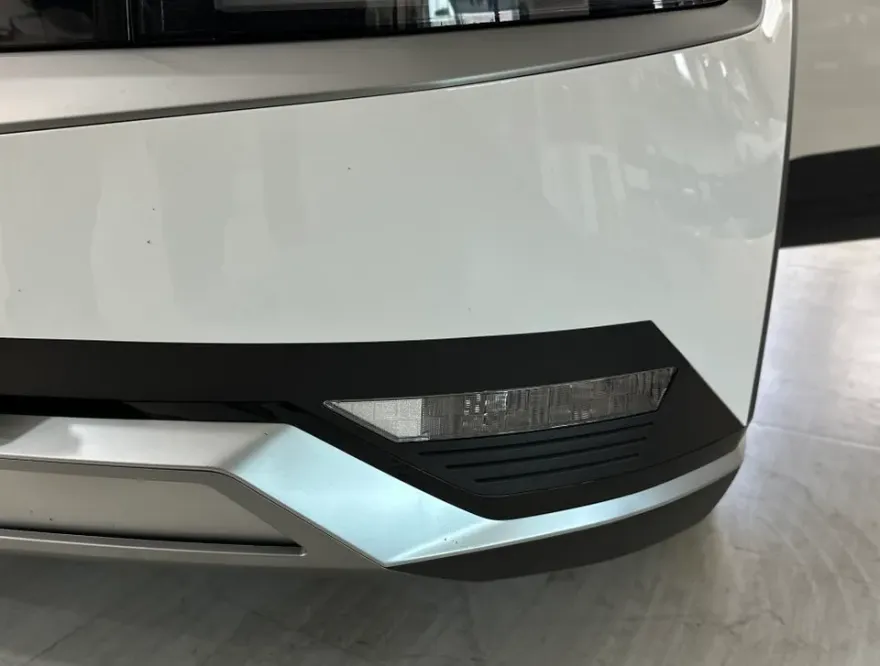
The installation of OEM options like parking sensors on the Hyundai IONIQ 5 involves careful work to ensure factory-level fit and function. Based on experiences like the one documented by Esroad Jeonju (Repair Parts), the process typically requires skilled technicians who are familiar with Hyundai's electrical systems and bodywork. The goal is to make the added sensors look and perform as if they were installed at the factory.
Installation process:
- Component Integration: Genuine OEM sensors are sourced and prepared for installation.
- Bodywork Modification: Precise drilling or cutting is performed on the bumpers to accommodate the sensors.
- Wiring and Calibration: The sensors are wired into the vehicle's existing electrical system, often requiring connection to the car's computer module. Calibration ensures accurate detection.
- System Testing: After installation, the parking assist system is thoroughly tested to confirm all sensors are functioning correctly and providing audible or visual alerts as expected.
Before the installation, the IONIQ 5 might lack audible warnings or visual cues for close-proximity obstacles, especially in front and to the rear sides. After the retrofit, drivers benefit from enhanced safety and convenience, receiving alerts that help prevent minor collisions during parking maneuvers. The visual integration is key; the sensors are typically painted to match the vehicle's bumper color, maintaining a clean, factory-original aesthetic.
Durability, Maintenance, and Value
When considering OEM options, durability and long-term maintenance are important factors. Genuine parts are designed to withstand the elements and the rigors of daily driving, just like the original components. For parking sensors, this means they should remain functional through various weather conditions. Maintenance is usually minimal, often limited to keeping the sensor surfaces clean from dirt, mud, or snow, which could otherwise impede their performance. A simple wipe-down with a damp cloth is typically sufficient.
The decision to pursue a factory option retrofit, such as adding front and rear sensors, often comes down to whether the cost and effort are justified by the added functionality. For drivers who frequently navigate tight parking spaces or live in urban environments, the increased safety and reduced risk of minor damage can make the investment worthwhile. The cost for this type of retrofit in Korea, including parts and labor from a specialist like Esroad Jeonju, can range from approximately 300,000 to 500,000 KRW (roughly $220-$370 USD), depending on the specific sensors and vehicle trim. While this is an additional expense, it can be significantly less than the cost difference between trim levels that include these features from the factory.
Frequently Asked Questions
Q. How much does OEM option and factory upgrade installation cost for a Hyundai IONIQ 5?
In Korea, retrofitting OEM options like front and rear parking sensors for the Hyundai IONIQ 5 typically costs between ₩300,000 and ₩500,000 (approx. $220-$370 USD). Actual costs in the US may vary significantly due to parts availability and labor rates.
Q. How long does OEM options installation take on a Hyundai IONIQ 5?
The durability of OEM options is generally excellent, designed to last the lifetime of the vehicle with proper care. Minimal maintenance is required, usually just keeping the sensor surfaces clean from debris.
Q. Are OEM options worth adding after purchase for a Hyundai IONIQ 5?
Adding OEM options like parking sensors is most beneficial for drivers who frequently encounter tight parking situations or live in urban areas. The enhanced safety and convenience can justify the cost, reducing the risk of minor collisions.
Q. How are OEM factory options installed on a Hyundai IONIQ 5?
Installation involves precise bumper modifications for sensor placement, followed by integration into the vehicle's electrical system and calibration. The process ensures the sensors function seamlessly with the car's existing safety systems.
Q. What is the difference between dealer-installed options and aftermarket upgrades for a Hyundai IONIQ 5?
OEM factory options use genuine manufacturer parts designed for perfect integration, ensuring reliability and maintaining vehicle warranty. Aftermarket upgrades may offer more variety but can sometimes lead to compatibility issues or void parts of the vehicle's warranty.
OhCar Partner Shop