Hyundai IONIQ 5 BCW Upgrade Review — Enhanced Safety
Service Price
$150+
Estimated price · Actual price may vary by shop
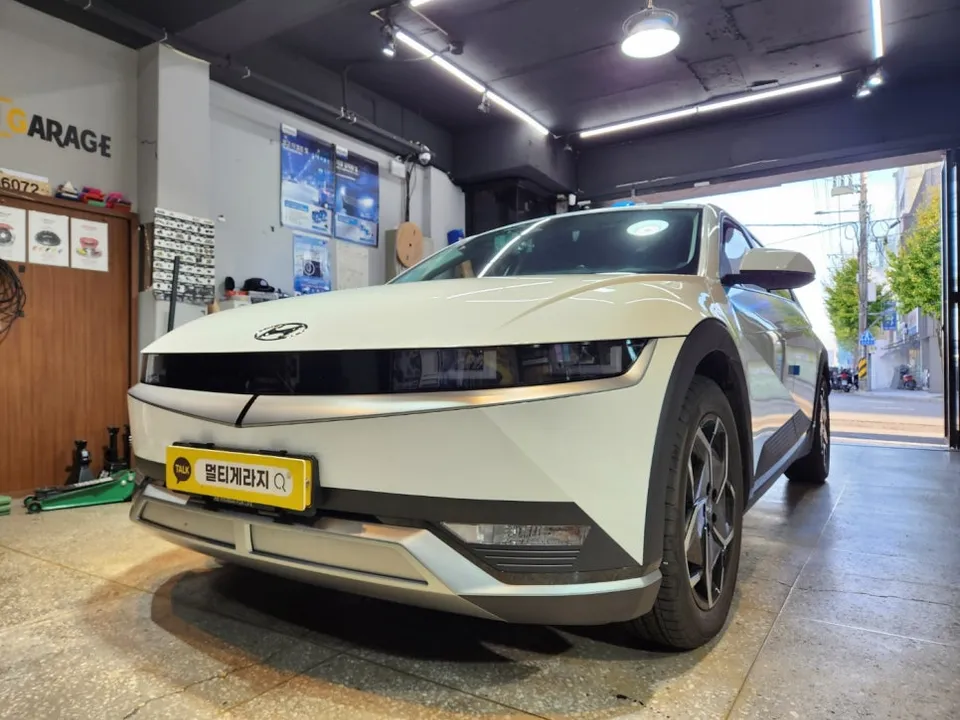
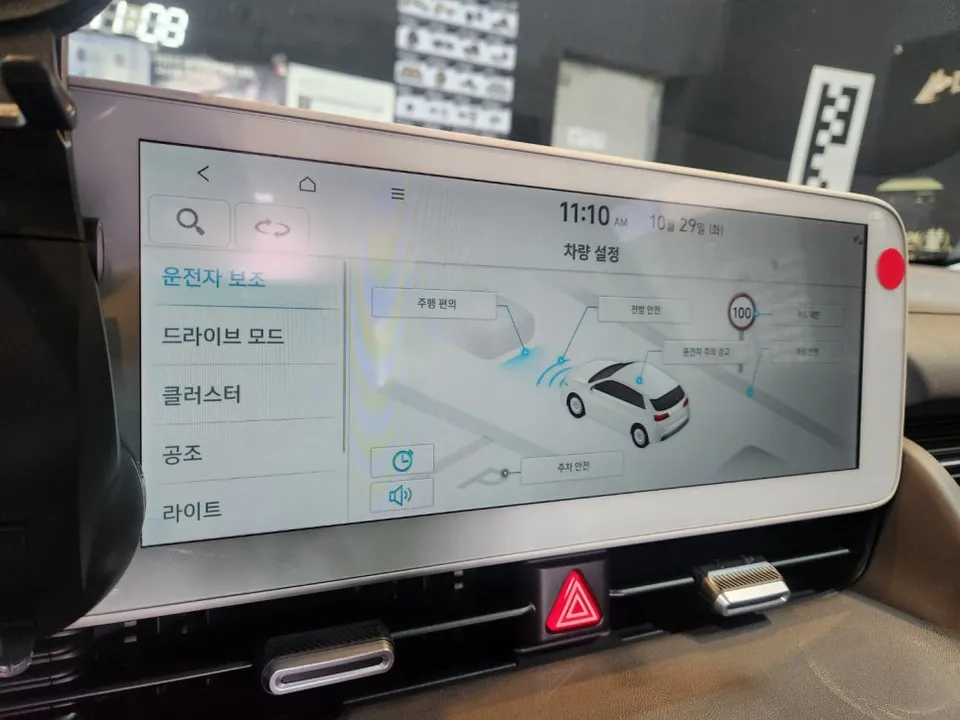
Hyundai IONIQ 5 BCW upgrade: Professional installation using OEM parts and coding. Enhances safety by adding blind-spot detection.
Why Your Hyundai IONIQ 5 Needs Blind-Spot Warning (BCW)
The Hyundai IONIQ 5 boasts a striking design, but many lower trims omit the crucial Blind-spot Warning (BCW) system. This feature is vital for detecting vehicles in your blind spots during lane changes, especially for commercial drivers like taxi or fleet operators. The good news is that it's possible to add this factory-level functionality seamlessly using genuine OEM parts and precise diagnostic coding.
This review covers:
Vehicle: Hyundai IONIQ 5
Service: OEM Blind-Spot Warning (BCW) System Installation
Key Benefit: Authentic functionality via genuine parts and coding
Ideal For: IONIQ 5 taxis, fleet vehicles, and safety-conscious owners.
IONIQ 5 BCW Installation: What's Involved
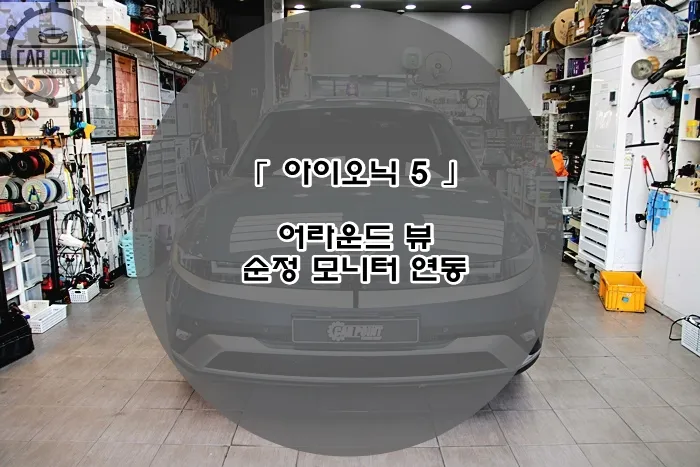
This installation was performed on nine Hyundai IONIQ 5 taxi units simultaneously. The service included the addition of the BCW system and replacement of the side mirrors. The process utilizes genuine OEM parts and requires specialized diagnostic tool coding. Key areas of installation include the side mirrors and the rear bumper for the radar sensors. The entire procedure, including coding, takes approximately 2-3 hours per vehicle.
How the Blind-Spot Warning System Works
In its original state, many IONIQ 5 models lack the integrated warning LEDs in the side mirrors and the necessary rear-facing sensors. This means the vehicle cannot alert the driver to approaching traffic in the blind spots.
To enable BCW functionality, two primary components are installed:
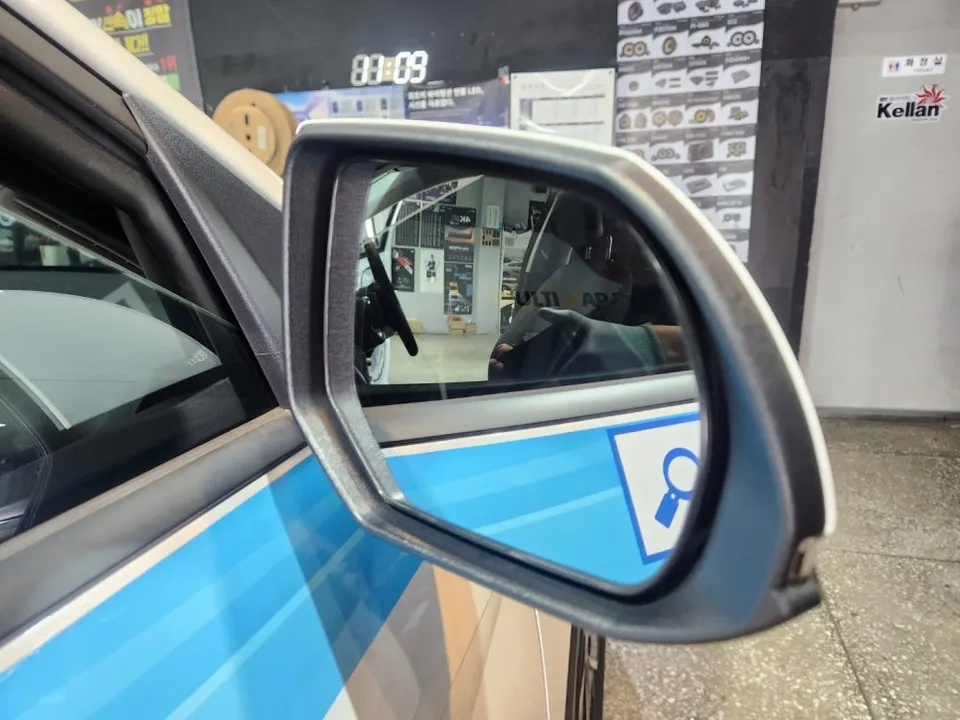
- BCW-equipped Side Mirrors: These mirrors feature integrated LED warning lights. When the rear radar sensors detect a vehicle in a blind spot, the corresponding mirror's LED illuminates, alerting the driver to potential danger.
- Rear Radar Sensors: These sensors act as the 'eyes' of the system, actively detecting surrounding vehicles. They are mounted on the rear bumper, requiring the bumper to be temporarily removed for proper installation.
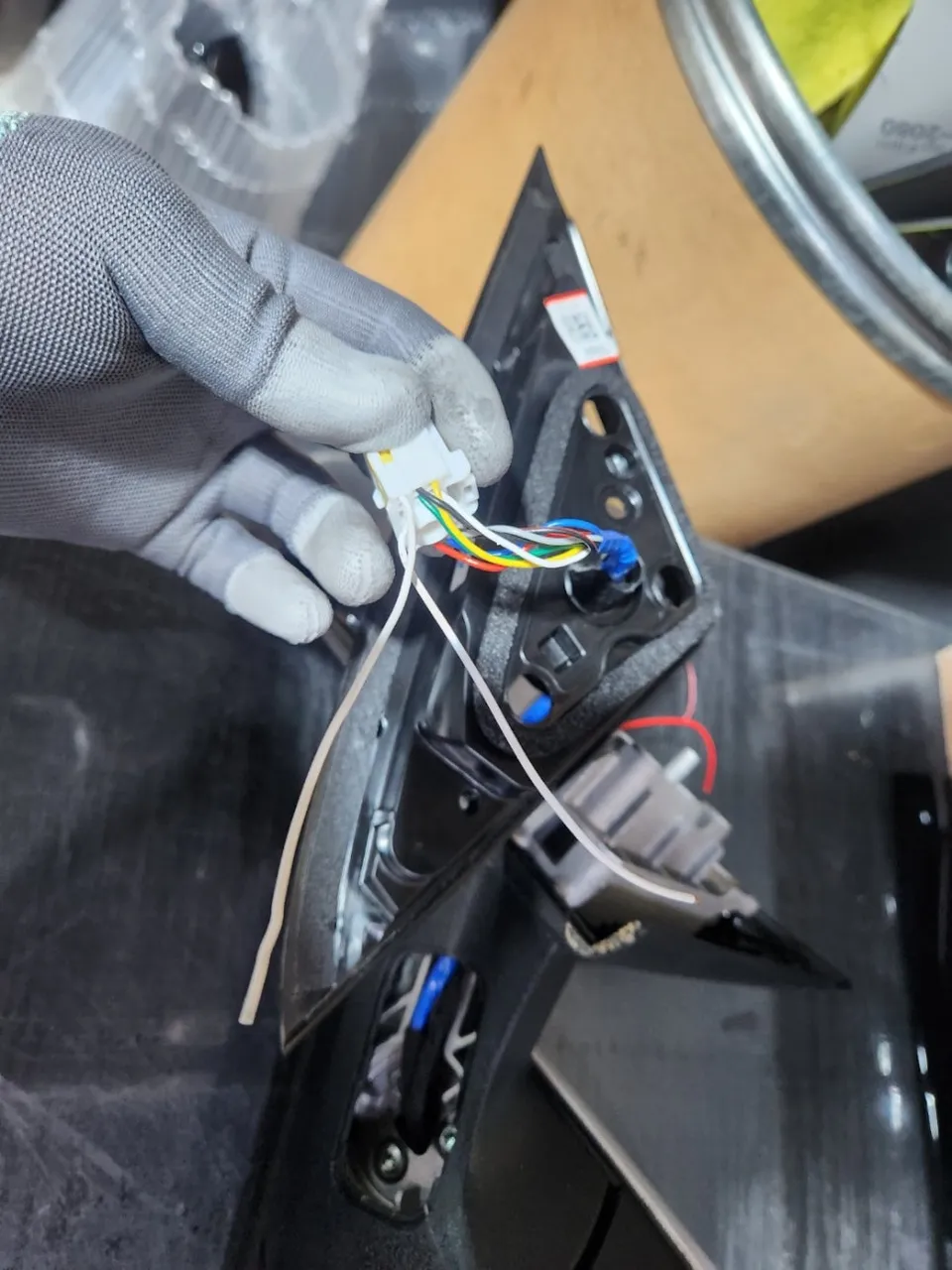
Component Replacement and Wiring: The Installation Process
The installation begins with the removal of the existing side mirrors. Genuine replacement mirrors are designed for a perfect fit, ensuring a seamless integration with the vehicle's exterior.
Next, the radar sensors are carefully mounted beneath the rear bumper. These sensors emit signals to detect vehicles approaching from the sides and rear. Protective measures are also applied to ensure the sensors are shielded from damage and contamination, which could impair their performance.
The wiring process, while intricate, follows the original OEM wiring diagrams. Connections are made for the side mirror LED power, the radar sensor signal lines, and the link to the vehicle's main control unit.
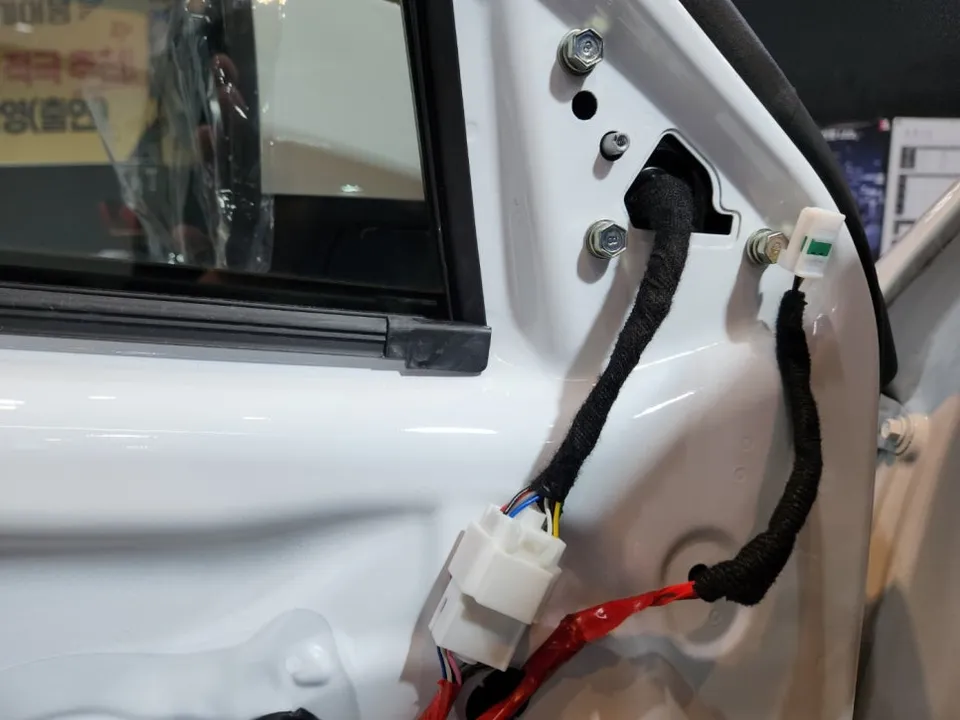
The Critical Role of Diagnostic Coding
Simply installing the hardware is insufficient. The most crucial step is diagnostic coding. This process allows the IONIQ 5's electronic control unit (ECU) to recognize the new components and activate the BCW system's functionality. It essentially 'informs' the car's computer that these safety features are now present.
Immediately after component installation, dashboard warning lights related to the new system are expected. This is normal. Once a technician performs radar calibration and completes the necessary coding using a diagnostic tool, these warnings will disappear, and the BCW system will operate as intended, providing enhanced safety for your IONIQ 5.
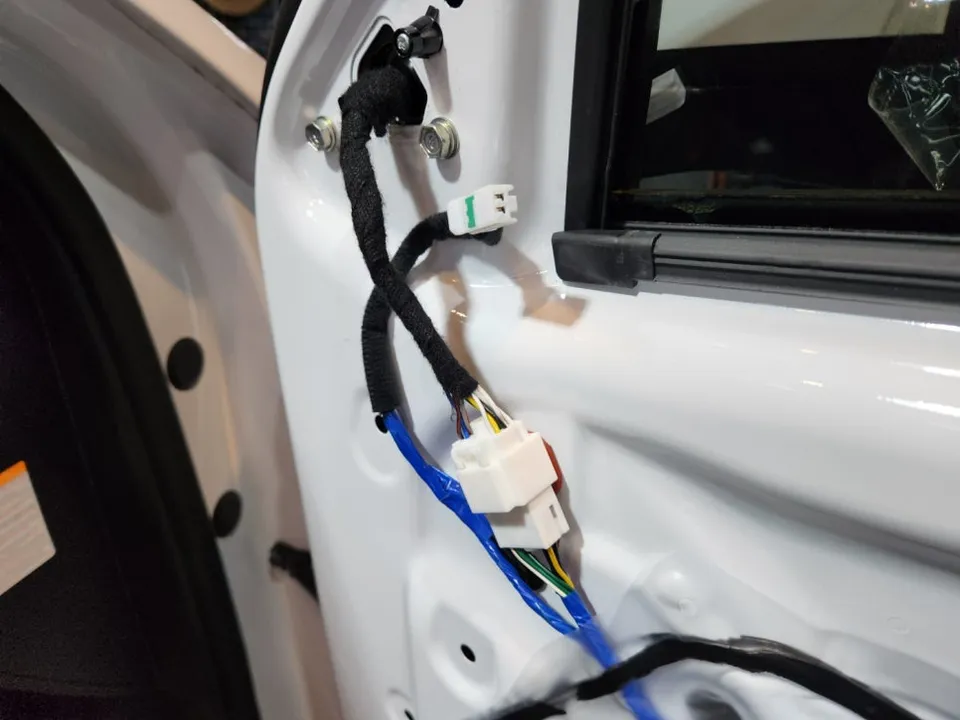
Frequently Asked Questions
Q. How much does the BCW upgrade cost for a Hyundai IONIQ 5?
The cost for this specific BCW upgrade on the Hyundai IONIQ 5 was performed on fleet vehicles, with details not provided in KR Won. Typical US installations can range from $500 to $1500 depending on the vehicle and specific components.
Q. How long does the BCW upgrade last on a Hyundai IONIQ 5?
When installed with genuine OEM parts and proper coding, the BCW system is designed to last the lifetime of the vehicle. Regular cleaning of the rear bumper sensors is recommended to maintain optimal performance.
Q. Is the BCW upgrade worth it for a Hyundai IONIQ 5?
The BCW upgrade is highly recommended for IONIQ 5 owners, especially taxi and fleet drivers, as it significantly enhances safety by eliminating blind spots. It provides factory-level functionality, offering peace of mind during lane changes.
Q. How is the BCW upgrade done on a Hyundai IONIQ 5?
1. Replace existing side mirrors with BCW-equipped OEM mirrors. 2. Install OEM radar sensors on the rear bumper. 3. Connect all wiring according to OEM specifications. 4. Perform diagnostic coding and radar calibration using specialized tools.
Q. What is the best BCW upgrade option for a Hyundai IONIQ 5?
The best option is to use genuine Hyundai OEM parts and have the system installed and coded by a professional with expertise in vehicle electronics. This ensures the system functions identically to a factory-installed feature.
OhCar Partner Shop