Hyundai IONIQ 6 Window Tinting Review — Heat Rejection
Service Price
$75–115
Estimated price · Actual price may vary by shop
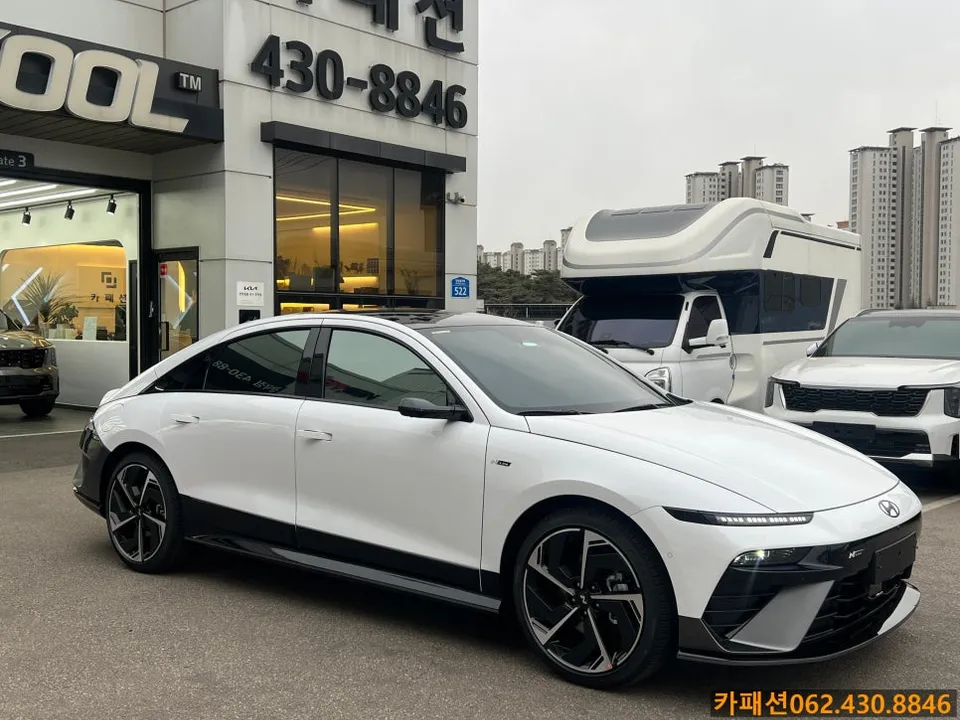
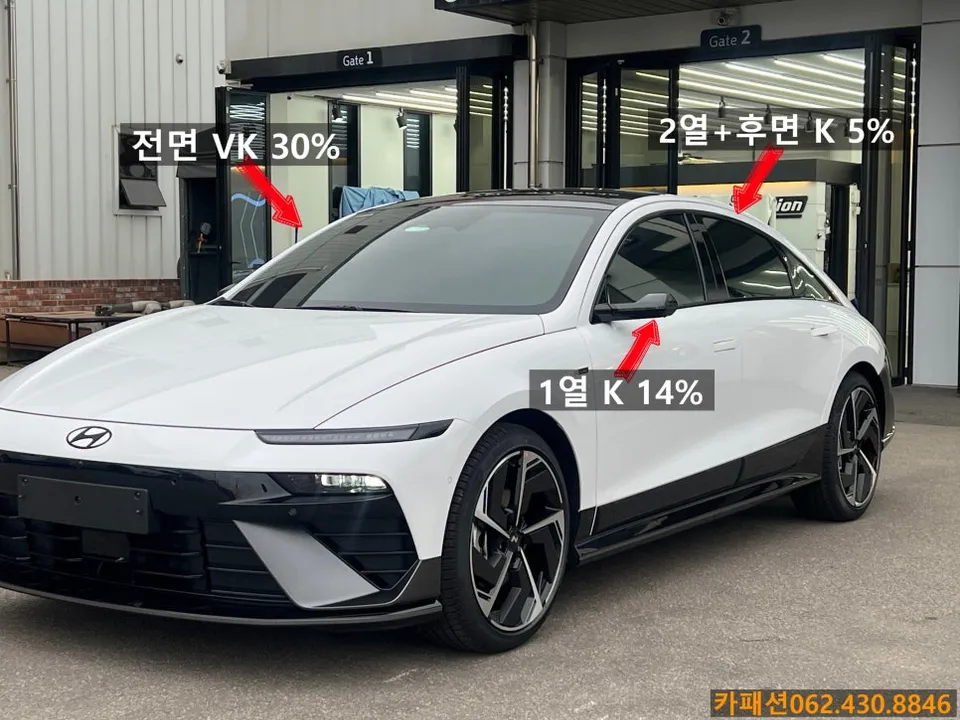
Hyundai IONIQ 6 V-KOOL VK+K tinting: Approx. ₩500,000-1,000,000. Offers superior heat rejection and UV protection.
Premium Window Tinting for Your Hyundai IONIQ 6
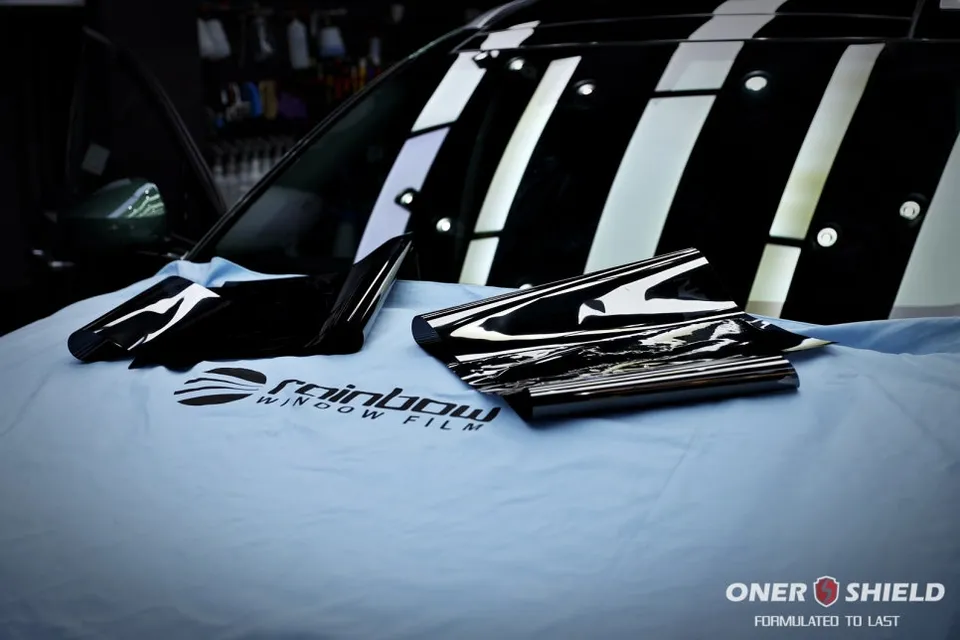
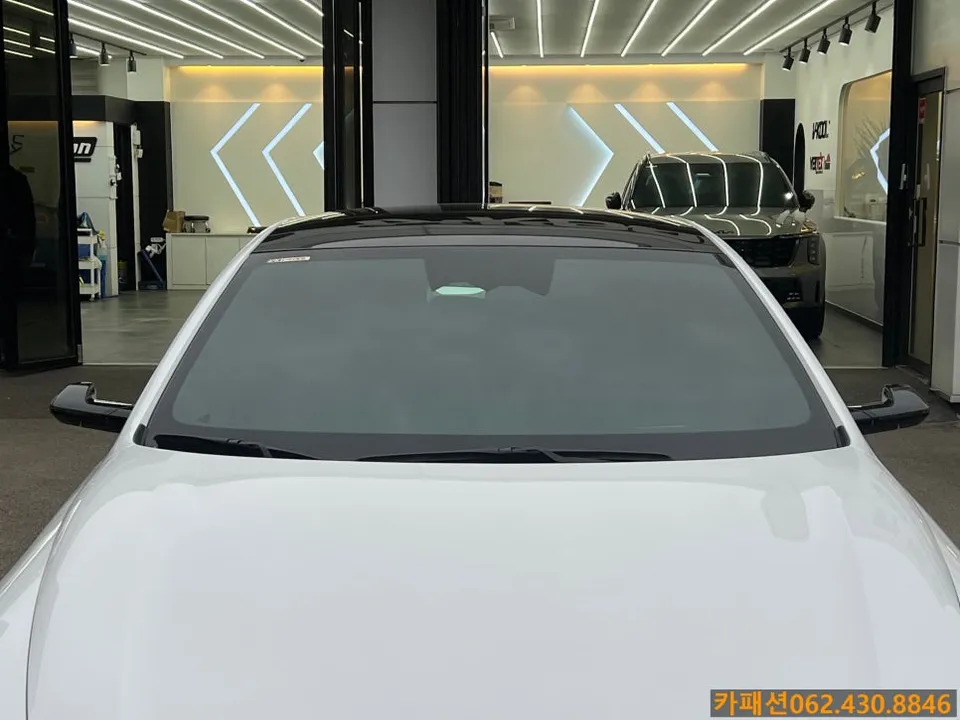
Choosing the right window tint for your Hyundai IONIQ 6 is a significant decision that impacts not only the car's aesthetics but also your driving comfort and protection. This review focuses on the V-KOOL VK and K series films, a premium option installed on an IONIQ 6 in South Korea. These films are engineered for superior performance, offering advanced heat rejection, UV protection, and enhanced visibility. The V-KOOL VK series represents the pinnacle of their lineup, utilizing a multi-layer structure with rare metals applied through a proprietary sputtering technique. This advanced construction results in exceptional total solar energy rejection (TSEER) and infrared (IR) heat blocking, keeping the cabin cooler and potentially improving fuel efficiency by reducing air conditioning load. The V-KOOL K series, while also a high-performance metal-sputtered film, offers a balance of style and function, providing excellent heat and UV rejection with a sophisticated aesthetic. The specific installation detailed here involved VK 30% for the front windshield, K 14% for the front side windows, and K 5% for the rear sides and back window, aiming for optimal comfort and privacy.
V-KOOL VK & K Film: Key Features and Benefits
The V-KOOL VK film stands out with its cutting-edge technology, featuring up to 10 layers of rare metals like gold, silver, and indium oxide. This sophisticated design achieves an impressive Total Solar Energy Rejected (TSER) rate of up to 66% and an infrared (IR) rejection of 98% at the 30% tint level. This high level of heat rejection is crucial for maintaining a comfortable interior temperature, especially during hot weather. Beyond thermal performance, the VK film provides excellent optical clarity, ensuring clear visibility from the inside while offering privacy from the outside. The V-KOOL K film complements the VK series with its own advanced sputtering technology, resulting in a 100% metal-sputtered film. It boasts a TSER of up to 70% and an IR rejection of 91% at the 5% tint level, along with 99% UV protection. This combination effectively shields occupants from harmful UV rays, protecting skin and preventing interior materials from fading or degrading. Aesthetically, the K film offers a subtle reflective finish and a distinctive emerald green hue that enhances the vehicle's appearance. The clarity of both VK and K films is a significant advantage, especially during nighttime driving or in adverse weather conditions, contributing to safer operation.
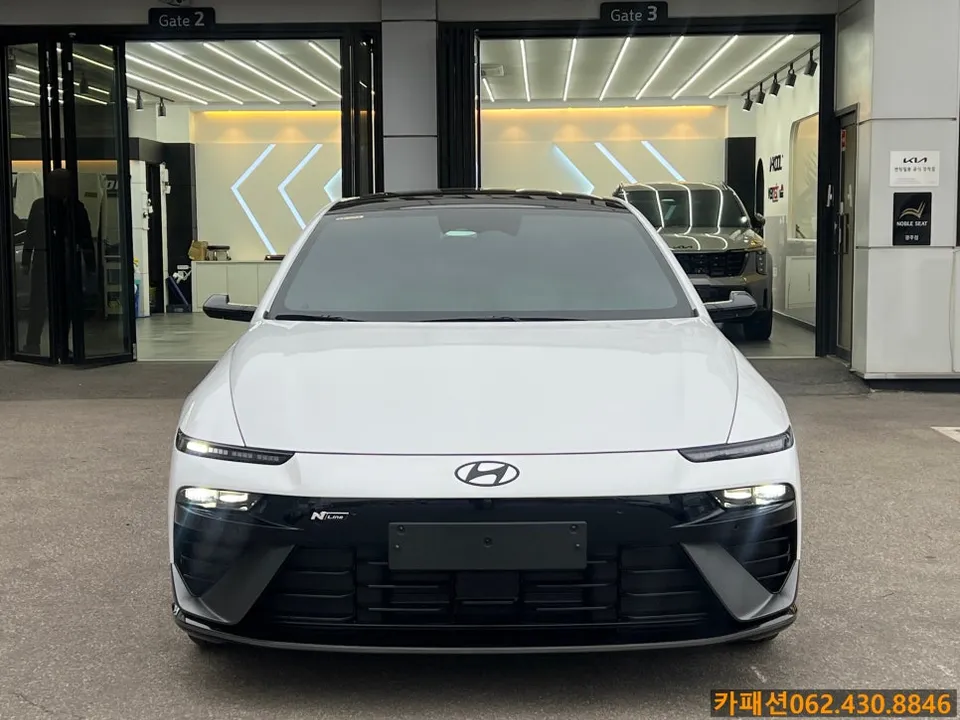
Hyundai IONIQ 6 Window Tinting Installation Process and Durability
The window tinting process for the Hyundai IONIQ 6, performed at the "Today's Car" Gwangju branch, typically takes around 3 to 4 hours. The installation begins with a thorough inspection of the vehicle. The installers meticulously clean the interior and exterior glass surfaces to ensure a dust-free environment, which is critical for a flawless finish. Precision cutting of the tint film to match the exact contours of each window is performed, often using specialized software and plotters. The film is then carefully applied to the glass, with heat being used to shrink and conform it perfectly to the window's curvature. After application, the edges are trimmed for a clean seal. The final step involves a curing period, during which the tint needs time to fully adhere and dry. V-KOOL films are known for their durability and longevity, offering resistance to scratching and peeling under normal use. The warranty details provided by the installer typically cover manufacturing defects and issues like bubbling or delamination, ensuring peace of mind for the owner. Regular maintenance involves gentle cleaning with a soft cloth and mild, ammonia-free glass cleaner, avoiding abrasive materials that could damage the film.
Installation process:
- Thorough cleaning of all vehicle windows to remove dirt and debris.
- Precise cutting of V-KOOL VK and K films to match each window's specifications.
- Careful application of the film to the interior side of the glass, using heat to ensure a perfect fit.
- Trimming excess film and ensuring a clean edge seal around the window frame.
- Allowing the tint to cure properly for optimal adhesion and clarity.
Frequently Asked Questions
Q. How much does window tinting cost for a Hyundai IONIQ 6?
The V-KOOL VK+K tinting for this Hyundai IONIQ 6 in South Korea cost approximately ₩500,000 to ₩1,000,000, which is roughly $375-$750 USD. Typical professional window tinting for a sedan in the US can range from $75 to $115 for basic dyed films, up to $400-$600 or more for high-end ceramic or nano-ceramic options.
Q. What tint percentage is legal for a Hyundai IONIQ 6?
Legality of window tint percentages varies significantly by state in the US and country. This review details a specific installation in South Korea (front: VK 30%, sides/rear: K 14%/5%). It's crucial to check your local regulations regarding acceptable tint levels for safety and visibility.
Q. Is ceramic tint worth the extra cost for a Hyundai IONIQ 6?
Ceramic tint, like the V-KOOL films reviewed, is often worth the investment for its superior heat rejection and UV protection compared to basic dyed films. It provides enhanced comfort, protects your car's interior, and can contribute to better fuel efficiency by reducing AC use.
Q. How is window tint installed on a Hyundai IONIQ 6?
Window tint installation involves meticulous preparation, including cleaning the glass thoroughly. 1. The film is precisely cut to fit each window. 2. It's applied to the interior glass using a squeegee and heat to conform to curves. 3. Edges are trimmed for a clean finish, and the tint is left to cure.
Q. What is the difference between ceramic and dyed window tint for a Hyundai IONIQ 6?
Ceramic tint uses non-metallic ceramic particles to block heat and UV rays, offering excellent performance without interfering with electronics, while dyed tint uses coloring to reduce glare but offers minimal heat rejection. For superior heat rejection and durability, ceramic tint is generally recommended.
OhCar Partner Shop
More window tinting Reviews
See all →
More Hyundai Reviews
Pair with Another Service
Protect paint while you're at the shop
Add gloss and protection