Hyundai IONIQ OEM Options Review: Cost & Results
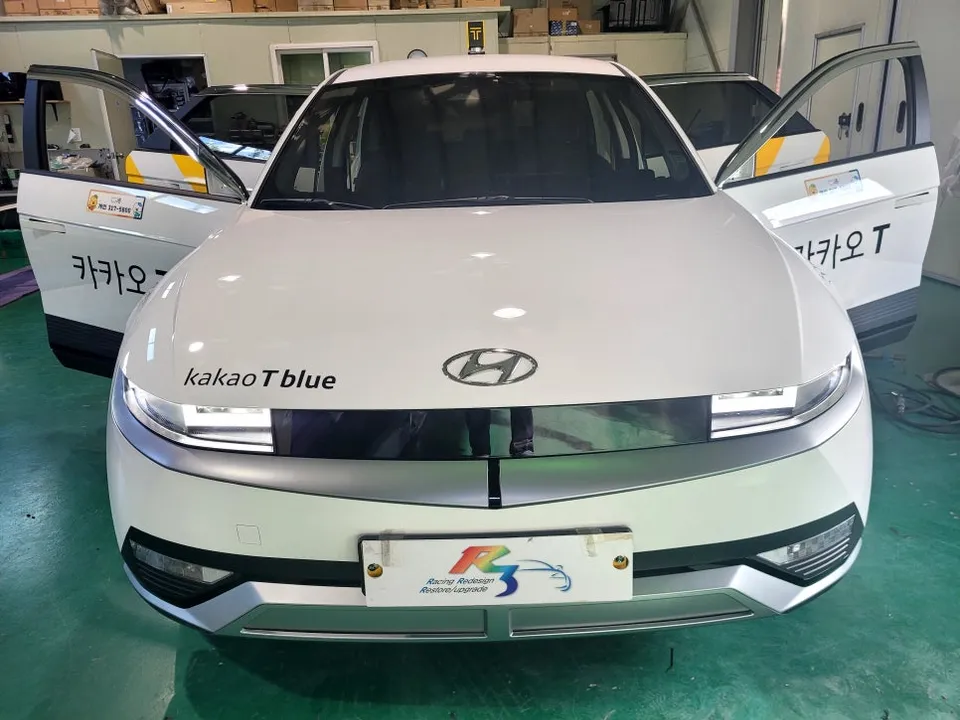
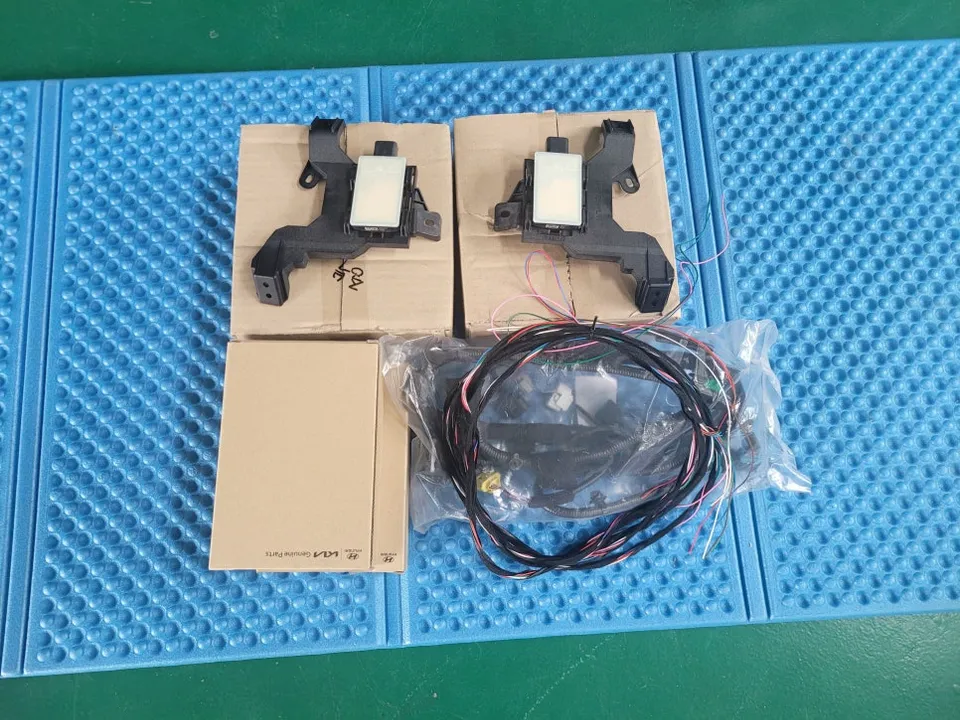
Hyundai IONIQ OEM options like blind-spot assist installed in Korea. Cost details not specified, but enhances safety significantly.
Upgrading Your Hyundai IONIQ with OEM Options
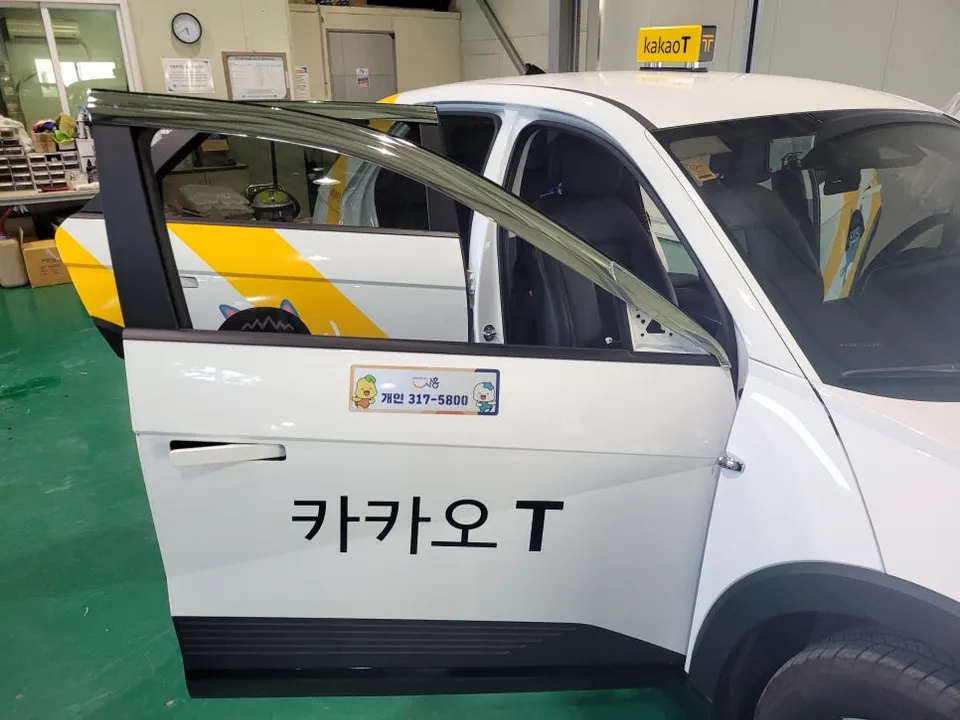
For Hyundai IONIQ owners looking to enhance their vehicle's safety and convenience features, retrofitting OEM options can be a compelling choice. This review focuses on the installation of specific factory-approved systems, including the BCW (Blind-Spot Collision Warning) and BSD (Blind-Spot Detection) systems, along with the BCA (Brake Collision Avoidance) system, and the AP Mobility 'Ghost Door' feature. These upgrades are particularly relevant for those who may have purchased a lower trim level or are converting their vehicle for specific uses, such as taxi services, where enhanced safety is paramount. The original context details a specific installation performed in Korea, focusing on the rear-facing safety systems and the automatic door feature.
Installation Process and Before/After Results
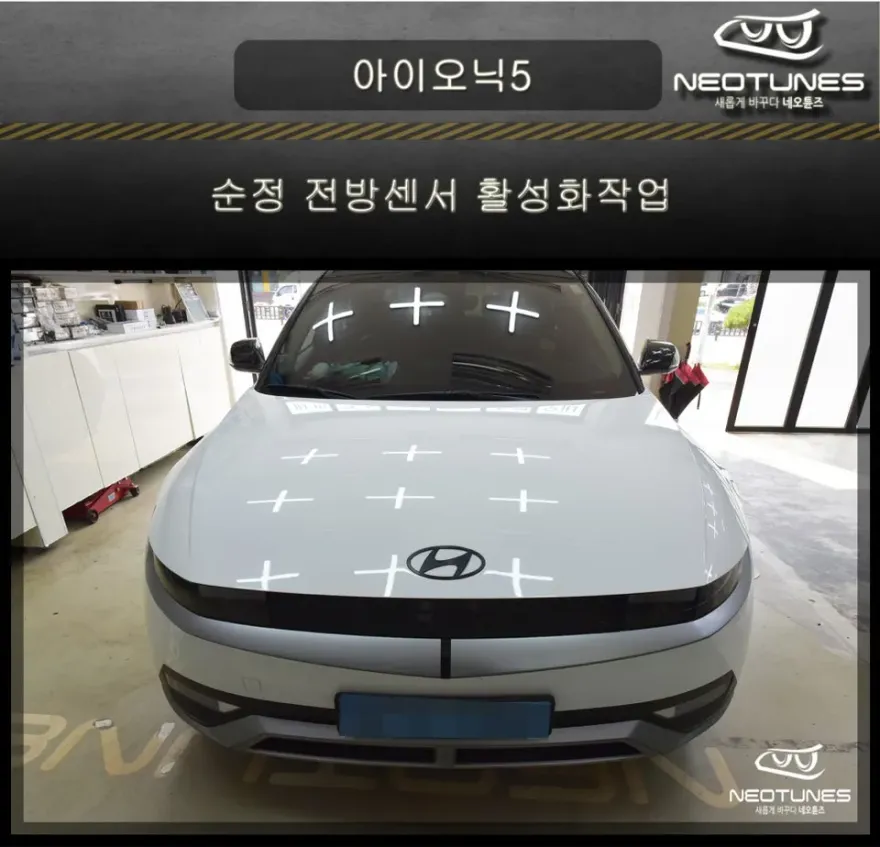
The installation of these OEM options involves integrating factory-standard components into the IONIQ's existing electrical and structural framework. For the rear-facing safety systems (BCW, BSD, BCA), this typically includes installing sensors in the rear bumper area, cameras, and control modules, along with activating the corresponding displays or warning lights within the cabin. The 'Ghost Door' system, an automatic door opening and closing mechanism, requires precise integration with the vehicle's door hardware and power systems. The primary benefit is a significant improvement in safety, especially for the IONIQ 5 used as a personal taxi, by providing alerts for vehicles in blind spots and assisting with collision avoidance during reversing. The 'Ghost Door' adds a layer of convenience, particularly in commercial use.
Installation process:
- Sensor and Module Integration: Technicians carefully install radar sensors and cameras into designated areas, typically the rear bumper and potentially side mirrors, ensuring proper alignment.
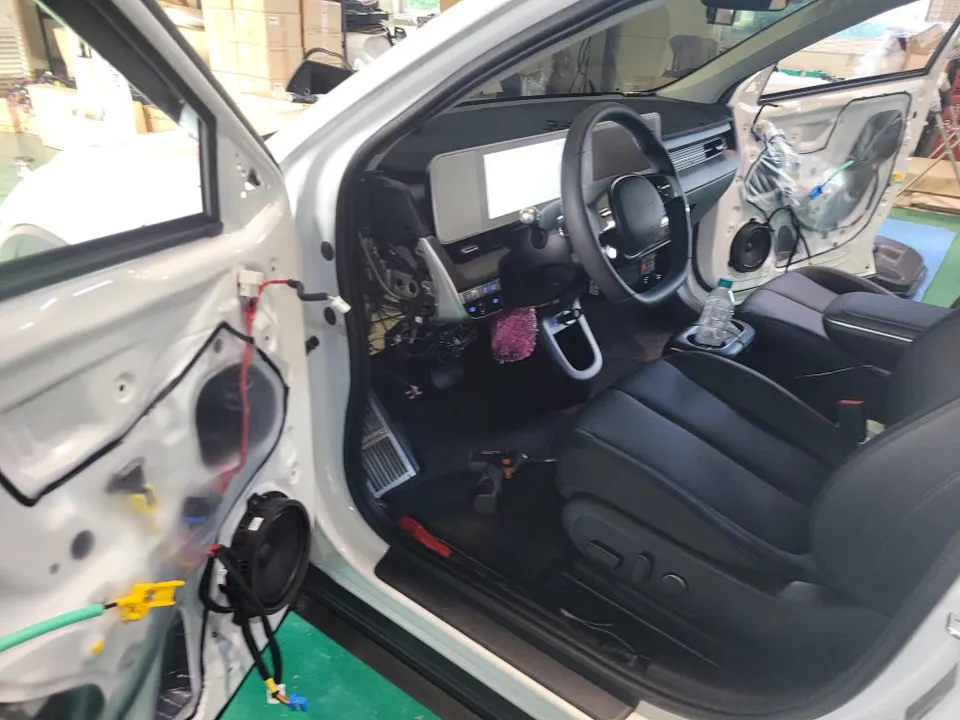
- Wiring Harness Connection: The new components are connected to the vehicle's existing wiring harness and the central control unit, often requiring access behind interior panels.
- Software Activation: The vehicle's onboard computer system is updated or reprogrammed to recognize and manage the new features, enabling warnings and alerts through the dashboard or audio system.
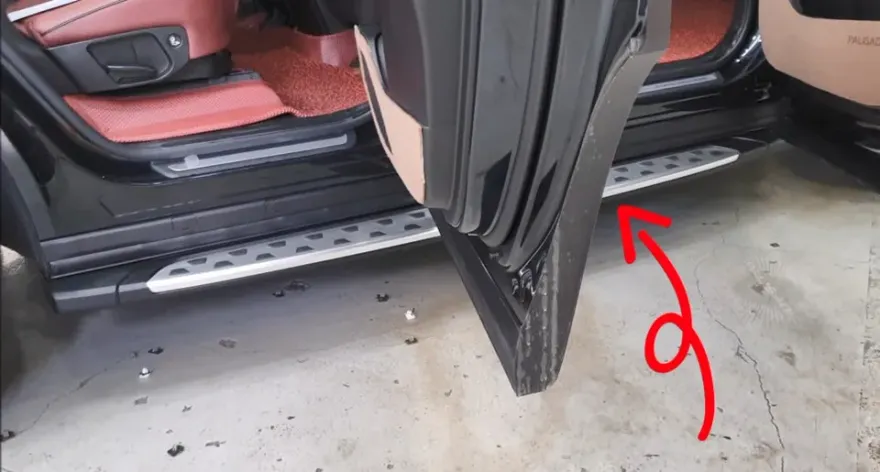
- 'Ghost Door' Mechanism Installation: For this specific upgrade, the automatic door mechanism is fitted to the rear doors, integrating with the power locks and opening/closing systems.
Durability, Maintenance, and Value Proposition
When OEM options are installed by reputable specialists, their durability is generally expected to match that of factory-fitted equipment. The components are designed to withstand typical automotive environmental conditions. Maintenance usually involves ensuring the sensors and cameras remain clean and unobstructed, similar to factory systems. For owners considering these upgrades, the decision hinges on the perceived value of the added safety and convenience versus the installation cost. For commercial operators like taxi drivers, the enhanced safety features can be crucial for accident prevention and passenger confidence, potentially justifying the investment. For personal use, the decision is more subjective, weighing the cost against the desire for specific advanced features not present in the original configuration.
Frequently Asked Questions
Q. How much does OEM option and factory upgrade installation cost for a Hyundai IONIQ?
The specific cost for these OEM options in Korea was not detailed in the source context but typically ranges from several hundred to over a thousand US dollars per system, depending on complexity. US pricing for similar factory-integrated safety features can vary widely based on the specific options and dealership.
Q. How long does OEM options installation take on a Hyundai IONIQ?
Installation times can vary significantly, from a few hours for simpler systems to a full day or more for complex integrations like multiple safety suites and automatic doors. Proper maintenance involves keeping external sensors and cameras clean for optimal performance.
Q. Are OEM options worth adding after purchase for a Hyundai IONIQ?
OEM options are most valuable for commercial users like taxi drivers who prioritize enhanced safety features for accident prevention. For personal use, the worth depends on individual needs and budget, weighing the cost against the desire for specific advanced functionalities.
Q. How are OEM factory options installed on a Hyundai IONIQ?
Installation involves integrating factory-standard components, including sensors and control modules, into the vehicle's existing systems. The process typically includes precise sensor placement, wiring harness connections to the vehicle's electronics, and software activation to enable the new features.
Q. What is the difference between dealer-installed options and aftermarket upgrades for a Hyundai IONIQ?
OEM options are designed and manufactured by the vehicle's maker (Hyundai) and are intended for factory integration, ensuring seamless compatibility and performance. Aftermarket upgrades are produced by third-party companies and may offer different features or quality levels, with compatibility sometimes being a concern.
OhCar Partner Shop