Hyundai IONIQ PPF Review: Cost & Before/After Results
Service Price
$40–80
Estimated price · Actual price may vary by shop
Before
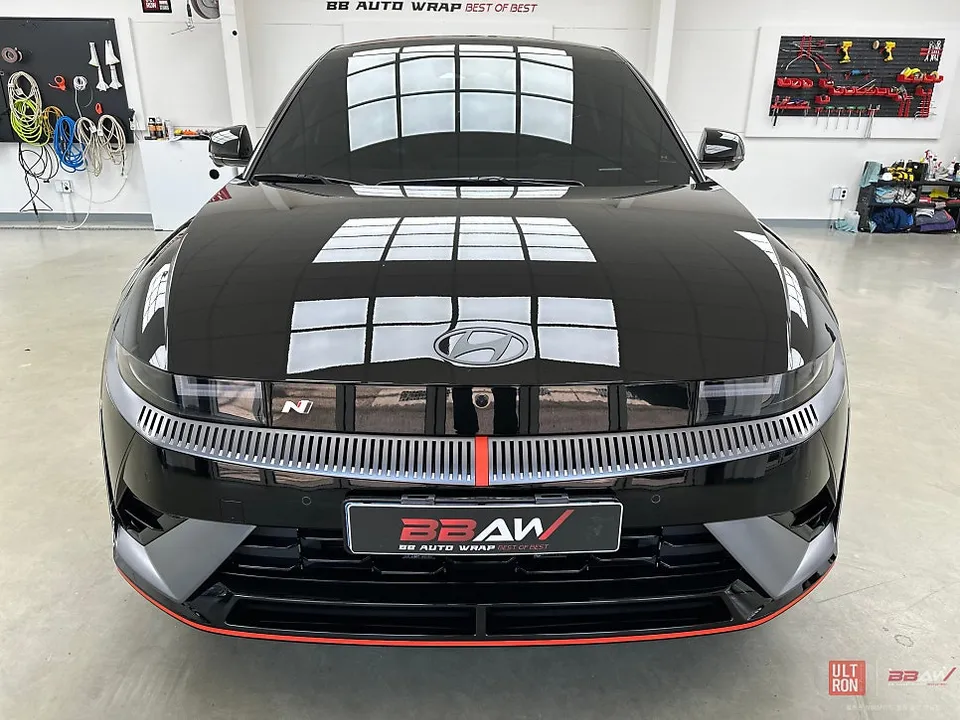
After
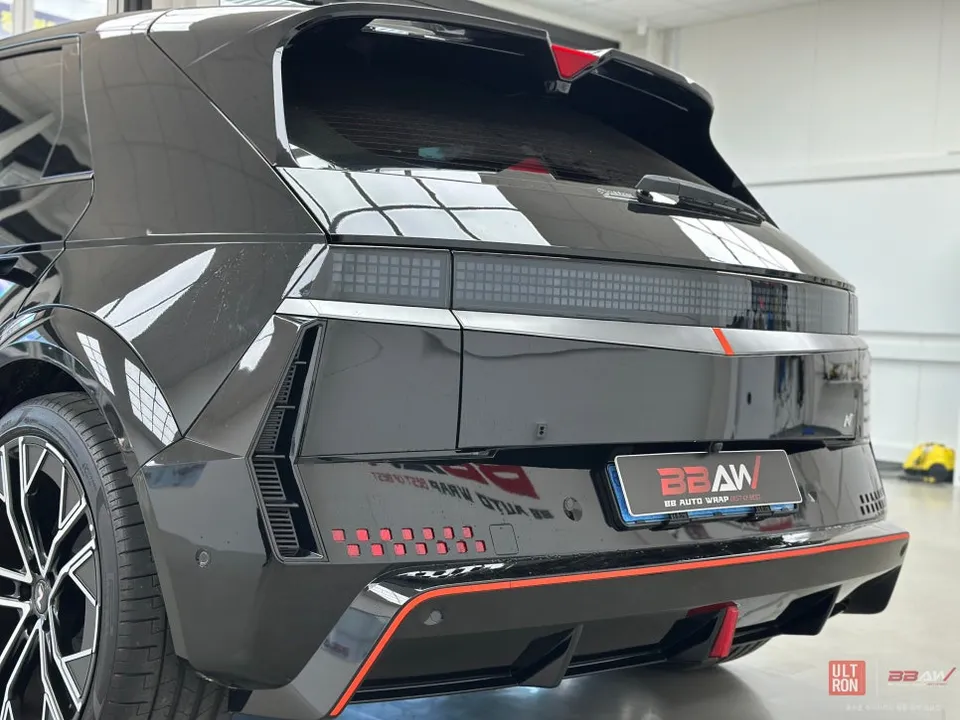
Process photos
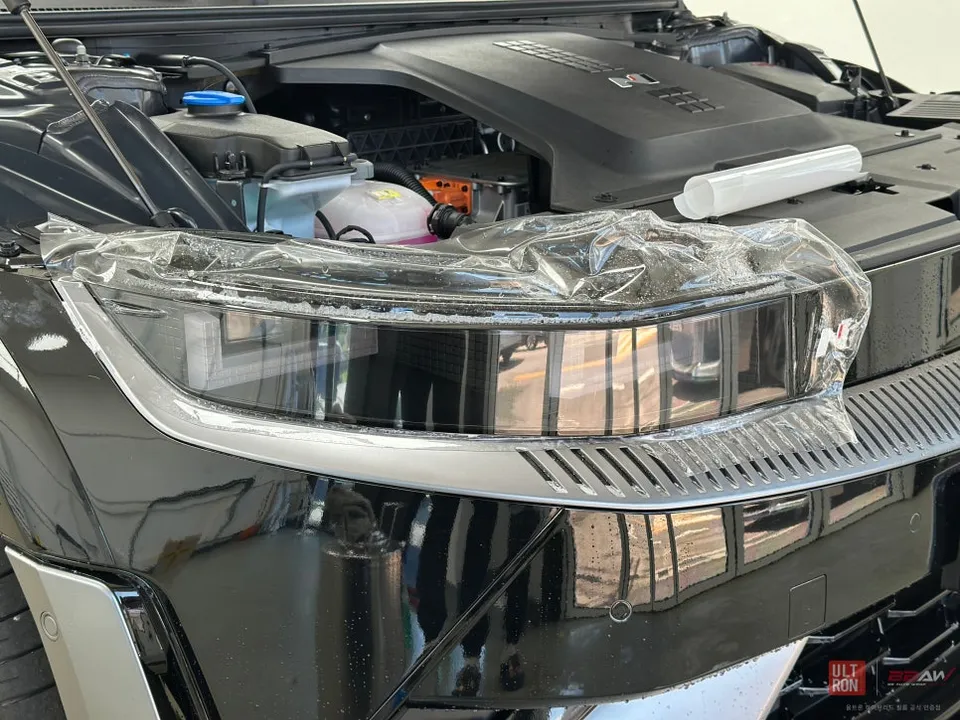
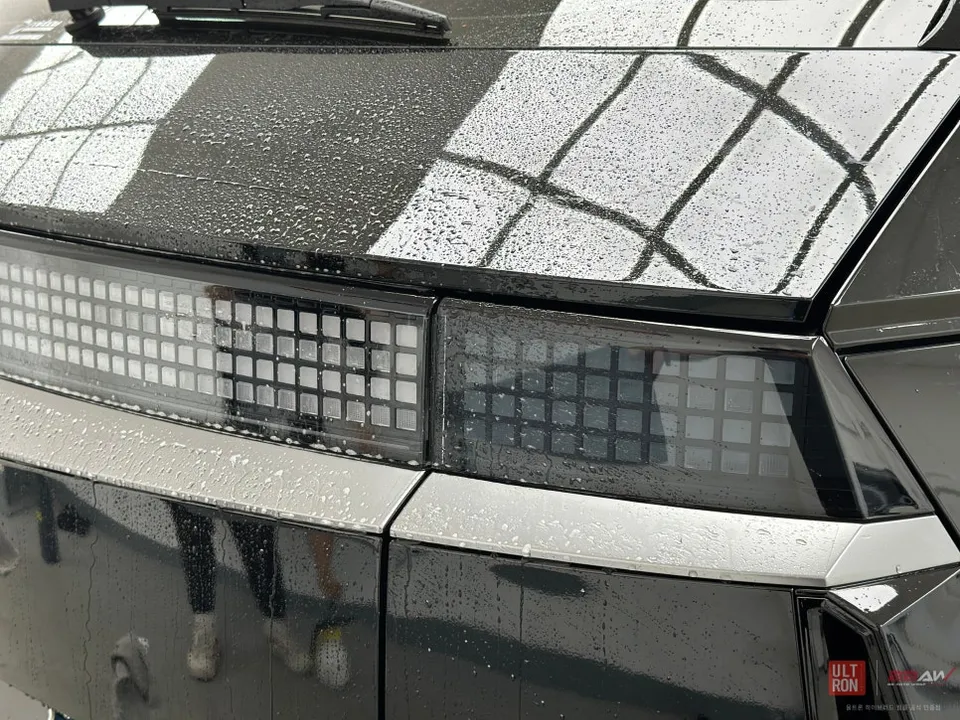
Hyundai IONIQ 5N headlight/taillight PPF: ₩300k-600k. Protects against scratches, adds subtle tint.
Protecting Your Hyundai IONIQ 5N's High-Performance Lighting
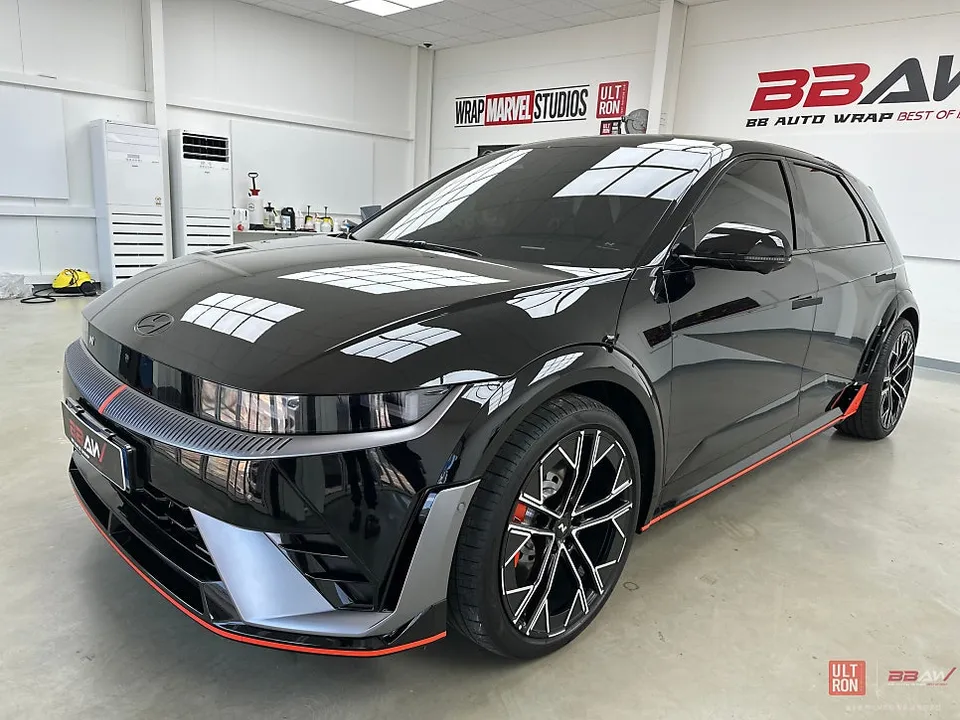
The Hyundai IONIQ 5N is a standout electric vehicle, and its striking design deserves top-tier protection. While its performance is exhilarating, the high-performance headlights and taillights are vulnerable to road debris, leading to scratches and potential damage. This review delves into the necessity and process of applying Paint Protection Film (PPF) to these critical components, specifically on the IONIQ 5N. We'll explore the benefits, the installation procedure, and the aesthetic enhancements, including a unique 'smog' tint option for the rear lamps.
Why PPF is Essential for IONIQ 5N Lighting
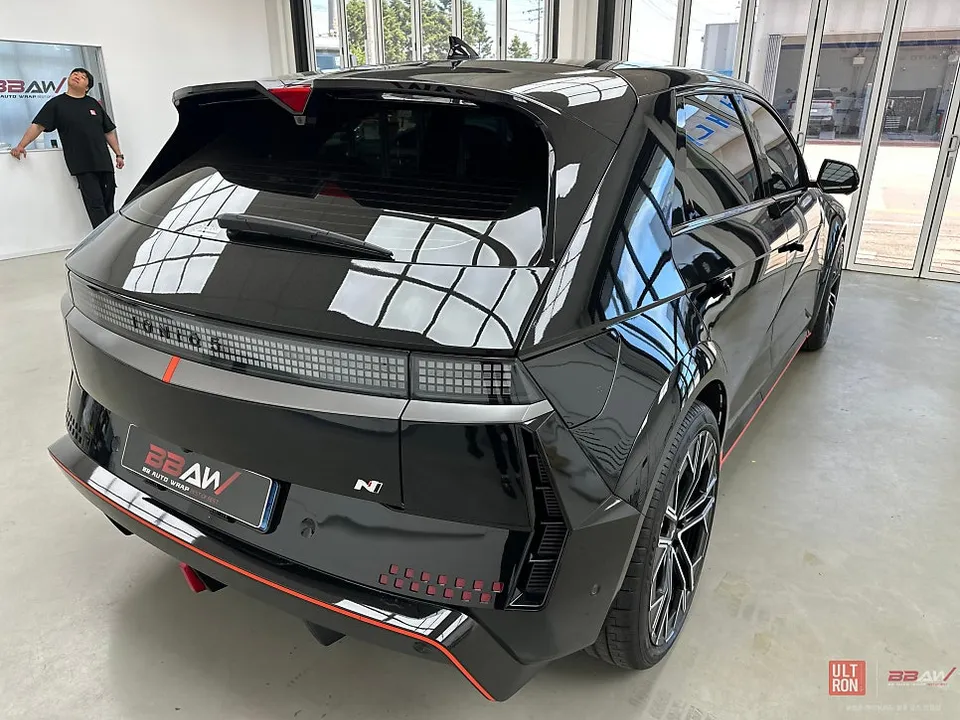
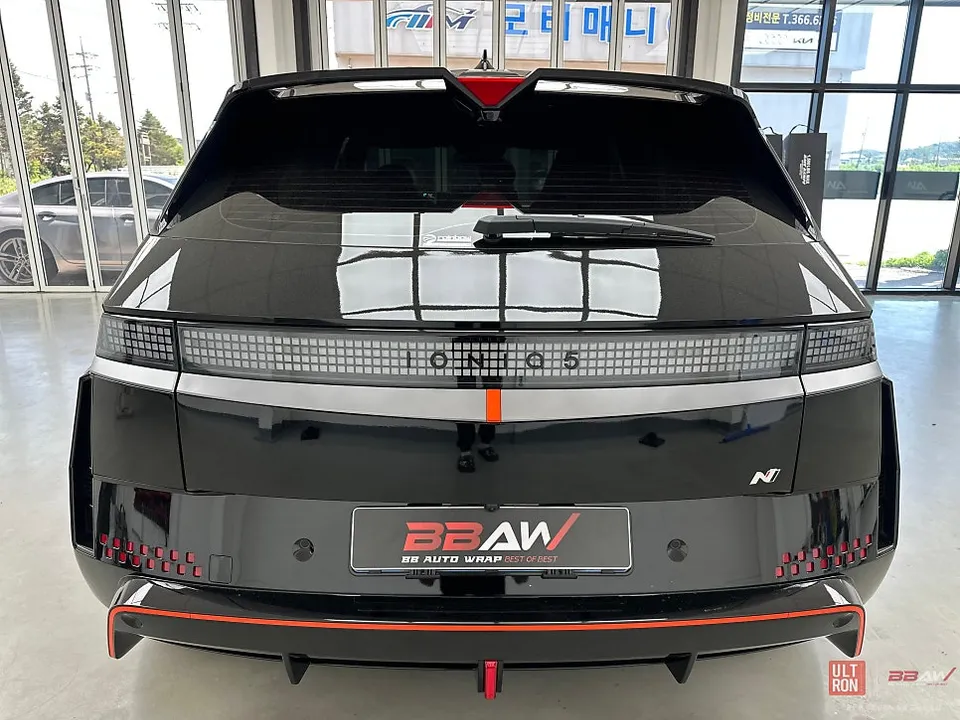
High-performance vehicles like the IONIQ 5N attract attention, but this also means increased exposure to the elements. Small stones, bugs, and other road contaminants can easily chip or scratch delicate headlight and taillight lenses. Such damage not only detracts from the vehicle's appearance but can also affect the optical clarity and performance of the lights. Given the cost of original equipment manufacturer (OEM) lighting components, preventative protection is a wise investment. PPF acts as a transparent shield, absorbing the impact of minor abrasions and protecting the underlying lenses. In this specific case, the IONIQ 5N received protection on its headlights using Ultrons Hybrid Film and a 'smog' tinted PPF from Cliff Design for the taillights, adding a subtle aesthetic enhancement.
The PPF Installation Process: Precision and Skill
Applying PPF requires meticulous attention to detail. The process begins with thorough surface preparation, including degreasing to remove any oils or contaminants that could compromise adhesion. For the IONIQ 5N's lighting, a wet application method was employed. This technique allows for precise positioning of the film and facilitates the removal of water and air bubbles using a squeegee. The installer must carefully manage the film's orientation and ensure a smooth, bubble-free finish. For the headlights, even though considered less complex, the IONIQ 5N's design necessitated careful cutting and wrapping around protruding edges to maximize coverage. The elongated taillights presented a greater challenge, requiring significant film material and a high degree of concentration to maintain quality and achieve clean lines, especially with the tinted film.
Installation process:
- Surface Preparation: Thorough cleaning and degreasing of the headlight and taillight surfaces to ensure optimal adhesion.
- Film Application: Using a wet method, the PPF is carefully positioned and applied to the lenses.
- Squeegee Work: Water and air are meticulously removed from under the film using a squeegee to create a smooth, bubble-free finish.
- Trimming and Edging: Excess film is precisely trimmed, and edges are carefully wrapped or sealed for a clean, integrated look.
- Curing: The film is allowed to cure, fully bonding to the surface and achieving its protective properties.
The entire process for the headlights and taillights on the IONIQ 5N took approximately 3 to 4 hours. The cost for this specific headlight and taillight PPF application in Korea ranged from approximately 300,000 to 600,000 KRW (roughly $220-$440 USD at the time of review). While this review focused on lighting components, full front-end PPF installation for a vehicle like the IONIQ typically costs between $400-$800 USD in the US, depending on the coverage area and film quality.
Frequently Asked Questions
Q. How much does PPF cost for a Hyundai IONIQ?
For the Hyundai IONIQ 5N's headlights and taillights, the cost in Korea was approximately ₩300,000-600,000. Typical full front-end PPF installation in the US can range from $400 to $800.
Q. How long does PPF last on a Hyundai IONIQ?
High-quality PPF typically lasts 5-10 years, offering long-term protection against road debris. Regular washing and occasional waxing will help maintain its clarity and longevity.
Q. Is PPF worth it for a Hyundai IONIQ?
PPF is highly recommended for performance EVs like the IONIQ 5N, especially for vulnerable areas like headlights and taillights, to prevent costly damage. It's a worthwhile investment for preserving the vehicle's appearance and resale value.
Q. How is PPF installed on a Hyundai IONIQ?
Installation involves meticulous surface preparation (cleaning and degreasing), followed by a wet application of the film. Water and air are then squeegeed out, and the film is precisely trimmed and sealed around edges.
Q. What is the difference between PPF and ceramic coating for a Hyundai IONIQ?
PPF provides physical impact protection against rock chips and scratches, while ceramic coating offers a hydrophobic layer that enhances gloss and makes cleaning easier. For impact protection, PPF is superior.
OhCar Partner Shop
More ppf Reviews
See all →


More Hyundai Reviews
Pair with Another Service
Add hydrophobic protection on top of PPF
Complete your new car protection package