Hyundai IONIQ Window Tinting Review — Cost & Results
Before
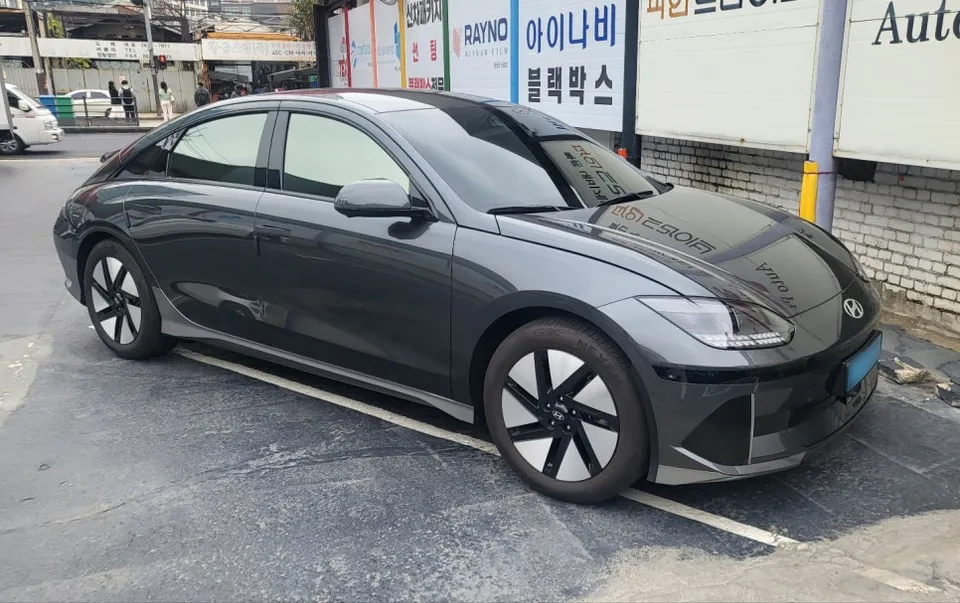
After
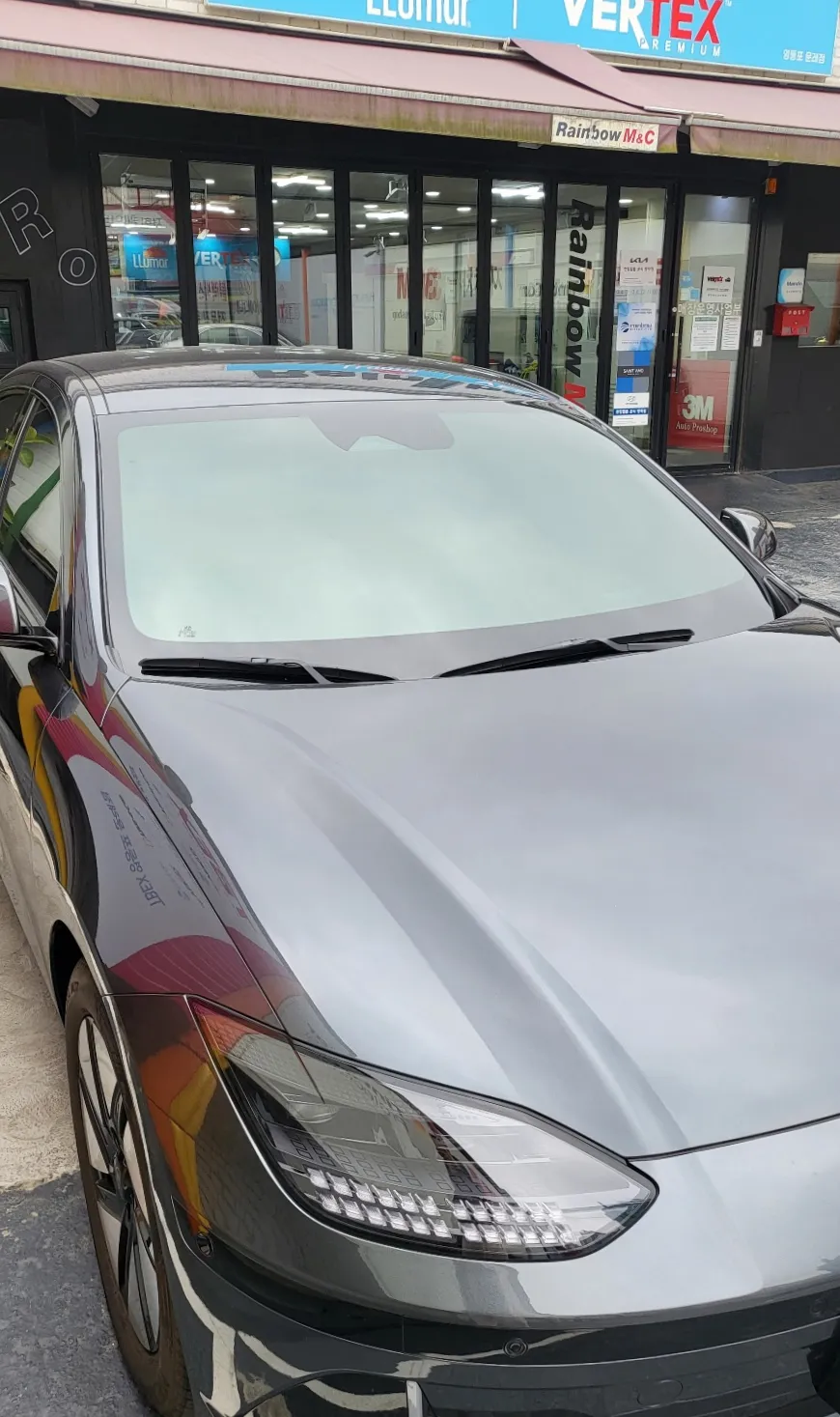
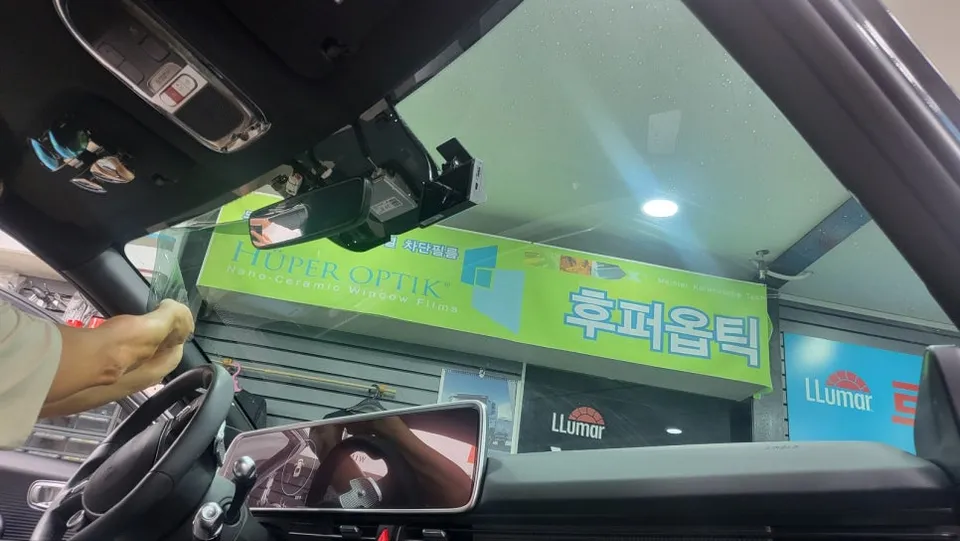
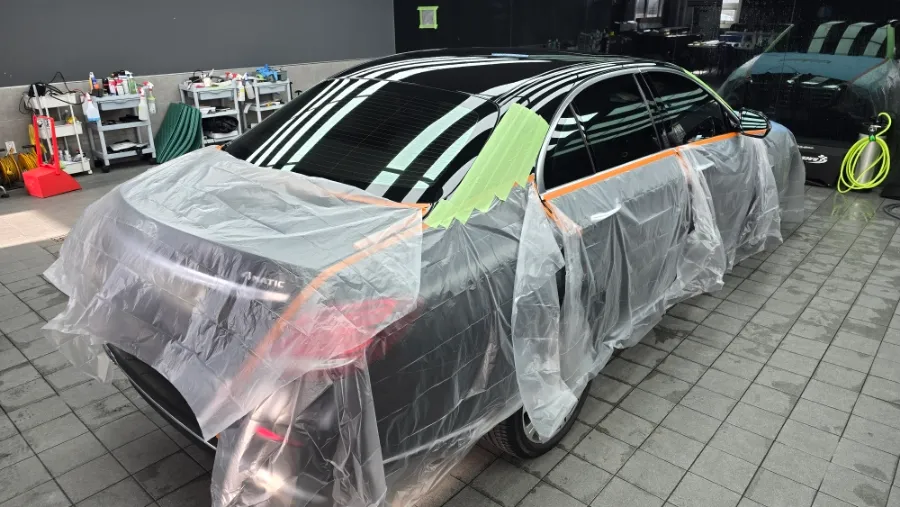
Process photos
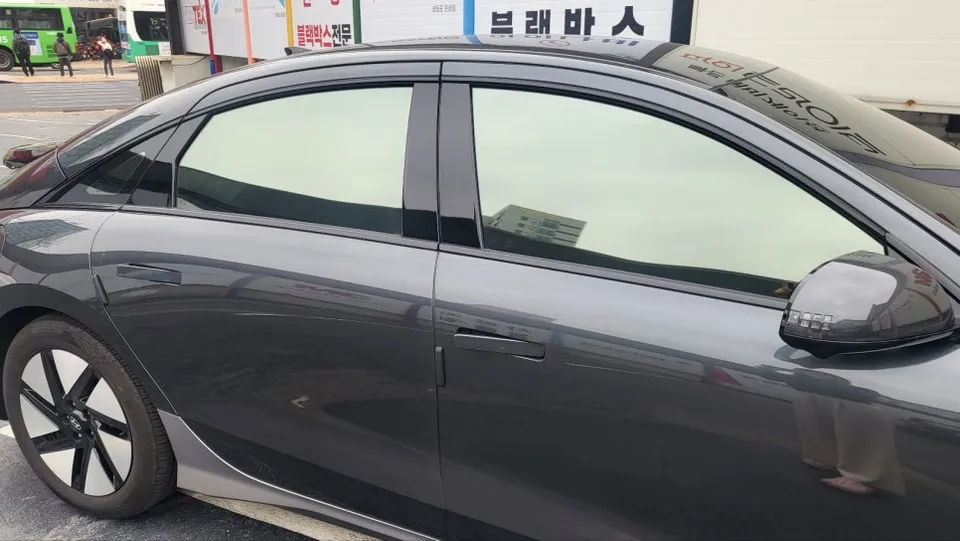
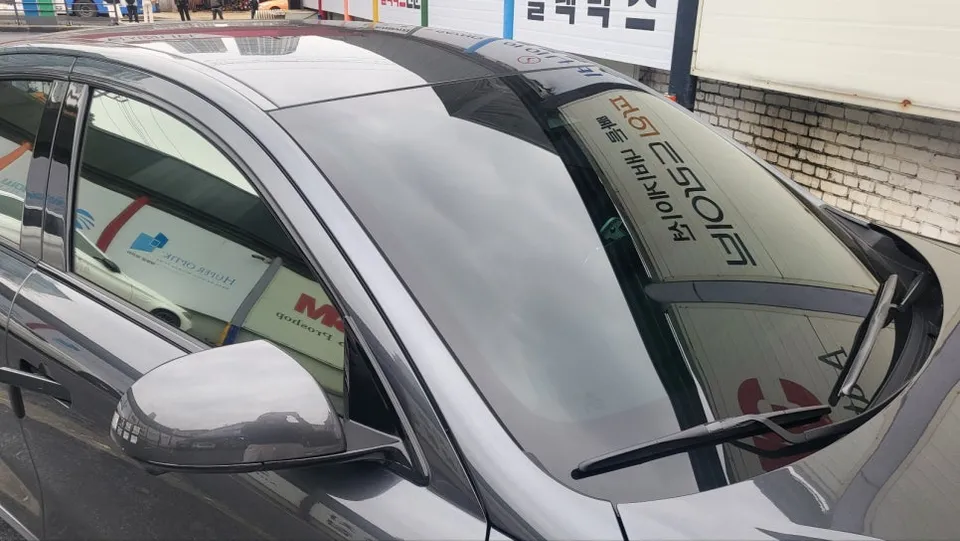
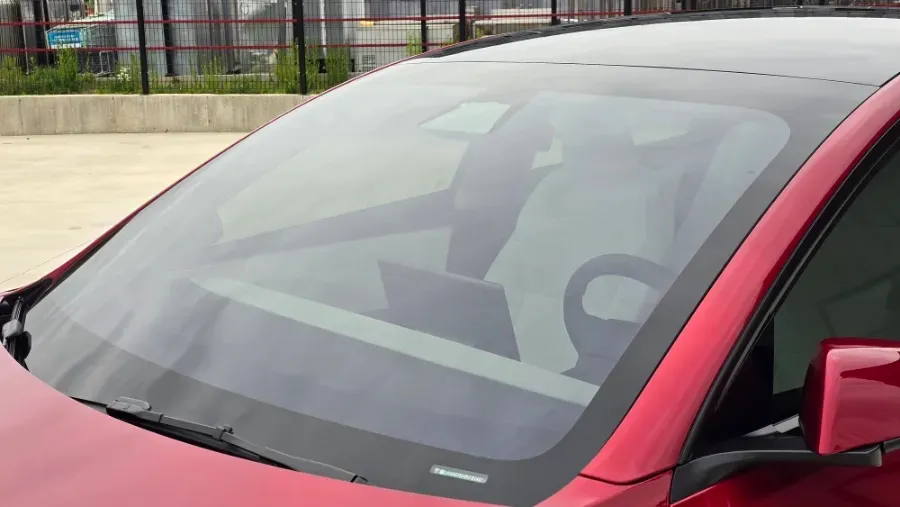
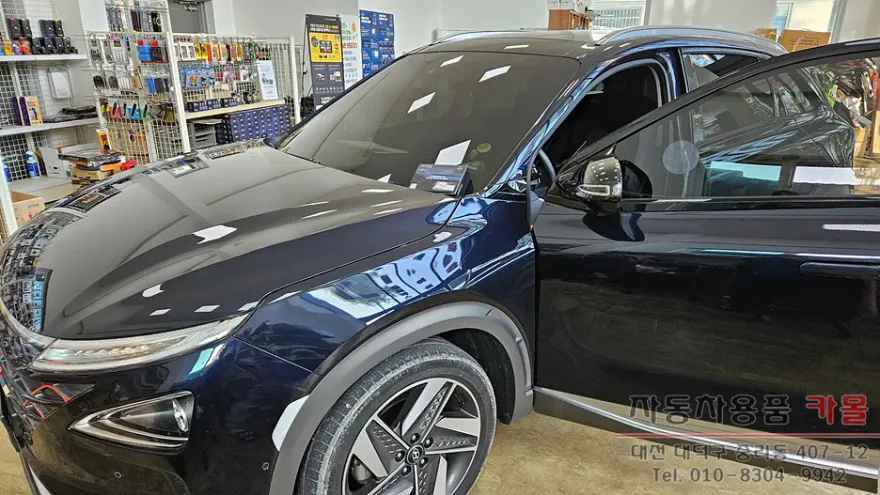
Hyundai IONIQ 6 window tinting: Replaced non-reflective with reflective V90 (23%) tint. Improved heat rejection and aesthetics.
Hyundai IONIQ Window Tinting: A Reflective Upgrade
This review details a recent window tinting service for a Hyundai IONIQ 6, focusing on a change from non-reflective to reflective tint. The service was performed by Rainbow M&C in Yeongdeungpo, South Korea. The goal was to switch the front windshield tint from a non-reflective type to a reflective V90 film with 23% visibility. This type of upgrade aims to enhance both aesthetics and performance, particularly in terms of heat rejection and UV protection.
Understanding Window Tinting Options
Window tinting offers several benefits, including improved comfort by reducing solar heat gain, enhanced privacy, and protection against harmful UV rays. Different types of films exist, such as dyed, metallic, and ceramic tints. Ceramic tint, in particular, is known for its superior heat rejection capabilities without interfering with electronic signals. The choice between reflective and non-reflective films often comes down to personal preference and local regulations. Reflective tints can offer a more mirrored appearance and potentially better heat deflection, while non-reflective tints provide a more subdued look.
The IONIQ 6 Tinting Process and Results
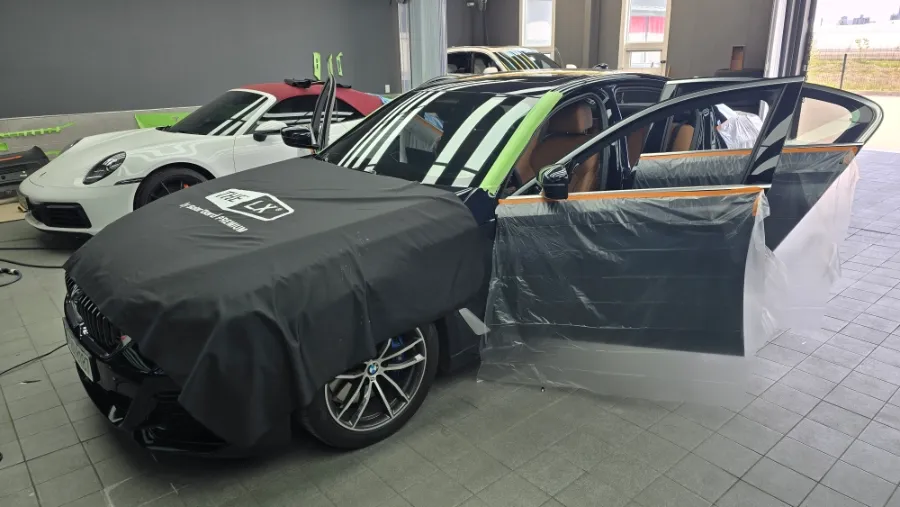
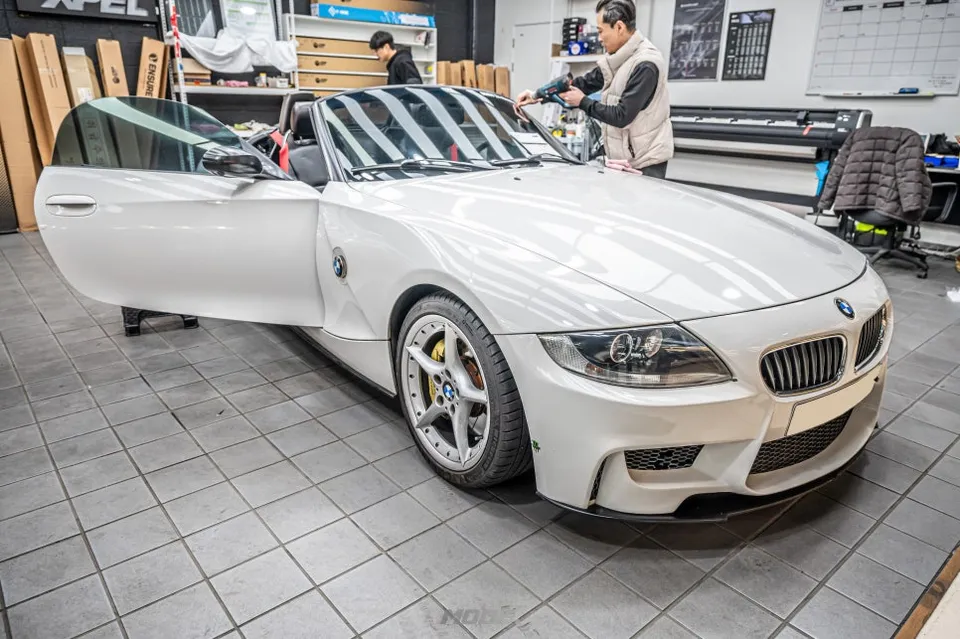
The process involved removing the existing non-reflective tint from the front windshield and applying a new reflective V90 film with 23% light transmission. This specific film is chosen for its balance of visibility and heat rejection. The installation requires meticulous preparation to ensure a clean application and a durable finish. The before and after results typically show a significant difference in the car's appearance and interior temperature, especially on sunny days. The new reflective tint not only changes the exterior look but also contributes to a cooler cabin environment by blocking more solar energy.
Installation process:
- Careful removal of the old window tint film.
- Thorough cleaning and preparation of the glass surface.
- Precise cutting and application of the new ceramic tint film.
- Professional drying and finishing to ensure a smooth, bubble-free result.
The durability of window tinting depends on the quality of the film and the installation. High-quality ceramic tints are generally long-lasting, resisting peeling, bubbling, and discoloration for many years. Regular maintenance involves simple cleaning with mild soap and water, avoiding abrasive materials that could scratch the film.
When considering window tinting for your Hyundai IONIQ, weigh the benefits of heat rejection, UV protection, and aesthetics against the window tinting cost. While the initial investment can vary, the long-term comfort and protection offered by quality tint, especially ceramic or reflective films, often make it a worthwhile upgrade for car owners.
Frequently Asked Questions
Q. How much does window tinting cost for a Hyundai IONIQ?
The cost for this specific Hyundai IONIQ 6 front windshield tinting service in Korea was not explicitly stated in KRW, but typical professional window tinting for a full vehicle in the US can range from $300 to $800 depending on the film type and vehicle.
Q. What tint percentage is legal for a Hyundai IONIQ?
The legality of window tint percentages varies significantly by state in the US and country. For this specific installation, a 23% VLT (Visible Light Transmission) reflective film was used on the front windshield, which may not be legal in all regions. Always check your local regulations before installation.
Q. Is ceramic tint worth the extra cost for a Hyundai IONIQ?
Ceramic tint is often worth the extra cost for a Hyundai IONIQ if your priority is maximum heat rejection and UV protection without signal interference. It provides superior performance compared to dyed or metallic films, leading to a more comfortable driving experience.
Q. How is window tint installed on a Hyundai IONIQ?
Window tint installation on a Hyundai IONIQ involves several key steps: 1. The glass is meticulously cleaned to remove all dirt and debris. 2. The tint film is precisely cut to match the window shape. 3. The film is applied to the interior of the glass using a solution to help it adhere smoothly. 4. Heat is used to shrink and conform the film, and a squeegee removes excess solution and air bubbles, followed by a curing period.
Q. What is the difference between ceramic and dyed window tint for a Hyundai IONIQ?
Ceramic tint uses non-metallic ceramic particles to block heat and UV rays, offering excellent performance without interfering with electronics, while dyed tint uses a layer of dye to absorb heat and reduce glare but offers less heat rejection and can fade over time. For superior heat rejection and durability, ceramic tint is generally recommended.
OhCar Partner Shop
More window tinting Reviews
See all →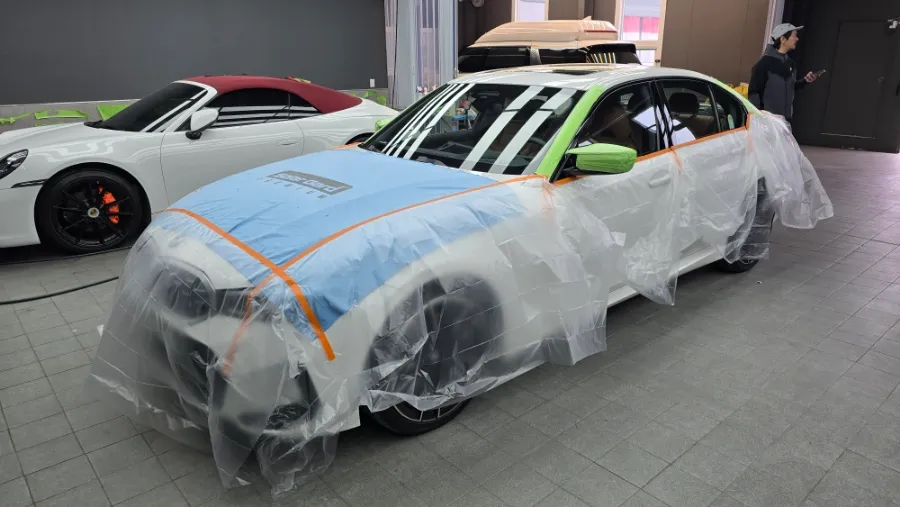
More Hyundai Reviews
Pair with Another Service
Protect paint while you're at the shop

Add gloss and protection