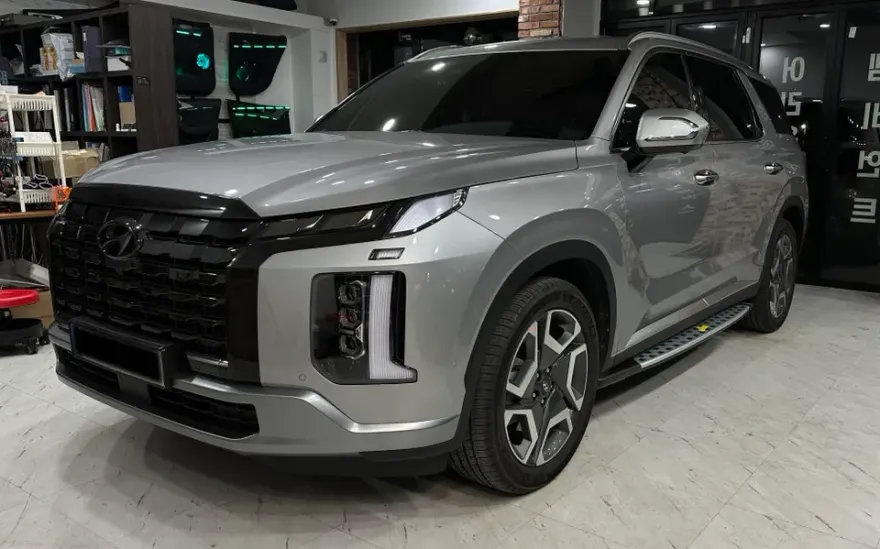
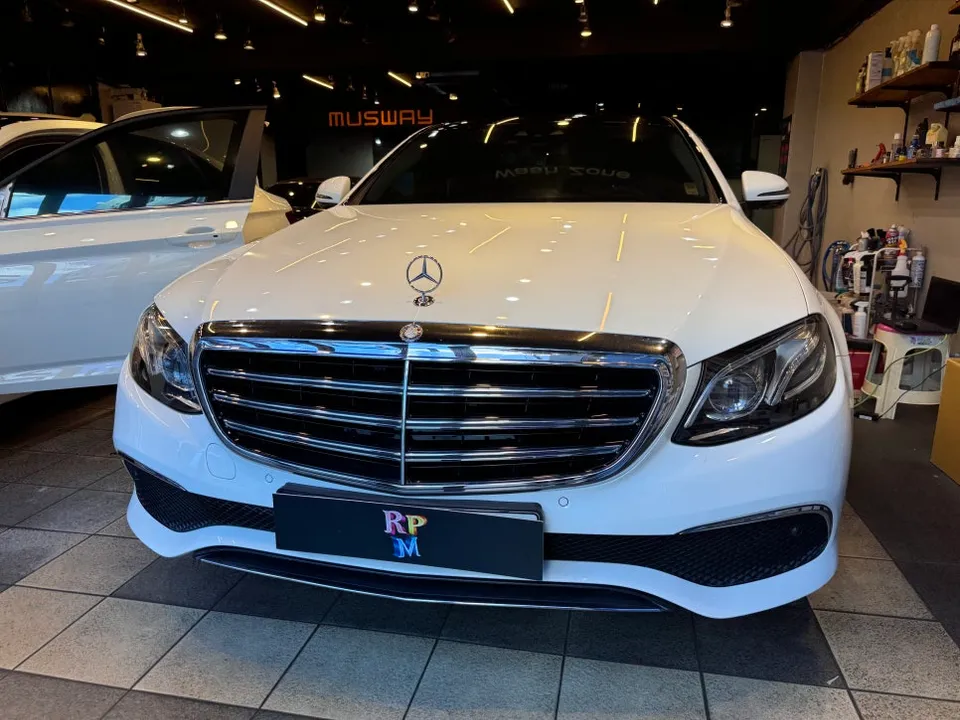
Hyundai K900 Ambient Lighting Review — Cost & Results
Service Price
$approx. $1,500+
Estimated price · Actual price may vary by shop
Before
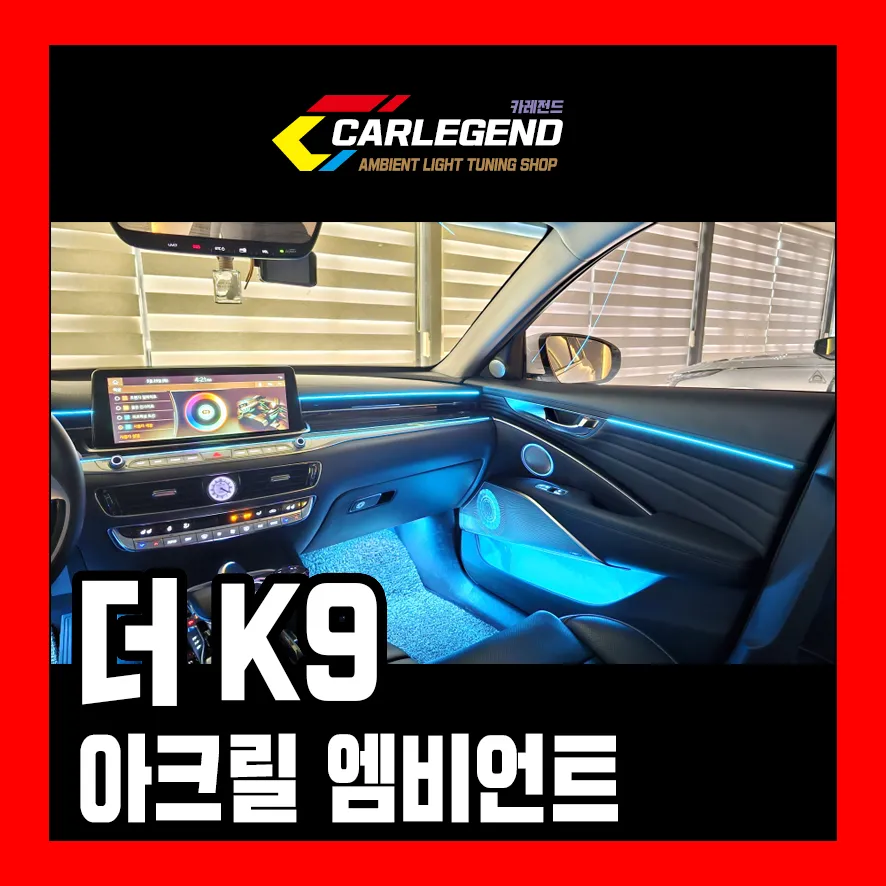
After
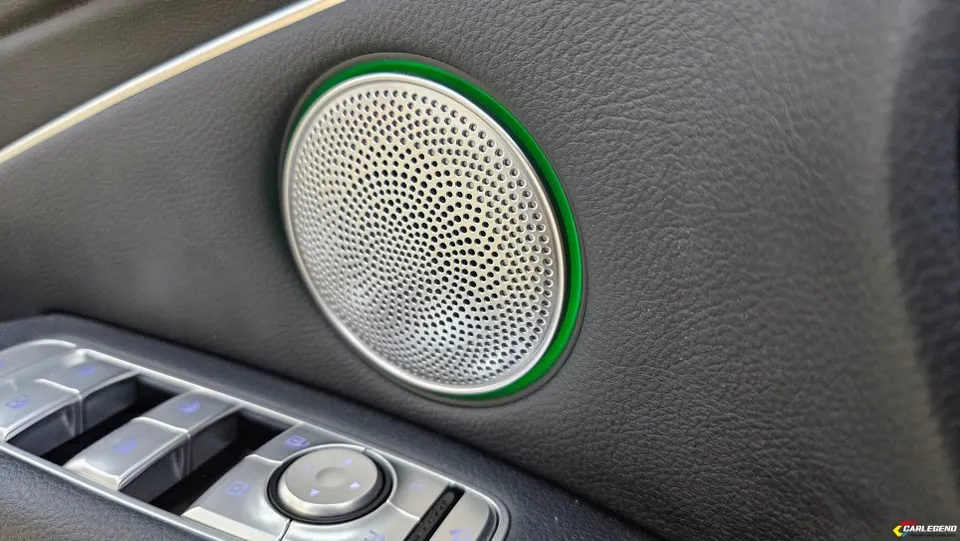
Process photos
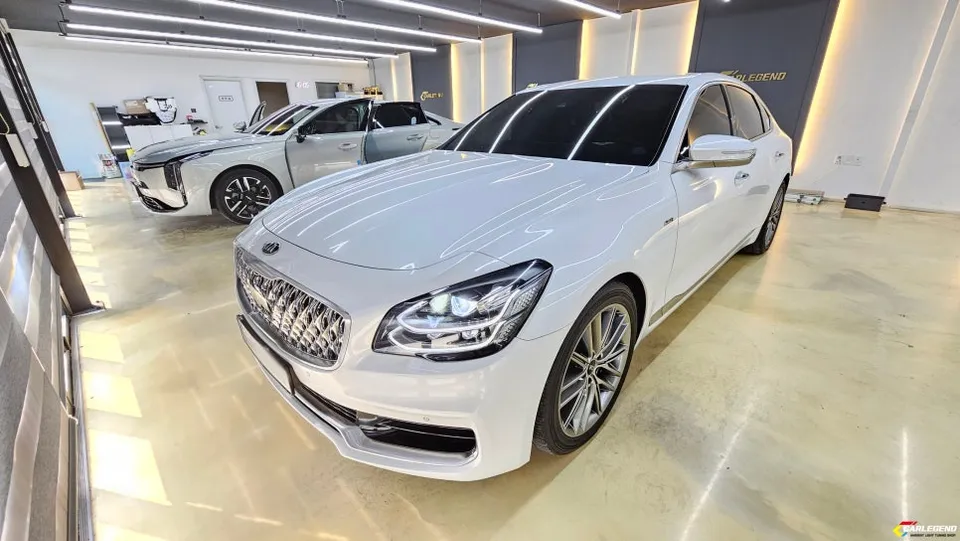
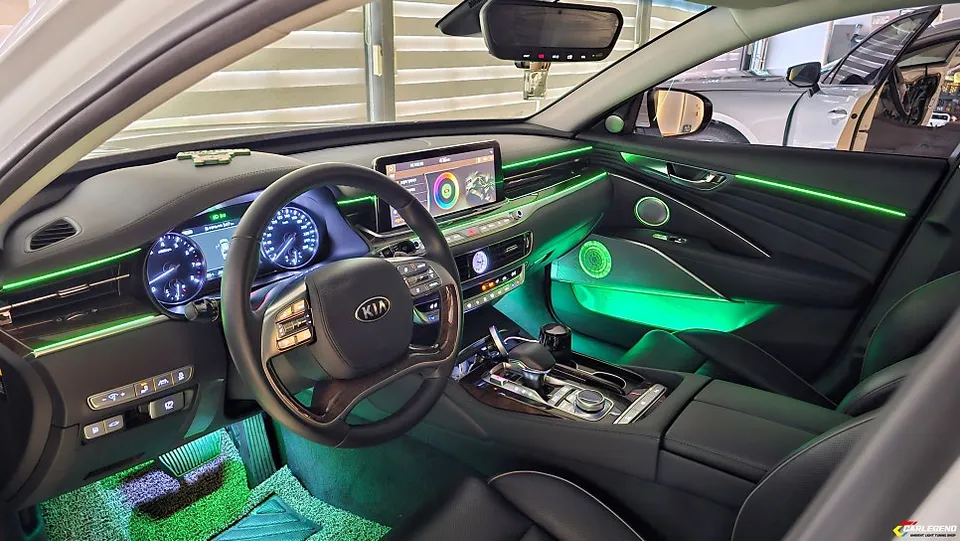
Hyundai K900 ambient lighting retrofit: approx. $1,500+. Enhances interior luxury with custom LED integration and seamless finish.
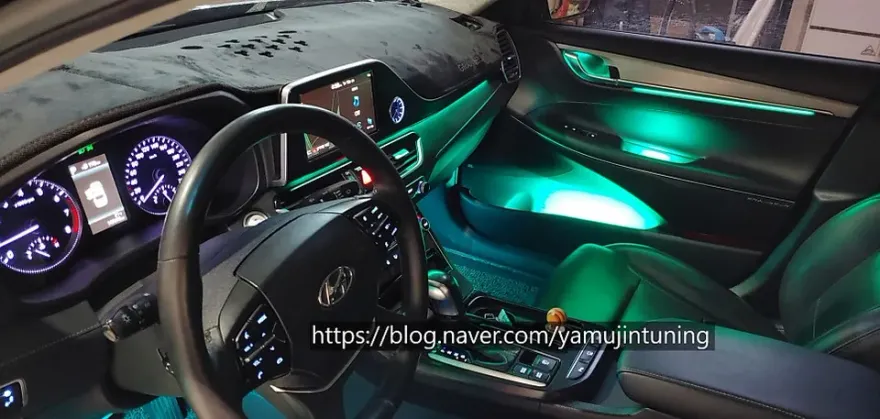
Elevating the Hyundai K900 Experience with Ambient Lighting
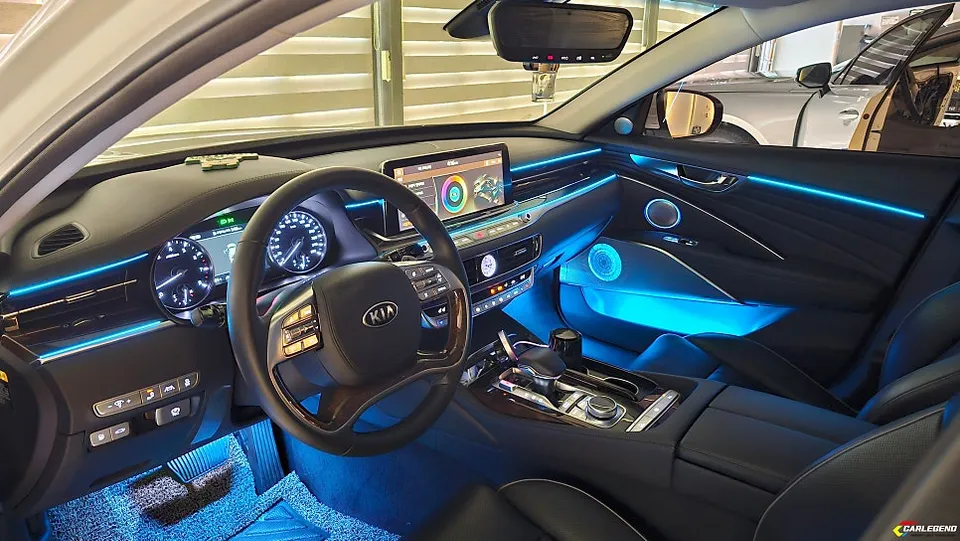
The Hyundai K900, a benchmark for luxury sedans, offers a sophisticated interior that can often feel incomplete with just its factory lighting. For owners seeking to enhance the cabin's ambiance, an ambient lighting retrofit provides a significant upgrade. This isn't merely about adding LEDs; it's about integrating a premium lighting system that complements the K900's refined design. The process, as experienced at a specialized workshop in Yongin, South Korea, goes beyond typical aftermarket installations, focusing on seamless integration and aesthetic finesse. Given the K900's intricate interior contours, especially on the dashboard and door panels, simply attaching lights can look out of place. True craftsmanship lies in meticulously embedding the lighting, often requiring proprietary techniques to achieve a factory-like finish. This review delves into the detailed process, highlighting the technical expertise required to transform the K900's interior atmosphere.
The Art of Ambient Light Installation in the K900
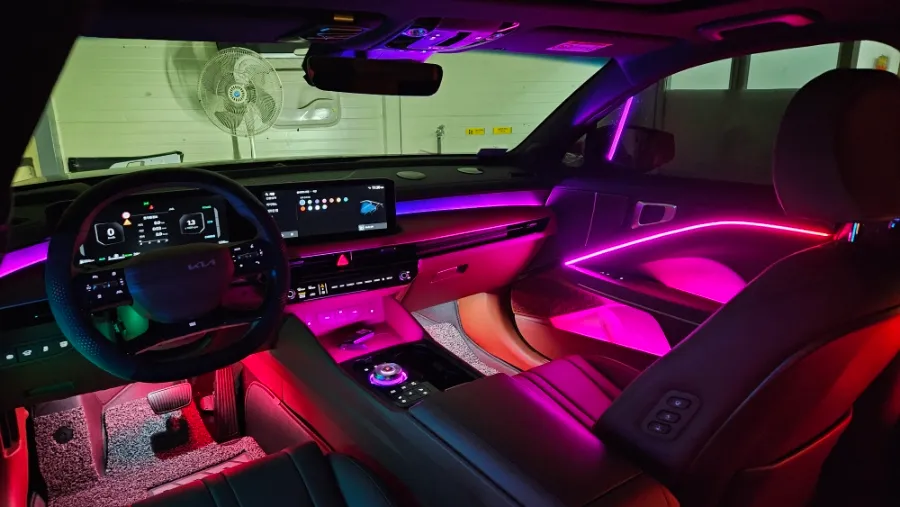
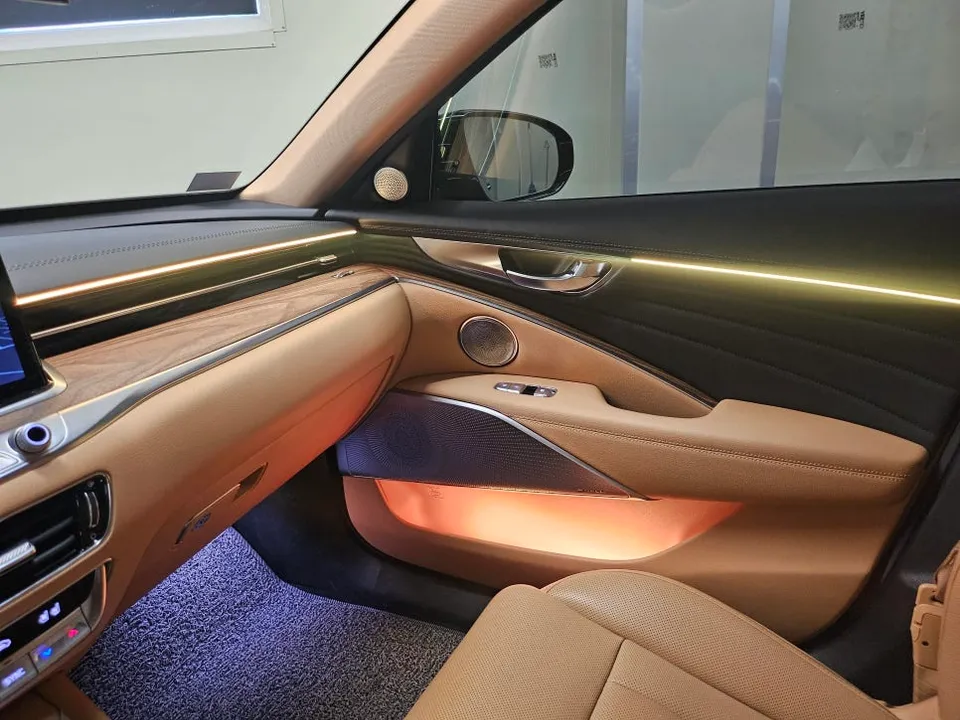
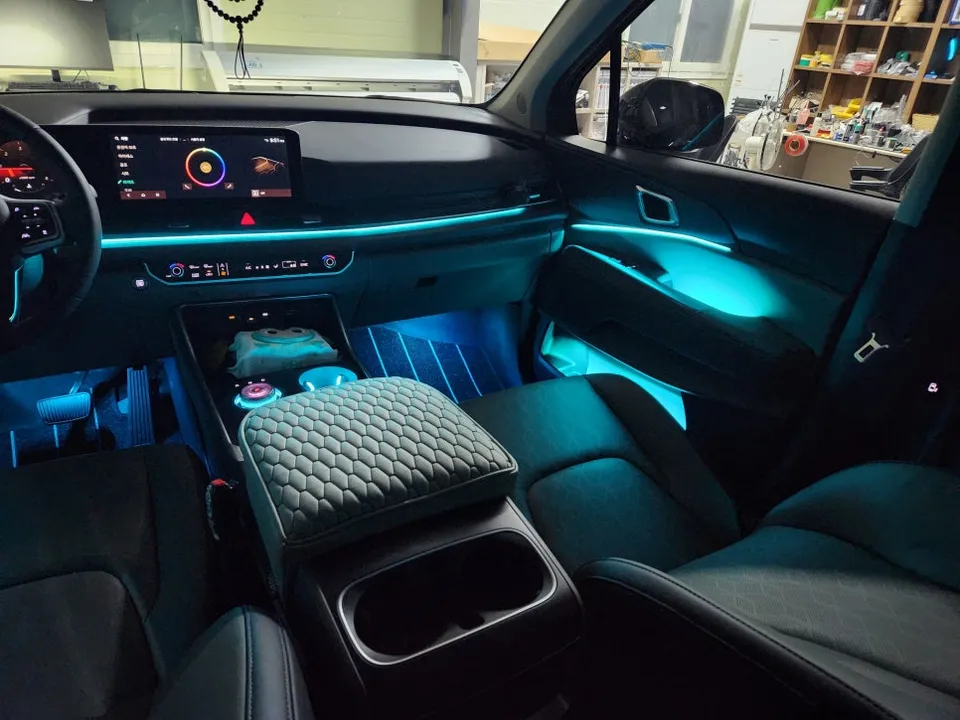
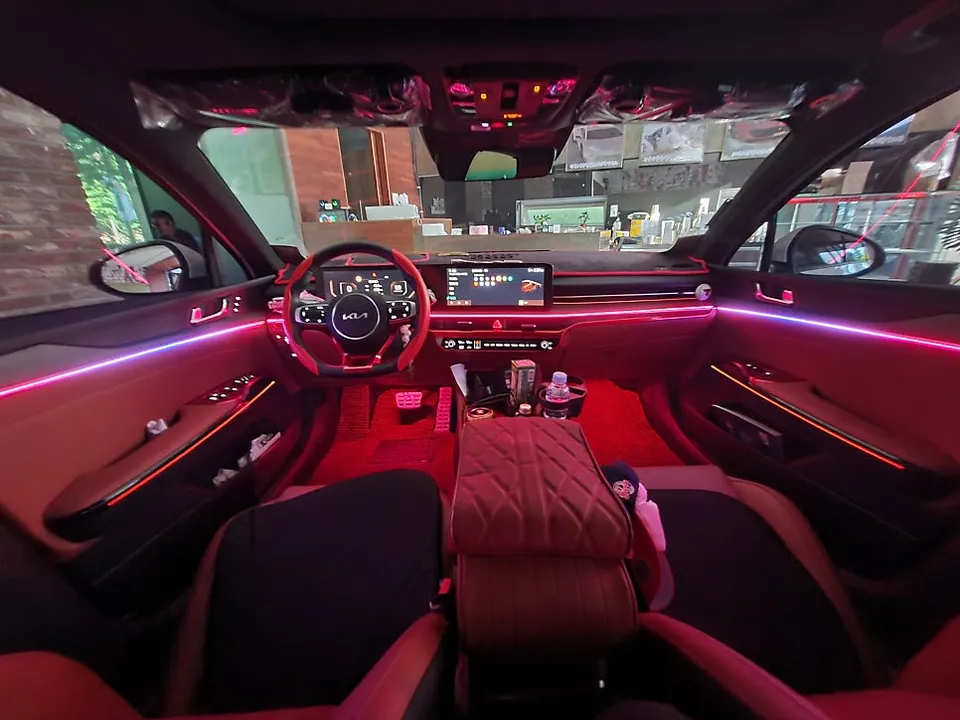
The journey to installing ambient lighting in a Hyundai K900 begins with a thorough inspection of the vehicle's interior structure. Technicians carefully dismantle door panels and dashboard components to understand the available space and potential mounting points. The K900's complex interior design necessitates precise knowledge of its layout to avoid damaging delicate materials during the installation. A critical aspect is the integration with existing systems, particularly if aiming to synchronize with the factory ambient lighting. Improper wiring can lead to conflicts and costly repairs. Specialized shops offer detailed consultations to map out the installation, ensuring a flawless execution. For the doors, a common approach involves embedding a thin, 1mm acrylic strip into the upper contour lines, a feature not offered by the manufacturer. This non-visible mounting technique allows light to diffuse subtly without the LED source being exposed, creating an elegant glow. Achieving uniformity in height and brightness across all four doors is paramount for a cohesive look. The finishing touches, where the newly installed lighting meets the existing trim, are crucial for a high-end appearance. Any misalignment or unevenness can detract from the overall luxury. The dashboard presents a different challenge due to its curves and limited space. Installation typically targets areas around the air vents, the sides of the instrument cluster, and the passenger side. Here, custom fabrication is often required to create the necessary space for a non-visible installation, distinct from the door panel method. Precision is especially vital around the instrument cluster, as any imbalance in brightness can be distracting for the driver. The intensity and color of the lights are carefully calibrated across all locations to ensure a harmonious visual experience. Optional additions, such as lighting along the lower dashboard sections, can add further depth and dimension to the cabin's ambiance, extending the illumination to the footwells for a more immersive feel during night drives.
Advanced Features and Durability Considerations
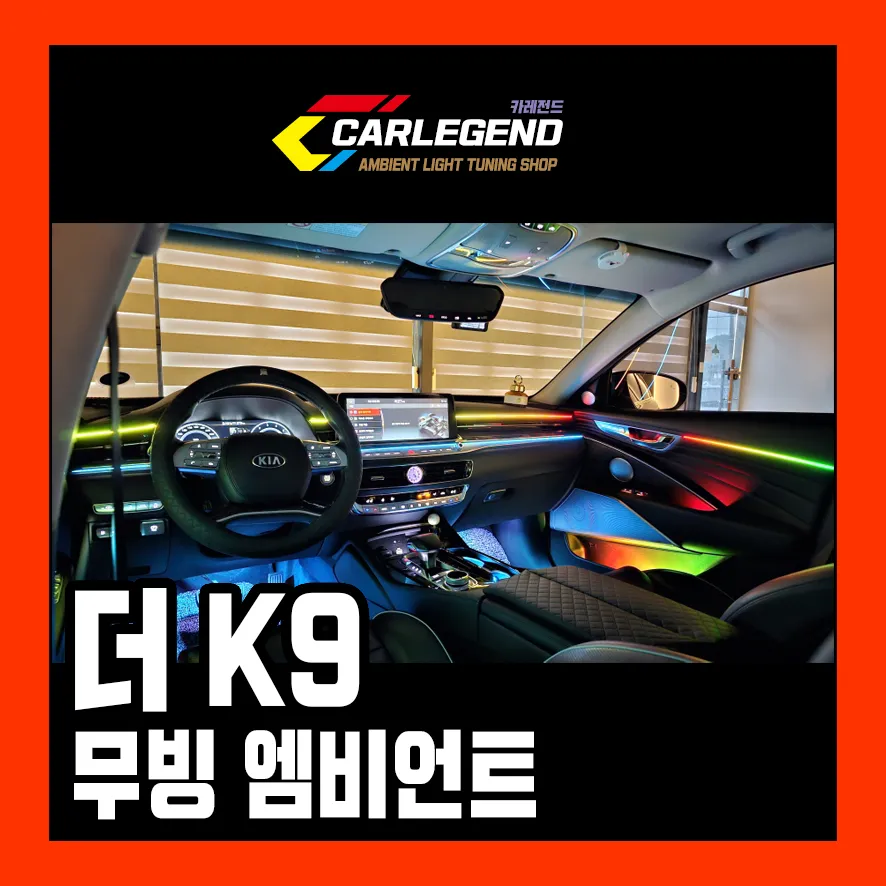
A standout feature in some K900 ambient lighting retrofits is the integration with speaker grilles. While some K900 models come with illuminated speaker surrounds from the factory, others do not. Instead of purchasing expensive OEM parts, specialized workshops have developed their own LED solutions, often referred to as 'Version 2' speaker LEDs. These aftermarket options can provide superior brightness and visibility from multiple angles compared to the original equipment, at a more accessible price point. Installation can extend to multiple speakers, including the main door speakers and larger central units, where LEDs are concealed to emit a soft, diffused light. Practicality is also addressed with lighting in door storage compartments, achieved through custom covers that house LEDs, providing subtle illumination when the doors are open, enhancing usability in low-light conditions. Footwell lighting, installed in both the driver and passenger areas, offers a dramatic visual effect, making the interior appear more spacious and luxurious upon entry. Post-installation, the entire system is typically controllable via the car's infotainment monitor, allowing adjustments to color, brightness, and dynamic modes like welcome sequences, automatic color changes, and moving light effects. The wiring is meticulously managed, hidden within the car's structure and secured with robust connectors to prevent issues from vibrations. Sound dampening is often applied to ensure a rattle-free experience. The expected durability for such installations is generally 3-5 years, provided proper maintenance. This includes avoiding excessive moisture during car washes and refraining from harsh cleaning agents. Any signs of flickering or color inconsistency should be addressed promptly by a professional. It's important to note that future repairs to door components might require partial disassembly of the lighting system.
Installation process:
- Detailed vehicle inspection and interior component removal (doors, dashboard).
- Custom fabrication of mounting points and channels for non-visible LED integration.
- Precise embedding of LED strips or acrylic components into trim lines.
- Meticulous wiring, ensuring secure connections and concealment within the vehicle structure.
- System testing, calibration of brightness and color, and final reassembly.
The cost for a comprehensive ambient lighting package for the K900, including door panels, dashboard, speaker surrounds, and footwell lights, can range from approximately ₩2,500,000 to ₩4,000,000 (roughly $1,800 to $2,900 USD, subject to exchange rates). Basic configurations start lower, around ₩1,500,000 to ₩2,500,000 (approx. $1,100 to $1,800 USD). Installation time typically spans 3-5 hours, depending on the complexity and number of options selected.
Frequently Asked Questions
Q. How much does ambient lighting cost for a Hyundai K900?
In South Korea, a comprehensive ambient lighting installation for the Hyundai K900 can range from approximately ₩1,500,000 to ₩4,000,000 (roughly $1,100 to $2,900 USD). Typical US pricing for similar custom installations often starts around $1,500 and can go higher depending on the complexity and features.
Q. How long does ambient lighting installation take on a Hyundai K900?
The installation process for ambient lighting on a Hyundai K900 typically takes between 3 to 5 hours, depending on the chosen options and complexity. For optimal longevity, it's recommended to avoid excessive moisture exposure, such as high-pressure car washes, for the first 48 hours after installation to allow connections to fully stabilize.
Q. Is aftermarket ambient lighting worth it for a Hyundai K900?
Aftermarket ambient lighting is particularly worthwhile for K900 owners who prioritize a highly customized and luxurious cabin ambiance beyond factory offerings. It offers a significant aesthetic upgrade that can make night drives more enjoyable and the vehicle feel more premium, often at a more accessible price than equivalent OEM upgrades.
Q. How is ambient lighting installed on a Hyundai K900?
Installation involves carefully removing interior trim panels, fabricating precise channels for non-visible LED placement, embedding thin acrylic light guides or LED strips, and meticulously routing and concealing wiring. The process concludes with system calibration and reassembly, ensuring a seamless, factory-integrated look.
Q. What is the difference between OEM and aftermarket ambient lighting for a Hyundai K900?
OEM ambient lighting is factory-integrated and designed specifically for the vehicle, while aftermarket options offer greater customization and potentially more advanced features, sometimes at a lower cost. For features like illuminated speaker surrounds, specialized aftermarket kits can even surpass OEM quality and brightness.
Q. What should I know before getting Ambient Lighting on a Hyundai K900? (common regrets and mistakes)
A common regret is choosing installations with visible LEDs or poor integration, which detracts from the luxury feel. To avoid this, prioritize workshops specializing in non-visible mounting techniques and meticulous finishing to ensure a seamless, high-quality result.
Car Legend