Hyundai Kona Vinyl Wrap Review: Carbon Mirror Respray
Service Price
$under $40
Estimated price · Actual price may vary by shop
Before
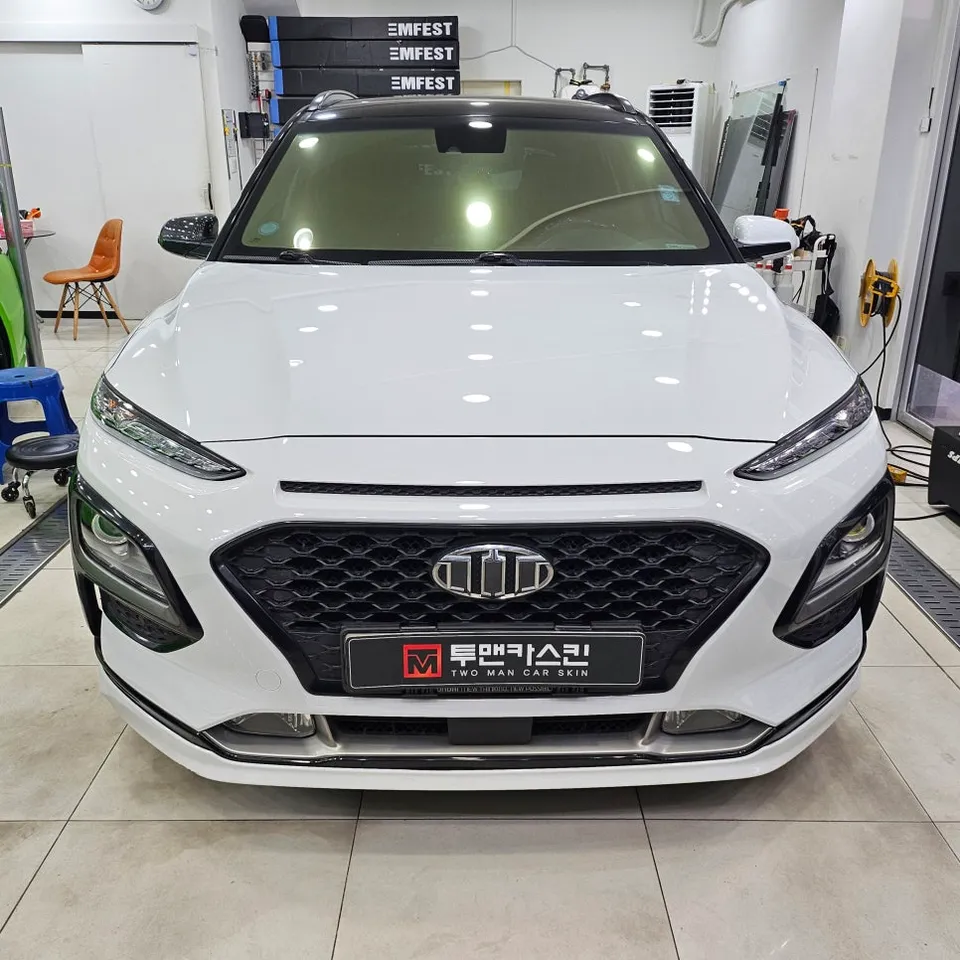
After
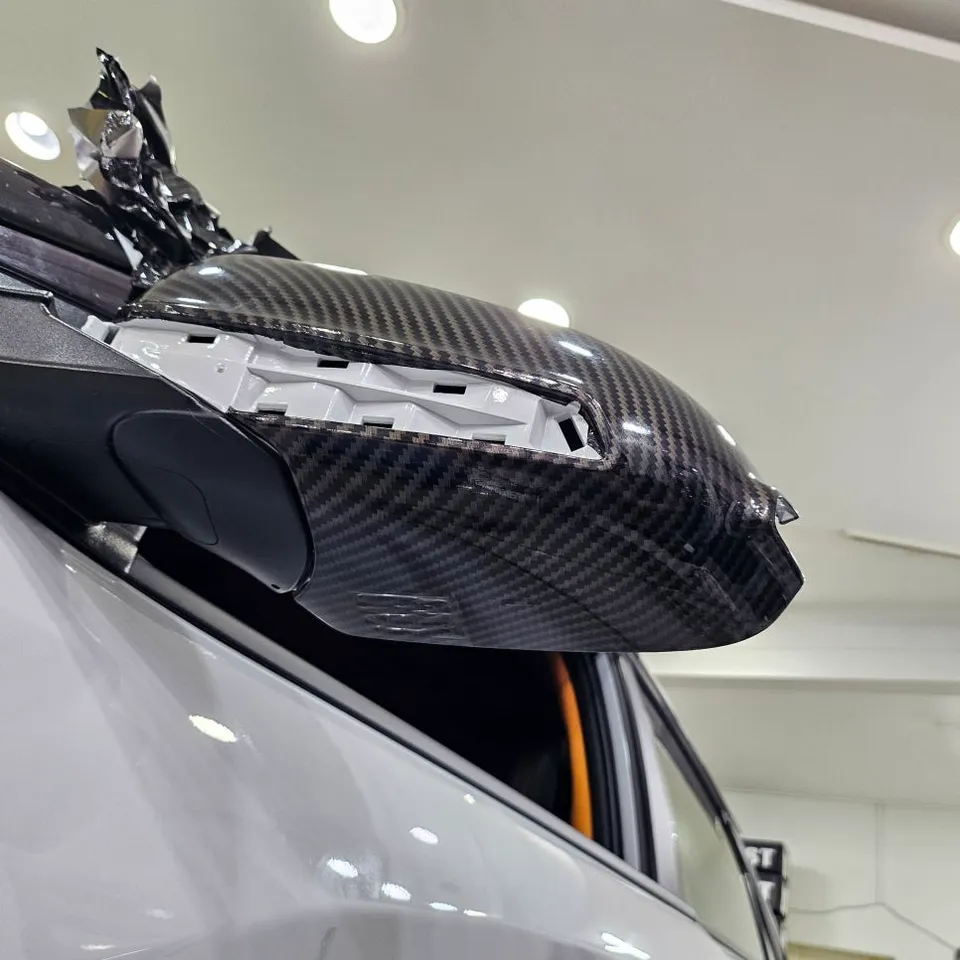
Process photos

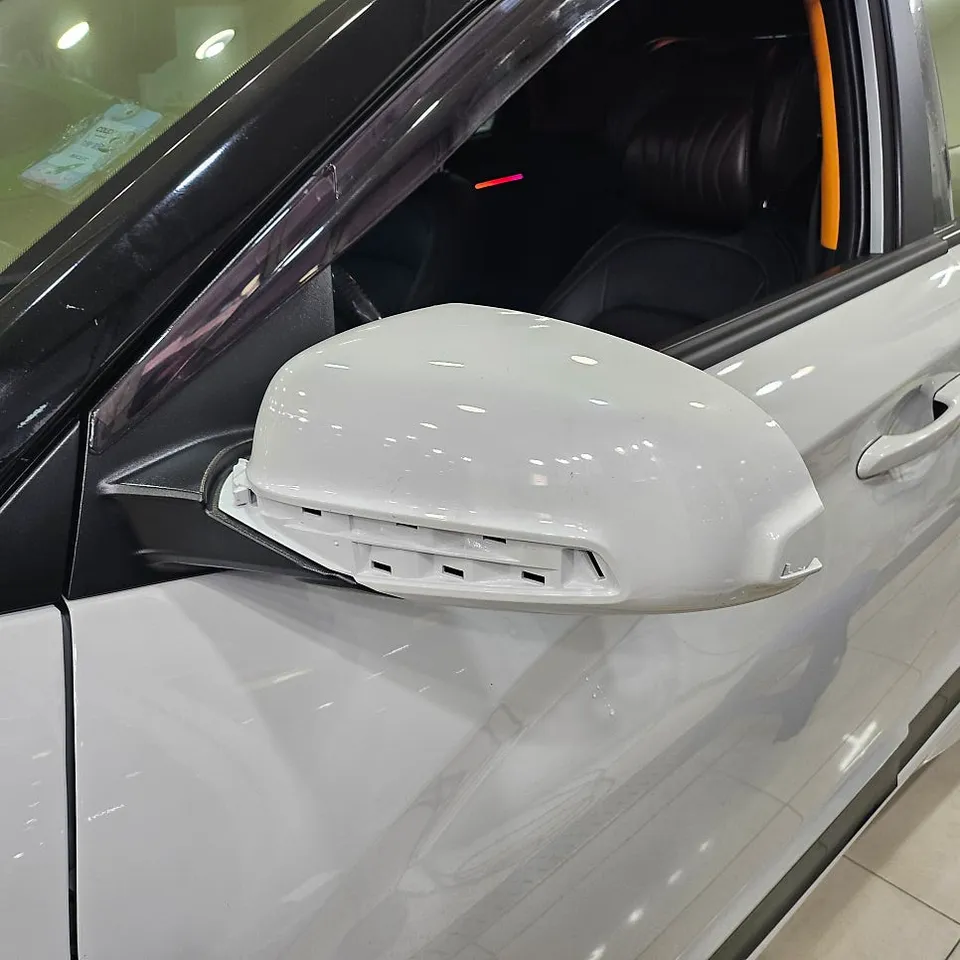
Hyundai Kona carbon fiber mirror wrap respray using 3M 2080 film. Cost in Korea approx. $100-$300. Protects paint during minor impacts.
Hyundai Kona Carbon Mirror Vinyl Wrap Respray
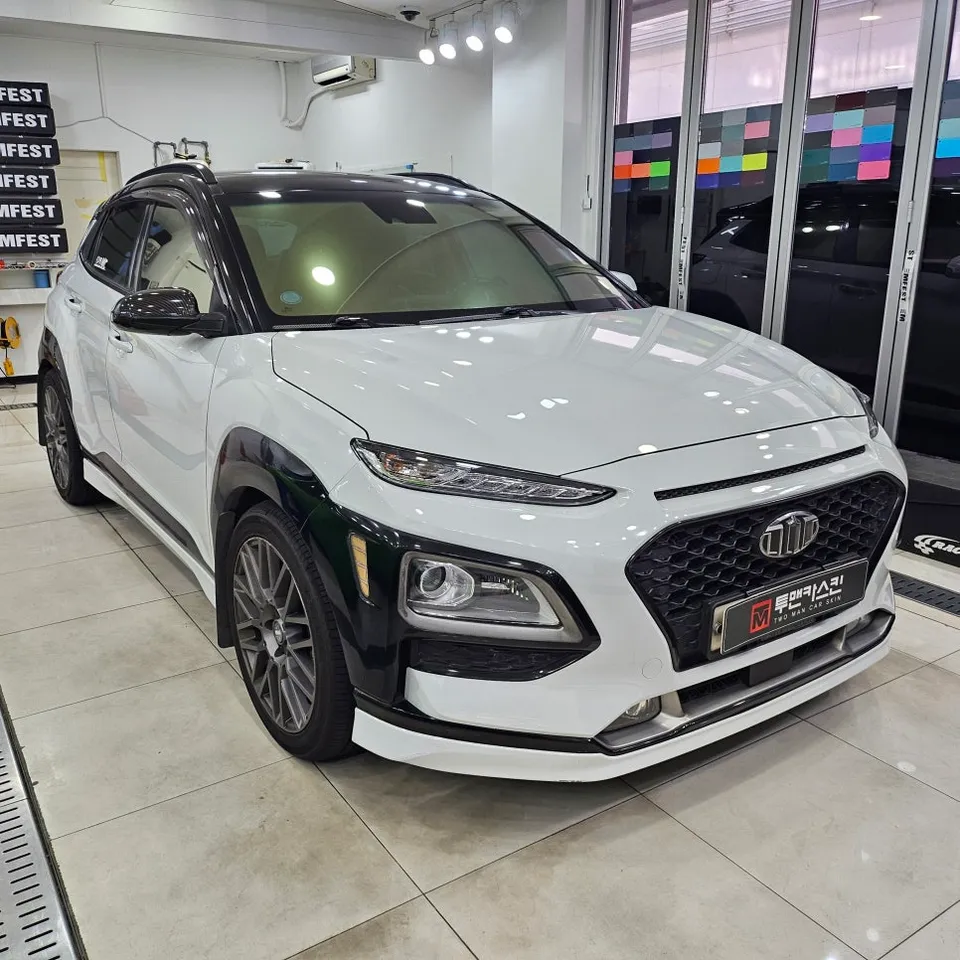
This Hyundai Kona returned to our shop for a specific repair: a driver-side mirror that needed a carbon fiber vinyl wrap respray after an accident. While the original wrap was applied about two years ago for a custom accent, a recent incident damaged just that one mirror. Fortunately, the vinyl wrap absorbed the impact, protecting the original mirror housing from more severe damage. This scenario highlights one of the key benefits of car wraps: they can act as a sacrificial layer, minimizing damage to the underlying paint and bodywork during minor collisions. In this case, the respray was covered by the other party's insurance, meaning no out-of-pocket cost for the owner.
High-Quality 3M 2080 Carbon Film
For this respray, we used the premium 3M 2080 gloss carbon fiber film. This material is renowned in the industry for its exceptional quality, durability, and realistic carbon fiber texture. The gloss finish adds a sporty yet sophisticated look, enhancing the vehicle's aesthetic. The 3M 2080 series is a popular choice for color change wraps and accent pieces due to its excellent conformability and longevity, making it ideal for areas like side mirrors that are exposed to the elements and potential minor impacts.
Detailed Installation Process
Achieving a flawless finish requires meticulous preparation and application. The Hyundai Kona's side mirrors have a unique, one-piece design that necessitates careful disassembly to ensure a clean wrap around all edges. Our technicians expertly removed the damaged wrap and then disassembled the mirror housing. The new 3M 2080 carbon film was then precisely applied, starting from the interior curves and extending seamlessly to the exterior and underside. This one-piece application technique is crucial for a professional look and requires a deep understanding of film behavior and skilled handling, especially with intricate shapes. Post-application, heat treatment was used to ensure optimal adhesion and a long-lasting bond.
Installation Process:
- Careful disassembly of the side mirror housing.
- Thorough cleaning and preparation of the surface.
- Precise application of the 3M 2080 carbon fiber vinyl, ensuring full coverage.
- Post-heating to secure the film and enhance durability.
- Reassembly of the side mirror unit.
The result is a perfectly matched, high-quality carbon fiber finish on the driver's side mirror, indistinguishable from the passenger side. This repair not only restored the vehicle's appearance but also reaffirmed the protective qualities of vinyl wraps in everyday driving scenarios. While the cost for a full color change wrap on a vehicle like the Hyundai Kona can range from $2,000 to $5,000 USD, smaller accent pieces like side mirrors are significantly less, typically ranging from $100 to $300 USD in Korea, depending on the film and complexity.

Frequently Asked Questions
Q. How much does a vinyl wrap cost for a Hyundai Kona?
For accent pieces like side mirrors, the vinyl wrap cost in Korea is typically between 100,000 to 300,000 KRW (approximately $100-$300 USD). A full color change wrap for a Hyundai Kona in the US can range from $2,000 to $5,000.
Q. How long does a vinyl wrap last on a Hyundai Kona?
High-quality vinyl wraps like the 3M 2080 series can last 5-7 years when properly maintained. To maximize longevity, regularly wash the wrap with mild soap and water, avoiding abrasive cleaners or high-pressure washing directly on edges.
Q. Does vinyl wrap damage paint on a Hyundai Kona?
When applied and removed correctly by professionals, vinyl wrap generally does not damage the original paint on a Hyundai Kona. In fact, it can protect the paint from minor scratches and UV damage.
Q. How is vinyl wrap applied to a Hyundai Kona?
Vinyl wrap installation involves meticulously cleaning and preparing the vehicle's surface, then carefully applying the vinyl film. The process includes cutting the film to size, stretching and molding it to the car's contours using heat, and trimming excess material for a seamless finish.
Q. What is the difference between vinyl wrap and a repaint for a Hyundai Kona?
Vinyl wrap offers a temporary color change and paint protection, is less expensive than a repaint, and can be removed without damaging the original paint. A repaint is a permanent alteration of the vehicle's color and finish, typically costing more and potentially decreasing the car's resale value if not done to a high standard.
OhCar Partner Shop
More vinyl wrap Reviews
See all →
More Hyundai Reviews
Pair with Another Service
PPF edges before wrapping for durability
Coat over wrap for easier cleaning