Hyundai Palisade Wheel Repair & Painting Review
Service Price
$40–80
Estimated price · Actual price may vary by shop
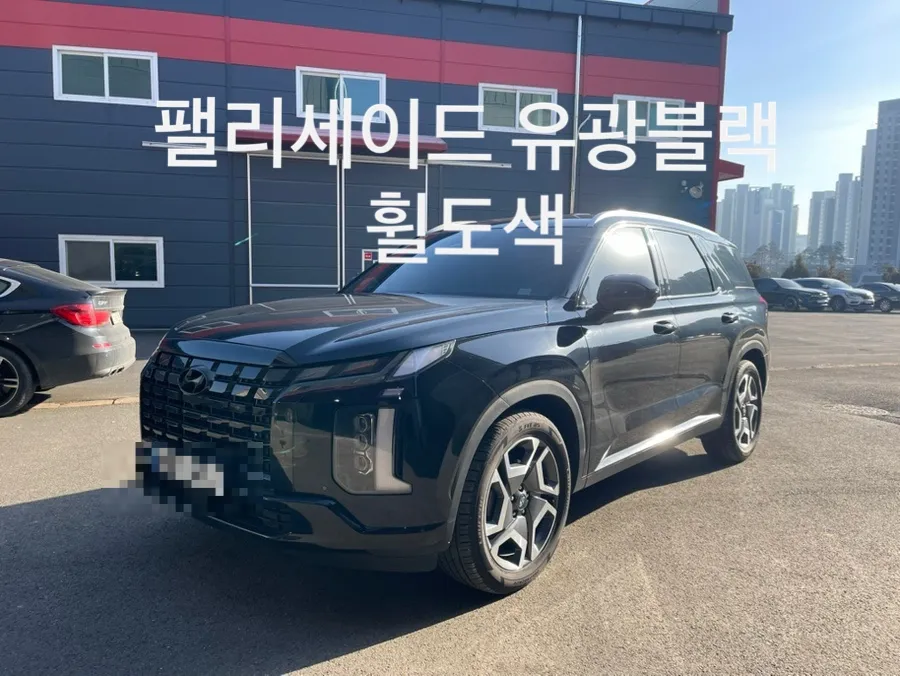
Before
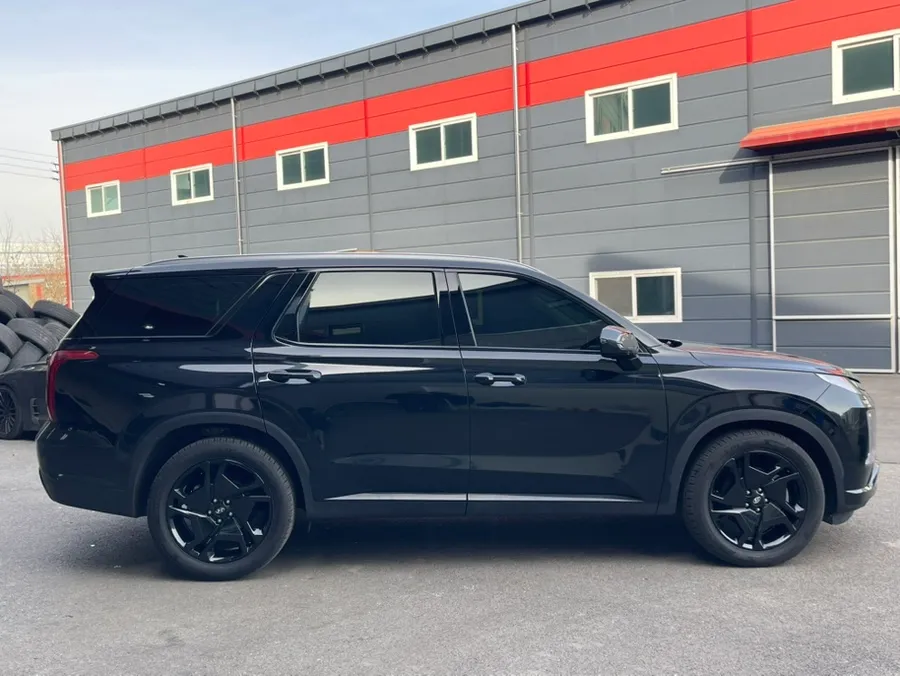
After
Process photos
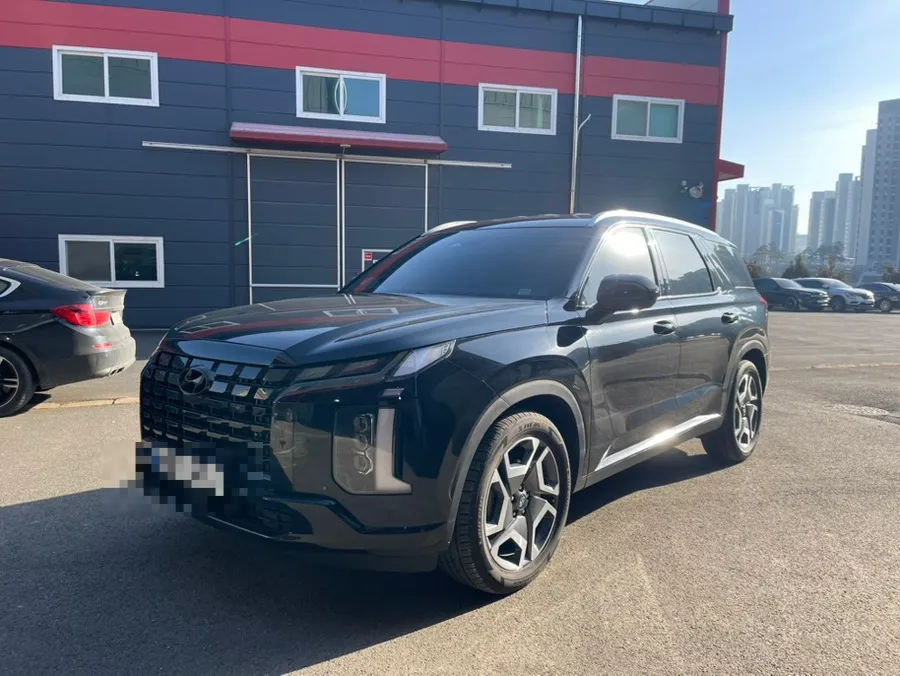
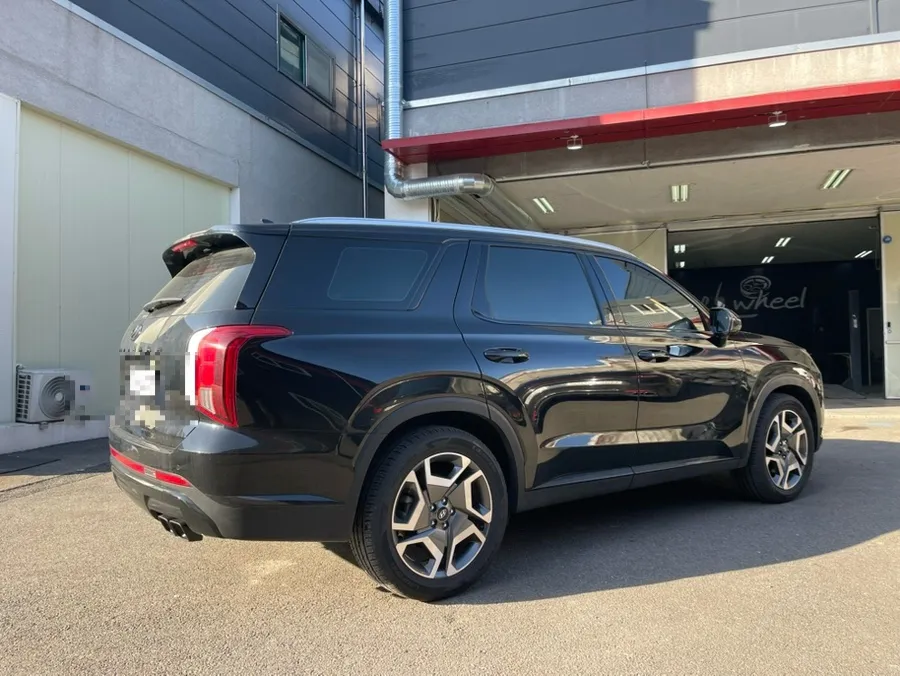
Hyundai Palisade wheel refinishing in glossy black: Powder coating process detailed. Durable finish achieved.
Transforming Your Hyundai Palisade's Wheels with Glossy Black Refinishing
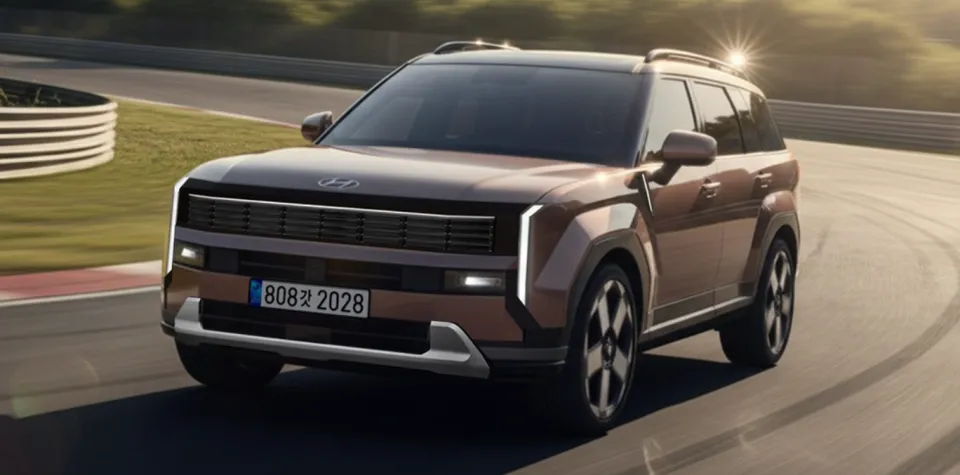
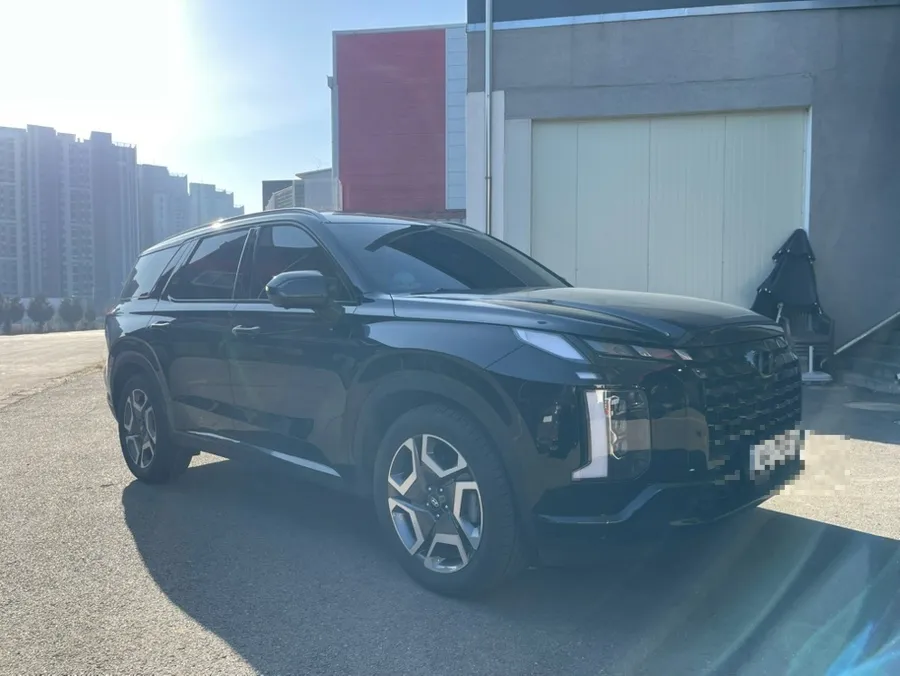
The Hyundai Palisade, with its commanding presence, relies heavily on its wheels to complete its overall aesthetic. For this facelifted model, the owner opted for a striking transformation: a glossy black refinishing of the 20-inch wheels. This process, which involved removing the existing chrome finish before applying a durable powder coating, was completed in approximately 5 hours. The goal was to achieve a sleek, sophisticated look that complements the large SUV's stature. This review details the meticulous steps involved in achieving this high-quality wheel restoration.
The Wheel Repair & Painting Process: From Prep to Finish
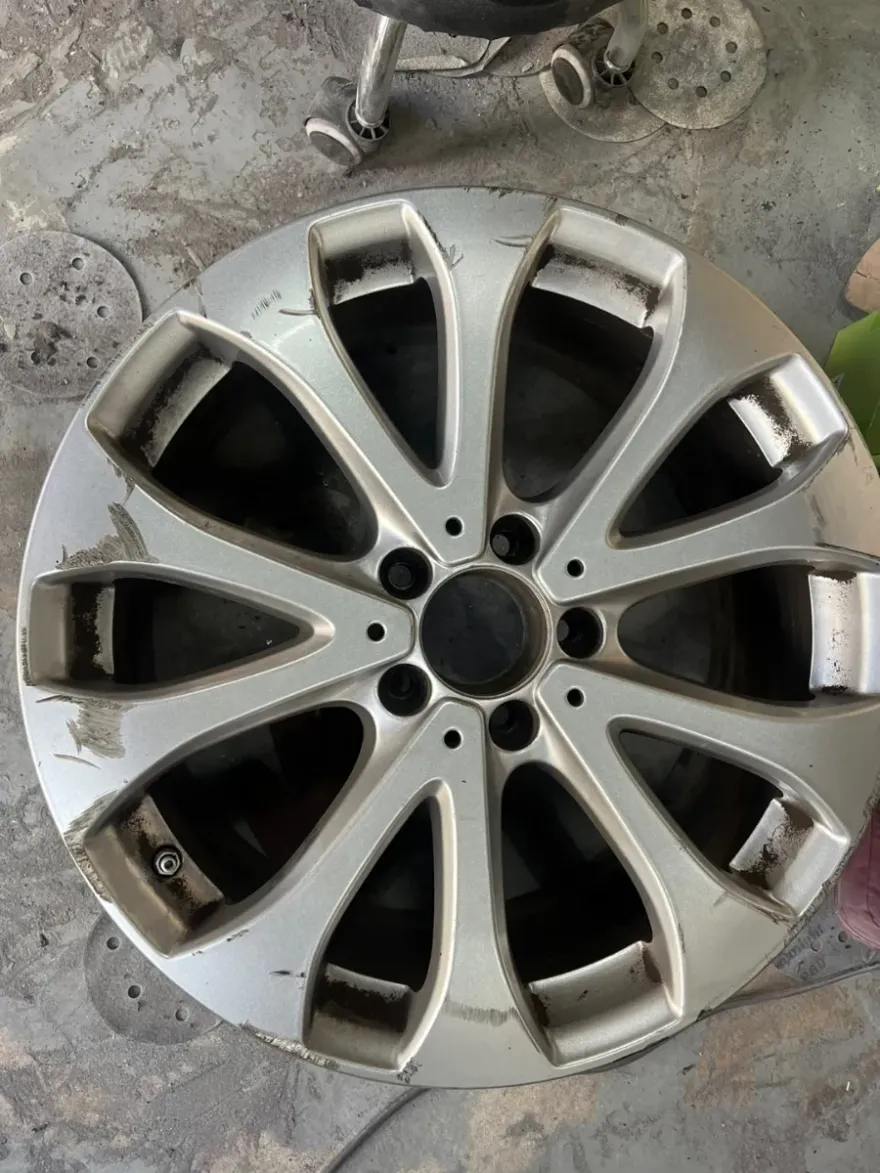
The journey to glossy black wheels began with a thorough inspection. Fortunately, the Palisade's wheels arrived in excellent condition with minimal surface damage, allowing the team to focus solely on the refinishing process. The initial step involved a comprehensive cleaning to remove any dirt, grease, or residual contaminants. This preparation is crucial for ensuring optimal adhesion of the new coating. The 20-inch wheels, being a significant design element on a large SUV like the Palisade, require precise application for a flawless finish. Opting for a glossy black finish after chrome deletion offers a modern and refined appearance.
The core of the wheel restoration lies in the pre-treatment and application stages. For this glossy black powder coating, the wheels first underwent sandblasting. This aggressive cleaning method removes all traces of previous coatings and imperfections, creating a perfectly clean surface for the new paint. After sandblasting, the wheels are meticulously dried to eliminate any moisture, which is critical for the integrity of the powder coating process. The prepared wheels are then moved to a specialized paint booth, where environmental conditions like temperature and humidity are precisely controlled to ensure a uniform and durable finish.
Installation Process:
- Surface Preparation: Thorough cleaning and sandblasting to remove all contaminants and old coatings.
- Powder Coating Application: Electrostatic application of glossy black powder coating to the wheel surface.
- High-Temperature Curing: Baking the wheels at 200°C (392°F) for 20 minutes to cure the base coat.
- Clear Coat Application: Spraying a transparent acrylic powder clear coat for gloss and protection.
- Final Curing: A second 20-minute bake at 200°C (392°F) to cure the clear coat.
The powder coating process involves applying a dry powder electrostatically, which then cures under high heat. The first stage involves applying the black powder coating, aiming for a thickness of approximately 150-200 micrometers. This is followed by a 20-minute curing period at 200°C (392°F). This high-temperature baking allows the powder to melt, flow, and form a cohesive, durable layer. After the base coat is cured, a clear powder coat is applied. This clear coat is essential for achieving the desired glossy finish and adding an extra layer of protection. It undergoes the same curing process: another 20 minutes at 200°C (392°F). This dual-coat powder coating process results in a finish with a hardness of 3H or higher, significantly more robust than typical liquid paint finishes which usually measure around 2H.
Durability and Final Results
The result of this meticulous process is a set of wheels with a mirror-like, high-gloss finish. The durability of powder coating is a major advantage. Unlike traditional liquid paints, powder coating is highly resistant to chipping, scratching, and fading, making it an excellent choice for wheels that are constantly exposed to road debris, harsh weather, and cleaning chemicals. The hardness of the finish (3H+) ensures it can withstand the rigors of daily driving. Maintenance is straightforward: regular washing with mild soap and water is usually sufficient to keep the wheels looking their best. For owners of the Hyundai Palisade looking to enhance their vehicle's appearance with a durable and stylish wheel upgrade, this type of alloy wheel refinishing offers a compelling solution. While the specific cost in Korea for this service was not detailed beyond the implied time, similar professional wheel refinishing services in the US typically range from $40-$80 per wheel, depending on the extent of damage and the finish chosen.
Frequently Asked Questions
Q. How much does wheel repair cost for a Hyundai Palisade?
The specific cost for this Hyundai Palisade wheel refinishing in Korea was not detailed, but similar professional services in the US typically range from $40-$80 per wheel.
Q. Can curb rash be fully repaired on Hyundai Palisade wheels?
Yes, professional wheel repair and refinishing services can effectively repair curb rash and other surface damage, restoring the wheels to a like-new condition. Proper maintenance, including regular cleaning and avoiding harsh chemicals, will help preserve the repaired finish's longevity.
Q. Is wheel repair or replacement cheaper for a Hyundai Palisade?
Wheel repair and refinishing are generally significantly cheaper than replacing entire wheels for a Hyundai Palisade. Refinishing is a cost-effective way to restore damaged wheels and enhance their appearance.
Q. How is wheel curb rash repaired on a Hyundai Palisade?
Wheel curb rash repair typically involves a multi-step process: 1. The damaged area is carefully sanded and filled to create a smooth surface. 2. The wheel is prepared for painting, often through sandblasting. 3. A new coating, such as powder coating, is applied and cured. 4. A final clear coat may be added for protection and gloss.
Q. What is the difference between wheel refinishing and full replacement for a Hyundai Palisade?
Wheel refinishing restores your original wheels to a like-new condition, often involving repair and repainting, while full replacement involves purchasing entirely new wheels. Refinishing is usually more cost-effective and preserves the original factory wheels.
OhCar Partner Shop