Hyundai Kona Window Tinting Review: Cost & Results
Service Price
$40–80
Estimated price · Actual price may vary by shop
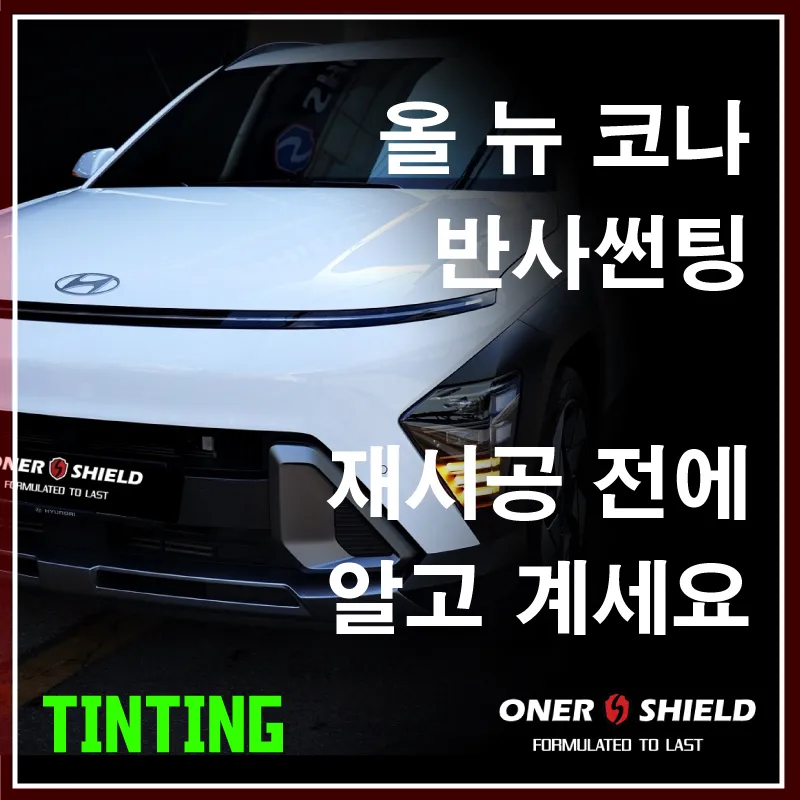
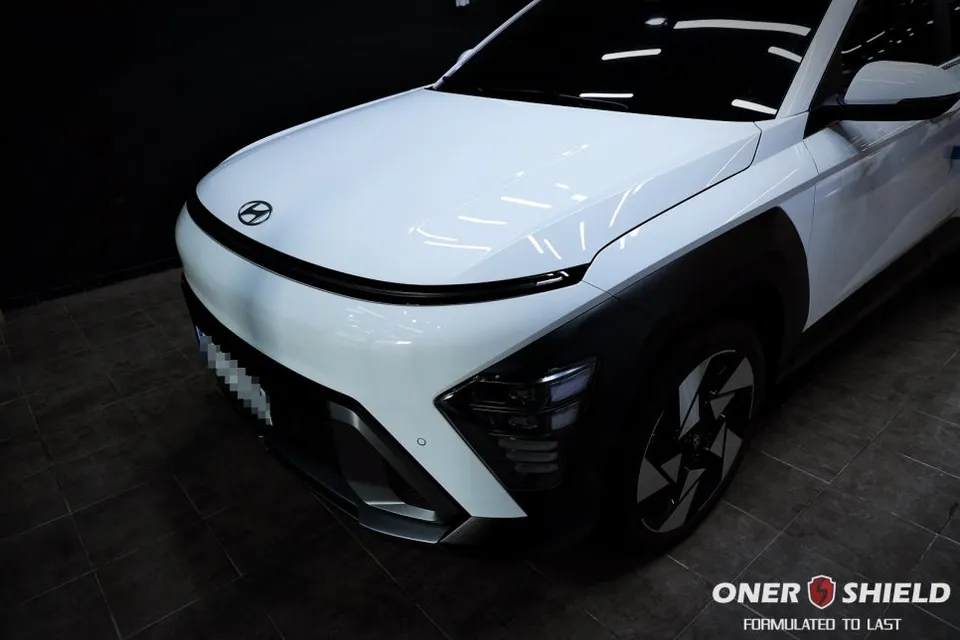
Hyundai Kona window tinting with reflective film: 300,000-600,000 KRW. Improved privacy and heat rejection.
Why Upgrade Your Hyundai Kona's Window Tint?
Many car owners find that the complimentary window tinting service offered at new car purchase, often referred to as 'coupon film,' falls short of expectations. This was the case for a Hyundai All New Kona owner who experienced discomfort due to the original tint's low privacy and poor heat rejection. For novice drivers, especially, a car's interior being too visible from the outside can be a significant source of anxiety. One owner shared an instance where a driver from an adjacent vehicle opened their window to speak, causing surprise and a feeling of vulnerability. This highlights a common issue: basic tint films, while inexpensive to produce, often lack essential features like effective Infrared (IR) rejection, meaning they do little to block heat, even with a seemingly dark tint percentage like 15%.
Choosing the right window tint from the start is crucial. Relying solely on dealership-provided options without understanding film specifications can lead to dissatisfaction and the need for costly re-tinting. This review details the process of upgrading the tint on a Hyundai All New Kona, focusing on the benefits of advanced films.
Hyundai Kona Window Tinting: A Reflective Upgrade
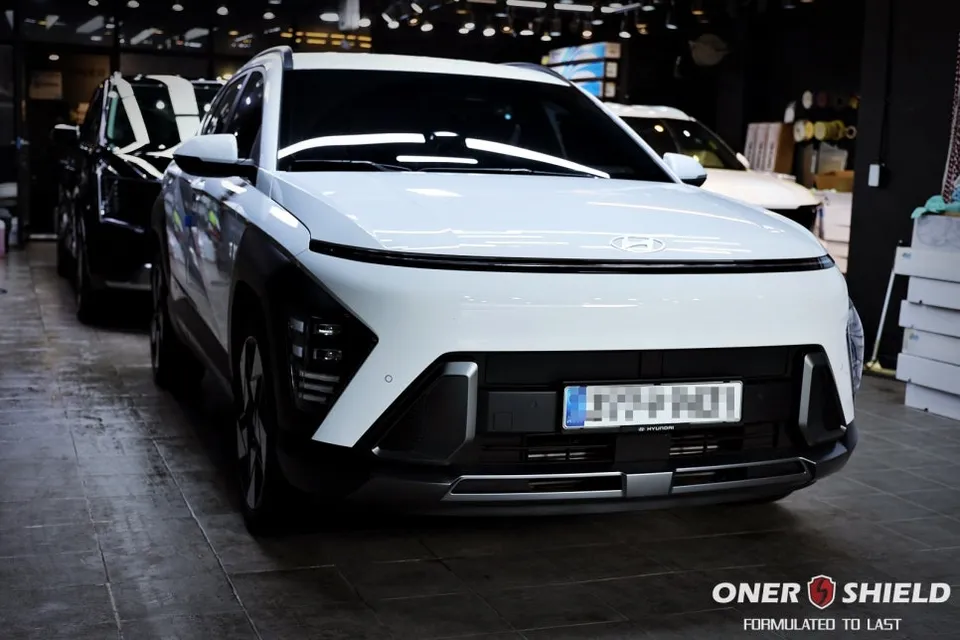
For this Hyundai All New Kona, the decision was made to re-tint using Tint-a-Car Ghost film, a type of reflective tint. The chosen specifications were 30% tint for the front windshield and 10% for the side and rear windows. While a 5% tint on the sides might offer maximum privacy, a 10% tint was recommended to balance privacy with comfortable visibility for driving, especially for those unaccustomed to very dark windows. The estimated cost for this type of professional window tinting service in Korea typically ranges from 300,000 to 600,000 KRW (approximately $220-$440 USD), varying based on the vehicle, the extent of the work, and the specific film grade chosen. For precise pricing, a direct consultation at the installation shop is always recommended.
Before installation, the vehicle's battery was connected to a backup power source to prevent discharge. Meticulous masking and covering of the car's interior and exterior were performed to protect surfaces. Reflective films, containing metallic components, require careful heat application during the shaping process to avoid issues like 'blooming' (cloudiness) or heat-related damage to the film's surface. The installer employed a 'no-touch' heat-forming technique, carefully controlling the heat gun to ensure the film conformed naturally and smoothly to the window's curves.
Installation process:
- Preparation: The vehicle's interior and exterior are protected with masking and covers. A battery stabilizer is connected.
- Film Application: The chosen tint film is precisely cut and heat-formed to match the window curvature using a controlled heat gun.
- Installation & Finishing: The film is applied to the glass, squeegeed to remove air bubbles and excess moisture, and edges are trimmed for a clean finish.
Understanding Reflective Tint on Different Glass
It's important for car owners to understand that the appearance of reflective window tint can vary depending on the vehicle's glass. For the Hyundai Kona, it was noted that the characteristic greenish hue often associated with reflective films might not be as pronounced on the side windows. This is not a fault of the film or the installation but rather a result of the specific glass composition and specifications used in smaller SUVs and compact cars like the Kona. When considering reflective tint, it's advisable to be aware of potential color variations based on your vehicle's glass type.
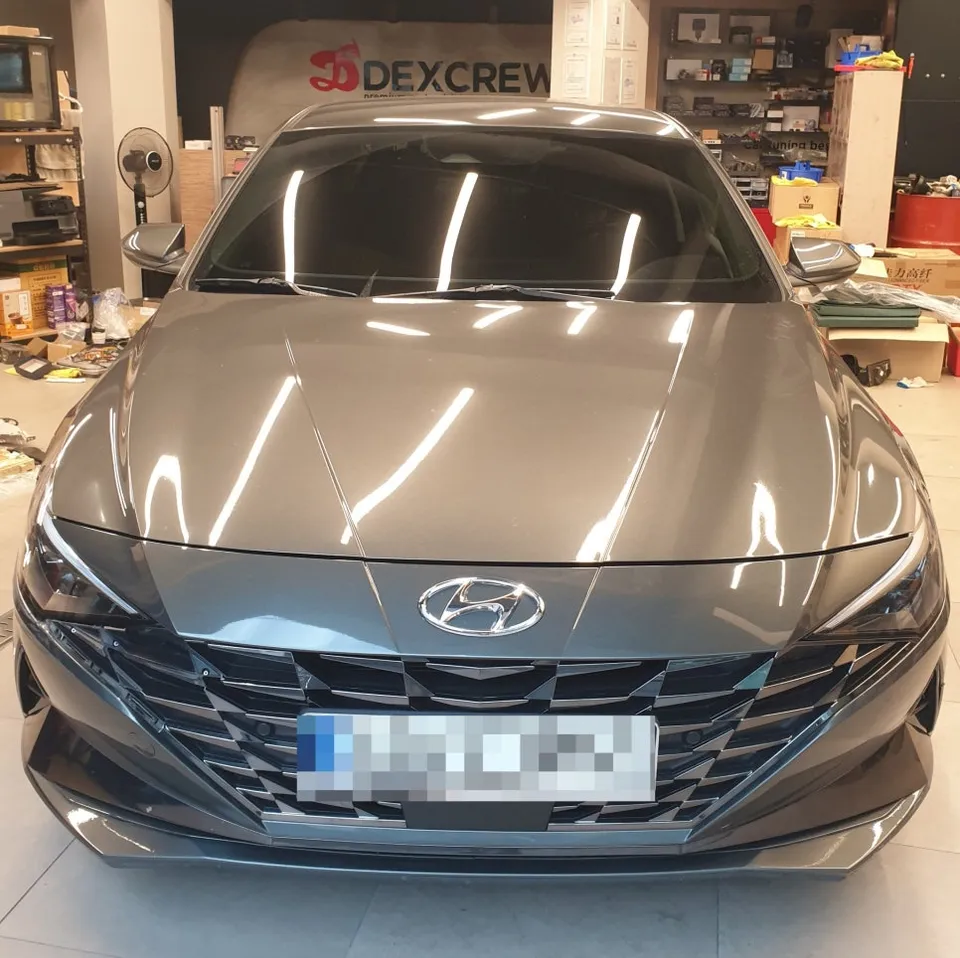
After installation, the car was moved into natural sunlight to properly assess the final look of the reflective tint. The Ghost film on the front windshield displayed its unique subtle reflectivity, offering a distinct aesthetic upgrade.
Frequently Asked Questions
Q. How much does window tinting cost for a Hyundai Kona?
In Korea, window tinting for a Hyundai Kona typically costs between 300,000 to 600,000 KRW. Professional installation in the US can range from $40-$80 for basic options to several hundred dollars for high-end ceramic tints.
Q. How long does window tint last on a Hyundai Kona?
High-quality window tints, especially ceramic films, can last 10-20 years or more with proper care. To maintain your tint, avoid using abrasive cleaners or sharp objects near the edges.
Q. Is ceramic tint worth the extra cost for a Hyundai Kona?
Ceramic tint is worth the investment for a Hyundai Kona if you prioritize superior heat rejection and UV protection without significantly darkening the windows. It offers long-term durability and maintains clarity, making it ideal for drivers seeking comfort and protection.
Q. How is window tint installed on a Hyundai Kona?
Window tint installation involves preparing the glass by cleaning it thoroughly, then applying a pre-cut film that is heat-molded to the window's curvature. The film is then applied to the glass, squeegeed to remove air bubbles and moisture, and the edges are trimmed for a precise fit.
Q. What is the difference between ceramic and reflective window tint for a Hyundai Kona?
Ceramic tint uses non-metallic ceramic particles for heat and UV rejection, offering excellent clarity and signal preservation, while reflective tint incorporates metallic elements that create a mirrored appearance and block solar energy. For a Hyundai Kona, ceramic tint is often preferred for its advanced performance and subtle look, whereas reflective tint provides a more distinct mirrored aesthetic.
OhCar Partner Shop
More window tinting Reviews
See all →
More Hyundai Reviews
Pair with Another Service

Protect paint while you're at the shop
Add gloss and protection