Hyundai Kona Window Tinting Review — Cost & Heat Rejection
Service Price
Est. $400–800
Estimated price · Actual price may vary by shop
Before
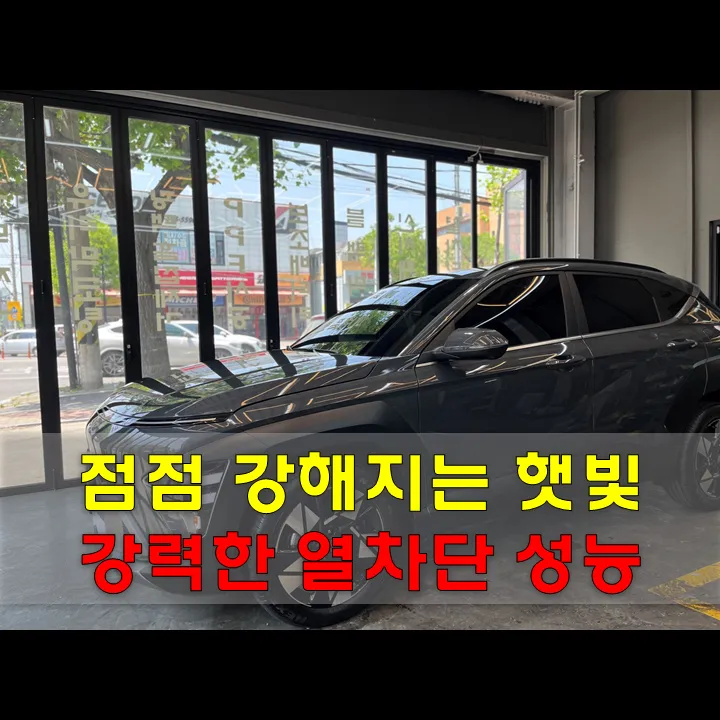
After
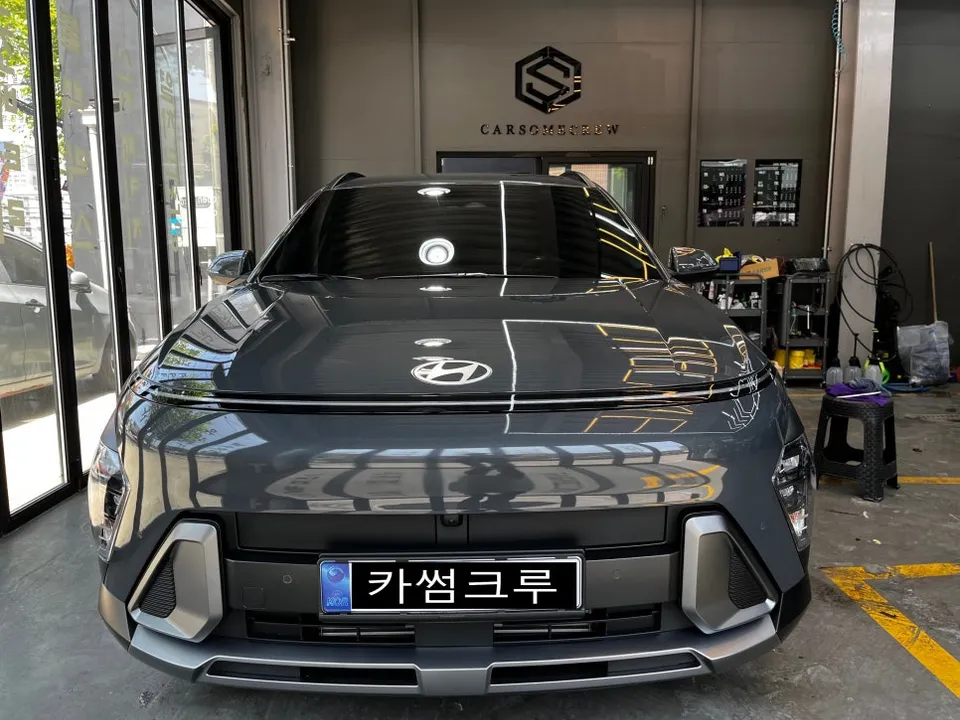
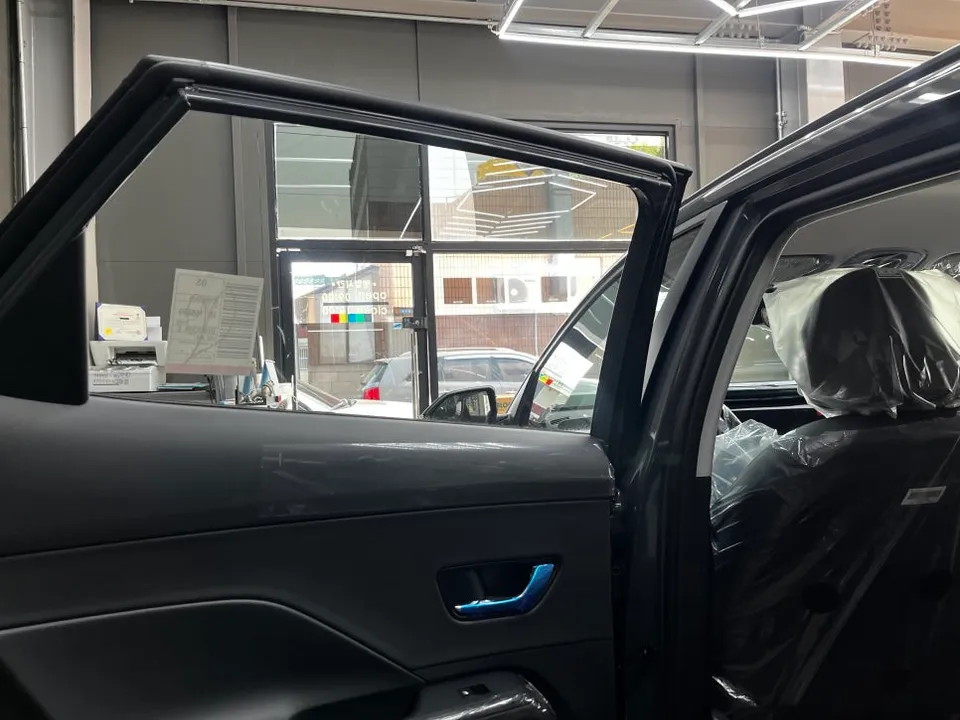
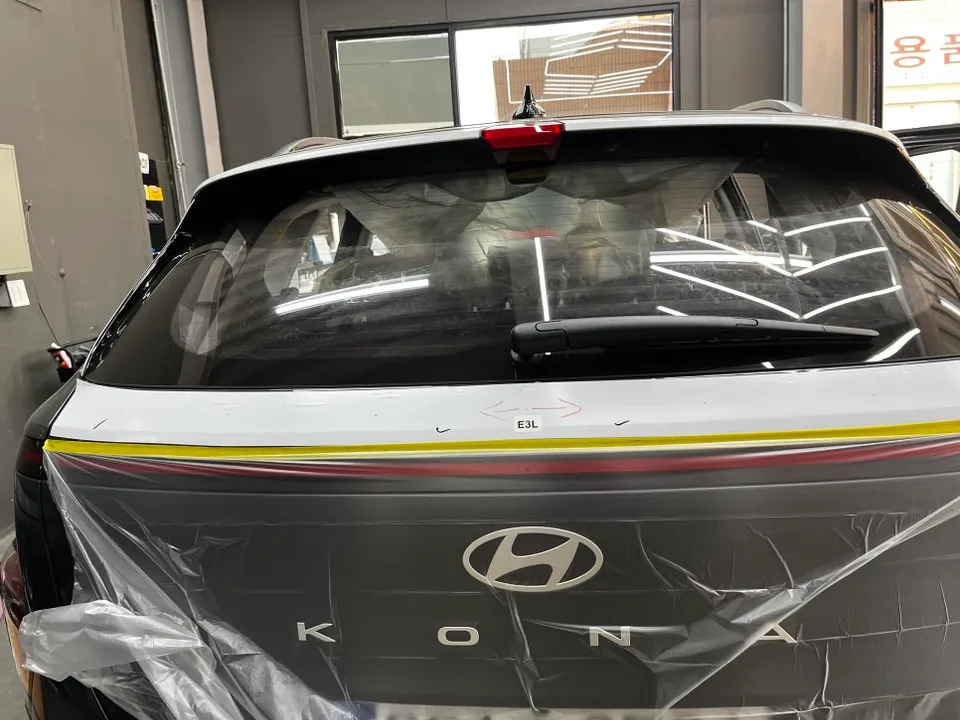
Process photos
Hyundai Kona window tinting with Blockforty Dito film: approx. $220-$515. Offers excellent heat rejection and clarity with a 10-year warranty.
Hyundai Kona Window Tinting: Choosing Non-Reflective Film
As the weather heats up, keeping your car's interior cool becomes a priority. For Hyundai Kona owners seeking effective heat rejection without a mirrored look, non-reflective films offer a compelling solution. This review delves into the experience of a Hyundai Kona owner who opted for a non-reflective ceramic tint, focusing on its performance, cost, and overall value. The original context for this installation comes from South Korea, where the estimated cost for Hyundai Kona tinting can range from 300,000 to 700,000 KRW (approximately $220-$515 USD, though exchange rates fluctuate). The final price depends heavily on the specific film grade and the extent of the coverage.

Blockforty Dito Film: Installation and Benefits
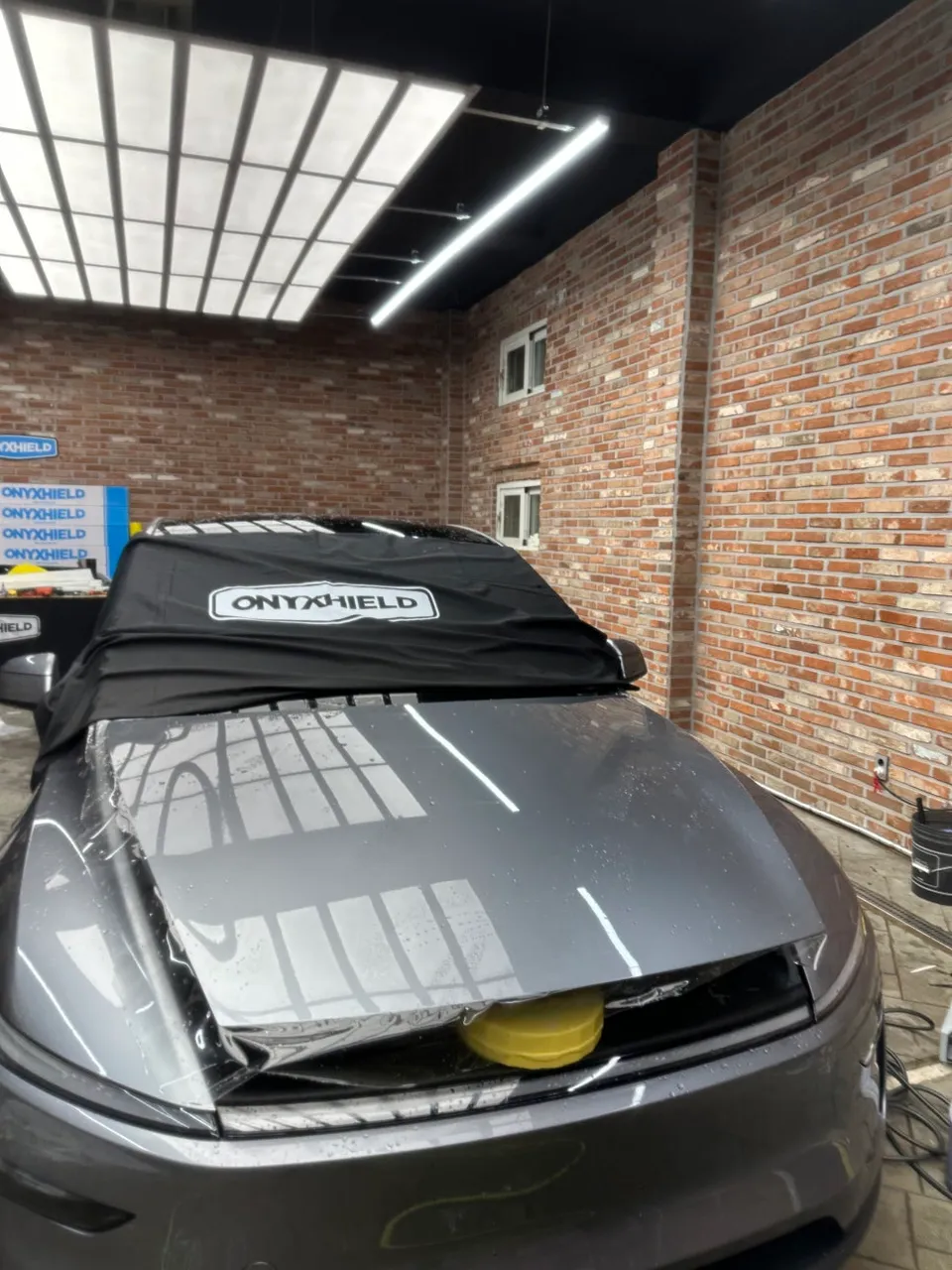
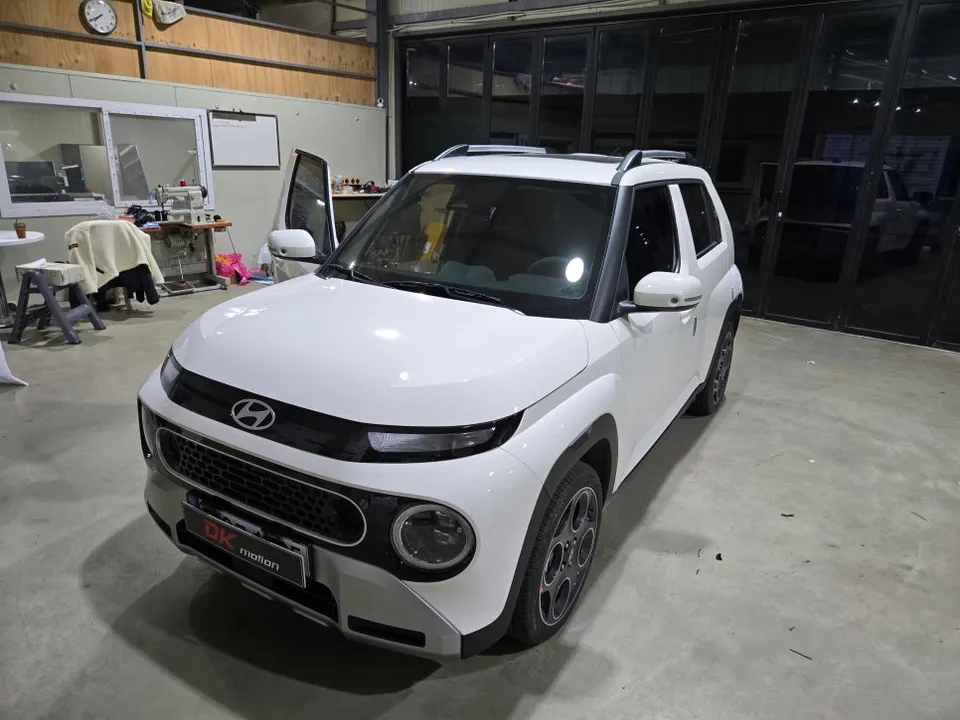
The owner of this Hyundai Kona specifically chose a non-reflective film for its superior heat-blocking capabilities and excellent visibility, preferring it over reflective options. After evaluating various brands, the Blockforty 'Dito' film was recommended for its balance of high heat rejection, a long warranty, and a reasonable price point, making it a strong value proposition. Before any tinting work began, the vehicle underwent a thorough inspection of its exterior, interior, and electronic components to ensure everything was in pristine condition. Protective coverings, including dust cloths and vinyl masking, were meticulously applied to both the interior and exterior to prevent any accidental scratches or contamination during the installation process. This careful preparation is crucial for safeguarding the owner's new vehicle.
Installation Process:
- Vehicle Inspection and Protection: A detailed check of the car's condition, followed by comprehensive masking of interior and exterior surfaces to prevent damage.
- Film Application: Precision cutting and application of the chosen tint film to the windows, ensuring a smooth, bubble-free finish.
- Curing and Final Check: Allowing the tint to cure properly, followed by a final inspection to ensure quality and adherence.
For this Hyundai Kona, the owner selected a 35% tint for the front windshield, offering a good balance of visibility and privacy. The side and rear windows were tinted at 05%, the darkest available shade, to maximize privacy and heat rejection. Tint percentage refers to Visible Light Transmission (VLT); a lower number means less light passes through, resulting in a darker tint. The Blockforty 'Dito' film is highlighted for its exceptional Infrared (IR) and Ultraviolet (UV) rejection rates, contributing to a significantly cooler cabin. A key advantage of this film is its ability to maintain high heat rejection while minimizing glare and ensuring optimal clarity, thanks to advanced optical technology. This confidence in quality is backed by a 10-year warranty.

Choosing the Right Tint Level and Understanding Value
Selecting the correct tint level is vital for both aesthetics and functionality. The VLT percentage indicates how much light passes through the film. While 35% is common for front windshields, providing a balance of visibility and privacy, darker shades like 05% for side and rear windows enhance privacy and heat control. The choice of tint level should align with driving habits, privacy preferences, and local regulations. Overly dark tints can impair visibility, especially at night or in poor weather, increasing safety risks. Conversely, lighter tints may not offer sufficient heat and UV protection. The Blockforty 'Dito' film is noted for its consistent performance across different shades and its competitive pricing compared to similar-grade films from other brands. Its 10-year warranty further solidifies its position as a durable and reliable choice for car owners looking for long-term value. When considering window tinting, which is a long-lasting modification, careful consideration is key. Resources like this review, which compiles real owner experiences and installation photos, can help you make an informed decision. Effective window tinting not only enhances comfort by reducing interior temperatures but also protects occupants' skin from harmful UV rays and prevents interior materials like leather seats and dashboards from fading and cracking, thereby preserving the vehicle's value.

Frequently Asked Questions
Q. How much does window tinting cost for a Hyundai Kona?
For a Hyundai Kona, window tinting typically costs between 300,000 and 700,000 KRW (approximately $220-$515 USD), depending on the film's grade and the extent of the installation. Exact pricing is best determined after a vehicle consultation.
Q. What tint percentage is legal for a Hyundai Kona?
Legal tint percentages vary by region; however, a common setup involves lighter tints (e.g., 35% VLT) for the front windshield and darker tints (e.g., 5% VLT) for side and rear windows. Always check your local laws to ensure compliance.
Q. Is ceramic tint worth the extra cost for a Hyundai Kona?
Ceramic tint is often worth the investment for a Hyundai Kona due to its superior heat rejection and UV protection capabilities without interfering with electronic signals. It provides enhanced comfort and protects the interior from sun damage.
Q. How is window tint installed on a Hyundai Kona?
Window tint installation on a Hyundai Kona involves meticulously cleaning the glass, precisely cutting the film to size, applying it to the interior side of the windows, and using heat and tools to ensure a smooth, bubble-free finish. The film is then allowed to cure.
Q. What is the difference between ceramic and dyed window tint for a Hyundai Kona?
Ceramic tint uses non-metallic ceramic particles to block heat and UV rays, offering excellent performance and clarity, while dyed tint uses a layer of dye to absorb heat and reduce glare, which can fade over time. Ceramic tint generally offers superior heat rejection and durability.
Q. What should I know before getting Window Tinting on a Hyundai Kona? (common regrets and mistakes)
The most common regret is choosing a tint that is too dark for nighttime driving, impairing visibility and potentially leading to safety issues. To avoid this, consult with professionals about appropriate VLT levels based on your driving conditions and local laws.
OhCar Partner Shop
More window tinting Reviews
See all →
More Hyundai Reviews
Pair with Another Service
Protect paint while you're at the shop
Add gloss and protection