Hyundai Palisade LX3 Body Kit Installation Review
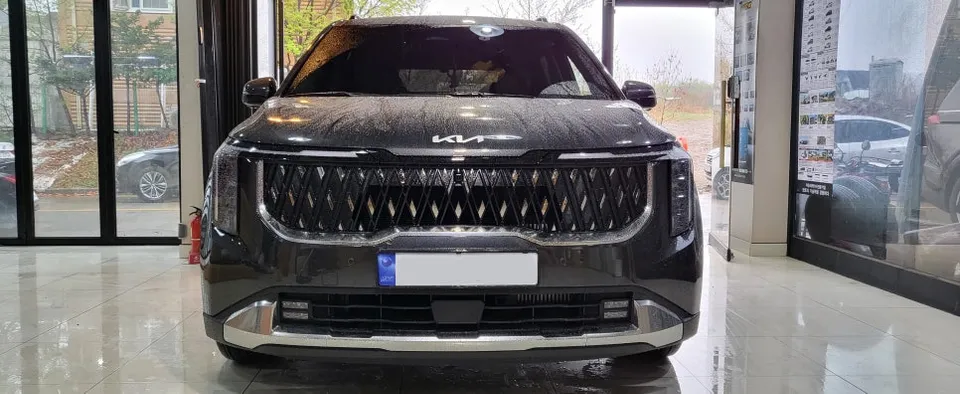
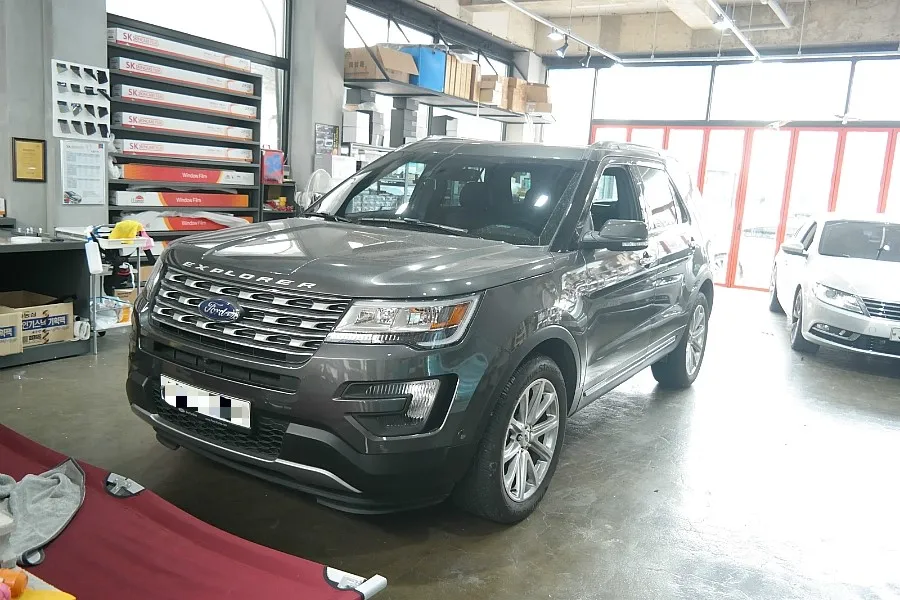
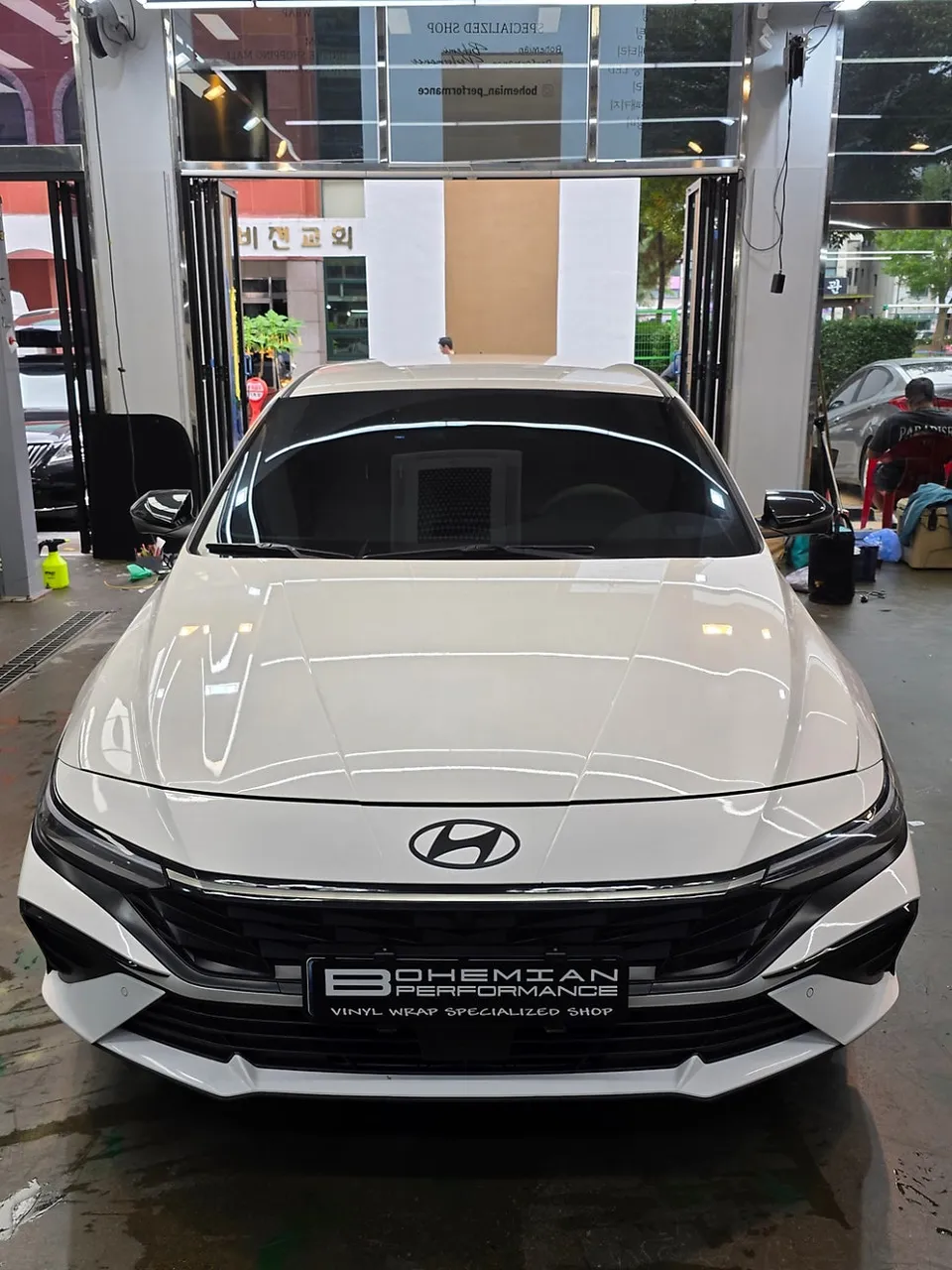
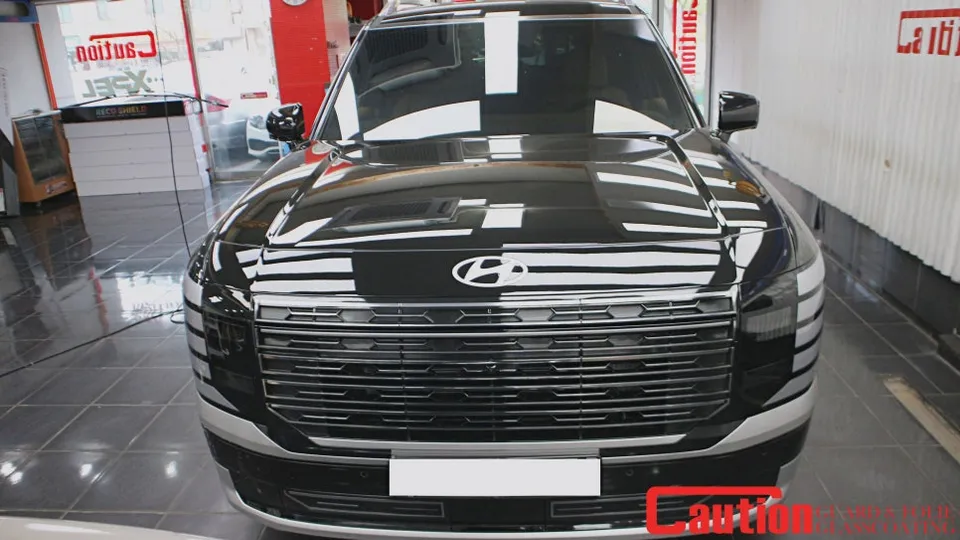
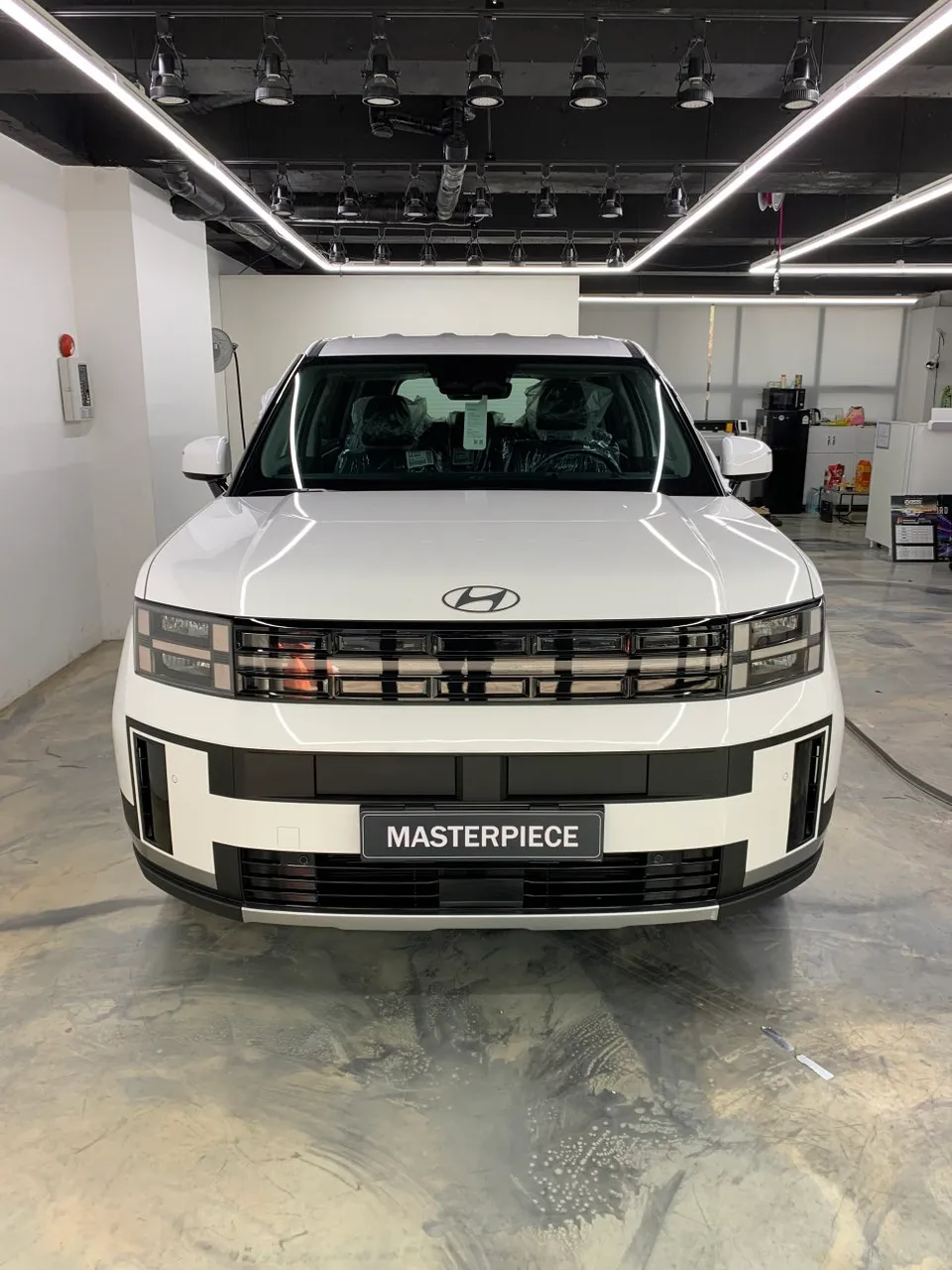
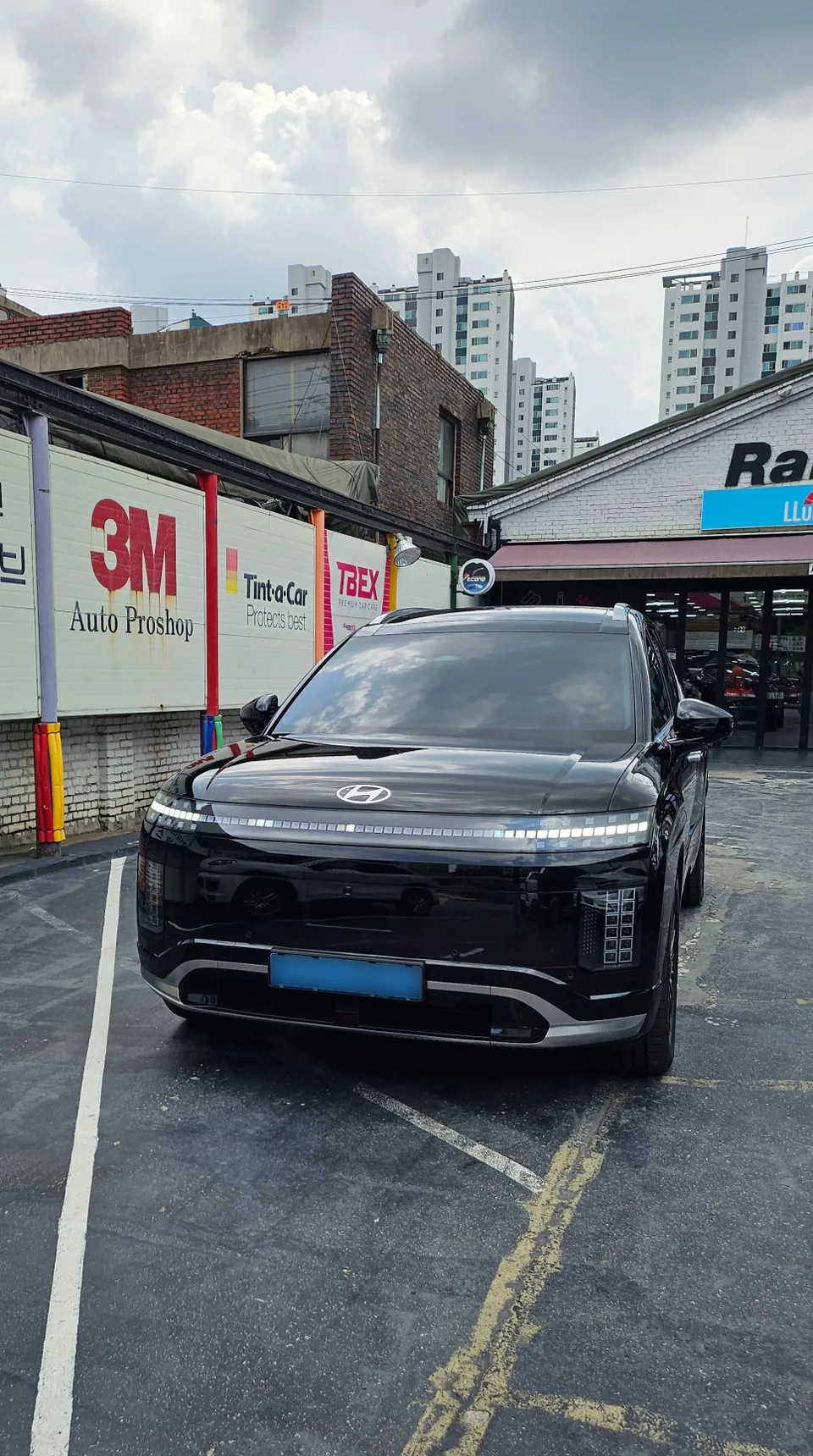
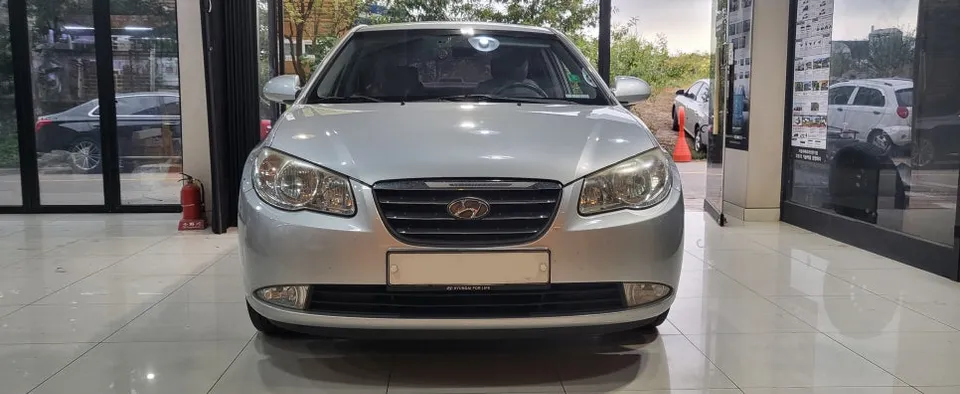
Before
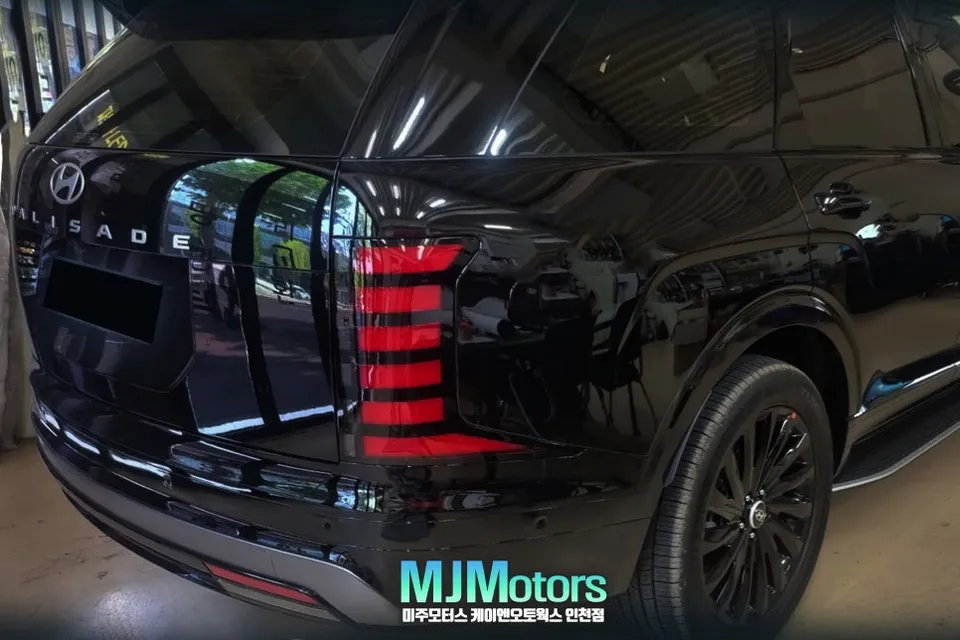
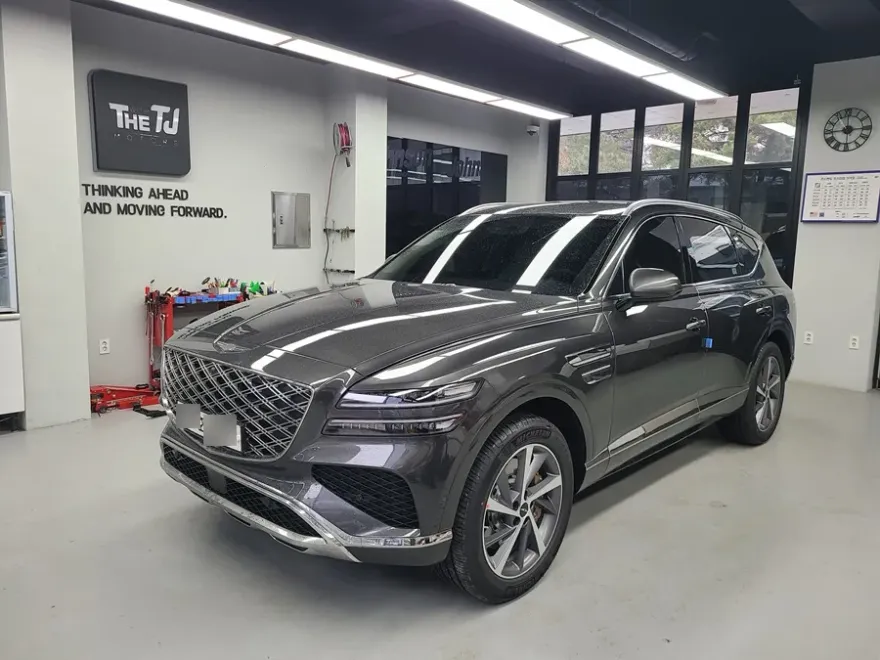
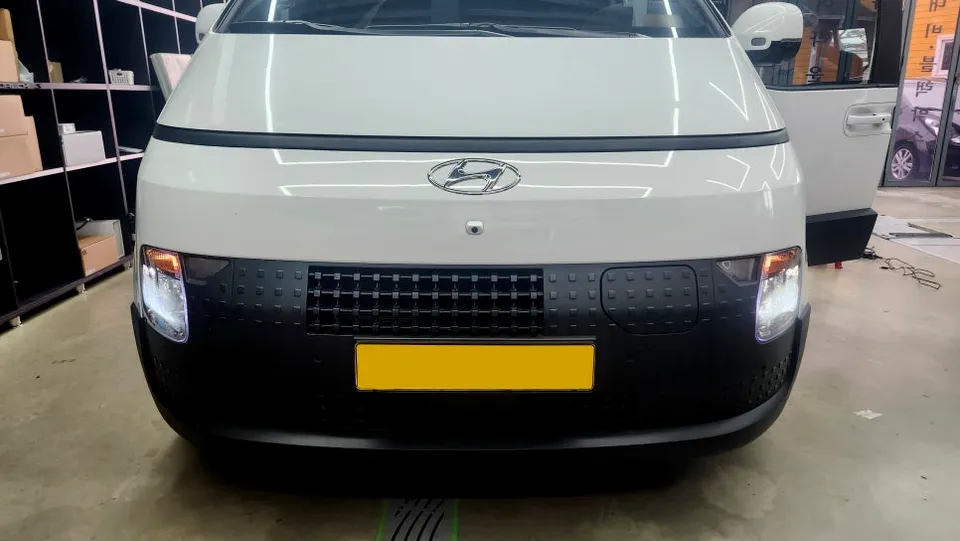
After
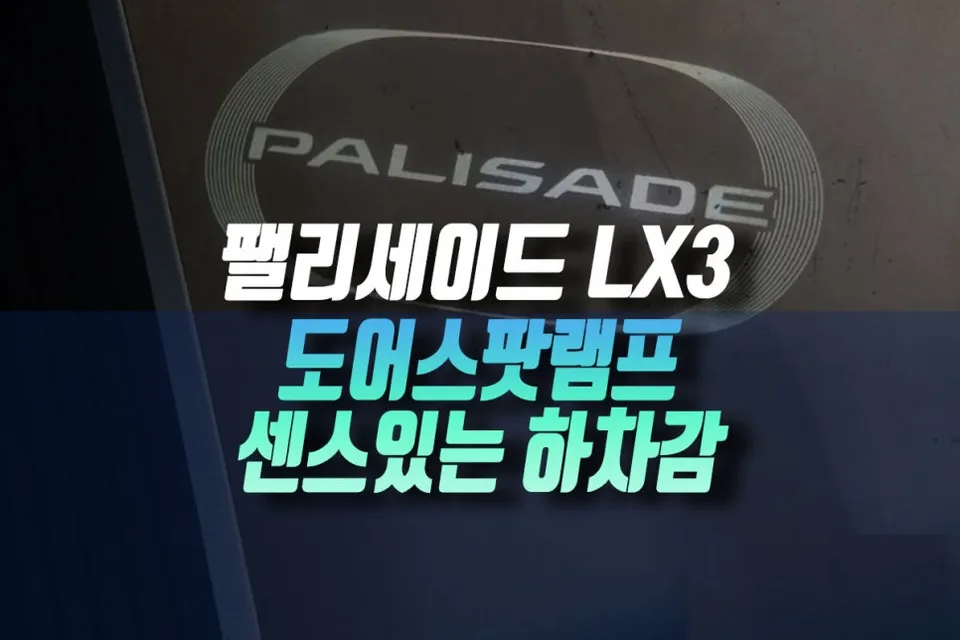
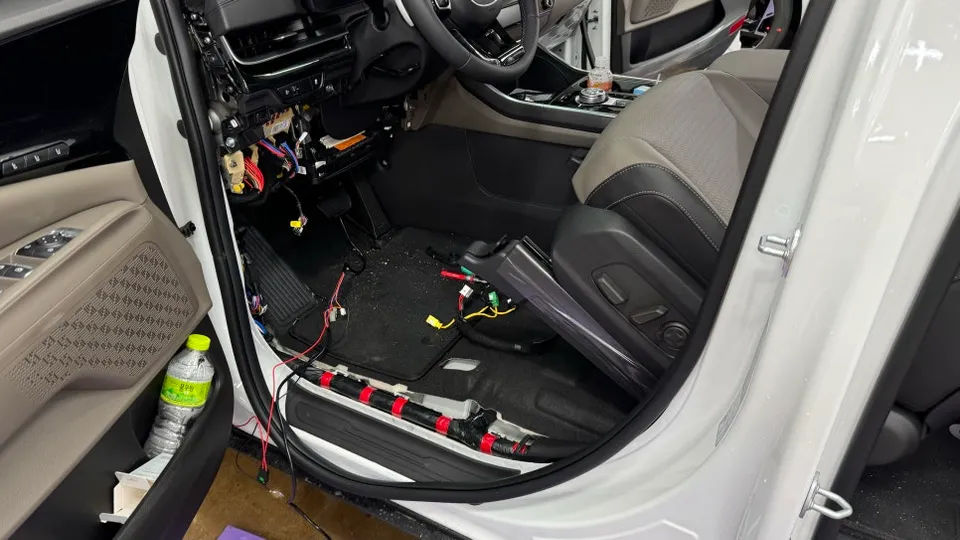
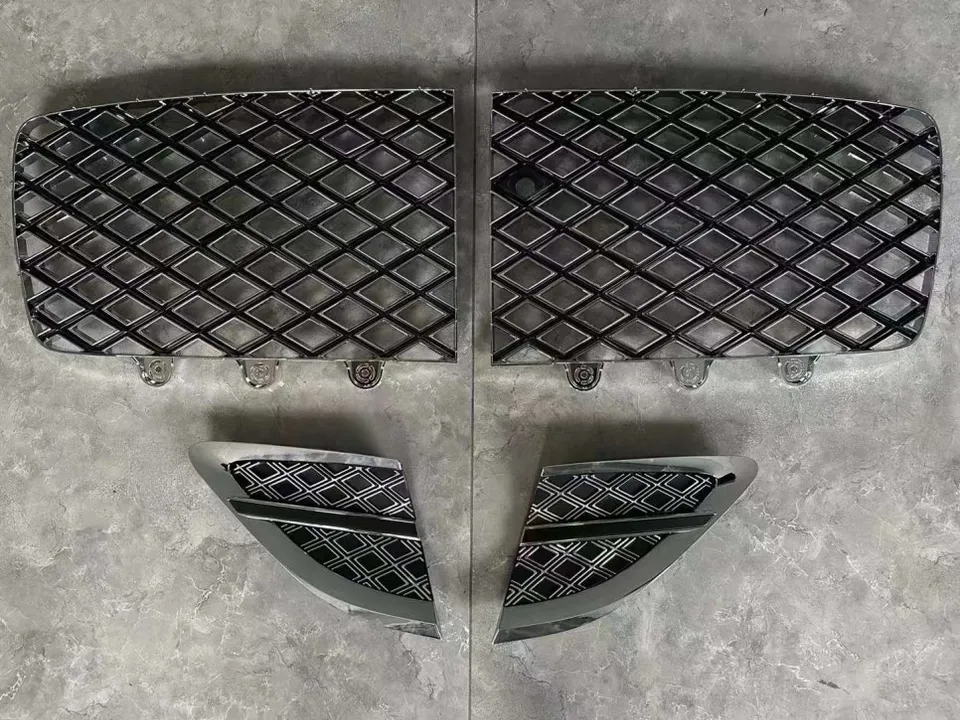
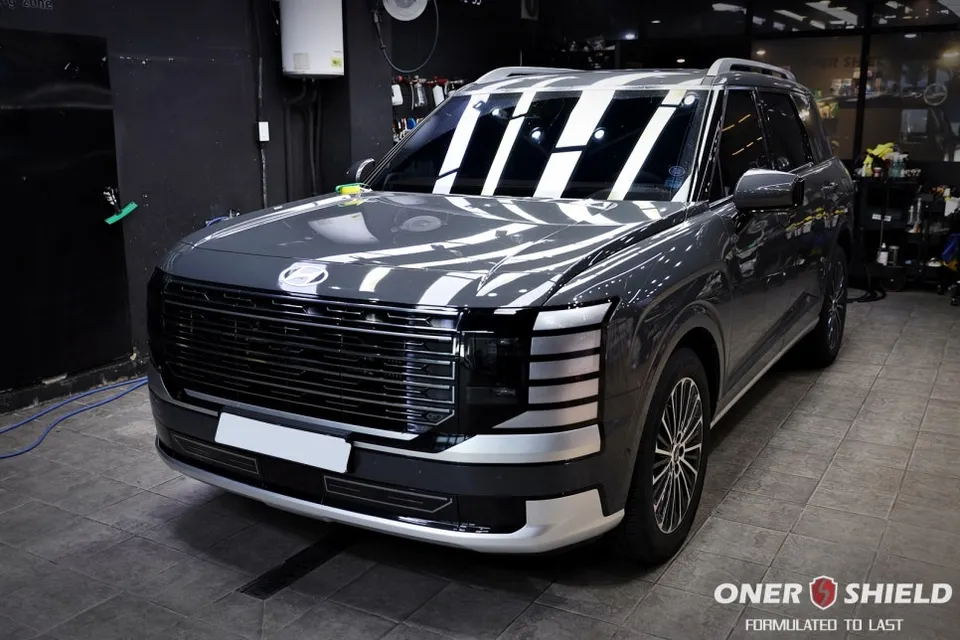
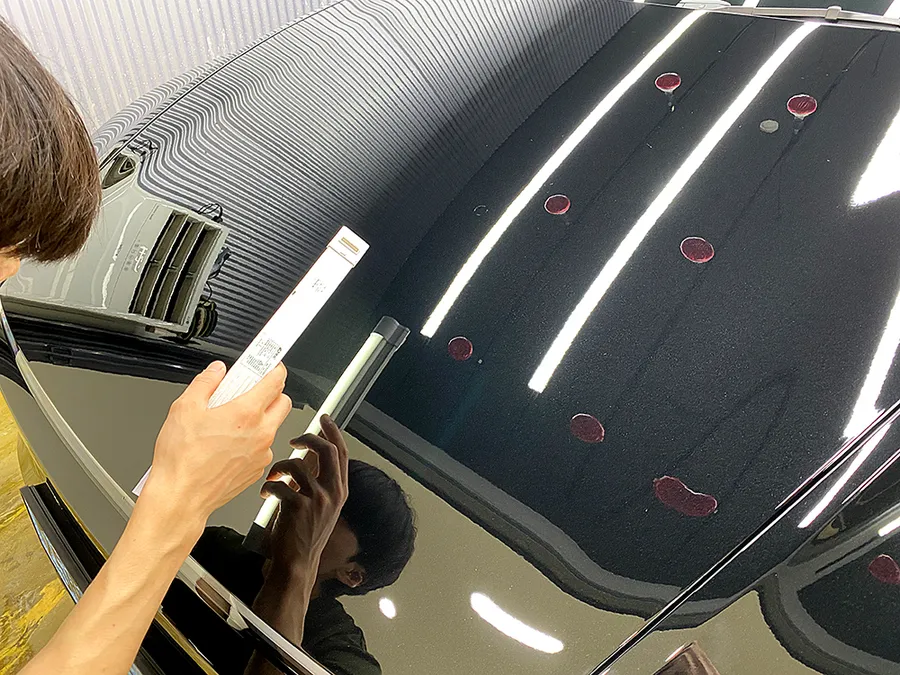
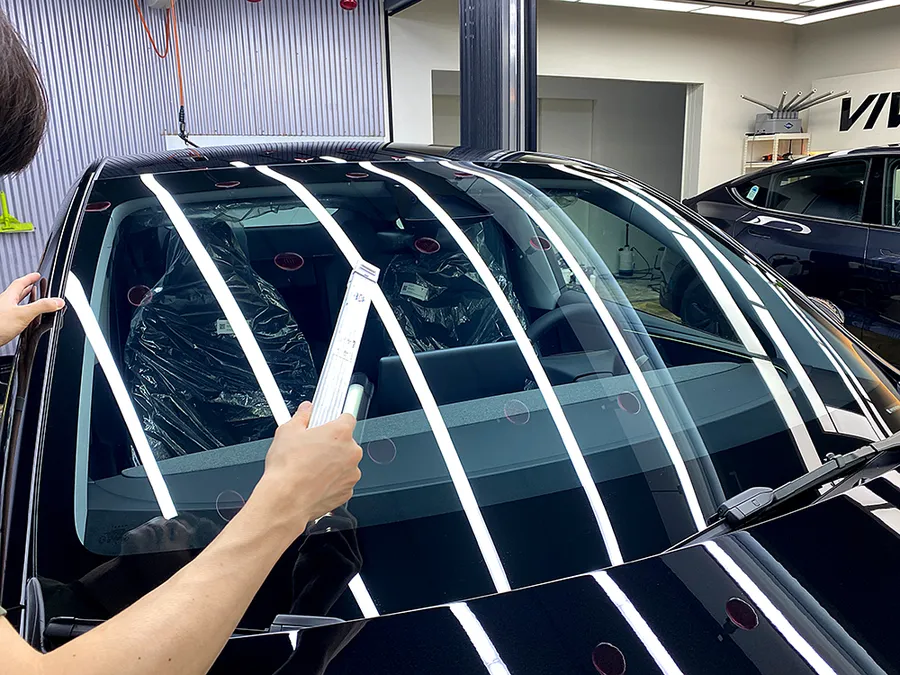
Process photos
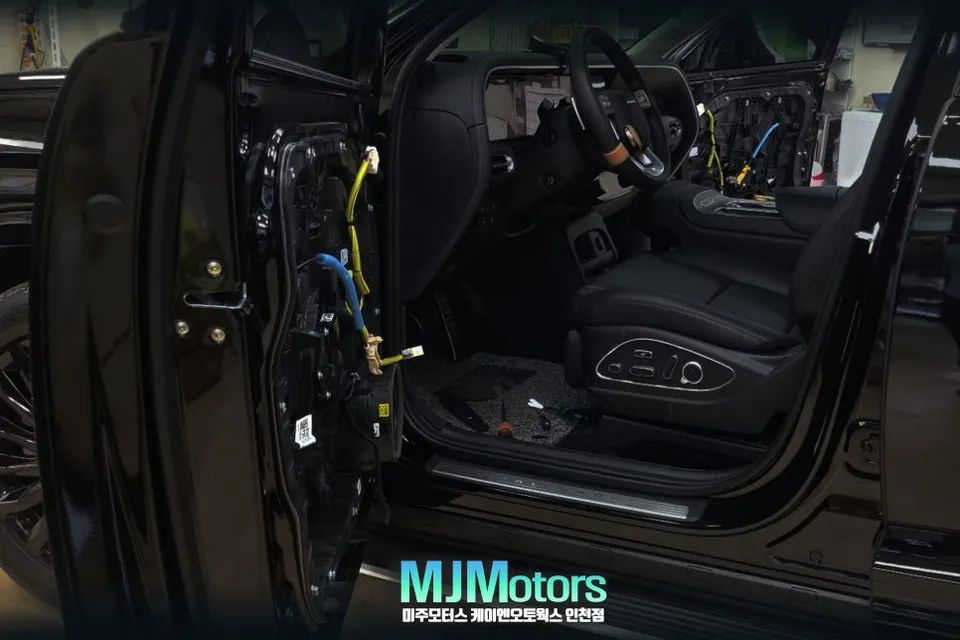
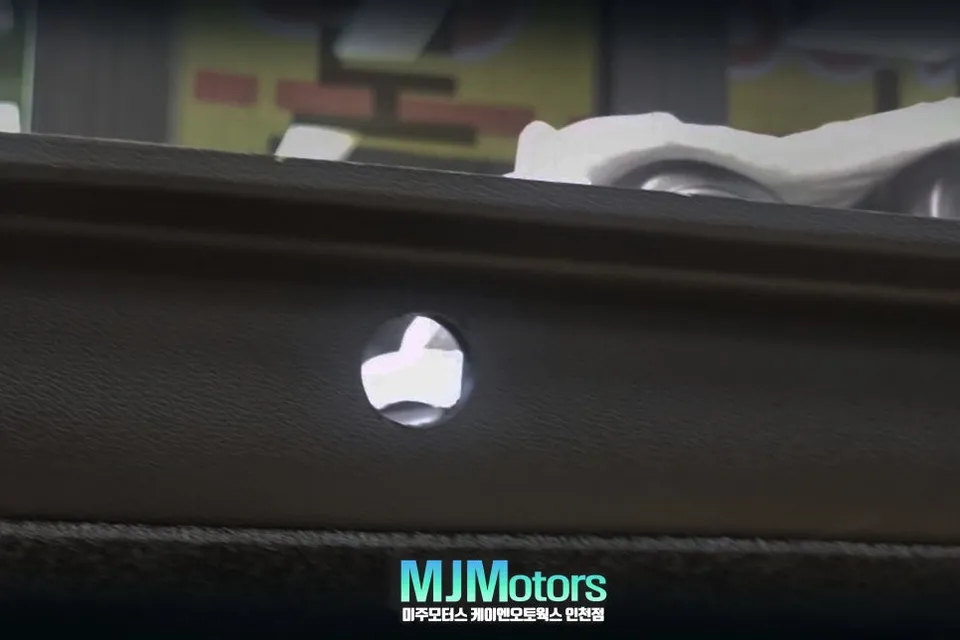
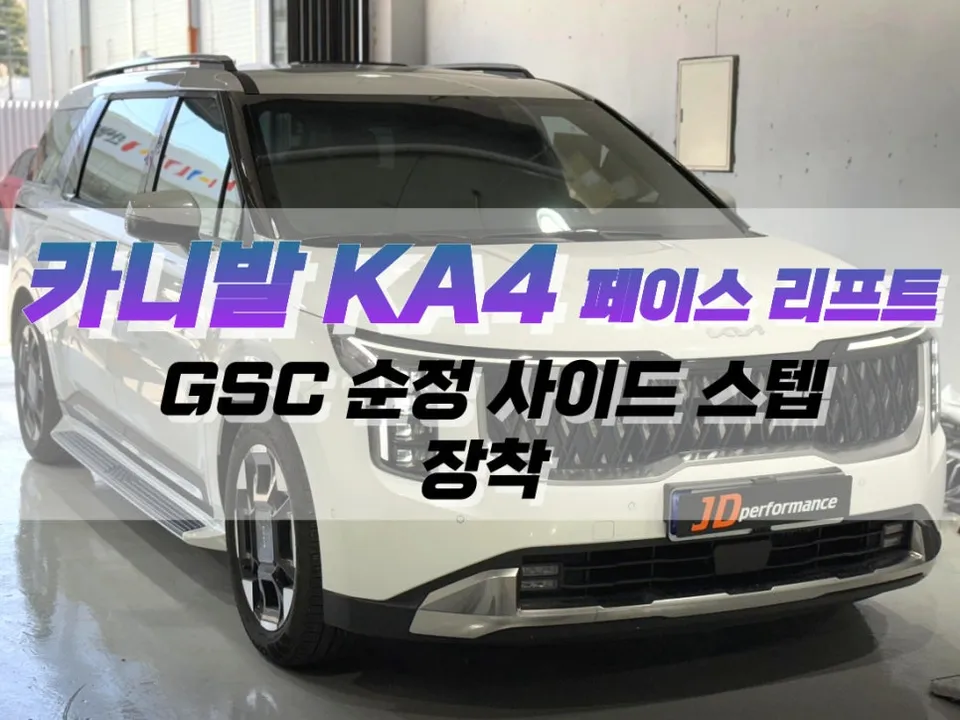
Hyundai Palisade LX3 body kit installation enhances aesthetics. Results in a more aggressive, personalized look. Installation details provided.
Elevate Your Hyundai Palisade LX3's Presence
The Hyundai Palisade LX3 is a commanding SUV, but for those seeking to further distinguish their vehicle, a custom body kit offers a transformative solution. This review delves into the process and outcomes of fitting a body kit to the LX3, focusing on enhancing its already bold styling. A body kit typically includes elements like front and rear bumper extensions, side skirts, and sometimes a rear spoiler, all designed to work in harmony with the vehicle's existing lines. The goal is not just aesthetic improvement but also to create a more aggressive and personalized stance on the road, giving the Palisade a unique road presence that stands out from the crowd.
Installation Process and Notable Details
Installing a body kit requires precision and attention to detail to ensure a seamless integration with the vehicle's body. While specific kits may vary, the general process involves careful preparation and fitting of each component. The KR original content highlights the installation of LED door logo lights, which, while not a full body kit, demonstrates the type of customization that enhances a vehicle's visual appeal upon entry and exit. For a full body kit, the installation process typically involves the following steps:
- Surface Preparation: Thoroughly cleaning and degreasing the areas where the body kit components will be attached. This ensures optimal adhesion.
- Component Fitting: Carefully aligning and test-fitting each piece (e.g., front lip, side skirts, rear diffuser) to the vehicle's existing bumpers and body panels.
- Securing the Kit: Attaching the components using a combination of automotive-grade adhesive tape, specialized clips, and sometimes drilling small pilot holes for screws, depending on the kit's design and manufacturer recommendations.
- Finishing Touches: Ensuring all gaps are minimal and consistent, and applying any necessary touch-up paint or sealant for a factory-perfect finish.
The result is a vehicle that looks lower, wider, and more performance-oriented. The specific LED door logo lights mentioned in the source material add a touch of premium flair, illuminating the ground with the vehicle's logo as the doors open, enhancing the 'wow' factor, especially during nighttime or in dimly lit parking areas. This detail underscores the trend towards personalized touches that elevate the ownership experience beyond standard factory specifications.
Frequently Asked Questions
Q. How much does a body kit cost for a Hyundai Palisade LX3?
The cost for a body kit for a Hyundai Palisade LX3 can vary significantly, typically ranging from $500 to $3,000 USD depending on the brand, material, and number of pieces included. The specific LED door logo lights mentioned in the Korean review are a more budget-friendly accessory.
Q. How long does body kit installation take on a Hyundai Palisade LX3?
Body kit installation on a Hyundai Palisade LX3 typically takes between 4 to 8 hours for a professional installer, though complex kits or custom modifications may require more time. Regular cleaning and avoiding harsh car washes will help maintain the integrity of the kit.
Q. Is a body kit worth it for a Hyundai Palisade LX3?
A body kit is worth it for a Hyundai Palisade LX3 if you prioritize a unique, aggressive aesthetic and want your SUV to stand out. It adds significant visual appeal and can enhance the vehicle's perceived sportiness.
Q. How is a body kit installed on a Hyundai Palisade LX3?
Body kit installation on a Hyundai Palisade LX3 involves preparing the vehicle's surface, test-fitting each component, and then securely attaching them using automotive-grade adhesives, clips, and sometimes screws. Professional installation is recommended for a flawless finish.
Q. What is the difference between FRP and polyurethane body kits for a Hyundai Palisade LX3?
FRP (Fiber-Reinforced Plastic) body kits are generally more affordable but can be brittle and prone to cracking, while polyurethane kits are more flexible, durable, and impact-resistant, making them a better long-term investment for your Hyundai Palisade LX3.
OhCar Partner Shop