Ford Explorer Body Kit Installation Review: Cost & Results
Service Price
$75–115
Estimated price · Actual price may vary by shop
Before
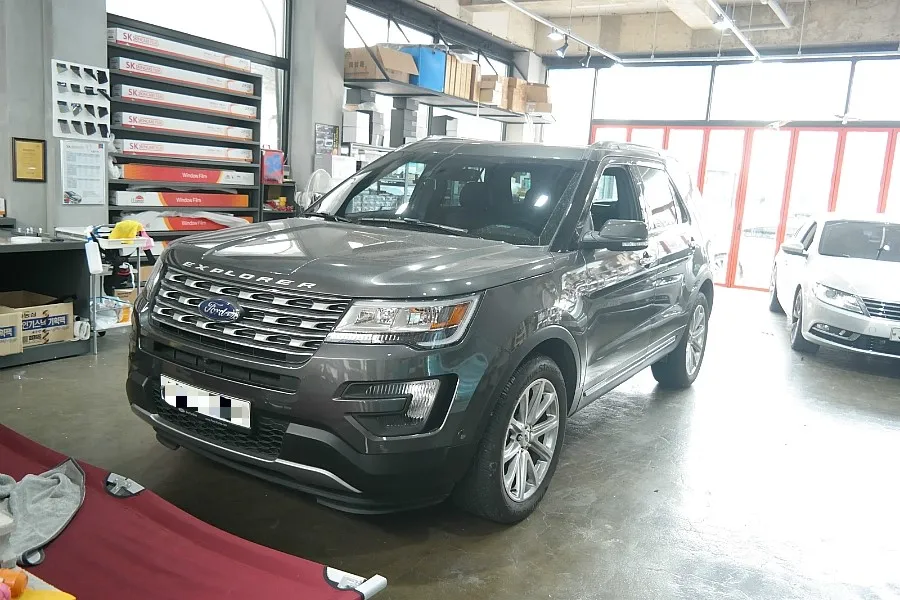
After
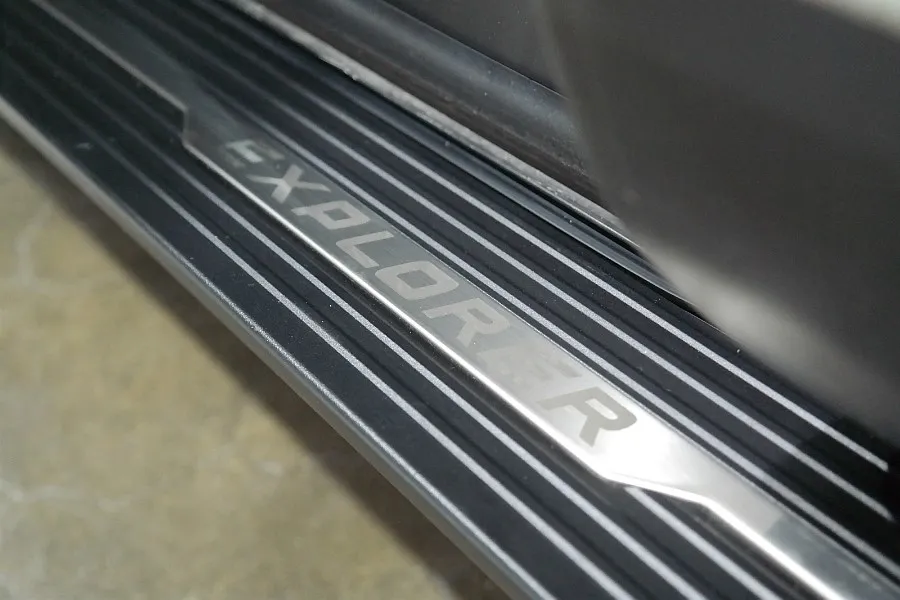
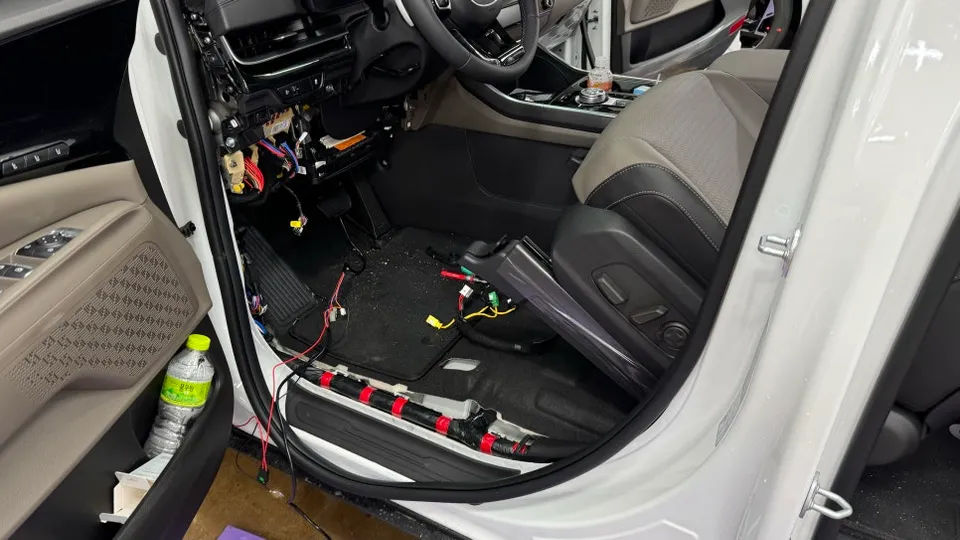
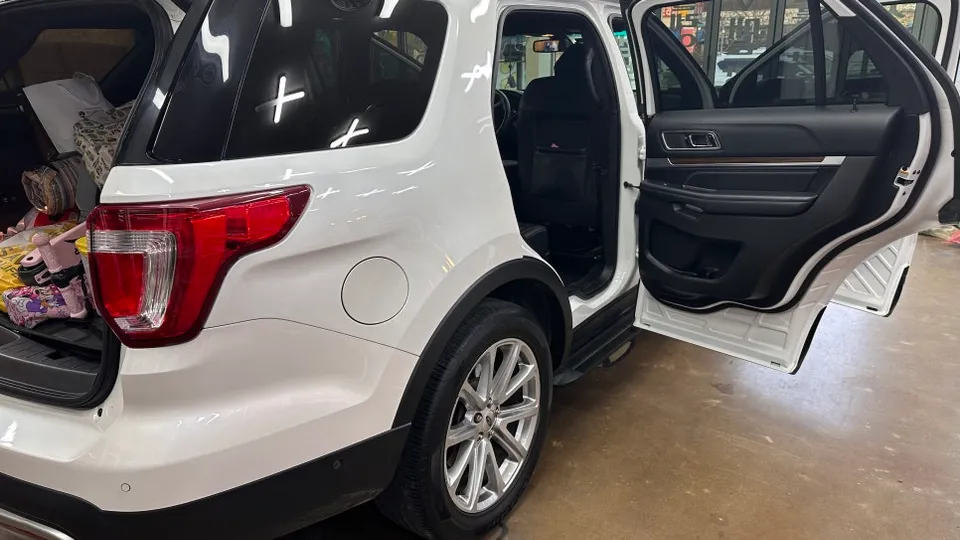
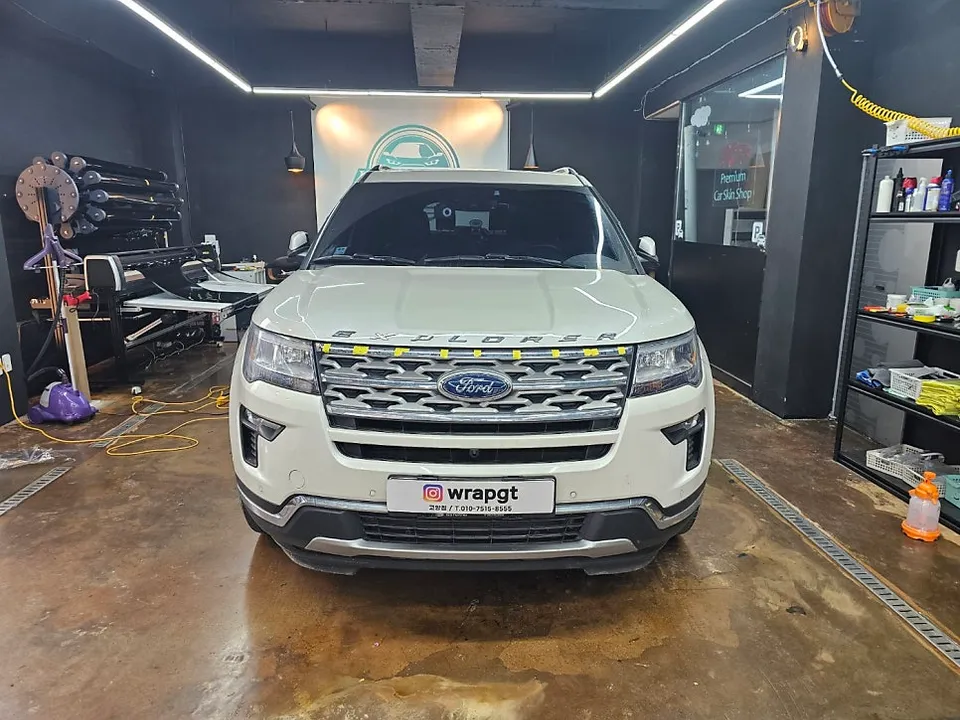
Process photos
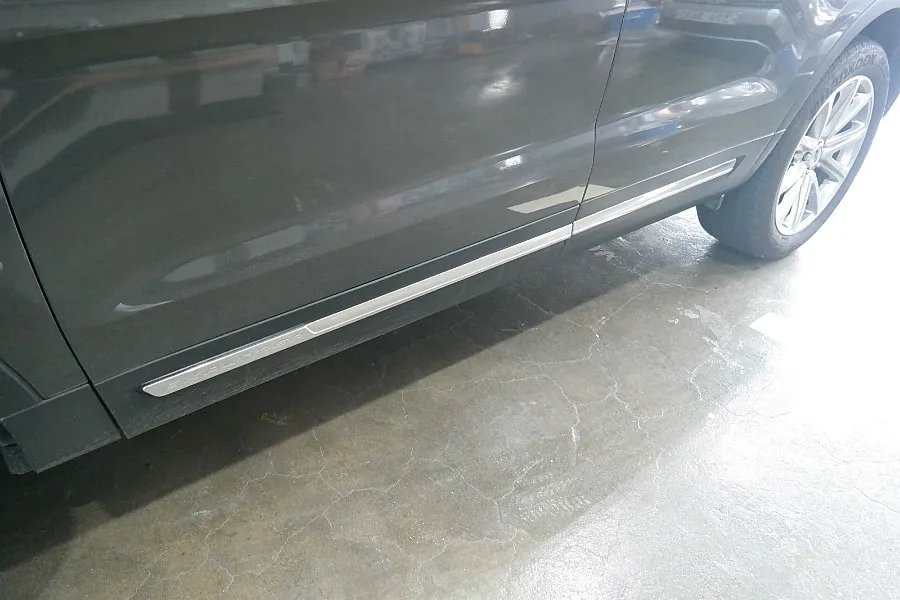
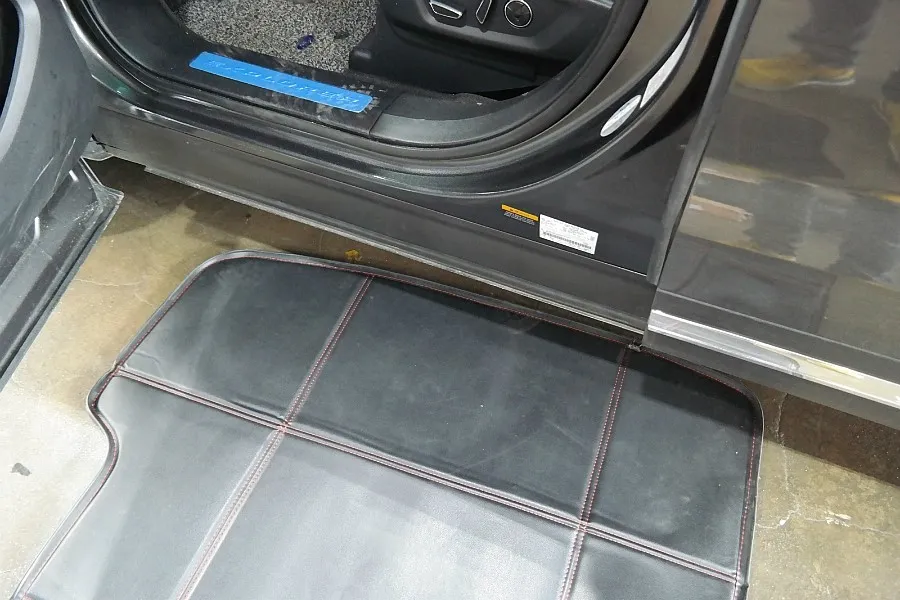
Ford Explorer body kit installation: costs $750-$3,500+. Enhances looks, requires precise fitting. Worth it for custom style.
Enhancing Your Ford Explorer with a Body Kit
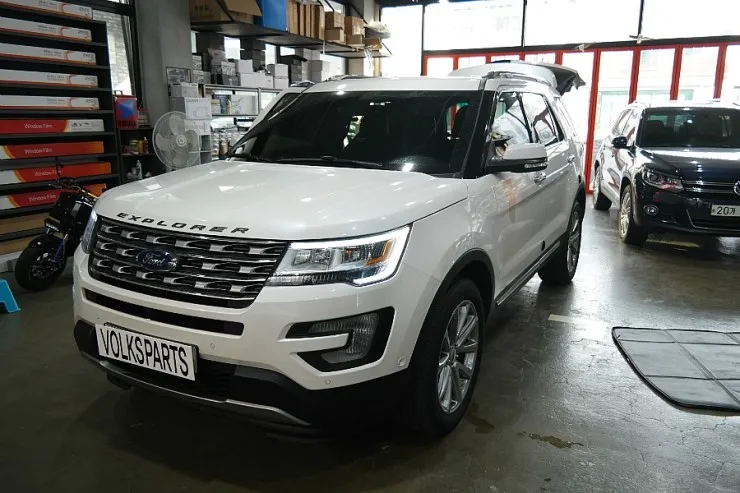
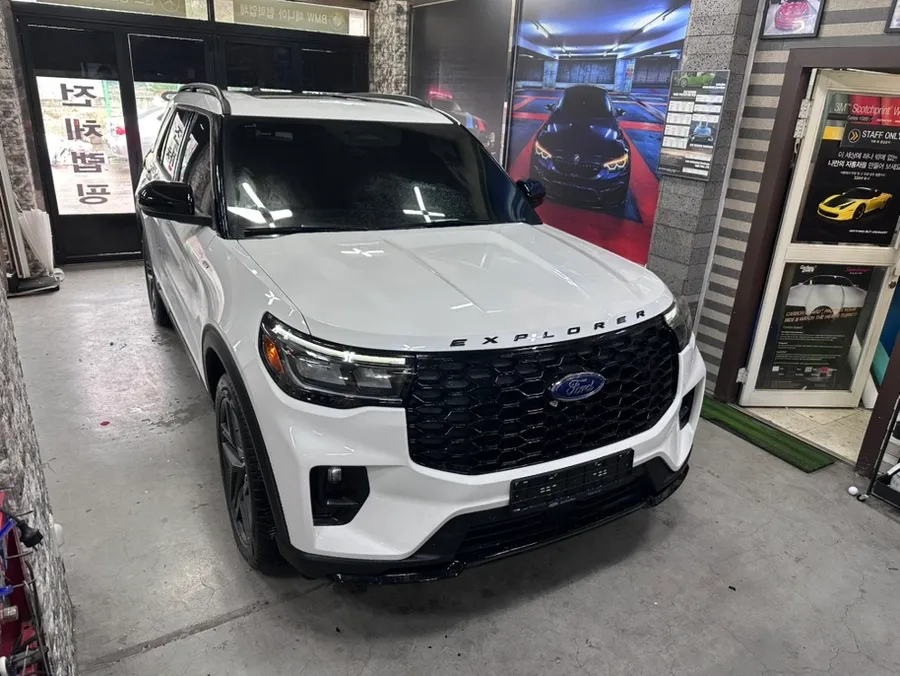
The Ford Explorer, a prominent large SUV, often benefits from aesthetic and functional upgrades. While the original Korean context focused on side steps for protection, the concept of a 'body kit' or 'aero kit' extends to enhancing the vehicle's overall appearance and aerodynamics. This review delves into the typical considerations for a Ford Explorer body kit, including installation, cost, durability, and whether it's a worthwhile investment for US and UK owners.
What is a Body Kit and Why Consider One?
A body kit, often referred to as an aero kit, typically includes components like front lips, side skirts, rear diffusers, and spoilers. These parts are designed to modify the vehicle's exterior, aiming to improve its visual appeal, and sometimes, its aerodynamic performance. For a vehicle like the Ford Explorer, a body kit can give it a more aggressive, sporty, or customized look, setting it apart from stock models. The installation process involves carefully fitting these new components to the existing body panels, ensuring a seamless and integrated appearance. While the Korean context highlighted side steps for practical protection against minor impacts and road debris, a full body kit often leans more towards styling, though some elements can offer minor aerodynamic benefits.
Body Kit Installation Process and Considerations
Installing a body kit on a Ford Explorer requires precision and attention to detail. The process generally involves several key steps:
- Preparation: The existing bumpers and side panels are cleaned and prepared. Any existing damage might need repair before new parts are fitted.
- Component Fitting: Each body kit component (front lip, side skirts, etc.) is test-fitted to ensure proper alignment with the vehicle's body lines. This is crucial for achieving a factory-like finish.
- Drilling and Mounting: Specific mounting points are marked, and holes are drilled into the vehicle's chassis or panels. Brackets are then securely attached using bolts and specialized adhesives. For durability, locking agents are often applied to bolts to prevent loosening due to vibrations.
- Final Alignment and Securing: The body kit components are precisely aligned with the vehicle's body, ensuring even gaps (often around 5mm) for a premium look. They are then permanently secured to the brackets.
- Finishing Touches: Any included elements, like custom logos or trim pieces, are installed. The entire kit is checked for stability and aesthetic coherence.
The quality of the installation significantly impacts the final look and durability. A professional installation ensures that the kit integrates smoothly with the Explorer's design, avoiding common issues like ill-fitting parts or visible gaps. The Korean context emphasized the importance of precise alignment and secure mounting, using specialized adhesives and locking agents to prevent issues from vibrations – principles that apply universally to quality body kit installations.
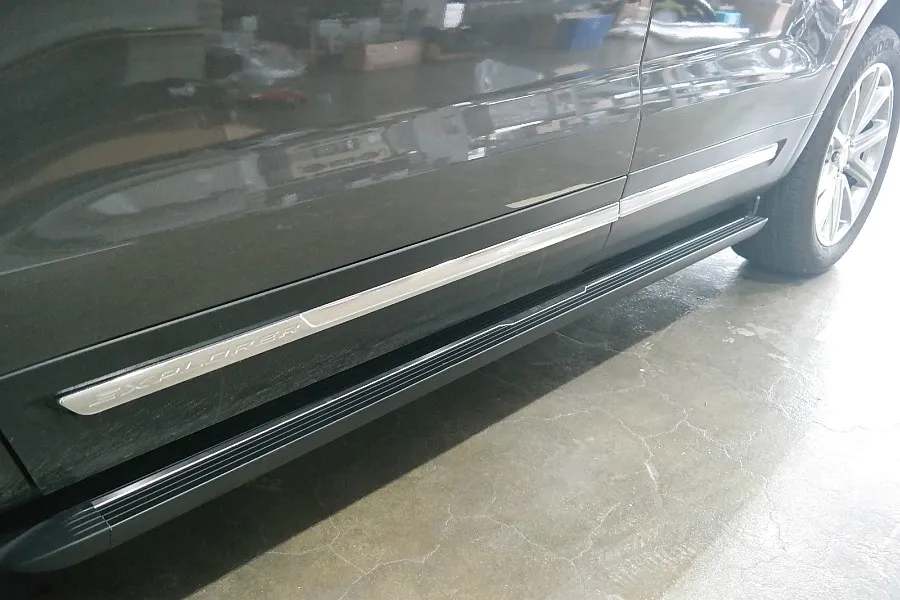
Cost, Durability, and Value Proposition
The cost of a Ford Explorer body kit installation can vary widely. While the Korean context mentioned side step installation costs ranging from 500,000 to 1,000,000 KRW (approximately $370-$740 USD, depending on exchange rates) plus additional costs for mudguards, a full body kit, including front lips, side skirts, and rear elements, can range from $750 to $2,500 USD or more, depending on the brand, material (like FRP or polyurethane), and complexity. Installation labor typically adds another $300 to $1,000 USD. The time required for installation is usually between 4 to 8 hours, potentially extending to a full day or two if paint matching and extensive modifications are needed. Durability depends heavily on the material used and the quality of installation. Polyurethane kits are generally more flexible and resistant to minor impacts than fiberglass-reinforced plastic (FRP) kits, which can be more prone to cracking. Proper maintenance, including regular washing and avoiding harsh impacts, is key to long-term satisfaction. Whether a body kit is 'worth it' depends on individual priorities. If the goal is a unique aesthetic and a more aggressive stance, it can be a valuable upgrade. However, if practicality and maintaining the original look are paramount, the cost and potential risks (like reduced ground clearance or susceptibility to damage) might outweigh the benefits.
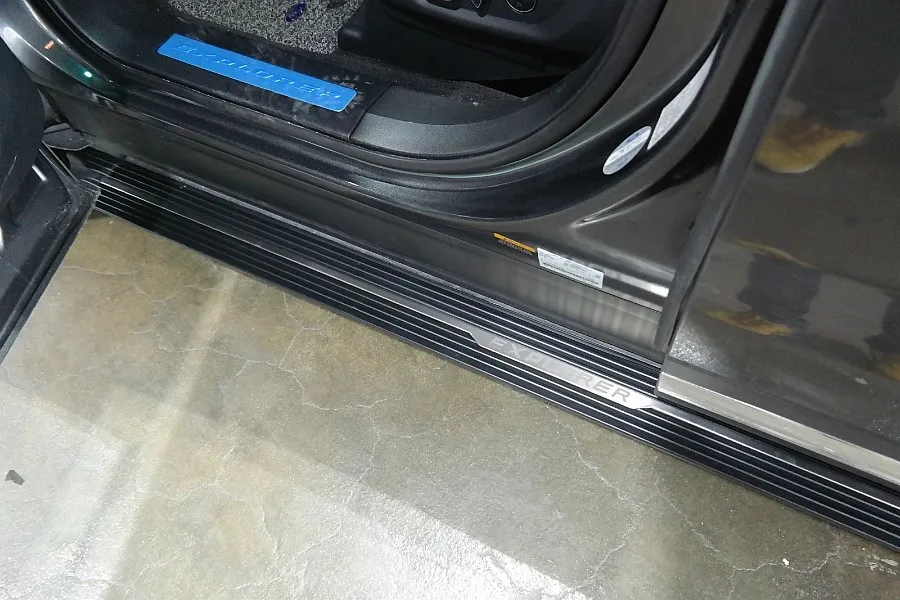
Frequently Asked Questions
Q. How much does a body kit cost for a Ford Explorer?
A full body kit installation for a Ford Explorer typically ranges from $750 to $3,500+ USD, including parts and labor. In the US, expect to pay anywhere from $750 for basic kits to over $3,500 for premium, multi-piece aero kits with professional installation.
Q. How long does body kit installation take on a Ford Explorer?
Body kit installation on a Ford Explorer usually takes 4-8 hours, but can extend to 1-2 days for complex kits or if painting is required. To ensure longevity, regular cleaning and avoiding low-clearance obstacles are recommended maintenance tips.
Q. Is a body kit worth it for a Ford Explorer?
A body kit is worth it for Ford Explorer owners prioritizing a unique, aggressive aesthetic and personalized style. It offers a significant visual transformation, making the SUV stand out.
Q. How is a body kit installed on a Ford Explorer?
Installation involves preparing the vehicle's body, test-fitting components like front lips and side skirts, drilling mounting points, and securely attaching brackets with bolts and adhesives. Finally, the kit pieces are precisely aligned and fastened for a seamless finish.
Q. What is the difference between FRP and polyurethane body kits for a Ford Explorer?
FRP (fiberglass-reinforced plastic) kits are often more rigid but can be brittle and prone to cracking, while polyurethane kits offer greater flexibility and impact resistance. For daily driving and durability, polyurethane is generally recommended.
Fox Parts