Hyundai Palisade PPF Review: Smoked Tail Lights & Protection
Service Price
$under approx. $400
Estimated price · Actual price may vary by shop
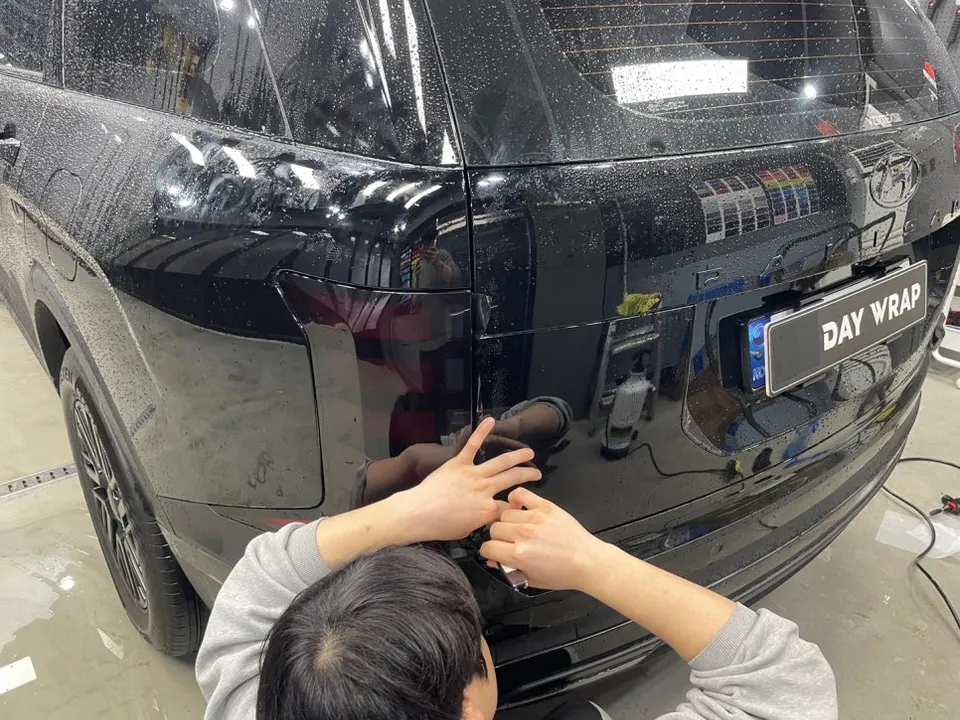
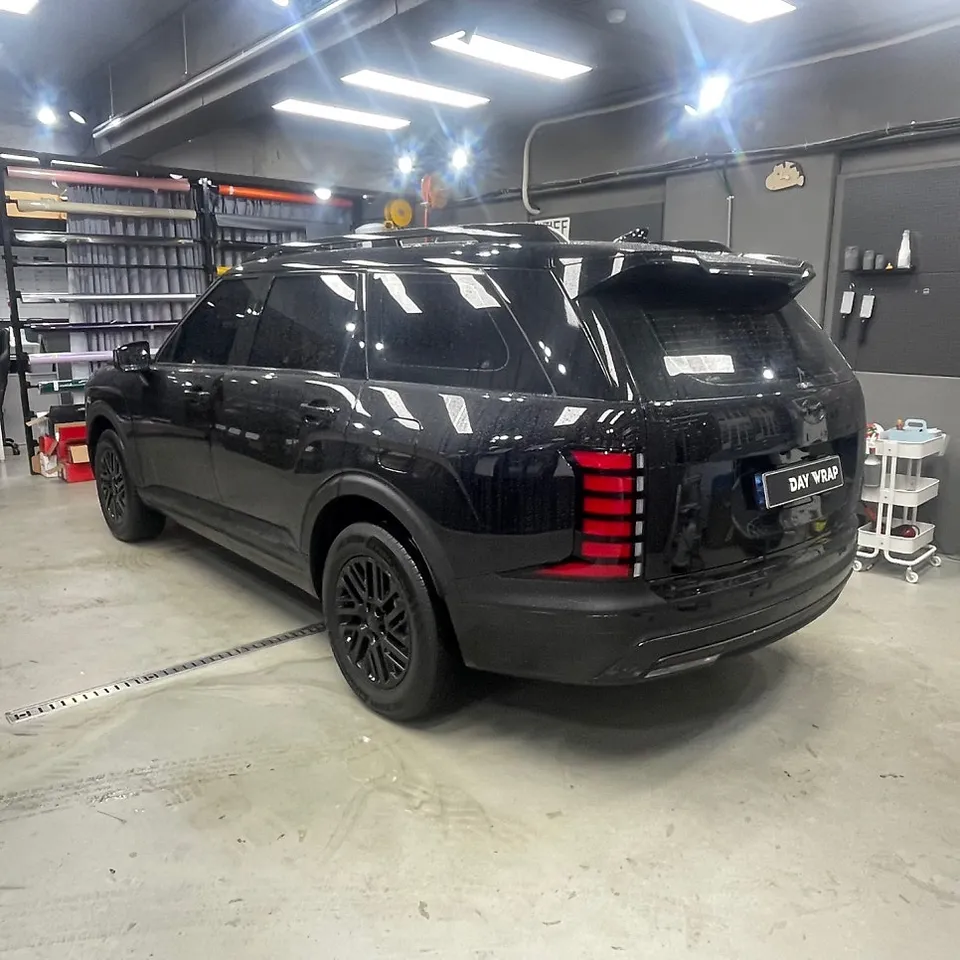
Hyundai Palisade smoked tail light PPF: Approx. $150+ USD. Enhances style and protects lights from scratches and UV damage.
Hyundai Palisade Smoked Tail Light PPF: Style Meets Protection
Are you a Hyundai Palisade owner looking to enhance both the appearance and protection of your vehicle? While often associated with full body wraps, Paint Protection Film (PPF) can be applied to specific areas, like the tail lights, for a unique blend of style and defense. This review delves into a specific installation of smoked PPF on a Hyundai Palisade's tail lights, exploring the process, the aesthetic transformation, and its protective benefits. In Korea, where this service was performed, the cost for this type of tail light PPF application typically starts around 200,000 KRW (approximately $150 USD, though actual US pricing varies significantly by region and installer). This service offers a sophisticated way to differentiate your Palisade while safeguarding a crucial and often expensive-to-replace component.
The Smoked PPF Transformation
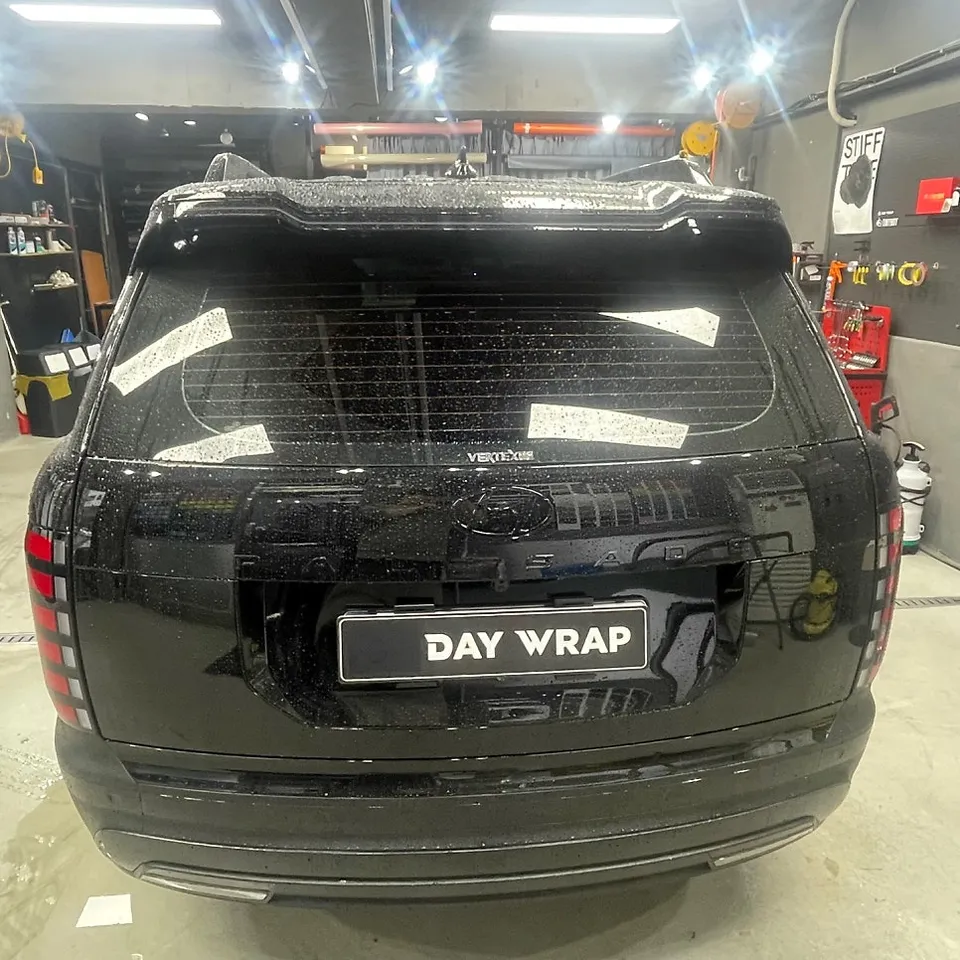
Modern vehicles, including the Hyundai Palisade, often feature advanced LED lighting systems. The covers for these lights, typically made of plastic, are susceptible to damage from road debris and environmental factors like UV exposure, which can lead to yellowing or cloudiness over time. Applying a smoked PPF film to the Palisade's tail lights serves a dual purpose: it acts as a robust shield against scratches, minor impacts, and environmental contaminants, and it imparts a subtle, luxurious dark tint. This tint can unify the vehicle's overall aesthetic, especially when paired with other styling modifications like a chrome delete. The film allows the original light output to remain clear and functional while providing a deeper, more refined visual appeal. The specific installation detailed here aimed to complement the Palisade's already enhanced luxury look, creating a cohesive and sophisticated profile.
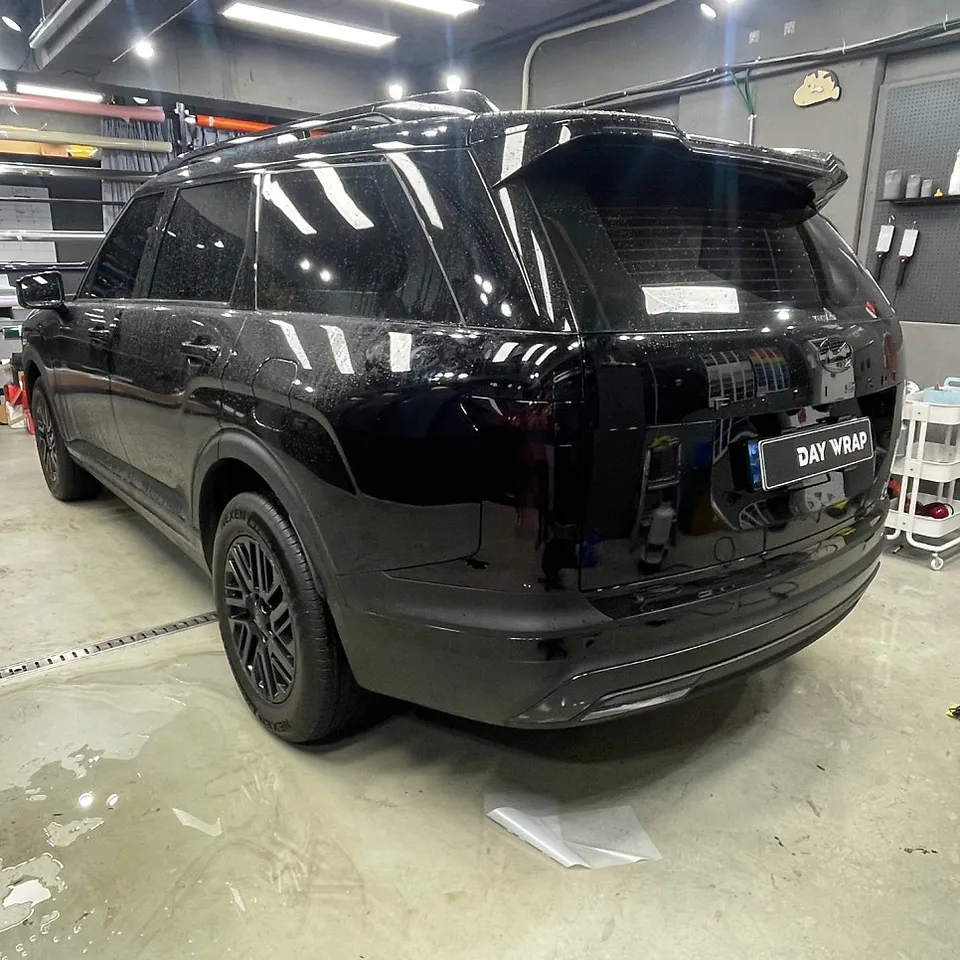
Paint Protection Film Installation Process
The installation of smoked PPF on a Hyundai Palisade's tail lights requires precision and expertise due to the complex curves of the lighting units. The process involves several key steps:
- Surface Preparation: The tail lights are thoroughly cleaned and degreased to ensure a flawless surface for film adhesion. Any imperfections are addressed to prevent them from being sealed under the film.
- Film Cutting and Application: The smoked PPF is precisely cut, often using a plotter, to match the exact contours of the Palisade's tail lights. The film is then carefully applied, using specialized tools and solutions to squeegee out any air bubbles or moisture, ensuring a smooth, seamless finish.
- Trimming and Sealing: Excess film is meticulously trimmed around the edges, and the film is gently heated to help it conform to the light's shape and seal to the surface.
- Inspection: A final inspection is performed to check for any lifting, bubbles, or imperfections, ensuring a perfect installation.
This meticulous process, typically taking around 3-4 hours for tail lights, ensures that the film not only looks great but also provides long-lasting protection. While this specific installation was performed in Korea, similar professional services are available in the US and UK, with costs varying based on location, installer, and the specific film brand used. Durability is generally expected to be between 3 to 5 years, with premium films offering longer warranties. Proper maintenance, such as gentle washing and avoiding abrasive cleaners, will help maximize the film's lifespan.
Frequently Asked Questions
Q. How much does PPF cost for a Hyundai Palisade?
For tail light application like this, costs in Korea started around 200,000 KRW (approx. $150 USD). Full front-end PPF installation on a Hyundai Palisade in the US can range from $600 to $2,500 or more, depending on coverage and film quality.
Q. How long does PPF last on a Hyundai Palisade?
Paint Protection Film typically lasts 3 to 5 years, with premium options offering longer lifespans. To maximize longevity, gently wash the film and avoid abrasive cleaners or high-pressure washing directly on the edges.
Q. Is PPF worth it for a Hyundai Palisade?
PPF is most beneficial for owners who frequently drive on highways or in areas prone to rock chips and road debris, as it offers excellent protection against such damage. It's a worthwhile investment for preserving the vehicle's paintwork and resale value.
Q. How is PPF installed on a Hyundai Palisade?
Installation involves meticulously cleaning the surface, precisely cutting the film to match the vehicle's contours, and carefully applying it using specialized tools to eliminate air bubbles and ensure a smooth, seamless finish. The edges are then sealed, and the film is inspected for perfection.
Q. What is the difference between PPF and ceramic coating for a Hyundai Palisade?
PPF provides superior physical protection against impacts and scratches, essentially acting as a clear shield, while ceramic coating offers enhanced gloss and chemical resistance but is much thinner and less protective against physical damage. For impact protection, PPF is the clear choice.
Q. What should I know before getting Paint Protection Film on a Hyundai Palisade? (common regrets and mistakes)
The most common regret is not opting for full coverage, leaving vulnerable areas exposed to damage. To avoid this, consider the type of driving you do and discuss comprehensive coverage options with your installer.
OhCar Partner Shop
More ppf Reviews
See all →



More Hyundai Reviews

Pair with Another Service
Add hydrophobic protection on top of PPF
Complete your new car protection package