Hyundai Porter 2 OEM Options Review — Cost & Results
Service Price
$under $40
Estimated price · Actual price may vary by shop
Before
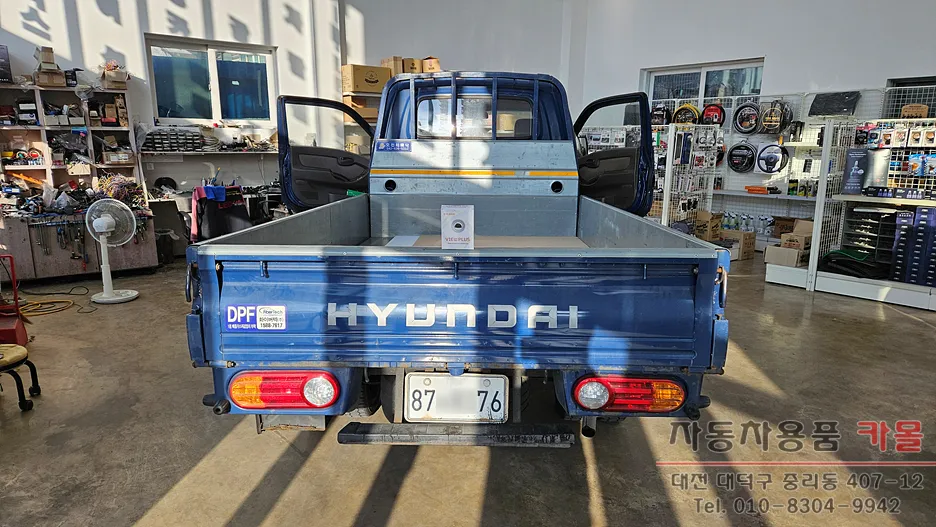
After
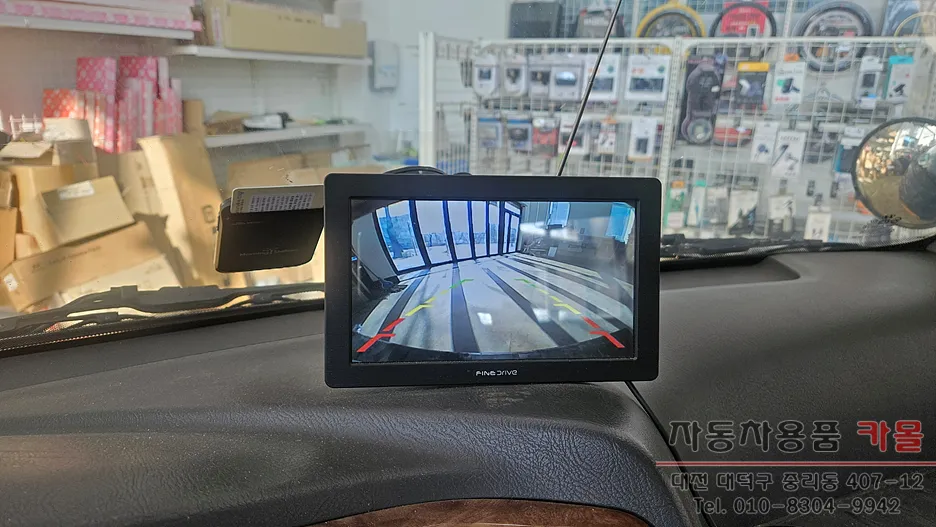
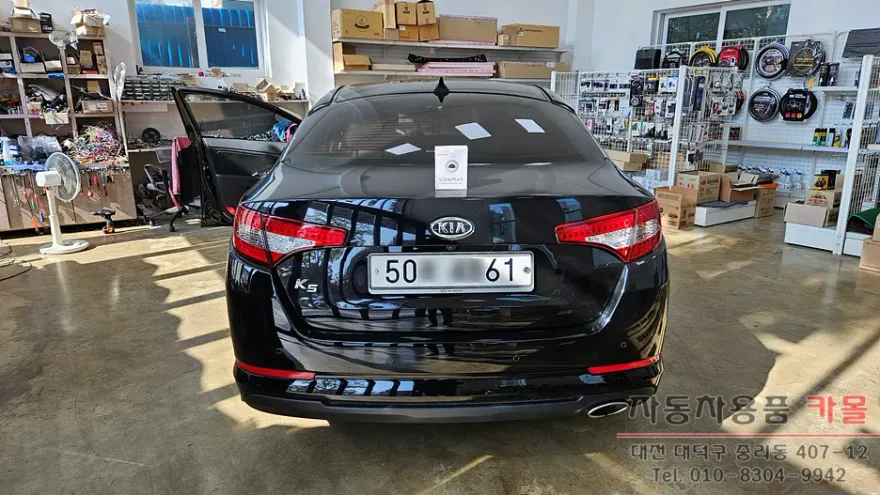
Process photos
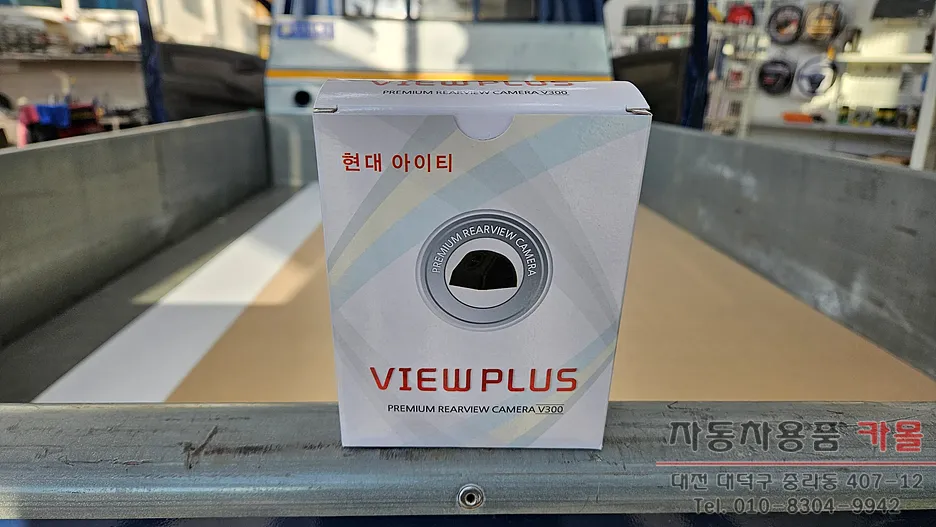
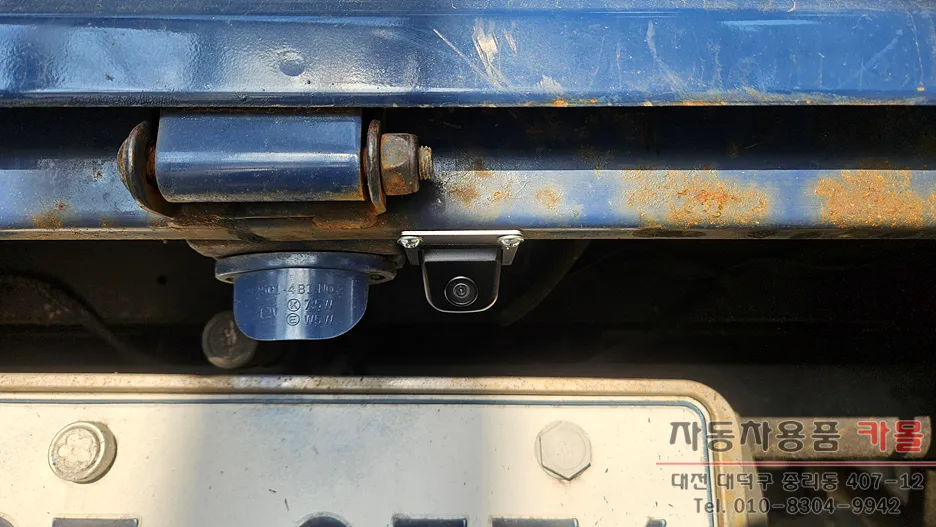
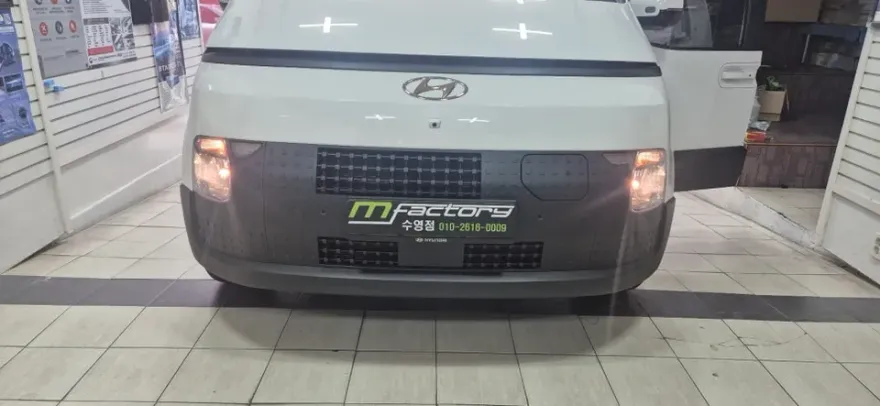
Hyundai Porter 2 OEM options like rear cameras cost approx. $75-$150 USD (KRW 100-200k). Enhances safety and parking.
Hyundai Porter 2: Enhancing Functionality with OEM Options
The Hyundai Porter 2, a workhorse favored for commercial use in Korea, often presents opportunities for functional upgrades. While it comes equipped for its primary tasks, many owners consider adding or retrofitting OEM options to enhance safety and convenience. This review delves into the typical costs, installation process, and overall value of these factory-approved upgrades for the Porter 2, focusing on common additions like a rear-view camera system.
Understanding the Value of Factory Upgrades
For a vehicle like the Porter 2, frequently navigating tight urban environments and loading/unloading cargo, visibility is paramount. A rear-view camera, often considered a standard feature on newer vehicles, can be a significant safety enhancement for this model. The Korean context highlights that adding such a factory upgrade can transform the driving experience, particularly in confined spaces and during parking maneuvers. The cost for a typical rear-view camera installation, including the camera and labor, generally falls within the range of 100,000 to 200,000 Korean Won (approximately $75-$150 USD, though actual US pricing may vary significantly). This price point positions it as an accessible improvement.
OEM Options Installation Process
Installing OEM options, such as a rear-view camera, requires careful execution to ensure both functionality and a clean aesthetic. The process typically involves several key steps:
- Camera Mounting: The rear-view camera is securely attached to the rear of the Porter 2. Optimal placement is crucial to maximize the field of view, ensuring comprehensive coverage of the area behind the vehicle.
- Wiring Integration: Professional installers route the camera's wiring harness discreetly through the vehicle's interior. This is done meticulously, often following existing factory wiring paths to prevent any visible cables and maintain the vehicle's interior integrity. Proper wire management is essential to avoid rattles or potential damage from moisture ingress.
- System Connection: The wiring is then connected to the vehicle's display unit, whether it's an integrated navigation system or a separate monitor.
- Testing and Finishing: Finally, the system is tested to confirm that the camera feed displays correctly and clearly on the monitor. Once functionality is verified, the interior trim panels are reassembled to restore the cabin to its original condition, ensuring a factory-like finish.
A critical aspect often overlooked is the quality of the wiring finish. Poorly managed wires can lead to annoying noises, water damage, and premature camera failure. A professional installation ensures that the wiring is concealed and protected, maintaining the vehicle's interior appearance and the longevity of the component.
Durability and Long-Term Value
The durability of OEM options is generally high, as these components are designed to meet the manufacturer's standards for the vehicle. When installed correctly, a factory-installed or dealer-retrofitted rear-view camera can last for many years. Maintenance typically involves occasional cleaning of the camera lens. The primary benefit is the enhanced safety and reduced stress during driving and parking. For a commercial vehicle like the Porter 2, where efficiency and safety directly impact business operations, the investment in such a factory upgrade often proves its worth through accident prevention and improved driver confidence.
Frequently Asked Questions
Q. How much does OEM option and factory upgrade installation cost for a Hyundai Porter 2?
In Korea, OEM options like rear-view cameras for the Hyundai Porter 2 typically cost between 100,000 to 200,000 KRW (approximately $75-$150 USD). Actual US pricing for similar factory upgrades can vary significantly.
Q. How long does OEM options installation take on a Hyundai Porter 2?
Installation of OEM options such as a rear-view camera usually takes about 1 to 2 hours. Proper wiring and finishing are key to ensuring the component's long-term durability and preventing issues like water damage.
Q. Are OEM options worth adding after purchase for a Hyundai Porter 2?
Yes, OEM options like a rear-view camera significantly enhance safety and ease of parking for the Hyundai Porter 2, especially for commercial use. The investment is often justified by improved driver confidence and accident prevention.
Q. How are OEM factory options installed on a Hyundai Porter 2?
Installation involves securely mounting the component (e.g., rear camera), discreetly routing and connecting its wiring harness following factory paths, and integrating it with the vehicle's display system. Finally, the system is tested, and interior trim is reassembled for a clean, factory-like finish.
Q. What is the difference between dealer-installed options and aftermarket upgrades for a Hyundai Porter 2?
Dealer-installed options (OEM) are typically designed and tested by the manufacturer for seamless integration and reliability, often maintaining warranty coverage. Aftermarket upgrades may offer more variety or lower costs but can sometimes present compatibility or quality concerns.
OhCar Partner Shop