Hyundai Porter 2 OEM Options Review — Cost & Results
Service Price
$under $40
Estimated price · Actual price may vary by shop
Before
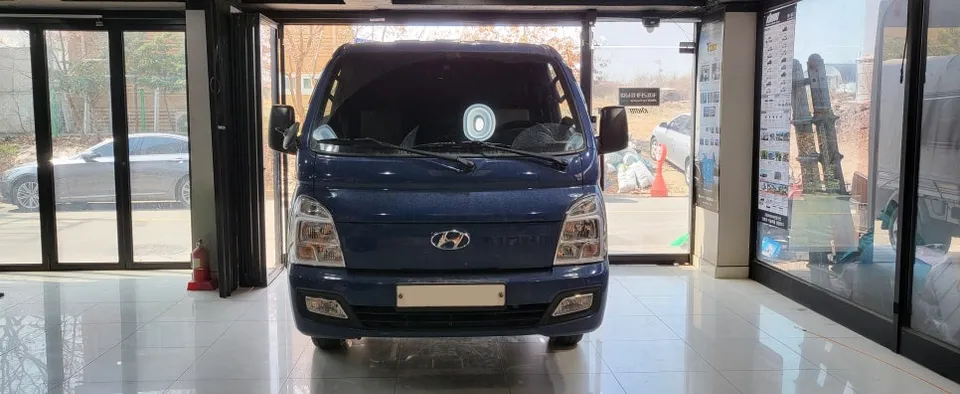
After
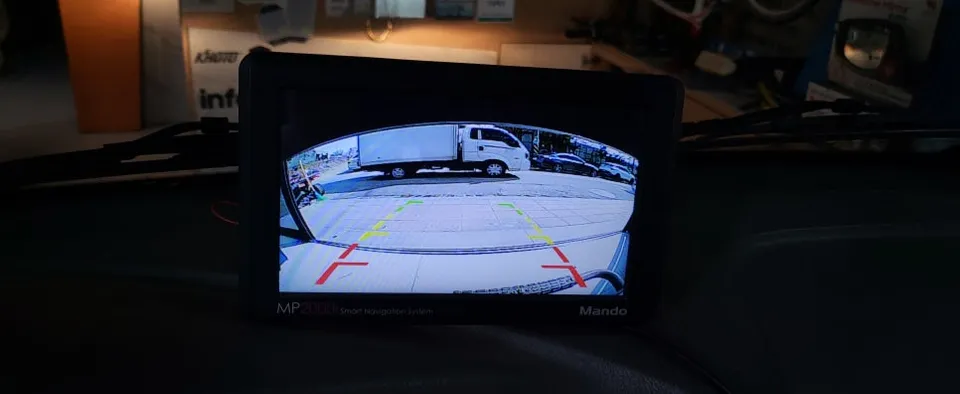
Hyundai Porter 2 OEM options installation costs around ₩100,000-₩200,000. Improves safety and utility with factory-integrated features.
Hyundai Porter 2 OEM Options: Is a Factory Upgrade Worth It?
For many commercial vehicle owners, the Hyundai Porter 2 is a workhorse. Ensuring it's equipped with the right features can significantly impact efficiency and safety. When considering enhancements, the question often arises: should you opt for OEM (Original Equipment Manufacturer) options or factory upgrades? This review delves into the specifics of these factory-approved additions, focusing on their cost, installation process, durability, and overall value for Porter 2 owners.
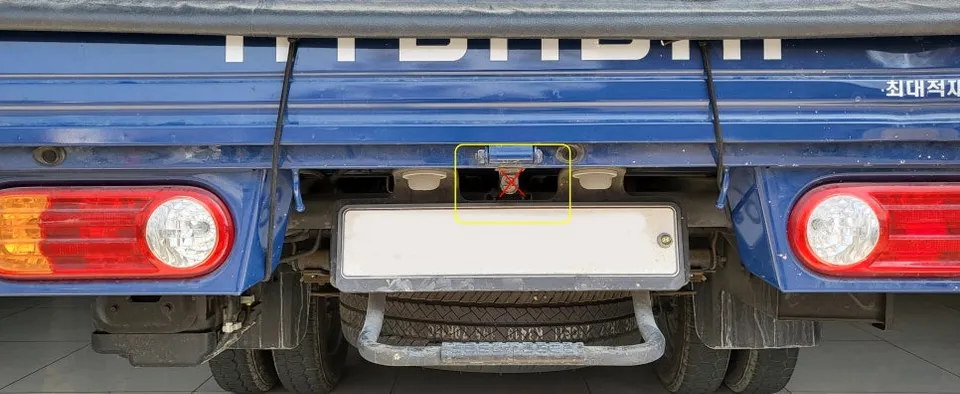
Understanding OEM Options and Factory Upgrades
OEM options, often referred to as factory options or dealer options, are components and features that are either installed at the factory during vehicle production or offered as official upgrades through the dealership. For a vehicle like the Hyundai Porter 2, these can range from enhanced lighting to specialized utility features. Unlike aftermarket parts, OEM options are designed to integrate seamlessly with your vehicle's existing systems, ensuring compatibility and often maintaining the vehicle's warranty. The primary benefit is peace of mind, knowing that the parts are built to the manufacturer's specifications.
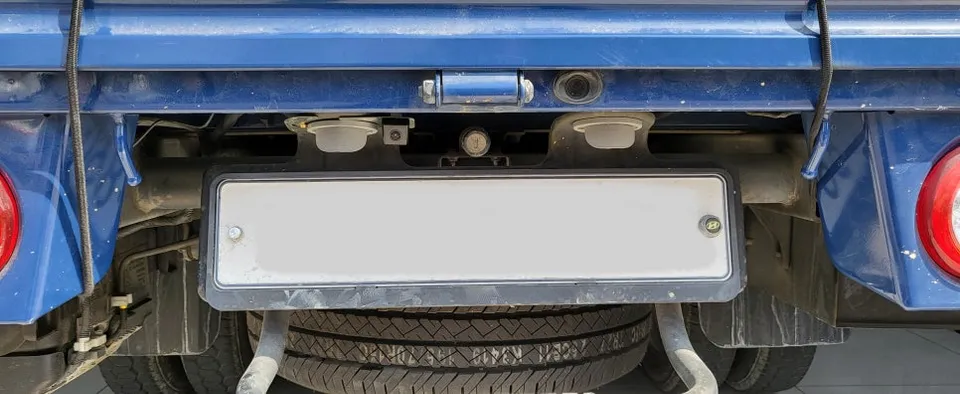
Installation Process and Expected Outcomes
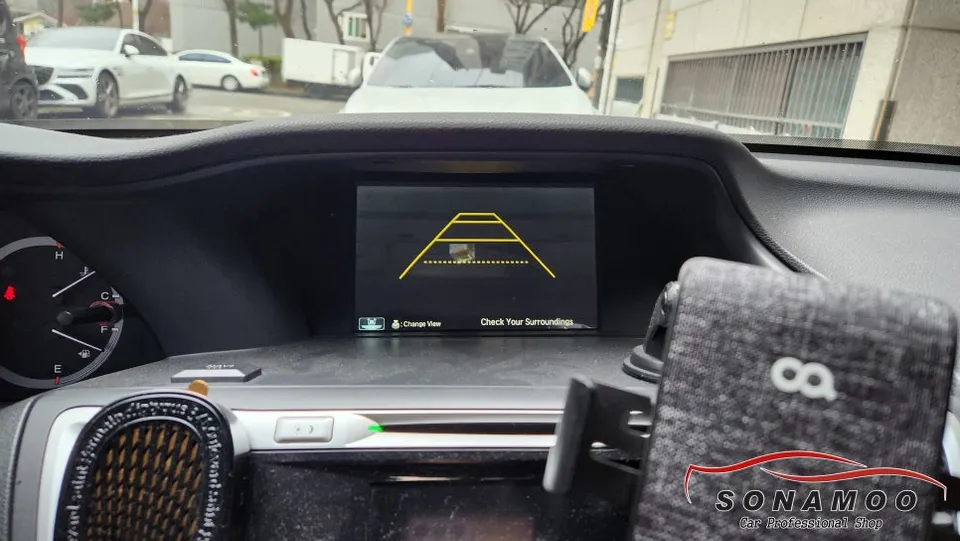
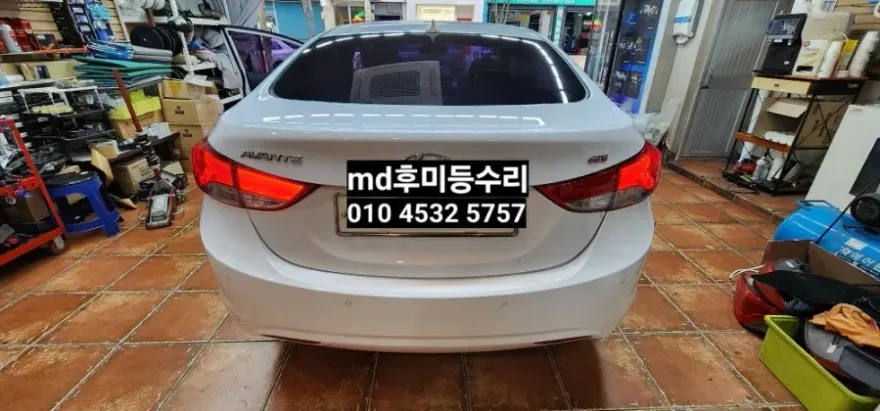
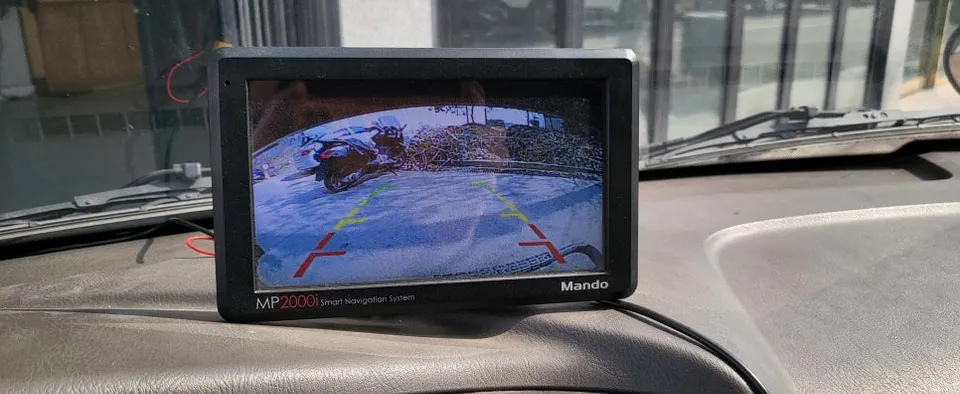
The installation of OEM options on a Hyundai Porter 2 is typically handled by trained technicians, either at the factory or at a dealership. This ensures that the process is carried out correctly, minimizing the risk of damage or malfunction. For instance, if a rear-view camera system is being retrofitted, the installation involves carefully routing wiring harnesses through the vehicle's existing channels and securely mounting the camera and display unit. The goal is a clean, integrated look that mirrors factory-installed equipment.
Installation process:
- Diagnosis: A technician will first confirm the specific OEM option needed and assess the vehicle's current setup.
- Component Preparation: The correct OEM part is sourced and prepared for installation.
- Integration: The new component is installed, and all necessary wiring is connected to the vehicle's electrical system.
- Testing: A thorough check is performed to ensure the new option functions perfectly and integrates with other vehicle systems.
The results of a successful OEM option installation are typically a fully functional feature that looks and performs as if it came standard with the vehicle. Durability is generally high, as these parts are built to withstand the rigors of daily use, similar to original components. Maintenance is usually minimal, often requiring no more than standard vehicle upkeep. For a Hyundai Porter 2, a common retrofit is a rear-view camera, which can significantly improve visibility and safety during reversing and parking maneuvers, especially given the vehicle's utility focus.
Is it Worth the Cost?
The cost of OEM options can vary. For a Hyundai Porter 2, retrofitting a rear-view camera system, for example, might range from approximately 100,000 to 200,000 Korean Won (roughly $75-$150 USD, depending on exchange rates). This price typically includes both the part and the labor. While aftermarket solutions might sometimes appear cheaper, the value of OEM options lies in their guaranteed compatibility, longevity, and the assurance that they won't compromise your vehicle's warranty or resale value. For essential safety or utility features, investing in an OEM option can be a prudent choice for long-term reliability and performance on your Hyundai Porter 2.
Frequently Asked Questions
Q. How much does OEM option and factory upgrade installation cost for a Hyundai Porter 2?
In Korea, retrofitting OEM options like a rear-view camera for a Hyundai Porter 2 typically costs between ₩100,000 and ₩200,000. US pricing for similar factory-integrated upgrades can vary but often falls into a similar or slightly higher range depending on the specific option.
Q. How long does OEM options installation take on a Hyundai Porter 2?
Installation of OEM options on a Hyundai Porter 2 usually takes around one hour, though complex integrations may require more time. These factory-approved parts are designed for durability and generally require no special maintenance beyond regular vehicle upkeep.
Q. Are OEM options worth adding after purchase for a Hyundai Porter 2?
OEM options are most beneficial for drivers who prioritize seamless integration, guaranteed compatibility, and long-term reliability for essential safety or utility features. They offer peace of mind and can help maintain vehicle warranty and resale value.
Q. How are OEM factory options installed on a Hyundai Porter 2?
OEM factory options are installed by trained technicians. The process typically involves: 1. Diagnosing the need and vehicle compatibility. 2. Preparing the correct OEM part. 3. Integrating the component and connecting wiring to existing systems. 4. Thoroughly testing the new feature.
Q. What is the difference between dealer-installed options and aftermarket upgrades for a Hyundai Porter 2?
Dealer-installed OEM options are designed and tested by the manufacturer for perfect integration and reliability, often maintaining your warranty. Aftermarket upgrades are made by third-party companies and can vary widely in quality, compatibility, and potential impact on your vehicle's systems.
OhCar Partner Shop