Hyundai Santa Fe Ventilated Seats Review — Real Installation Cost
Before
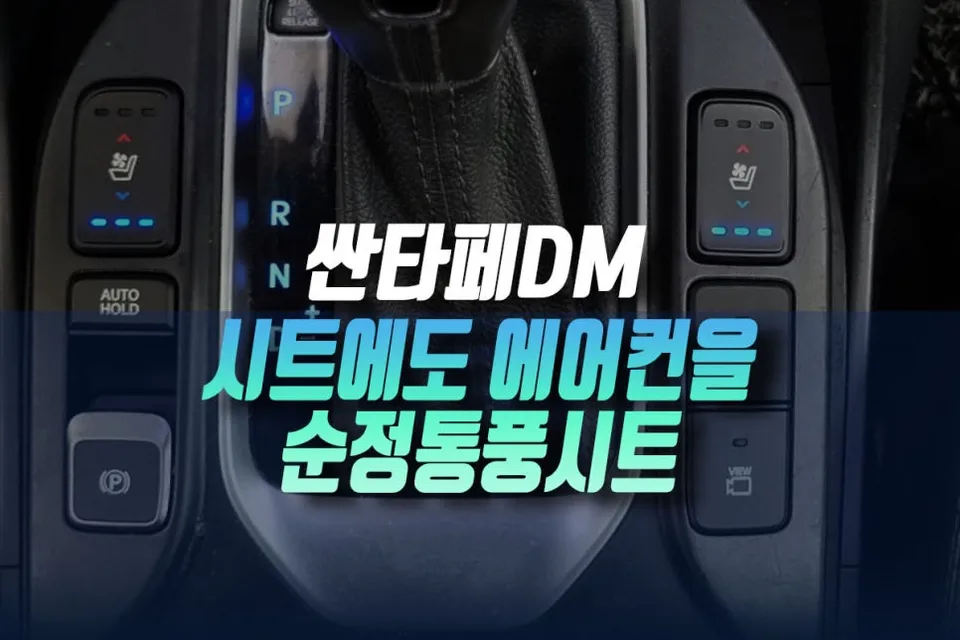
After
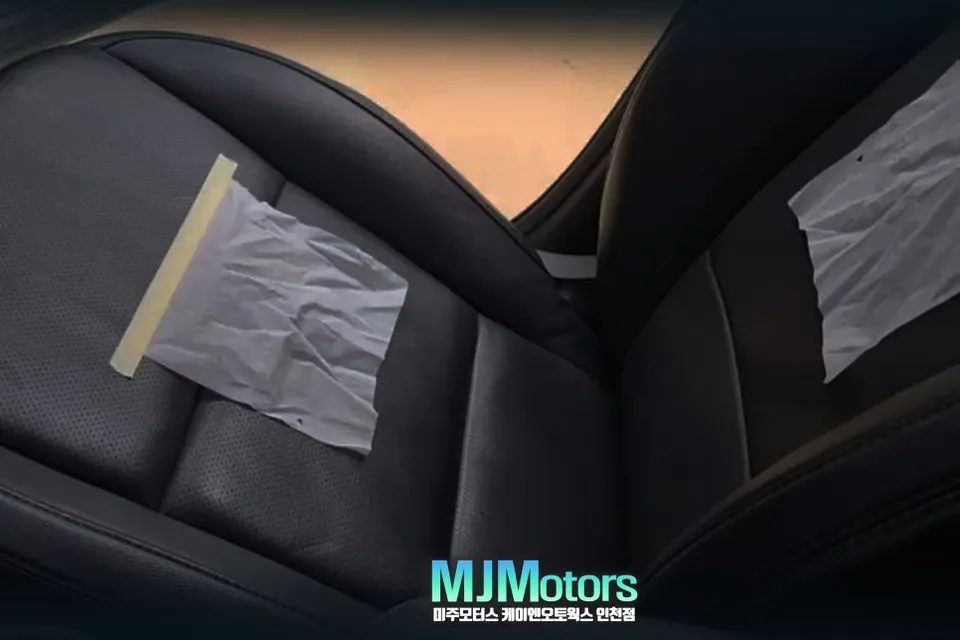
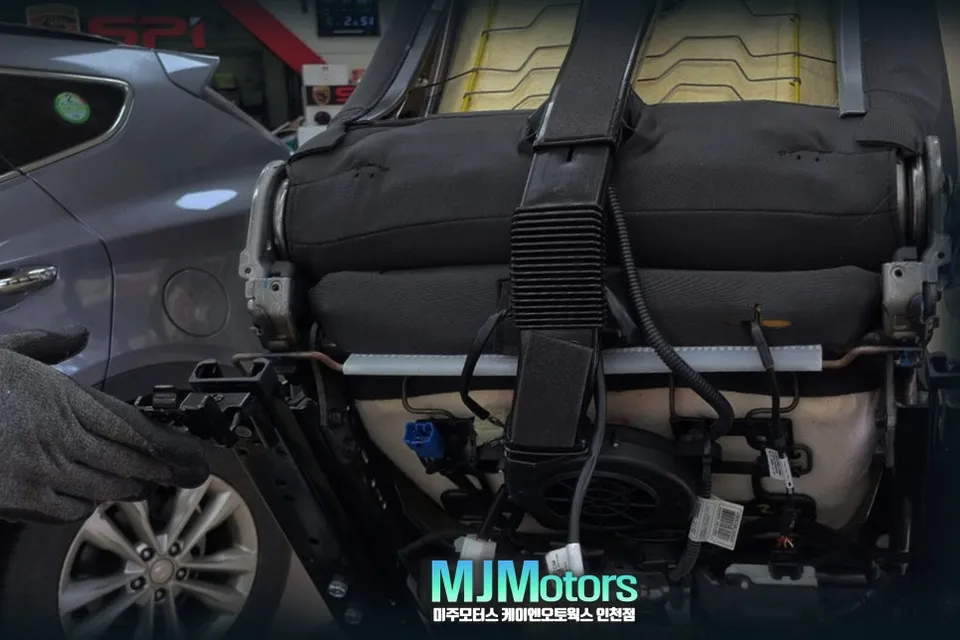
Process photos
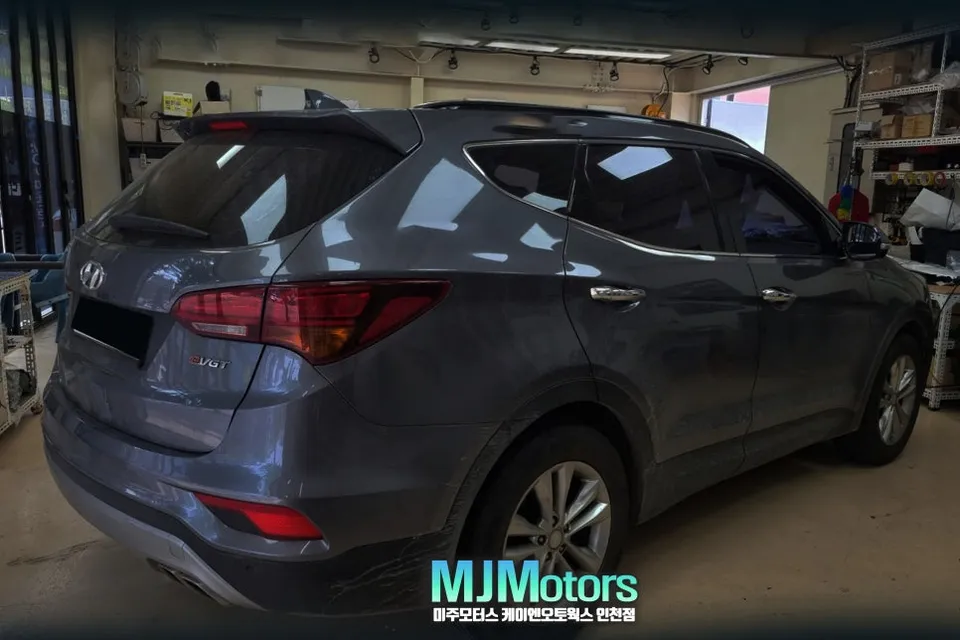
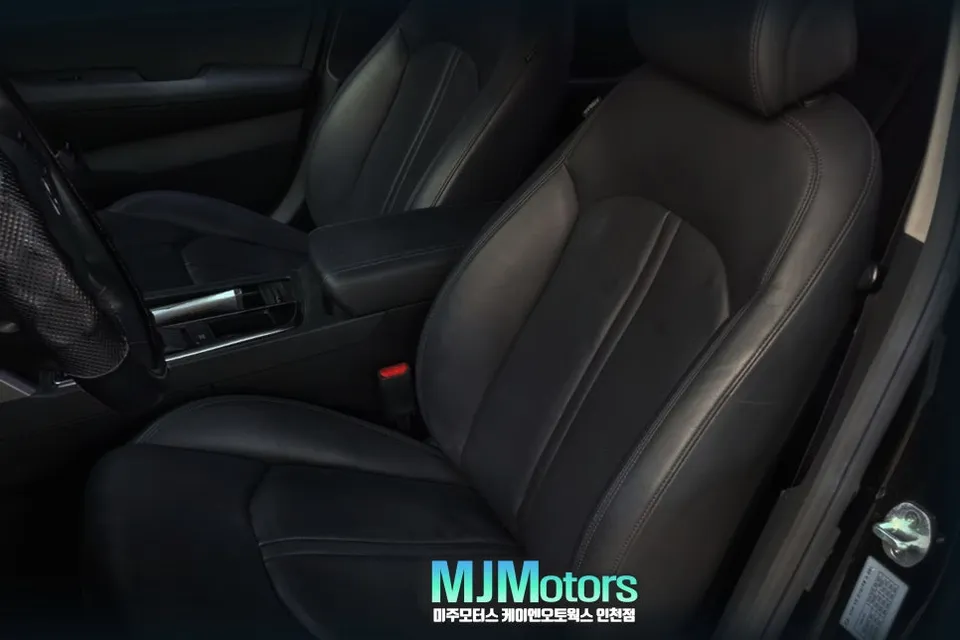
Hyundai Santa Fe ventilated seat retrofit: ~700,000 KRW. Genuine parts ensure factory-like comfort and durability.
Enhancing Your Hyundai Santa Fe with Seat Climate Control
Many drivers seek to improve their in-car comfort, and for the Hyundai Santa Fe, adding or upgrading seat ventilation and heating is a popular choice. This review details a genuine installation of OEM ventilated seats for a Santa Fe DM diesel model, focusing on the process, results, and overall value. While this specific work was performed in Korea, the insights into installation, cost, and benefits are relevant for owners considering a similar seat climate upgrade.
The Installation Process and Materials
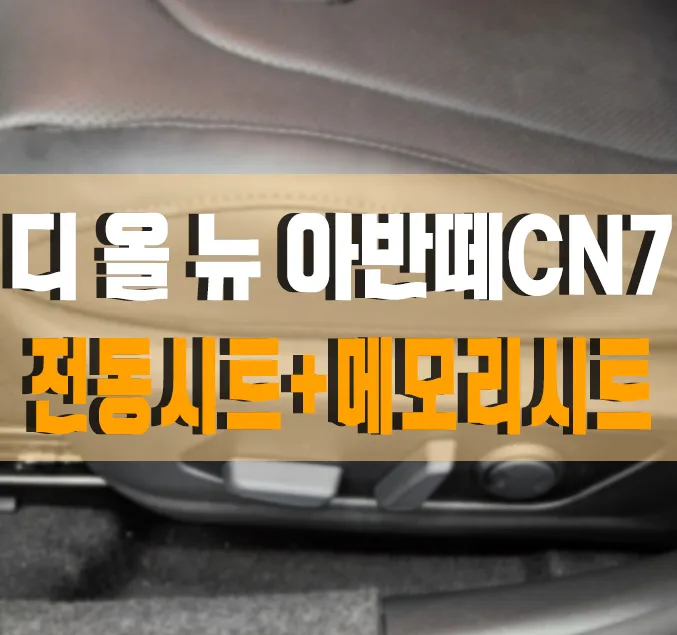
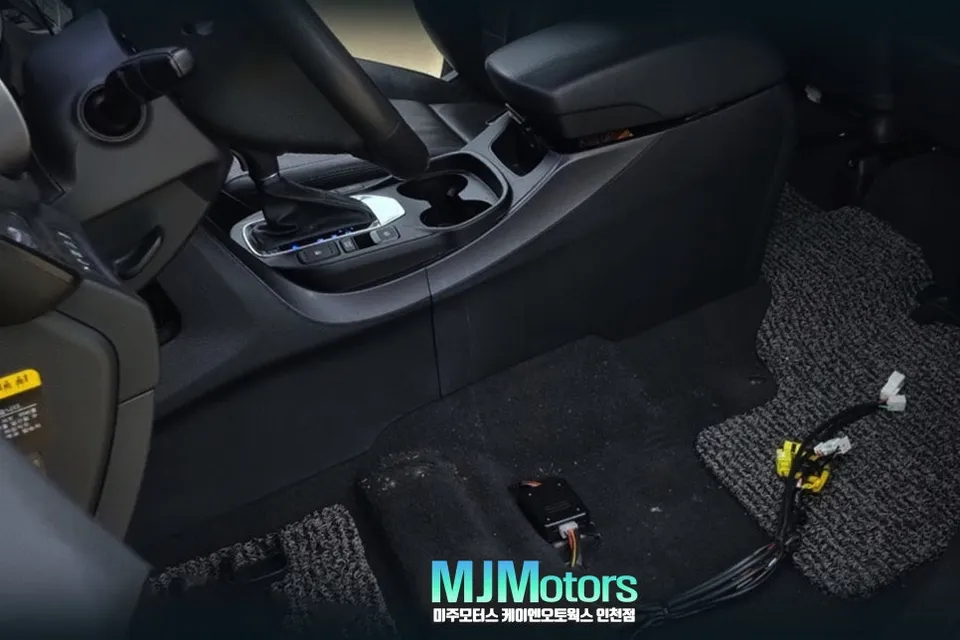
The goal was to achieve factory-level functionality, mimicking the original ventilated seats found in higher trims. This involved using genuine Hyundai Mobis parts, ensuring compatibility and a seamless integration with the vehicle's existing electrical system. The process isn't a simple bolt-on; it requires careful disassembly of the original seats to integrate the new ventilation components. This includes installing the blower fans, ducting, and the necessary wiring harnesses. The control switches are also upgraded to the factory style, allowing for intuitive operation of both heating and cooling functions. The result is a clean, factory-integrated look and feel, indistinguishable from original equipment.
Installation process:
- Seat disassembly to access the seat base and backrest.
- Integration of ventilation fans and air channels within the seat structure.
- Installation of the required wiring harness connecting to the vehicle's power and control modules.
- Replacement of seat control switches with OEM units that support ventilation and heating.
- Reassembly of the seats to their original condition.
Before and After Results: Comfort and Durability
The most significant change is the dramatically improved comfort, especially during warmer months. The ventilated seats provide a consistent flow of air, preventing the discomfort of a hot, sticky seat. The heating function offers rapid warmth on cold days. The use of genuine parts ensures that the durability and longevity are on par with factory-installed systems. Maintenance is minimal; typically, keeping the seat perforations clear of debris is sufficient. The overall aesthetic remains unchanged, preserving the interior's original look while adding significant functional value. For Santa Fe owners who experience extreme temperatures, this seat climate upgrade offers a substantial improvement in daily driving experience.
Is a Seat Climate Upgrade Worth It for Your Santa Fe?
Deciding whether to retrofit ventilated and heated seats involves weighing the cost against the benefits. For this Hyundai Santa Fe DM diesel, the cost of the genuine parts and installation was approximately 700,000 KRW (around $500 USD at the time of the review, though exchange rates fluctuate). This price point positions it as a significant investment, but one that delivers a premium comfort feature often missing in standard trims. If you frequently drive in hot or cold weather, or if you simply value enhanced comfort, the upgrade can be well worth the expense. It transforms the driving experience, making long journeys more pleasant and daily commutes more comfortable. The key is to opt for genuine parts and professional installation to ensure reliability and a factory-like finish.
Frequently Asked Questions
Q. How much does ventilated seat installation cost for a Hyundai Santa Fe?
The genuine installation for this Hyundai Santa Fe cost approximately 700,000 KRW (around $500 USD). Typical US installation costs for aftermarket ventilated seats can range from $400 to $1000 depending on the vehicle and system chosen.
Q. How long does seat ventilation installation take on a Hyundai Santa Fe?
Durability is high when using genuine parts, comparable to factory-installed systems. Regular maintenance involves ensuring seat perforations remain clear of debris to maintain airflow.
Q. Are aftermarket ventilated seats worth it for a Hyundai Santa Fe?
Ventilated seats are most beneficial for drivers frequently experiencing extreme heat or cold, significantly enhancing comfort. The value proposition lies in adding a premium feature that elevates the daily driving experience.
Q. How are ventilated seats installed in a Hyundai Santa Fe?
Installation involves disassembling the original seats to integrate ventilation fans and air channels. A new wiring harness is connected, and OEM control switches are fitted for operation.
Q. What is the difference between OEM and aftermarket ventilated seats for a Hyundai Santa Fe?
OEM (Original Equipment Manufacturer) parts offer guaranteed compatibility and a factory finish, whereas aftermarket options may vary in quality and integration. For the best results and durability, OEM is generally recommended.
OhCar Partner Shop