Mercedes-Benz E300 Ventilated Seats Review: Cost & Results
Service Price
$40–80
Estimated price · Actual price may vary by shop
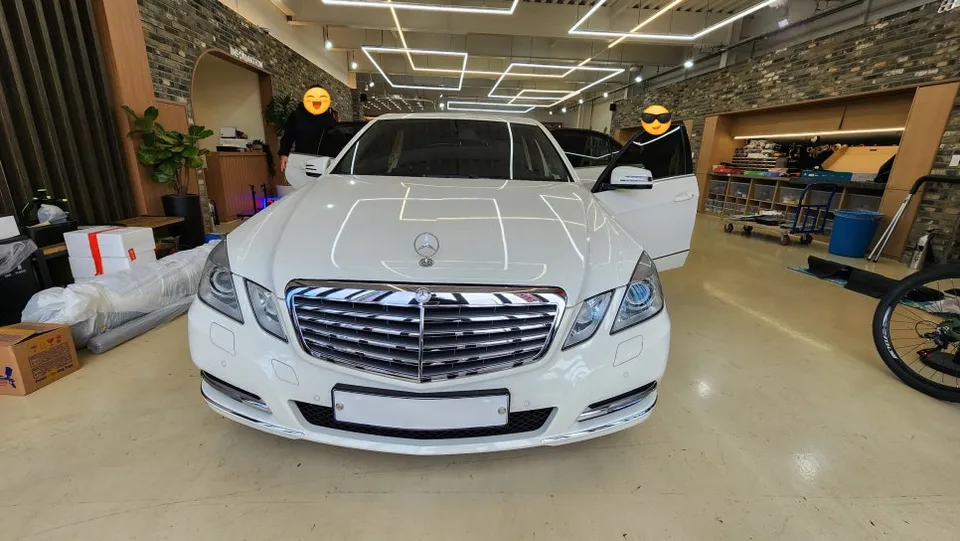
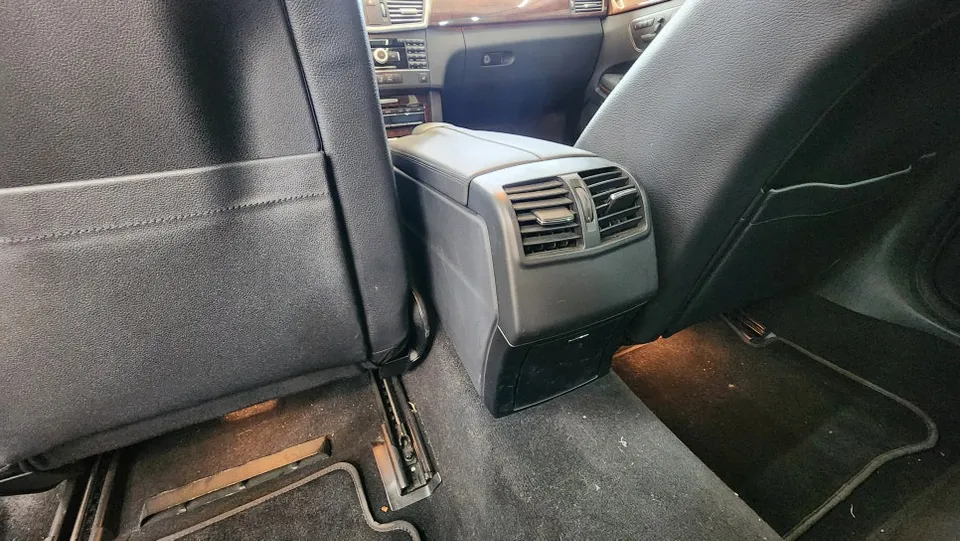
Mercedes-Benz E300 rear seat climate upgrade: 300k-600k KRW ($220-$440 USD). Enhances rear passenger comfort significantly.
Enhancing Your Mercedes-Benz E300's Comfort with Seat Climate Control
Is the chill of sudden cold snaps making the rear seats of your Mercedes-Benz E300 feel uncomfortably bare? Many E300 owners find that the rear seating lacks the climate control features found in the front, leaving passengers exposed to the elements. Adding a seat ventilation and heating system to your E300's rear seats can significantly elevate the comfort for everyone on board, transforming your driving experience. This upgrade is a popular choice for those looking to add a touch of luxury and thoughtful consideration for their passengers.
The Seat Ventilation & Heating Installation Process
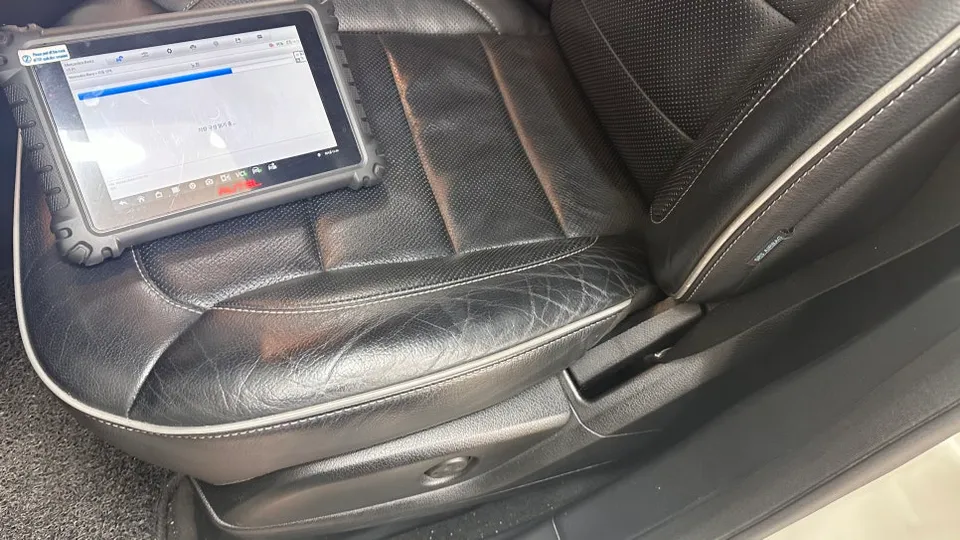
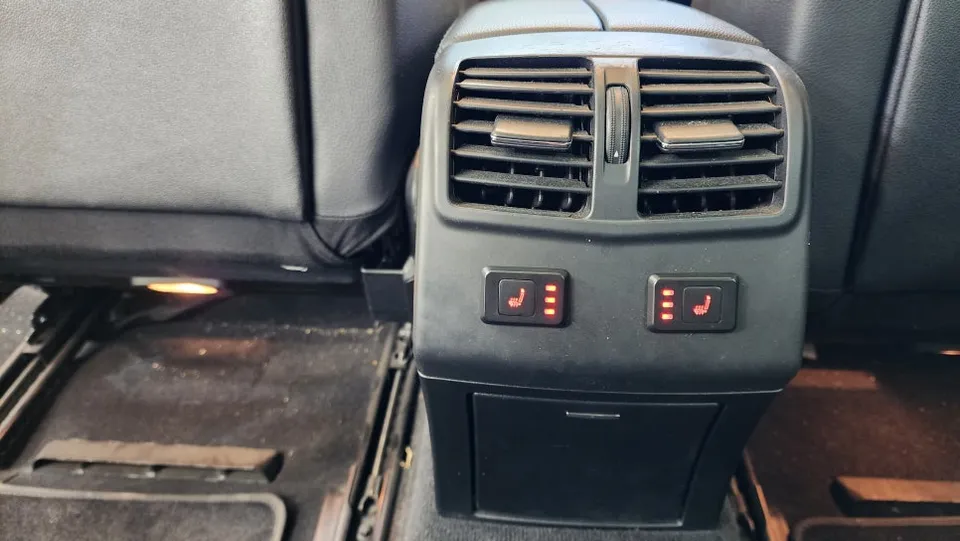
Installing a seat climate upgrade in a Mercedes-Benz E300 requires precision and expertise. The process typically involves carefully removing the seat covers to precisely affix heating and ventilation pads. For comprehensive coverage, four pads are usually installed—two for the seat base and two for the backrest—ensuring rapid and even temperature distribution. Following the pad installation, intricate wiring is completed to integrate a user-friendly digital switch, allowing for 3-stage temperature control while maintaining the seat's original aesthetic. The entire installation usually takes between 3 to 4 hours.
Key Considerations for Durability and Safety:
When opting for a seat climate upgrade, prioritizing safety and longevity is crucial. Low-quality heating pads can pose risks of overheating or malfunction, potentially leading to hazardous situations. It is highly recommended to choose products that are manufactured domestically and have received safety certifications. Reputable installers ensure that only reliable, certified components are used, safeguarding your investment and vehicle.
Benefits and Usage of Your New Seat Climate System
The newly installed digital switches for your ventilated and heated seats are typically positioned within easy reach of the driver, allowing for convenient adjustments. With three distinct temperature settings, you can easily adapt to changing weather conditions, ensuring optimal comfort whether it's a chilly morning or a warm afternoon. The system efficiently distributes warmth from the back down to the thighs, making even the coldest winter drives pleasant. The expected lifespan for these systems is generally between 3 to 5 years, though higher-grade components may offer extended durability.

Understanding the Cost and Value of Seat Climate Upgrades
The cost for retrofitting rear heated and ventilated seats in a Mercedes-Benz E300 can range from approximately 300,000 to 600,000 Korean Won (roughly $220 - $440 USD, based on current exchange rates). The final price is influenced by several factors, including the extent of the installation (e.g., seat base only vs. seat base and backrest), the quality and grade of the heating/ventilation pads used, and the labor charges at the specific installation facility. Opting for a more integrated digital switch design, similar to factory controls, may also add to the overall cost. For the most accurate pricing, it's best to consult directly with an installer after they have assessed your vehicle.
Frequently Asked Questions about Seat Ventilation & Heating
Q. How much does ventilated seat installation cost for a Mercedes-Benz E300?
A. In Korea, the typical cost for retrofitting rear heated and ventilated seats in a Mercedes-Benz E300 ranges from 300,000 to 600,000 KRW (approx. $220-$440 USD). In the US, you can expect similar installations to cost between $400 and $800, depending on the provider and specific features.
Q. How long does seat ventilation installation take on a Mercedes-Benz E300?
A. The installation process for seat climate control systems typically takes around 3 to 4 hours to complete. To ensure longevity, regular checks for any unusual noises or performance changes are recommended.
Q. Are aftermarket ventilated seats worth it for a Mercedes-Benz E300?
A. Aftermarket ventilated and heated seats are highly recommended for Mercedes-Benz E300 owners who frequently carry rear passengers and desire enhanced comfort. The significant improvement in passenger experience often justifies the investment.
Q. How are ventilated seats installed in a Mercedes-Benz E300?
A. Installation involves removing seat covers, precisely attaching heating and ventilation pads to the seat base and backrest, and completing the necessary wiring for a digital control switch. The system is then tested to ensure proper function and even temperature distribution.
Q. What is the difference between OEM and aftermarket ventilated seats for a Mercedes-Benz E300?
A. OEM (Original Equipment Manufacturer) seats are factory-installed and seamlessly integrated, often at a higher initial cost. Aftermarket installations, like the one described, offer a more budget-friendly way to add similar functionality, though integration might be less seamless.
Frequently Asked Questions
Q. How much does ventilated seat installation cost for a Mercedes-Benz E300?
In Korea, the typical cost for retrofitting rear heated and ventilated seats in a Mercedes-Benz E300 ranges from 300,000 to 600,000 KRW (approx. $220-$440 USD). In the US, you can expect similar installations to cost between $400 and $800, depending on the provider and specific features.
Q. How long does seat ventilation installation take on a Mercedes-Benz E300?
The installation process for seat climate control systems typically takes around 3 to 4 hours to complete. To ensure longevity, regular checks for any unusual noises or performance changes are recommended.
Q. Are aftermarket ventilated seats worth it for a Mercedes-Benz E300?
Aftermarket ventilated and heated seats are highly recommended for Mercedes-Benz E300 owners who frequently carry rear passengers and desire enhanced comfort. The significant improvement in passenger experience often justifies the investment.
Q. How are ventilated seats installed in a Mercedes-Benz E300?
Installation involves removing seat covers, precisely attaching heating and ventilation pads to the seat base and backrest, and completing the necessary wiring for a digital control switch. The system is then tested to ensure proper function and even temperature distribution.
Q. What is the difference between OEM and aftermarket ventilated seats for a Mercedes-Benz E300?
OEM (Original Equipment Manufacturer) seats are factory-installed and seamlessly integrated, often at a higher initial cost. Aftermarket installations, like the one described, offer a more budget-friendly way to add similar functionality, though integration might be less seamless.
OhCar Partner Shop