Hyundai Santa Fe TM Body Kit Review: Cost & Installation
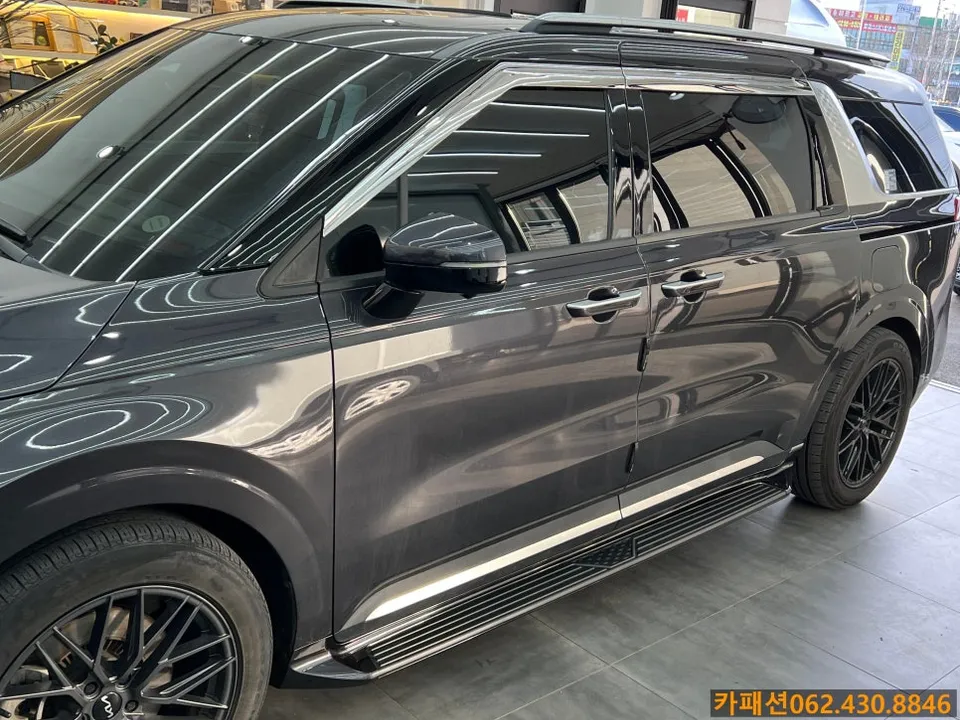
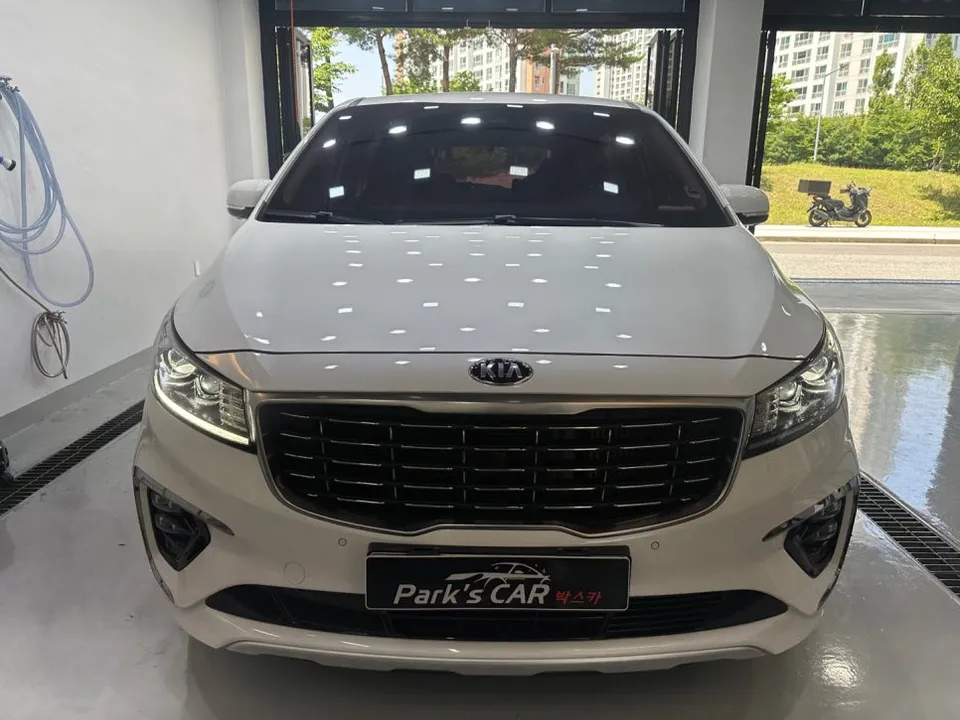
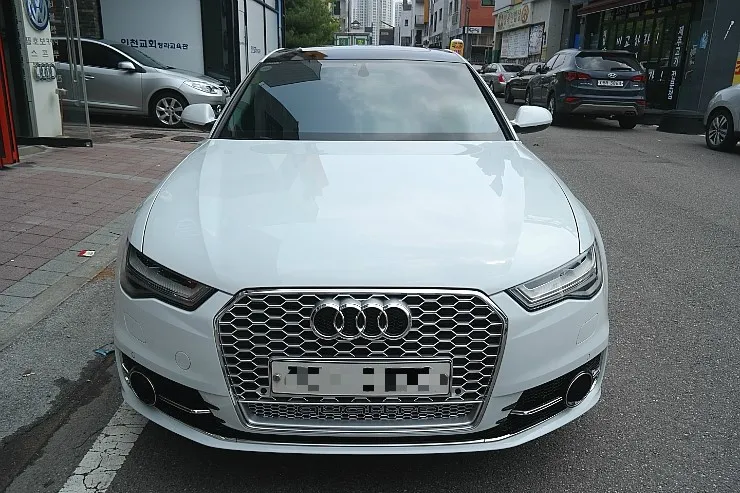
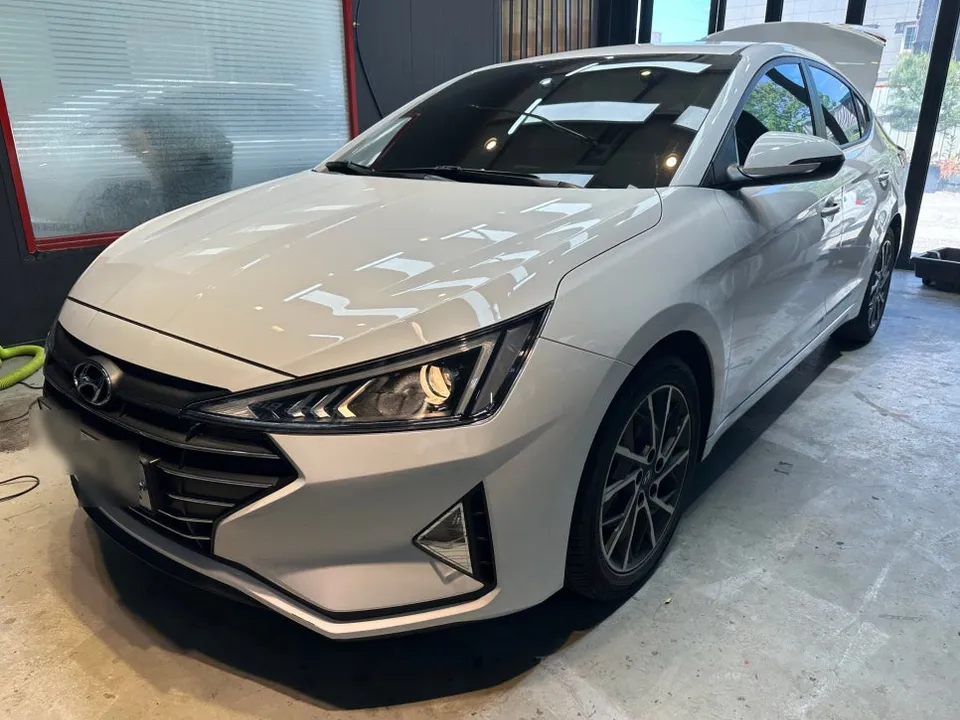
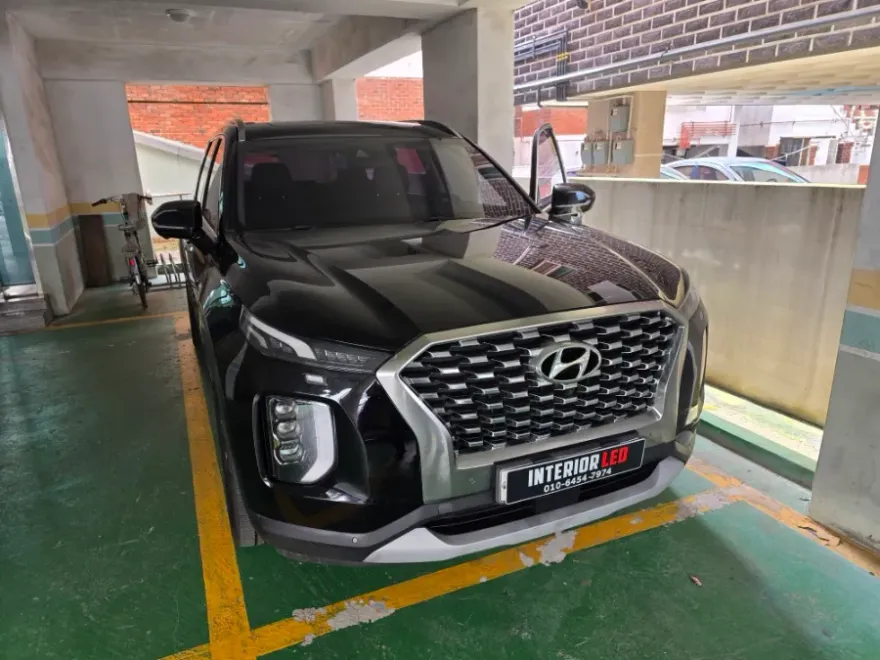
Before
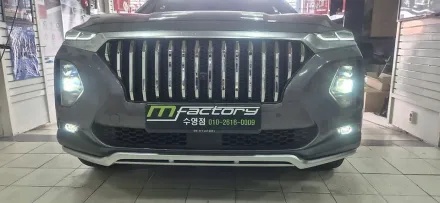
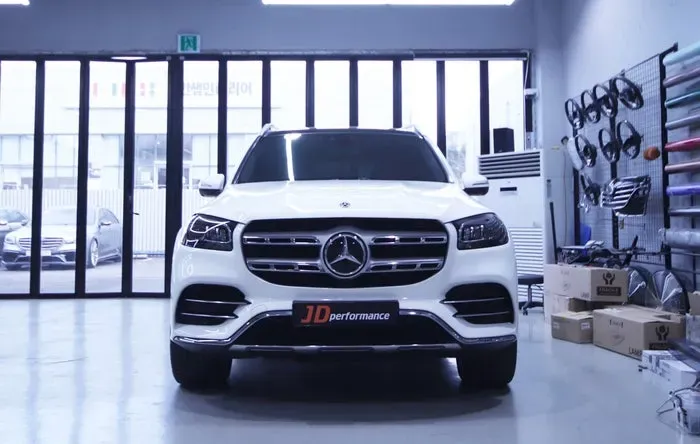
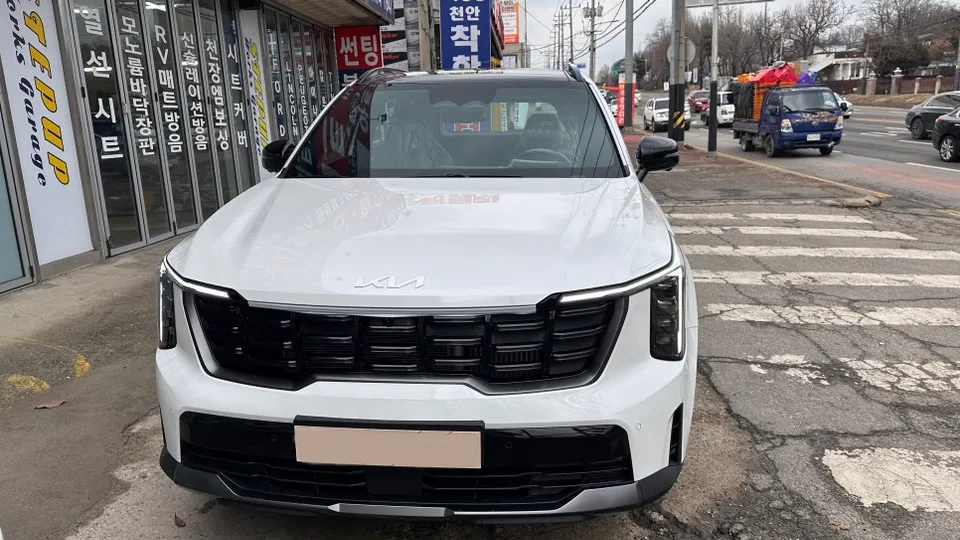
After
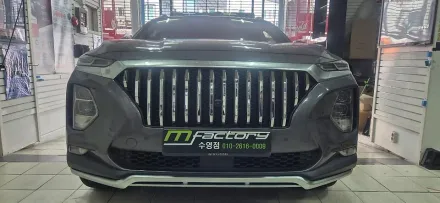
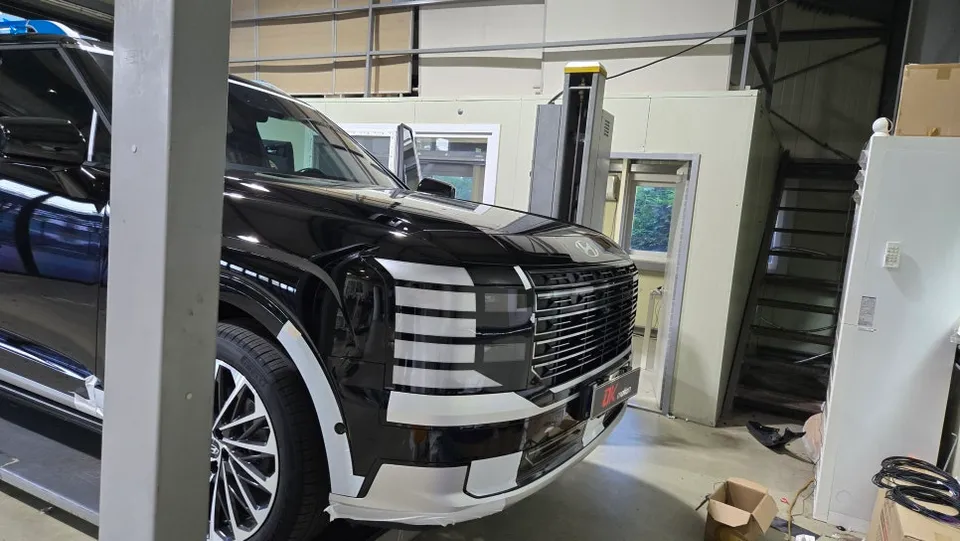
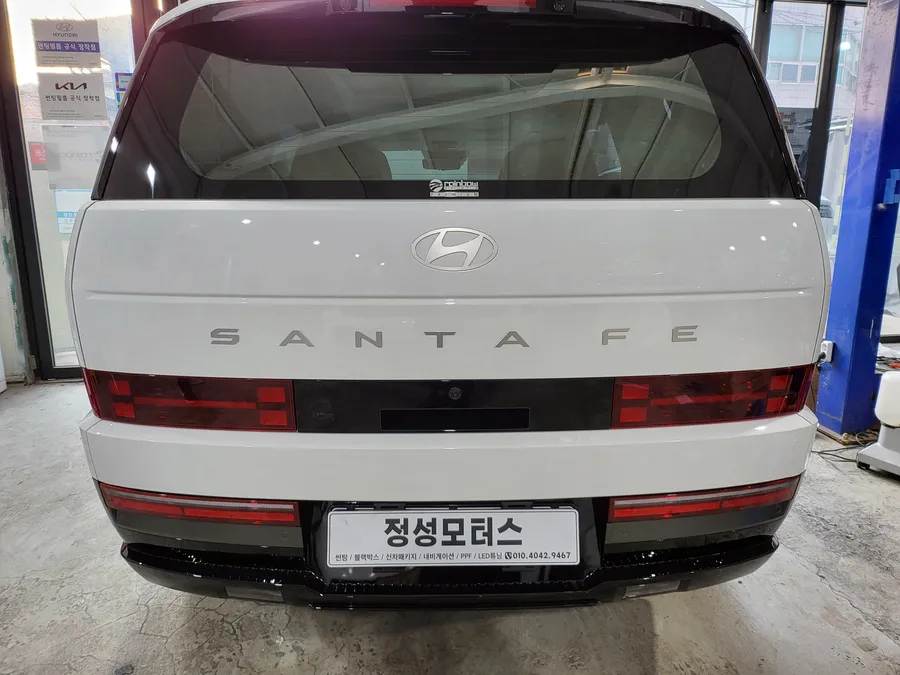
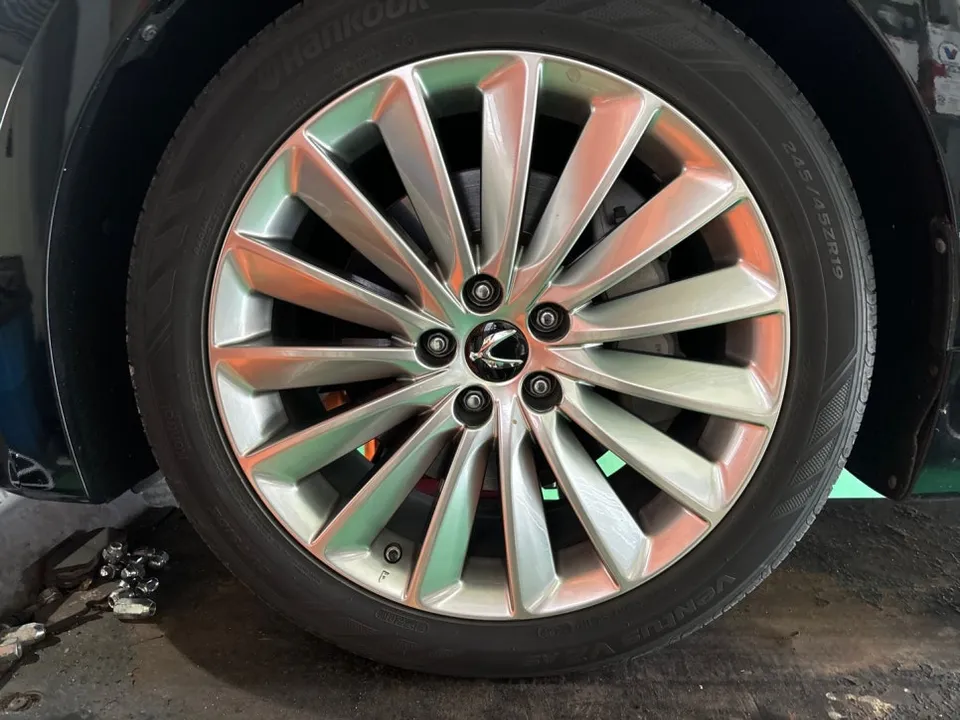
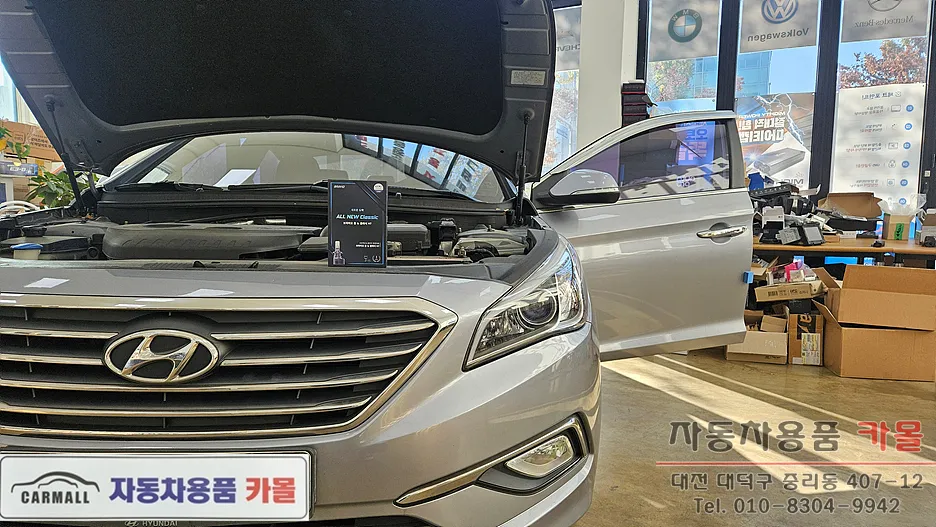
Process photos
Hyundai Santa Fe TM body kit installation costs vary. Expect ₩1M-3M for parts + ₩300K-800K for install. Enhances sporty look.
Hyundai Santa Fe TM Body Kit Installation and Review
This review covers the installation of a body kit for the Hyundai Santa Fe TM, focusing on the aesthetic enhancements and practical considerations. While the original context mentions specific parts like the Cayman Serogril, genuine fog lights, and skid plates, we'll discuss the general process and benefits of adding an aero kit to your Santa Fe TM. This upgrade can significantly alter the vehicle's appearance, giving it a sportier or more aggressive stance.
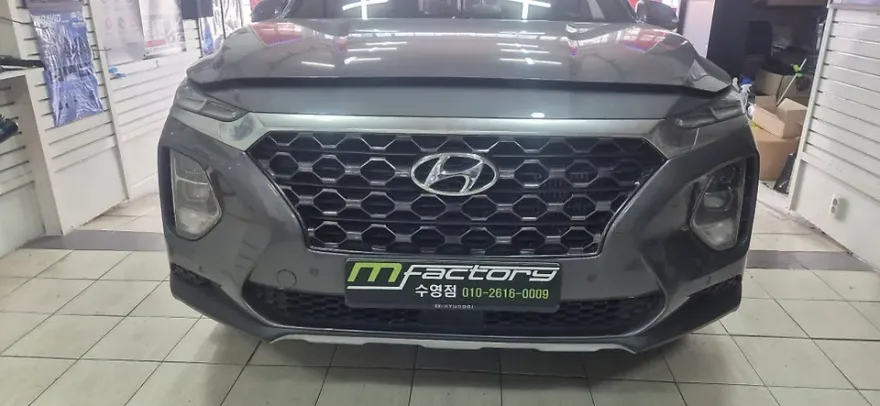
Body Kit Cost and Components
The cost of a body kit for a Hyundai Santa Fe TM can vary widely depending on the brand, material, and complexity of the kit. Generally, you can expect to pay anywhere from ₩1,000,000 to ₩3,000,000 (approximately $750 to $2,250 USD) for the parts alone. Installation costs are additional and can range from ₩300,000 to ₩800,000 (approximately $225 to $600 USD), depending on the installer and the specific kit. Materials commonly used include fiberglass-reinforced plastic (FRP) and polyurethane. FRP kits are often more affordable but can be more brittle and prone to cracking. Polyurethane kits are more flexible, durable, and impact-resistant, making them a better long-term investment, though they typically come at a higher price point.
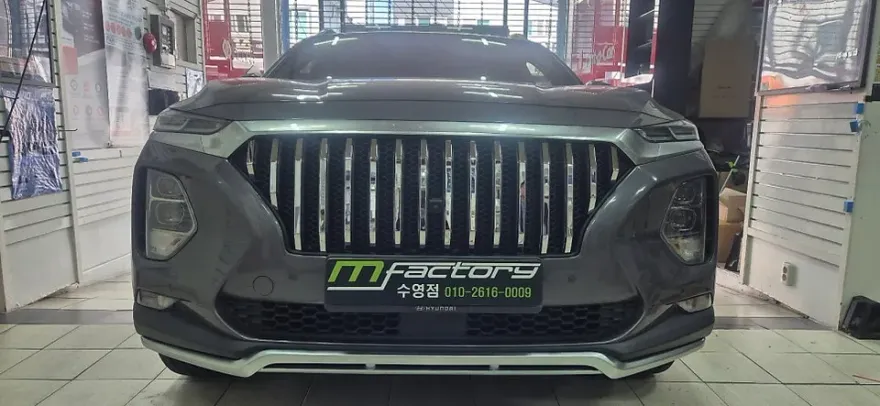
Installation Process and Durability
Body kit installation involves carefully fitting and securing new exterior components like front lips, side skirts, and rear diffusers. The process requires precision to ensure a seamless look and proper alignment with the existing body panels. Professional installation is highly recommended to avoid damage and ensure a factory-like finish. Durability depends heavily on the material and the quality of the installation. Well-maintained polyurethane kits can last for many years, resisting minor impacts and weather changes. Regular cleaning and waxing can help preserve the finish and prevent degradation. However, aggressive driving or impacts can still lead to damage, requiring repairs or replacement of specific parts.
Installation Process:
- Surface Preparation: The existing bumpers and side panels are thoroughly cleaned and degreased. Any imperfections are addressed, and the mounting areas are prepared for adhesion and fastening.
- Component Fitting: Each body kit component (front lip, side skirts, etc.) is test-fitted to ensure perfect alignment and fitment. Minor adjustments may be made if necessary.
- Attachment: Components are securely attached using a combination of automotive-grade adhesives, bolts, and clips, depending on the kit's design and manufacturer recommendations.
- Finishing: After installation, the kit may be painted to match the vehicle's color code or finished in a contrasting style. The final result is a cohesive and integrated look.
The before and after results of a body kit installation can be dramatic. The Santa Fe TM can transform from a family-oriented SUV to a more aggressive, sporty-looking vehicle. The added aero elements can enhance the vehicle's visual appeal, giving it a lower, wider stance. While the primary benefit is aesthetic, some aero kits may offer minor aerodynamic improvements, though this is usually secondary for most owners.
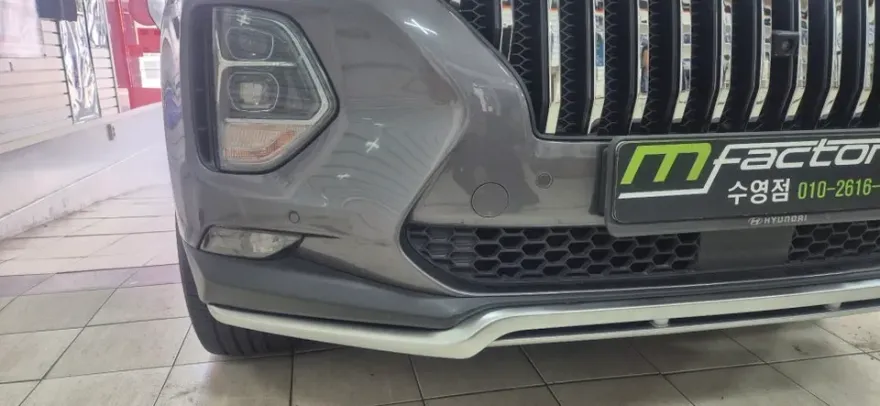
Frequently Asked Questions
Q. How much does a body kit cost for a Hyundai Santa Fe TM?
The body kit parts for a Hyundai Santa Fe TM typically range from ₩1,000,000 to ₩3,000,000 (approx. $750-$2,250 USD), with installation adding another ₩300,000 to ₩800,000 (approx. $225-$600 USD).
Q. How long does body kit installation take on a Hyundai Santa Fe TM?
While the installation itself might take a day or two, the durability of a well-installed body kit can last for many years with proper care. Regular washing and waxing are key maintenance tips to keep it looking its best.
Q. Is a body kit worth it for a Hyundai Santa Fe TM?
A body kit is most worth it for Santa Fe TM owners seeking a significant aesthetic upgrade and a more aggressive, sporty appearance. The value lies in the dramatic visual transformation it provides.
Q. How is a body kit installed on a Hyundai Santa Fe TM?
Installation involves preparing the vehicle's surface, test-fitting each component for precise alignment, and then securely attaching them using automotive adhesives and fasteners. Finally, the kit is often painted to match the vehicle's color.
Q. What is the difference between FRP and polyurethane body kits for a Hyundai Santa Fe TM?
Polyurethane kits are more flexible and impact-resistant, offering better durability and longevity compared to FRP kits, which are typically more affordable but can be brittle. For most owners, polyurethane is the recommended choice for its resilience.
OhCar Partner Shop