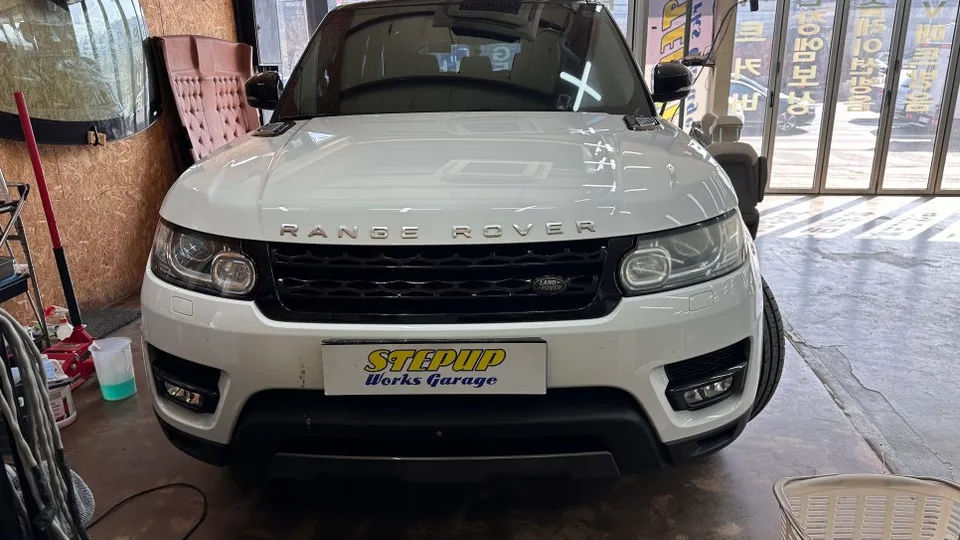
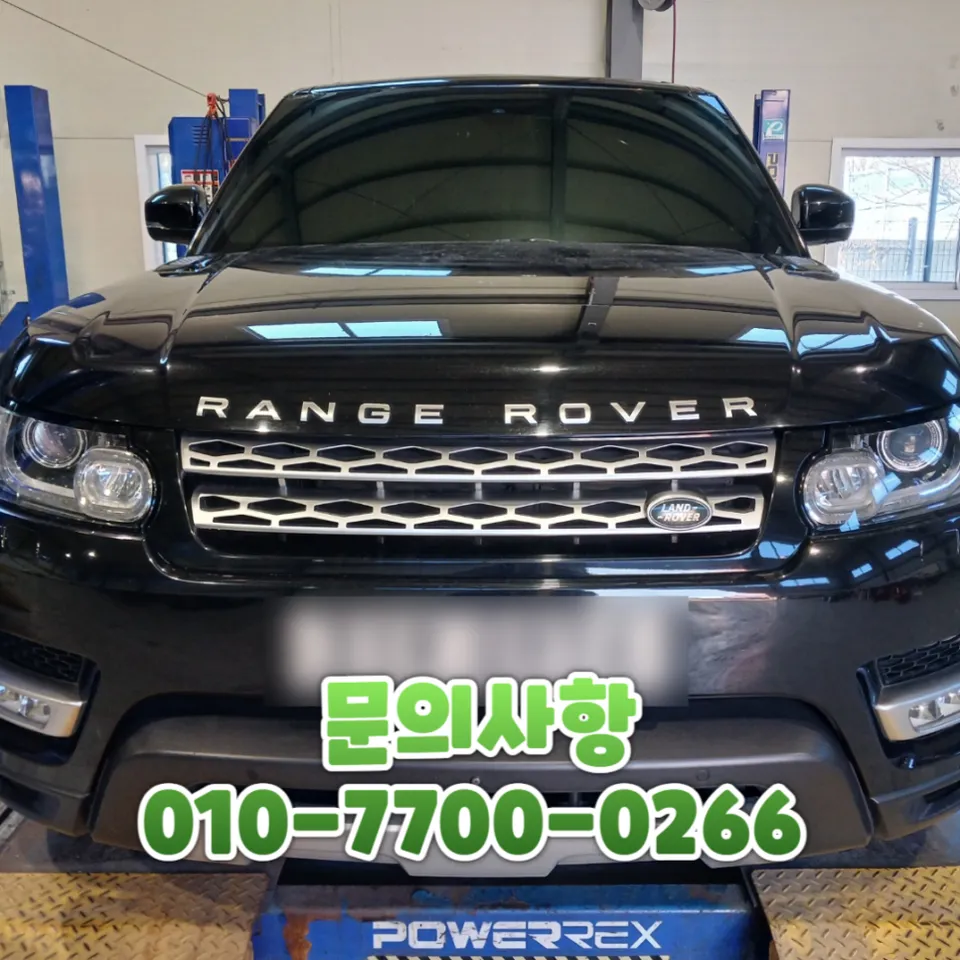
Land Rover Range Rover Sport Body Kit Review — Cost & Results
Service Price
$150+
Estimated price · Actual price may vary by shop
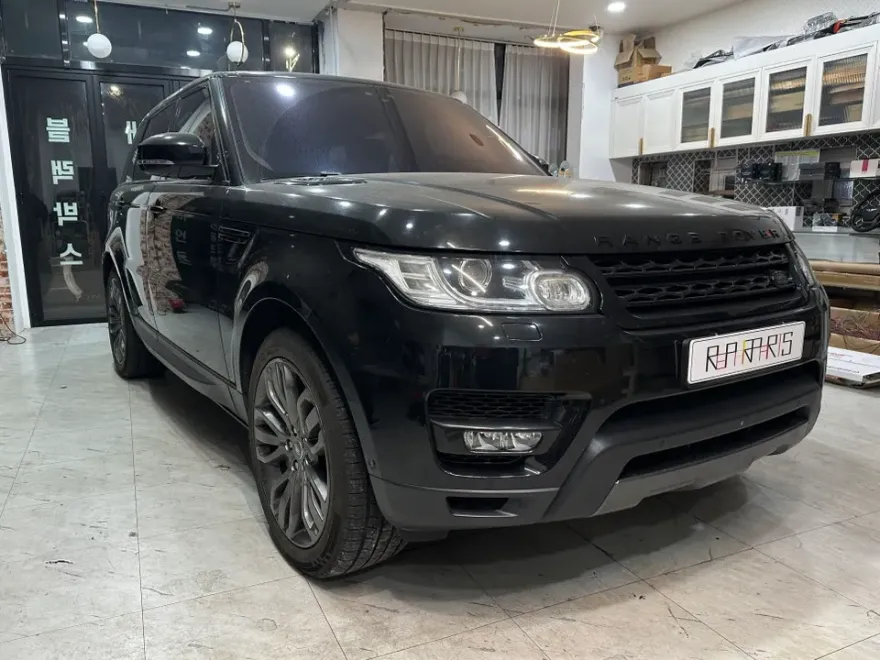
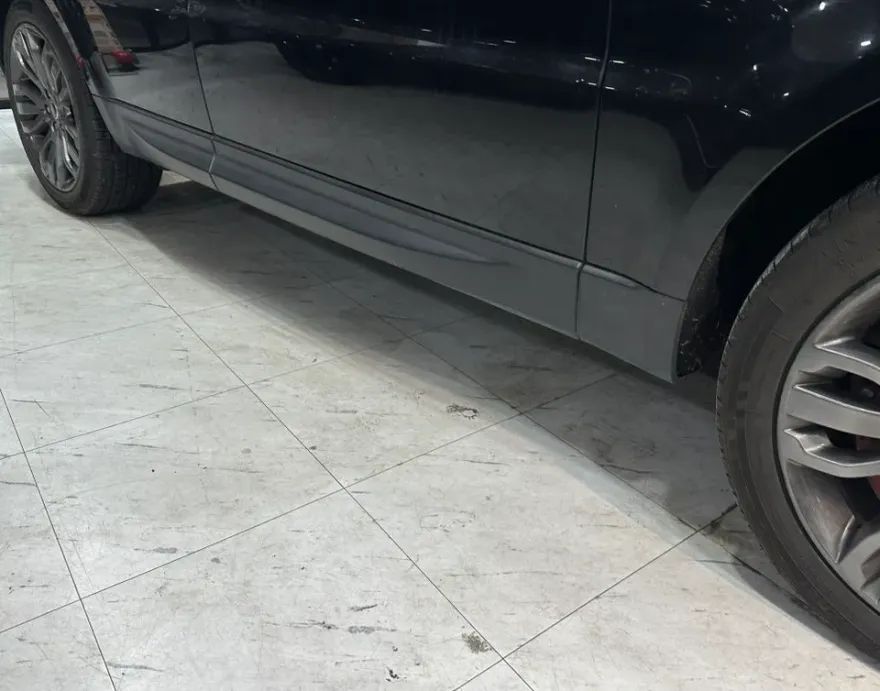
Range Rover Sport body kit installation: Costs vary widely. Enhances style and accessibility. Durability depends on material and maintenance.
Enhancing Your Land Rover Range Rover Sport with a Body Kit
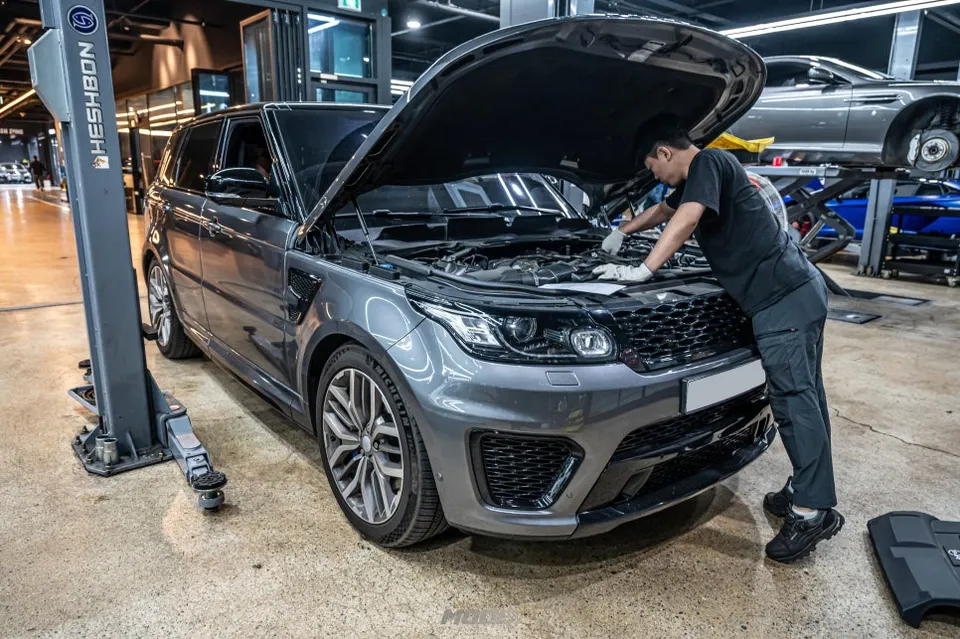
The Land Rover Range Rover Sport is renowned for its commanding presence and luxurious interior. However, its elevated stance, while contributing to its imposing look, can sometimes make ingress and egress a challenge, particularly for shorter individuals, the elderly, or those less mobile. This is where an aftermarket body kit, specifically focusing on enhancements like side steps, can significantly improve practicality without compromising the vehicle's sophisticated aesthetic. While the original Korean context focused on powered side steps, the concept of enhancing accessibility and style with body kit components is universal. This review explores the potential benefits, installation process, and overall value of adding such enhancements to your Range Rover Sport.
Why Consider a Body Kit for Your Range Rover Sport?
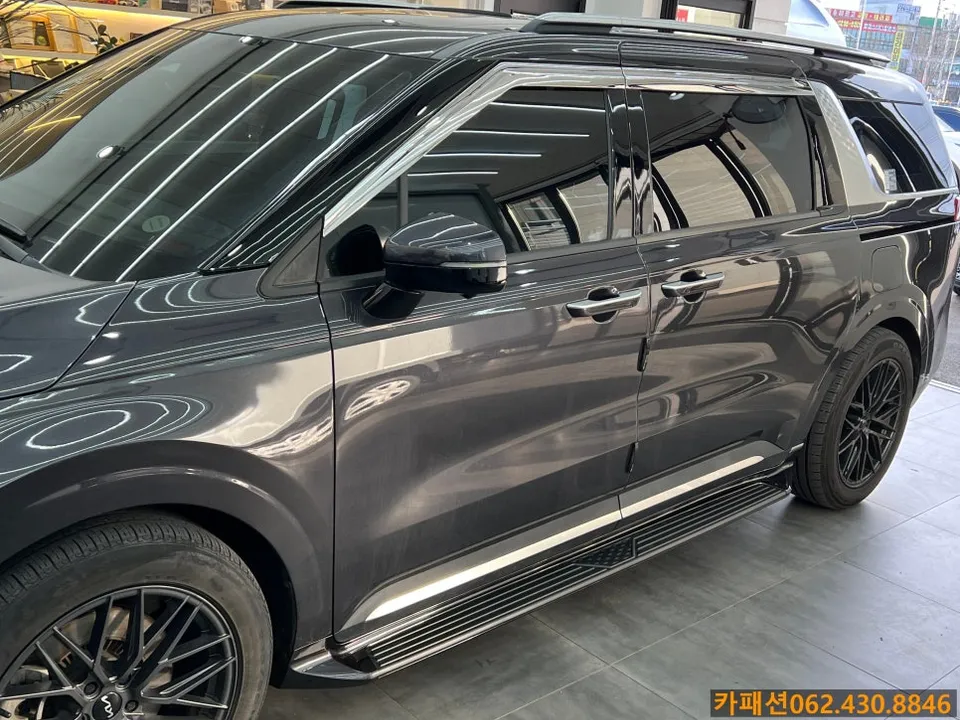
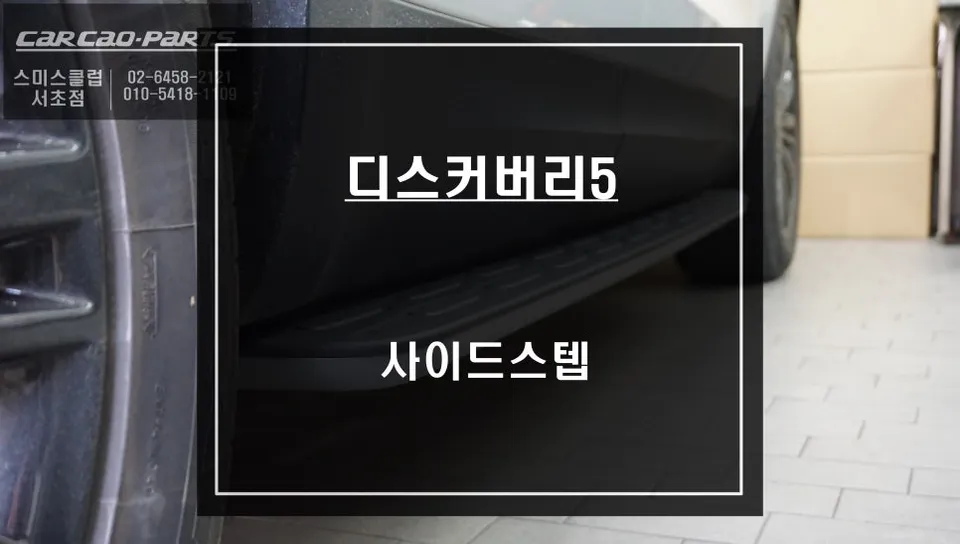
While a full body kit can encompass front lips, side skirts, and rear diffusers, a common and highly practical addition for vehicles like the Range Rover Sport is an enhanced side step system. The high ride height of the Range Rover Sport, a hallmark of its off-road capability and commanding road presence, can be a barrier for some. Powered side steps, as detailed in the original context, offer a seamless solution. When the doors are closed, they retract to maintain the vehicle's clean lines, appearing almost as a factory-fitted option. Upon opening the door, they automatically deploy, providing a stable and convenient step. This integration is crucial for maintaining the premium feel of the Range Rover Sport, offering functionality that complements its design rather than detracting from it. Unlike fixed steps, powered versions offer a wider, more accessible platform and preserve the vehicle's ground clearance when not in use.
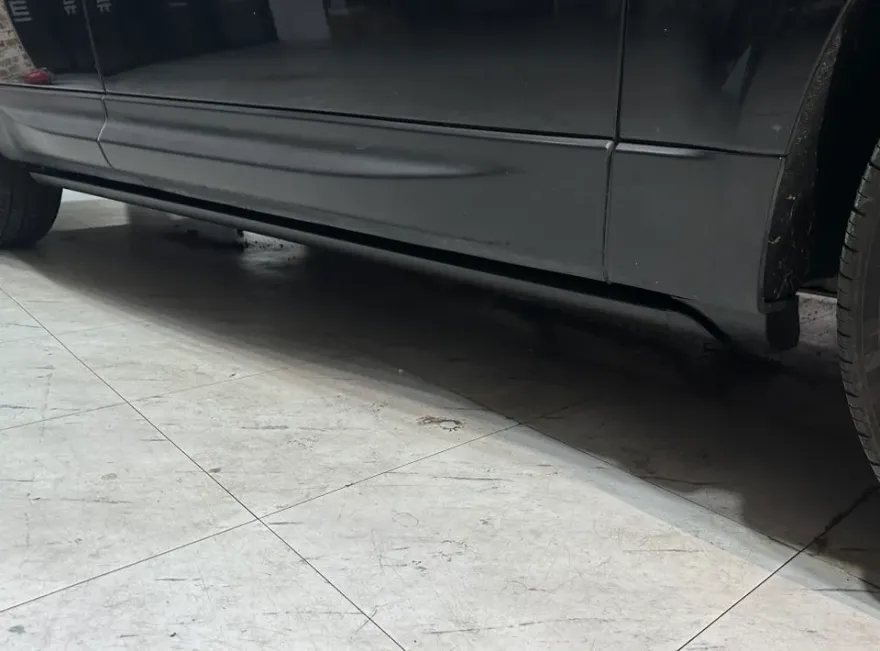
Body Kit Installation: Process, Cost, and Durability
The installation of powered side steps, a key component often included in or associated with body kit upgrades, typically requires professional attention. Based on the provided context, a typical installation can take around 4 hours. The cost can vary significantly, generally starting in the range of 3 million Korean Won (approximately $2,200 USD, though this is a rough estimate and actual US pricing will differ). Factors influencing the final body kit cost include the specific brand and features of the side steps (like LED lighting), the model year of your Range Rover Sport, and the labor rates at the installation facility. For a comprehensive understanding of body kit installation costs in the US, it's advisable to consult local specialists, as prices can range from $150+ for simpler aero parts like front lips to several thousand dollars for full kits or complex powered systems.
Durability is a critical consideration. High-quality body kit components, including side steps, are designed to withstand daily use and varying weather conditions. The powered side steps mentioned are built to support up to 300kg, indicating robust construction. Proper maintenance, such as regular cleaning and ensuring the mechanisms are free from debris, will help maintain their functionality and appearance over time. When considering materials, options like fiberglass-reinforced plastic (FRP) are common for body kits, offering a balance of cost and formability, while polyurethane provides greater flexibility and impact resistance, often preferred for its durability in daily use.
Installation Process:
- Preparation: The vehicle's undercarriage and designated mounting points are cleaned and prepared.
- Mounting: Brackets are securely attached to the vehicle's frame or chassis.
- Component Attachment: The side steps or body kit elements are carefully mounted onto the brackets.
- Wiring (for powered systems): Electrical connections are made to the vehicle's power source and door sensors.
- Testing & Finishing: All components are tested for proper function, alignment, and security, with any necessary adjustments made.
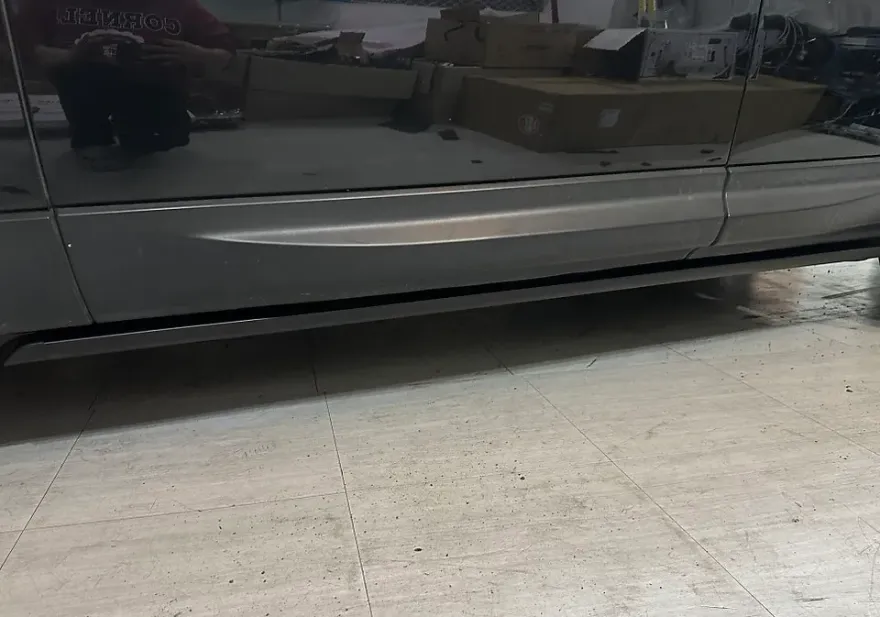
Before and after results are often dramatic, transforming the vehicle's profile. A well-integrated body kit can enhance the aggressive or luxurious stance of the Range Rover Sport, while functional additions like side steps improve usability. The decision to invest in a body kit should weigh the aesthetic improvements and added functionality against the installation cost and potential maintenance requirements.
Frequently Asked Questions
Q. How much does a body kit cost for a Land Rover Range Rover Sport?
The installation described in the source context started around 3 million KRW (approx. $2,200 USD), but US prices for body kits can range from $150+ for simple aero parts to several thousand dollars for comprehensive kits.
Q. How long does body kit installation take on a Land Rover Range Rover Sport?
Installation for powered side steps, a common body kit enhancement, typically takes about 4 hours. Regular cleaning and ensuring mechanisms are free of debris will help maintain their longevity.
Q. Is a body kit worth it for a Land Rover Range Rover Sport?
A body kit can be worth it for Range Rover Sport owners seeking improved aesthetics and enhanced practicality, especially for easier entry and exit. The value proposition lies in balancing the upgrade cost with the added functionality and visual appeal.
Q. How is a body kit installed on a Land Rover Range Rover Sport?
Installation typically involves preparing the mounting points, securely attaching brackets to the vehicle's frame, mounting the body kit components, and for powered systems, making electrical connections. Finally, all parts are tested for function and alignment.
Q. What is the difference between FRP and polyurethane body kits for a Land Rover Range Rover Sport?
FRP (fiberglass-reinforced plastic) kits offer a balance of cost and formability, while polyurethane provides greater flexibility and impact resistance, making it generally more durable for daily use. Polyurethane is often recommended for its resilience.
OhCar Partner Shop