Hyundai Sonata Dash Cam Installation Review
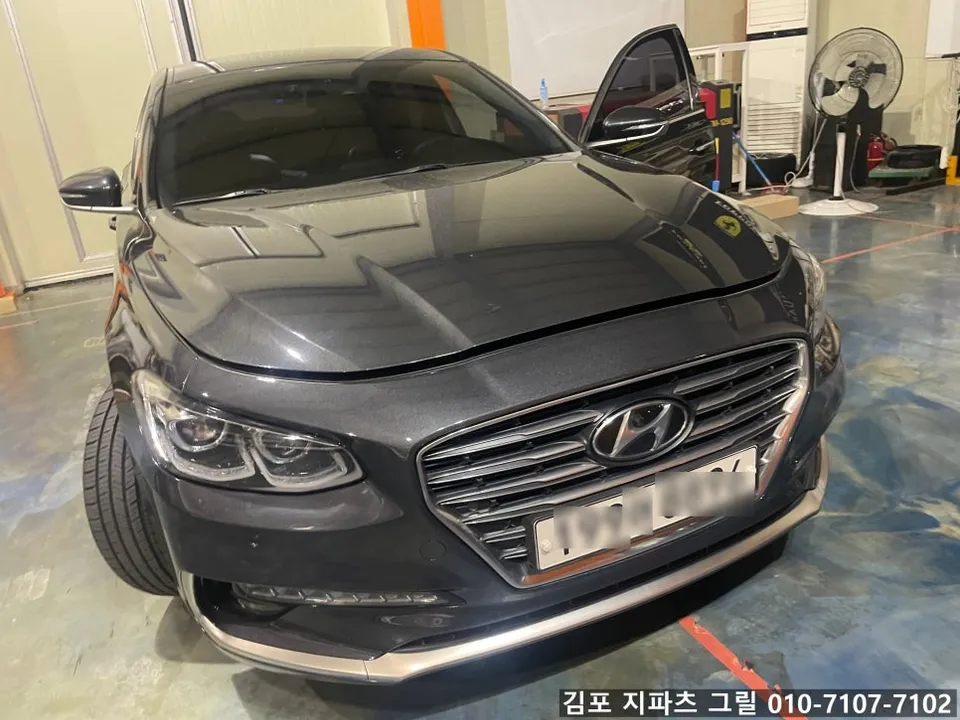
Before
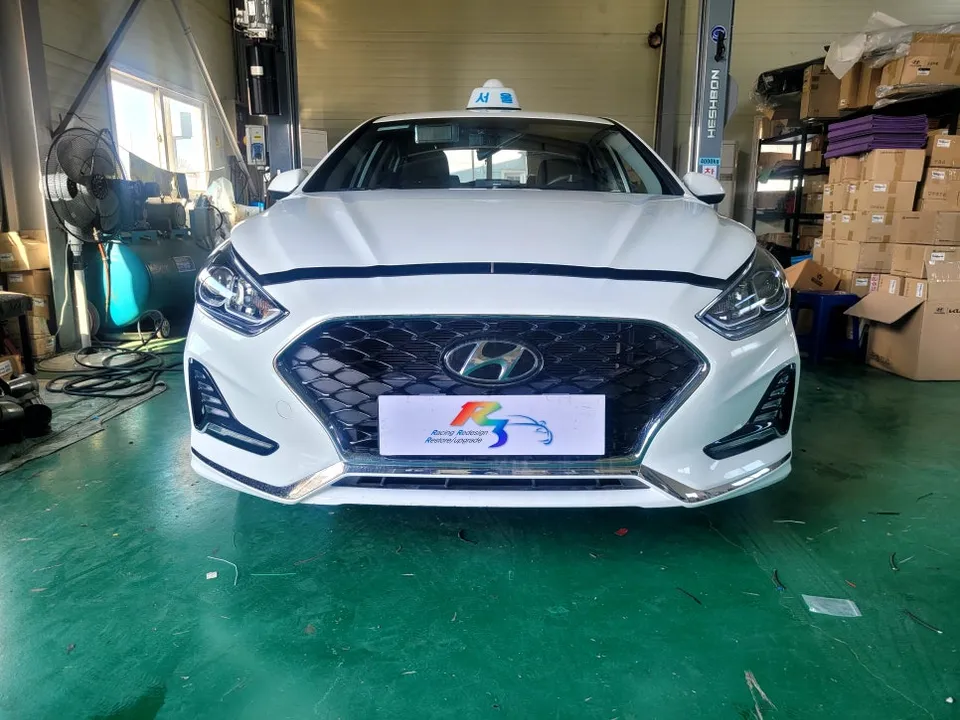
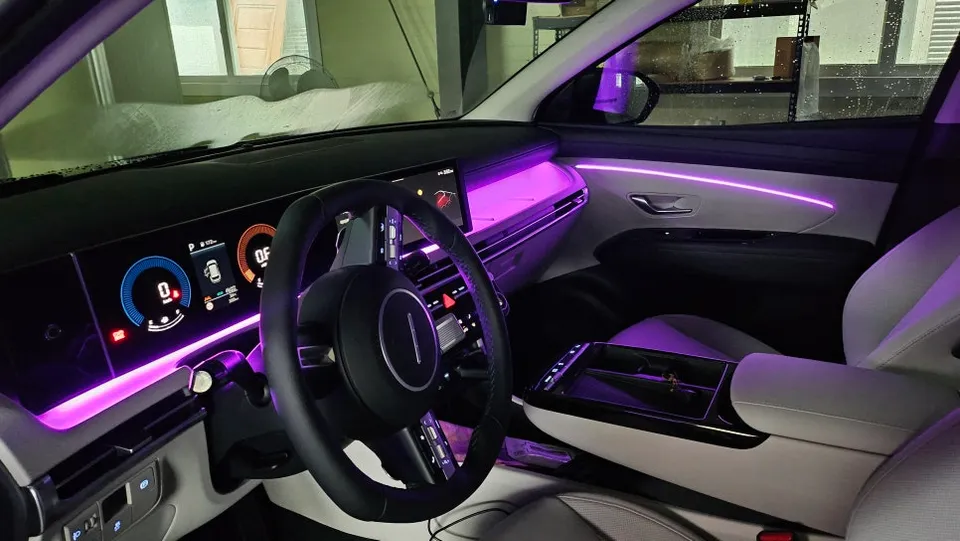
After
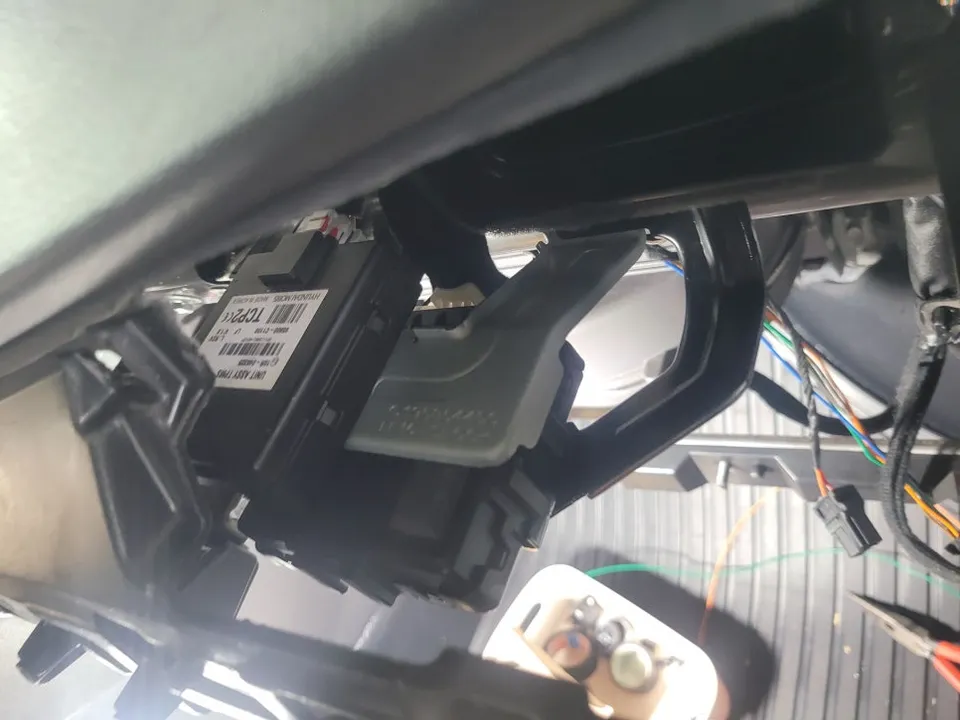
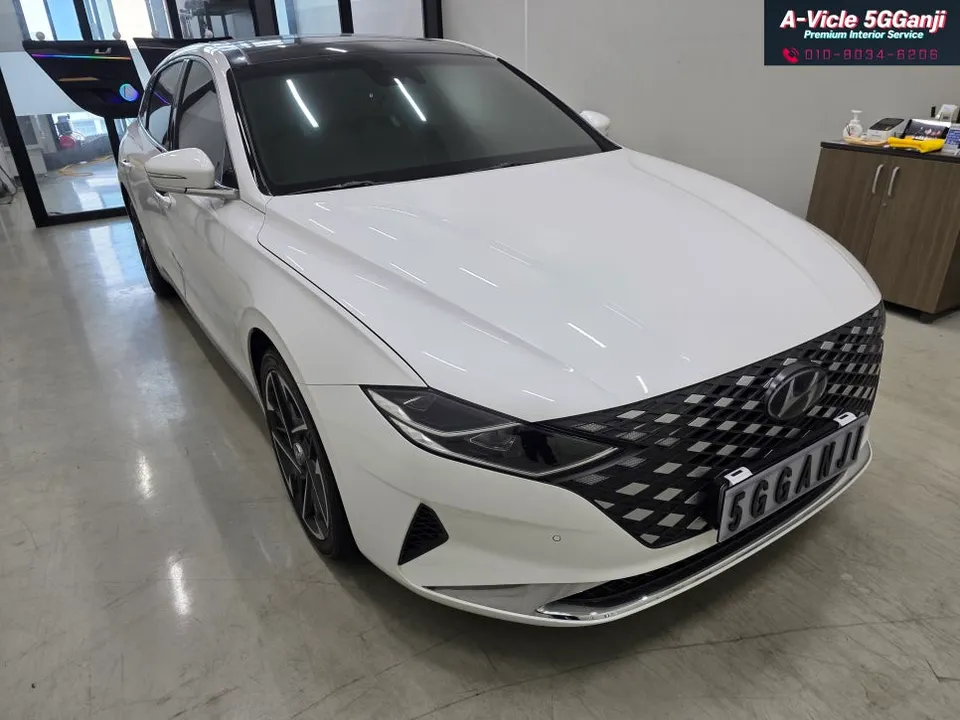
Process photos
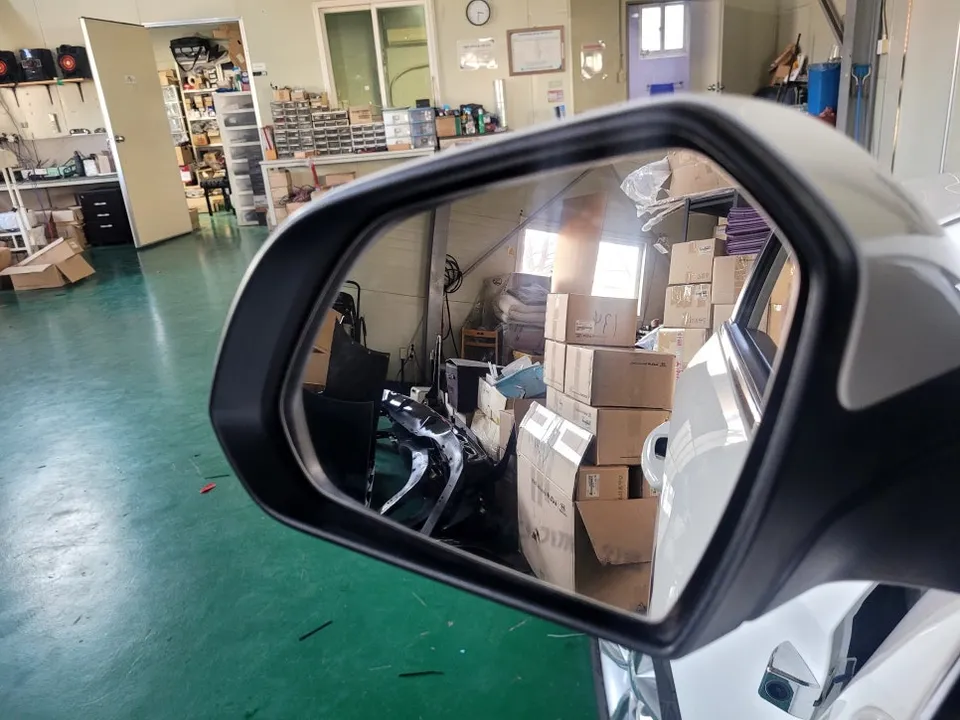
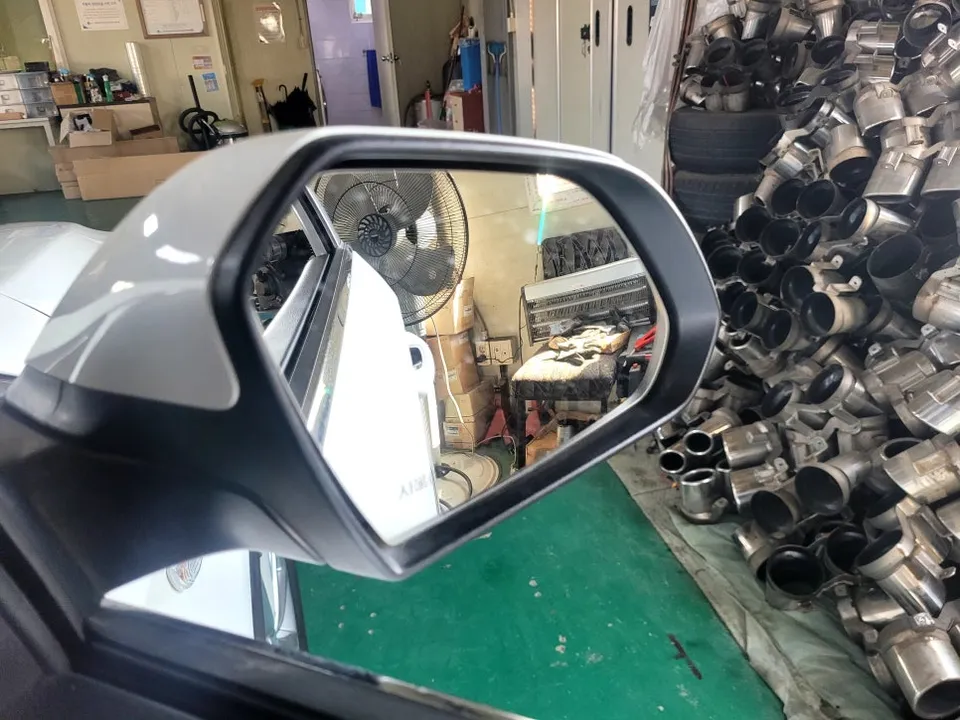
Dash cam installation for Hyundai Sonata enhances safety. Professional fitting ensures optimal performance and peace of mind.
Enhance Your Hyundai Sonata with Professional Dash Cam Installation
While the Hyundai Sonata is a popular choice for many drivers, some models, particularly those used for commercial purposes like taxis, may lack advanced safety features. One such upgrade that significantly boosts safety and provides crucial evidence in case of an incident is the installation of a dash cam. This review focuses on the process and benefits of integrating a dash cam into a Hyundai Sonata, specifically addressing the needs of drivers who may not have had this feature as a factory option. Professional installation ensures the device is optimally positioned and wired, maximizing its effectiveness.
Dash Cam Installation Process for Your Sonata
Integrating a dash cam into your Hyundai Sonata is a straightforward process when handled by professionals. The installation typically involves careful routing of wires to maintain a clean interior aesthetic and ensure the camera has a clear, unobstructed view of the road. For models that may not have come with integrated options, professional installation guarantees that the system is seamlessly incorporated without compromising existing vehicle electronics. This process not only enhances your vehicle's safety but also adds a layer of security, providing valuable footage for insurance claims or dispute resolution.
Installation process:
- Camera Placement: The dash cam is mounted behind the rearview mirror for an optimal field of view without obstructing the driver's vision.
- Wiring: Power and any necessary data cables are discreetly routed through the car's interior trim panels to the fuse box or a power source.
- Hardwiring: For continuous recording and parking mode functionality, the dash cam is hardwired into the vehicle's electrical system, often utilizing an add-a-fuse tap.
- Testing: The system is tested to ensure it powers on, records correctly, and that any advanced features like parking mode are functioning as intended.
The benefits extend beyond just recording; a dash cam can act as a deterrent to reckless driving and provide peace of mind. For Sonata owners looking to upgrade their vehicle's capabilities, a dash cam is a practical and valuable addition. The specific context of upgrading a personal taxi model highlights the demand for enhanced safety and recording features, even in vehicles that might have initially lacked them as standard options. This upgrade is akin to adding a 'Smart Sense Package,' which often includes features like Adaptive Smart Cruise Control (ASCC), Lane Keeping Assist System (LKAS), and Autonomous Emergency Braking (AEB), underscoring the importance of modern safety technology.
Frequently Asked Questions
Q. How much does dash cam installation cost for a Hyundai Sonata?
Professional dash cam installation for a Hyundai Sonata typically ranges from $100 to $300 in the US, depending on the complexity and specific camera model. This review's cost is based on Korean Won pricing for specific upgrades.
Q. How long does dash cam installation take on a Hyundai Sonata?
Dash cam installation on a Hyundai Sonata usually takes between 1 to 3 hours to complete. Regular maintenance involves checking the lens for cleanliness and ensuring the recording system is functioning correctly during vehicle checks.
Q. Is a hardwired dash cam worth it over a self-install for a Hyundai Sonata?
A hardwired dash cam is highly recommended for Hyundai Sonata owners seeking continuous power and parking mode features, which self-install kits may not reliably offer. The value proposition lies in seamless integration and enhanced security without draining the car battery.
Q. How is a dash cam professionally installed on a Hyundai Sonata?
Professional dash cam installation on a Hyundai Sonata involves: 1. Mounting the camera securely behind the rearview mirror. 2. Discreetly routing the power and data cables through interior trim. 3. Hardwiring the unit to the vehicle's fuse box for continuous power and parking mode. 4. Testing the system for proper functionality.
Q. What is the difference between a 1-channel and 2-channel dash cam for a Hyundai Sonata?
A 1-channel dash cam records only the front view, while a 2-channel system records both front and rear views, offering more comprehensive coverage. For maximum safety and evidence collection on a Hyundai Sonata, a 2-channel dash cam is generally recommended.
OhCar Partner Shop