Hyundai Sonata Ambient Lighting Review: Seamless Integration
Service Price
$150+
Estimated price · Actual price may vary by shop
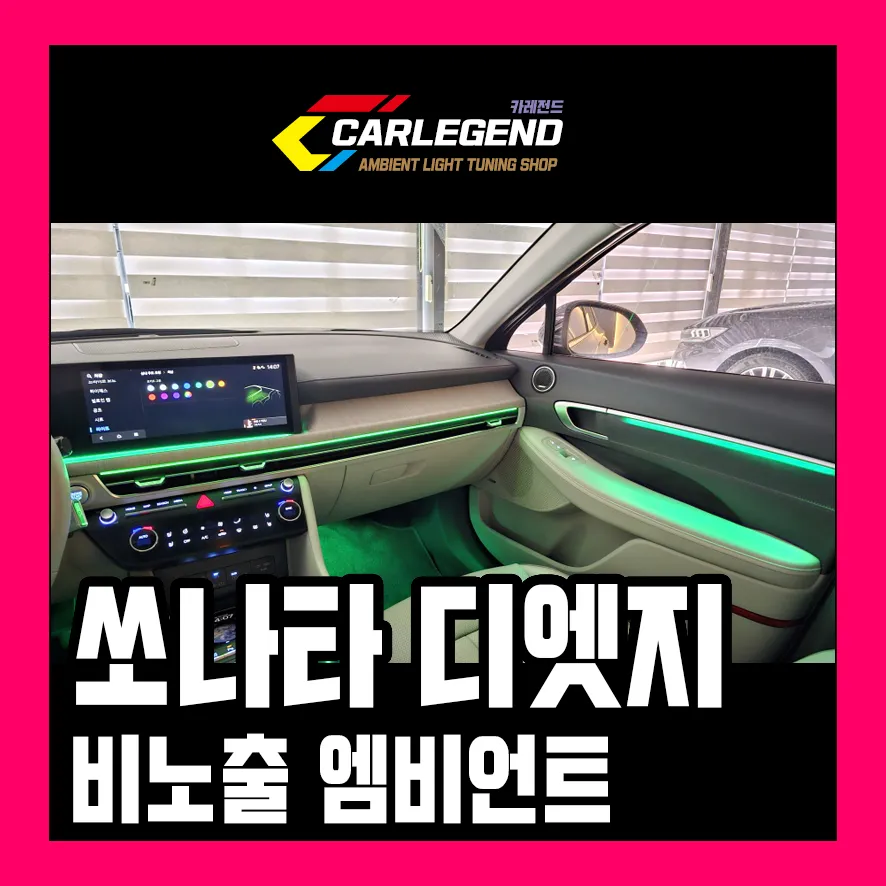
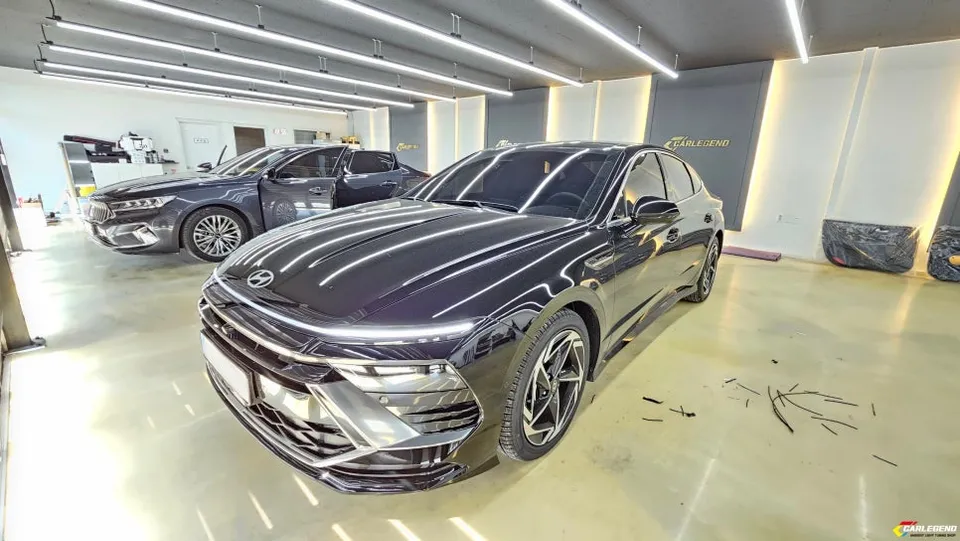
Hyundai Sonata DN8 ambient lighting enhances interior mood. Non-exposed installation offers a premium look. Pricing varies.
Elevate Your Hyundai Sonata DN8 with Custom Ambient Lighting
The Hyundai Sonata DN8 offers a sleek design, but for many owners, the interior ambiance can be further refined with custom ambient lighting. This isn't just about adding colorful LEDs; it's about achieving a seamless, integrated look that enhances the vehicle's premium feel. This review delves into the nuances of ambient lighting installation, focusing on the critical difference between direct and indirect lighting methods, and how they impact the final aesthetic in a Sonata DN8.
Many Sonata DN8 owners seek to upgrade their interior lighting, often finding that factory options are limited or that aftermarket solutions don't meet their expectations. A common issue is the visibility of the light source itself, which can detract from a sophisticated look. Understanding the installation techniques, particularly the distinction between non-exposed (indirect) and direct lighting, is key to achieving the desired mood lighting effect. We'll explore how different methods, like indirect lighting for a subtle glow versus direct lighting for a bolder statement, can transform your Sonata's cabin.
Understanding Ambient Lighting Installation Methods
The core of achieving a high-quality ambient lighting installation lies in the method used. It's crucial to differentiate between direct and indirect lighting techniques, as they yield vastly different results. Many assume 'non-exposed' means the same outcome, but this is a misconception.
Direct Lighting (Acrylic Method): This approach involves LED light sources that are visible, projecting a bright, focused beam. It's often characterized by thin, sharp lines of light. While it offers high brightness and a strong visual impact, the direct visibility of the LEDs can sometimes appear less refined, especially when viewed from certain angles. This method is typically chosen when a very bright, distinct light line is desired.
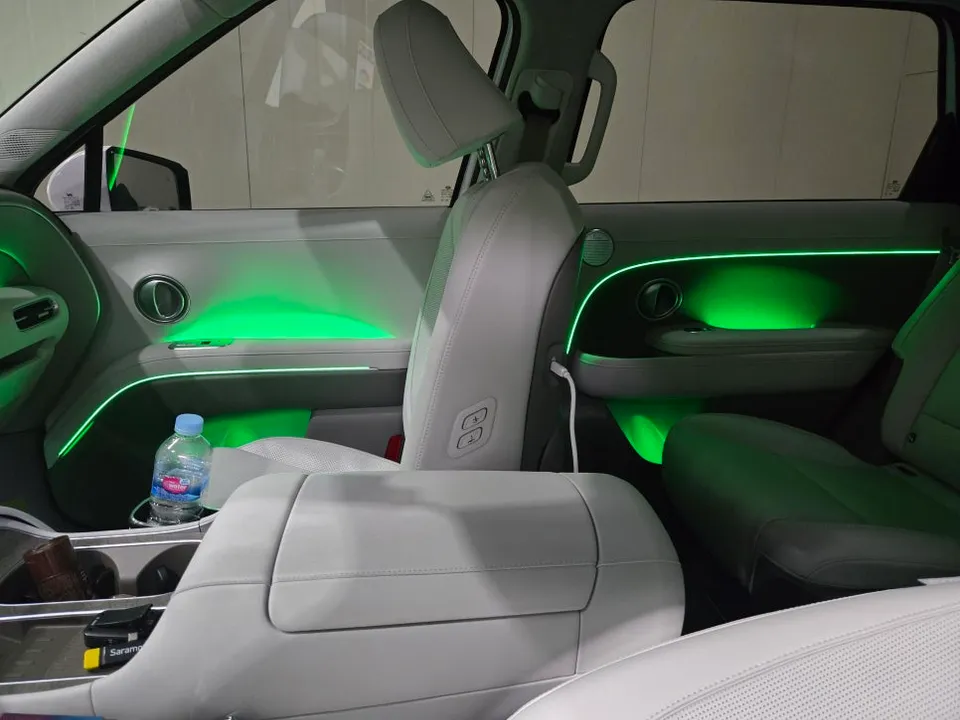
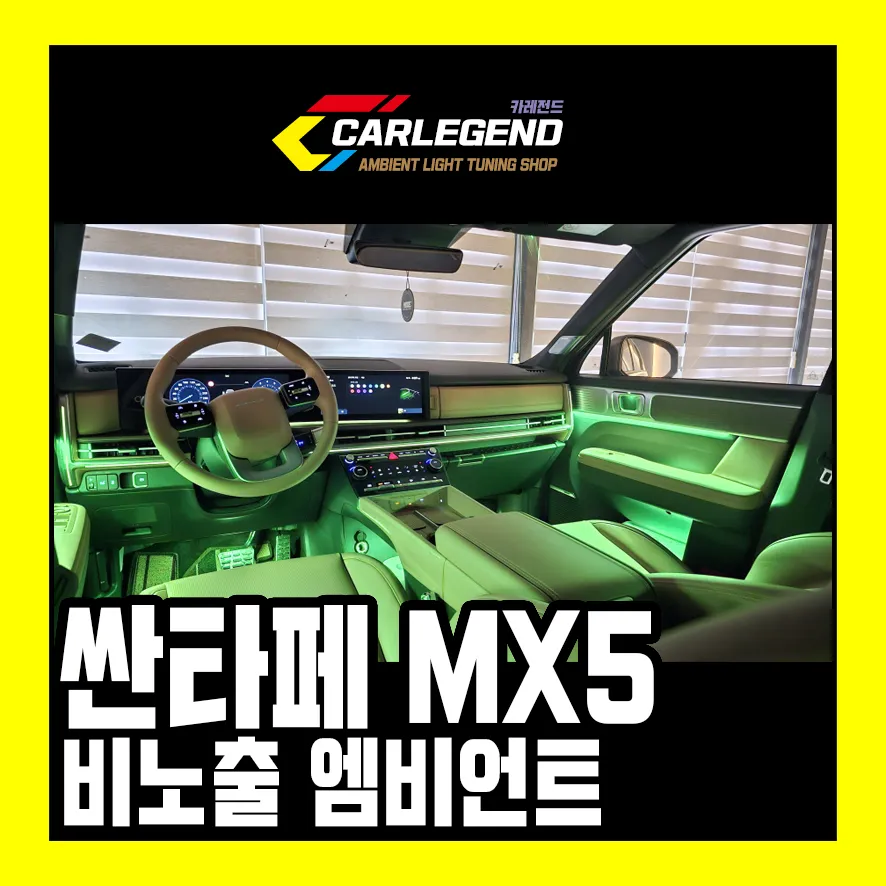
Indirect Lighting (Non-Exposed Method): In contrast, indirect lighting conceals the LED light source itself, allowing only the diffused, reflected light to be visible. This creates a soft, ambient glow that spreads subtly, contributing to a more luxurious and sophisticated atmosphere. This is the preferred method for most owners seeking a factory-integrated look, as it avoids harsh glare and integrates more harmoniously with the vehicle's interior design.
True 'non-exposed' ambient lighting aims to enhance the existing light output subtly, improving upon factory limitations without introducing visible light sources. Simply hiding the LED strip behind a panel doesn't necessarily equate to a high-quality indirect installation if the light isn't properly diffused.
Key Installation Areas in the Hyundai Sonata DN8
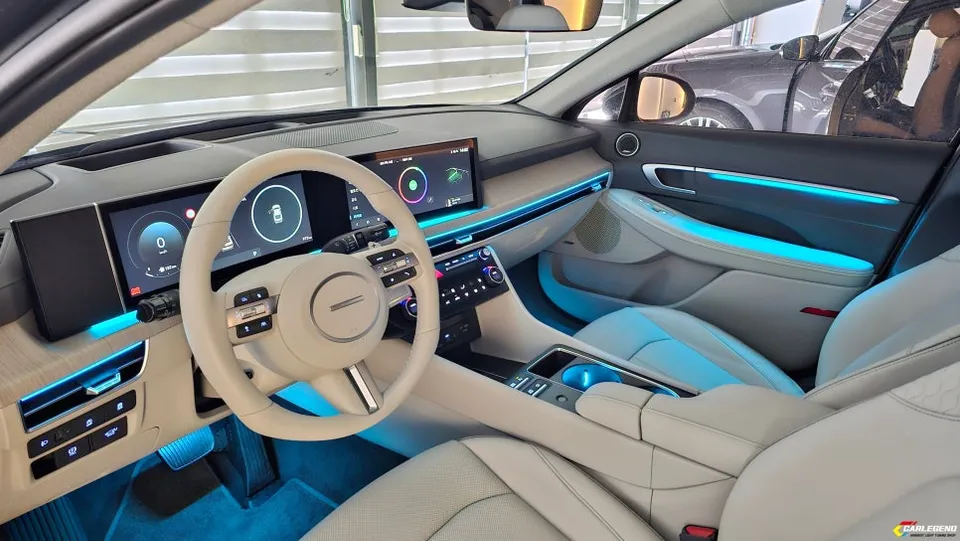
The door panels are a critical area for ambient lighting installation in the Sonata DN8. The factory ambient lighting is typically limited to the front doors and the area below the infotainment screen. Fortunately, these areas often have suitable structures for clean, non-exposed installations.
The challenge often arises with the rear doors, as they may not have factory provisions for ambient lighting. Professional installers can meticulously craft custom mounting points, ensuring a seamless integration that matches the quality of the front doors. This requires specialized fabrication skills to achieve a non-exposed look with consistent brightness.
Following the door installations, the area below the navigation system is commonly addressed. This is usually part of the standard package and, like the doors, is typically installed using the indirect, non-exposed method. This area often has pre-existing channels, making the installation relatively straightforward.
Installation Process:
- Planning & Design: Determine the desired locations and lighting effects (direct vs. indirect).
- Wire Routing: Carefully route wiring harnesses through the vehicle's interior, ensuring they are hidden and secure.
- Light Source Installation: Mount LED strips or modules in the chosen locations, employing techniques to conceal the source for indirect lighting or position for direct lighting.
- Control Integration: Connect the lighting system to a power source and control module (e.g., smartphone app, remote).
- Testing & Refinement: Test all functions, colors, and brightness levels, making adjustments for optimal visual appeal.
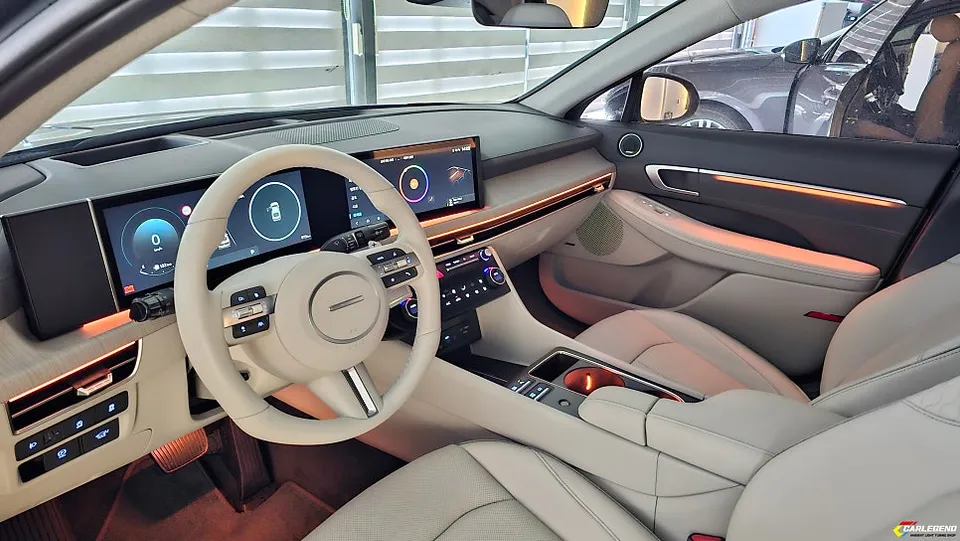
For additional flair, the dashboard lower section is a popular upgrade option. This area, often running along the air vents, can be illuminated using direct acrylic lighting for a more pronounced effect, contrasting with the subtler indirect lighting found elsewhere.
Frequently Asked Questions
Q. How much does ambient lighting cost for a Hyundai Sonata DN8?
The cost for custom ambient lighting on a Hyundai Sonata DN8 can range from approximately ₩500,000 to over ₩1,000,000 (around $400-$800 USD) depending on the complexity and number of zones. Typical US pricing for similar aftermarket installations falls within the $300 to $1000 range.
Q. How long does ambient lighting installation take on a Hyundai Sonata DN8?
Installation typically takes about 4 to 6 hours, often completed within a half-day. Proper maintenance involves occasional cleaning of the light strips and ensuring connections remain secure to prevent flickering.
Q. Is aftermarket ambient lighting worth it for a Hyundai Sonata DN8?
Aftermarket ambient lighting is highly recommended for Sonata DN8 owners seeking a more personalized and luxurious cabin atmosphere. It significantly enhances the interior aesthetics, providing a premium feel that often surpasses factory options.
Q. How is ambient lighting installed on a Hyundai Sonata DN8?
Installation involves carefully routing wiring, mounting LED modules (either directly visible or concealed for indirect lighting), and integrating them with the vehicle's power system. The process prioritizes clean integration, often involving custom fabrication for non-exposed installations, especially on rear doors.
Q. What is the difference between OEM and aftermarket ambient lighting for a Hyundai Sonata DN8?
OEM ambient lighting is factory-installed with limited options and placement, whereas aftermarket installations offer far greater customization in terms of color, brightness, and location, including sophisticated non-exposed techniques. For a truly personalized and high-quality result, aftermarket installation is generally superior.
Car Legend