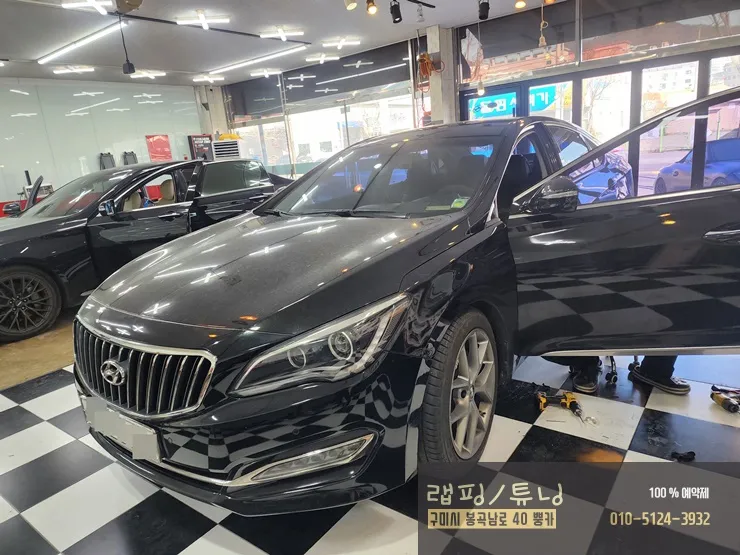
Hyundai Sonata DN8 ASCC Retrofit Review: Cost & Results
Service Price
$under approx. $400
Estimated price · Actual price may vary by shop
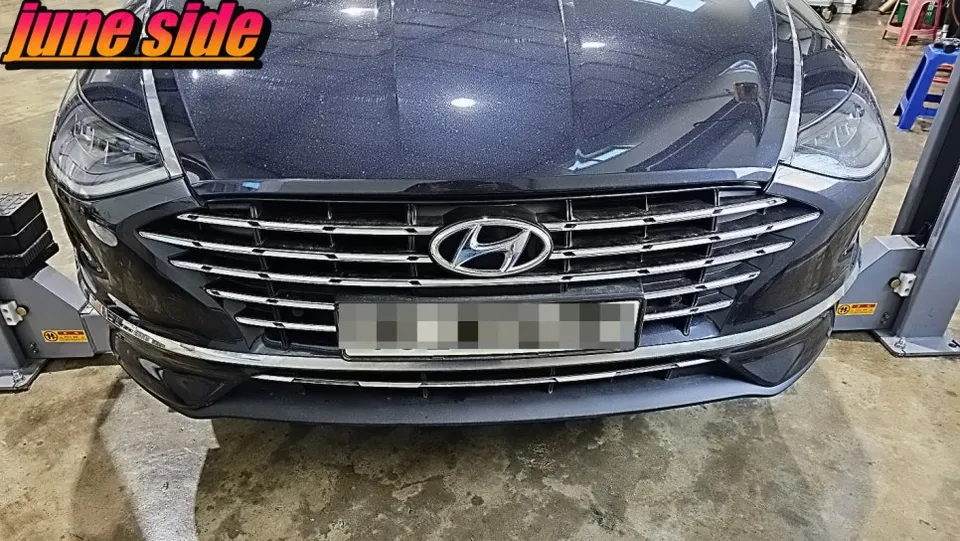
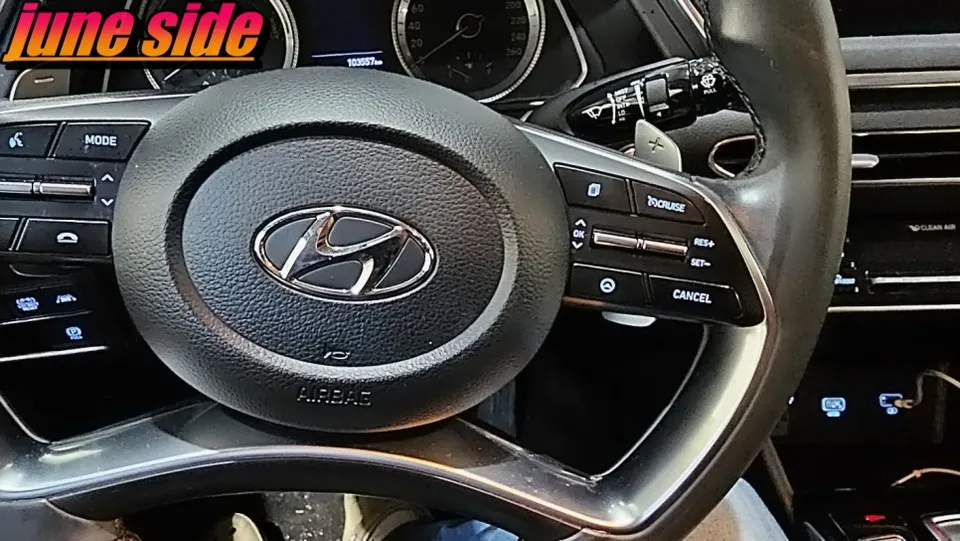
Hyundai Sonata DN8 ASCC retrofit: ₩200k-₩400k. Adds smart cruise control for comfortable long drives.
Hyundai Sonata DN8 Hybrid: The Need for ASCC
Many Sonata DN8 Hybrid owners who purchased their vehicles used discover a significant omission: the absence of Advanced Smart Cruise Control (ASCC). This can be particularly challenging for those who frequently undertake long-distance drives. For one owner, the daily commute from Daejeon to Busan highlighted the fatigue-inducing nature of driving without this convenience feature. While newer vehicles often include ASCC as standard, the used car market can present limitations. Fortunately, essential options like ASCC can be retrofitted by specialized professionals, transforming the driving experience and enhancing safety.
The ASCC Installation Process for Sonata DN8
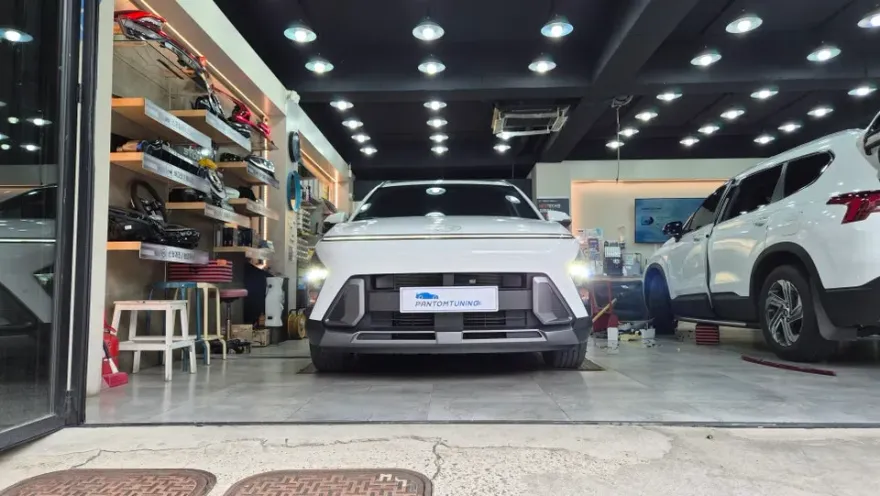
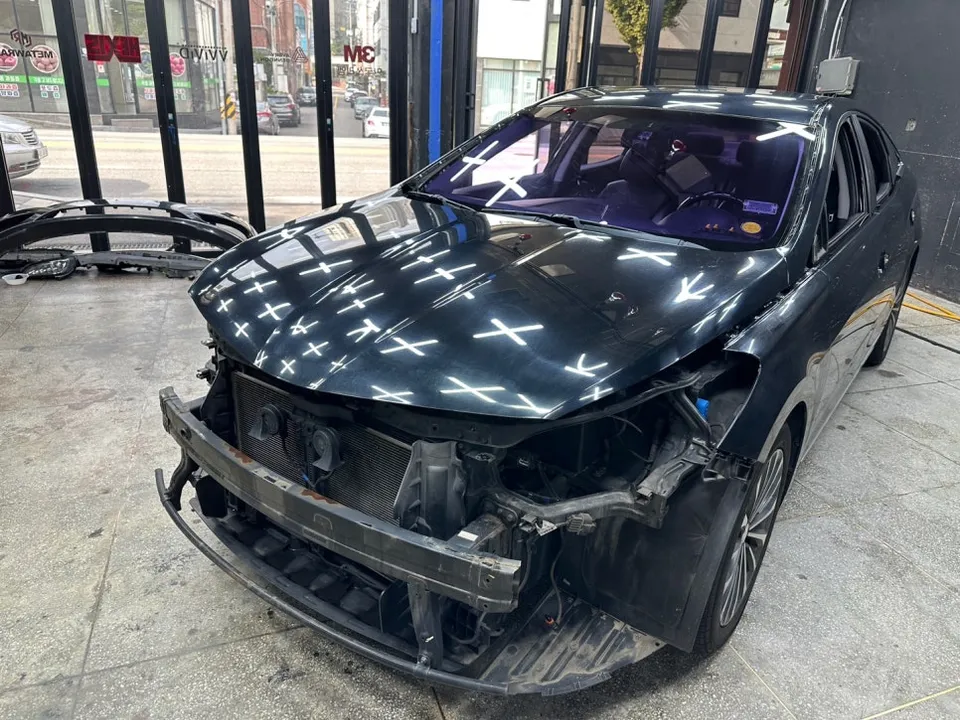
Retrofitting the ASCC system onto a Hyundai Sonata DN8 Hybrid involves several key steps. The process requires careful handling, especially in cold weather, to prevent damage to plastic components during bumper removal. The installation typically takes between 2 to 3 hours, though unforeseen issues can extend this timeframe. For instance, a recent installation in Korea, performed under chilly conditions, encountered minor difficulties with stubborn plastic clips, necessitating extra caution.
Installation process:
- Carefully remove the front bumper to access the necessary mounting points.
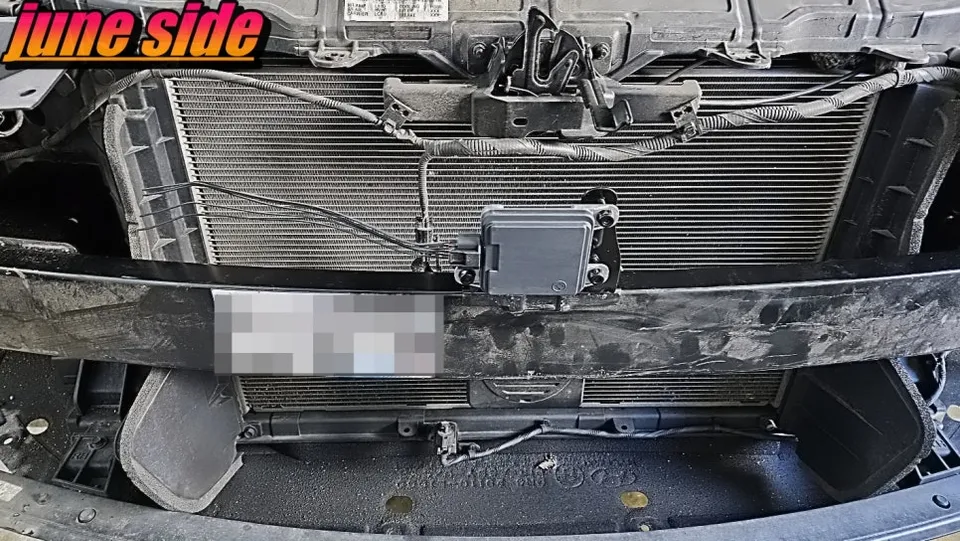
- Replace the front radar rail and precisely mount the ASCC radar unit.
- Connect the wiring harness using genuine connectors, ensuring a secure and reliable setup.
- Replace the steering wheel remote control with one that includes ASCC buttons.
- Utilize a specialized diagnostic tool for coding and calibrate the radar unit using a dedicated calibrator.
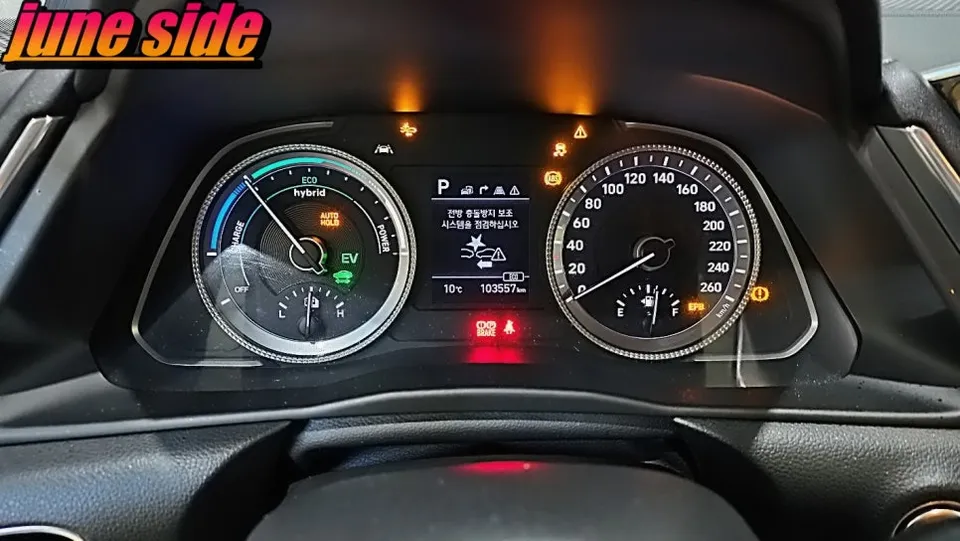
After the wiring is complete, the instrument cluster may display various warning lights. These are cleared using a dedicated diagnostic tool. A critical part of the installation is the radar calibration, which ensures the system functions accurately. This step can sometimes present challenges, as experienced during a recent installation where unexpected issues prolonged the process by approximately two hours. This underscored the importance of equipment maintenance. Once calibration and coding are finalized, new ASCC-related menus appear on the instrument cluster and navigation screen, allowing the driver to customize settings.
Enhanced Driving Experience Post-ASCC Installation
Following a successful road test to confirm the ASCC system's functionality, the owner received a detailed walkthrough of its operation. With the ASCC now active, long highway journeys in the Sonata DN8 Hybrid become significantly more comfortable and less fatiguing. The system intelligently maintains a set speed and distance from the vehicle ahead, reducing the need for constant manual acceleration and braking. This not only eases driver workload but also contributes to a smoother, more relaxed driving experience. The cost for this retrofit in Korea typically ranges from 200,000 to 400,000 KRW (approximately $150-$300 USD), depending on the specific vehicle and workshop.
Frequently Asked Questions
Q. How much does OEM option and factory upgrade installation cost for a Hyundai Sonata DN8?
In Korea, retrofitting OEM options like ASCC on a Hyundai Sonata DN8 typically costs between ₩200,000 and ₩400,000 (approx. $150-$300 USD). While exact US pricing varies, expect similar or potentially higher costs due to labor and parts.
Q. How long does OEM options installation take on a Hyundai Sonata DN8?
The installation of OEM options like ASCC on a Hyundai Sonata DN8 usually takes 2-3 hours, though complex issues can extend this. For durability, ensure the system is professionally calibrated; regular maintenance isn't typically required beyond standard vehicle checks.
Q. Are OEM options worth adding after purchase for a Hyundai Sonata DN8?
Adding essential OEM options like ASCC is highly recommended for Sonata DN8 owners who frequently drive long distances, as it significantly reduces fatigue. The value lies in enhanced comfort and safety, making the investment worthwhile for many drivers.
Q. How are OEM factory options installed on a Hyundai Sonata DN8?
OEM factory options are installed by removing necessary exterior panels (like the bumper), fitting the new component (e.g., ASCC radar), connecting wiring harnesses with genuine connectors, and then performing system coding and calibration via diagnostic tools.
Q. What is the difference between dealer-installed options and aftermarket upgrades for a Hyundai Sonata DN8?
OEM options, whether factory-installed or retrofitted by a dealer/specialist, are designed and manufactured by Hyundai for seamless integration. Aftermarket upgrades are made by third-party companies and may not offer the same level of compatibility or long-term reliability.
OhCar Partner Shop