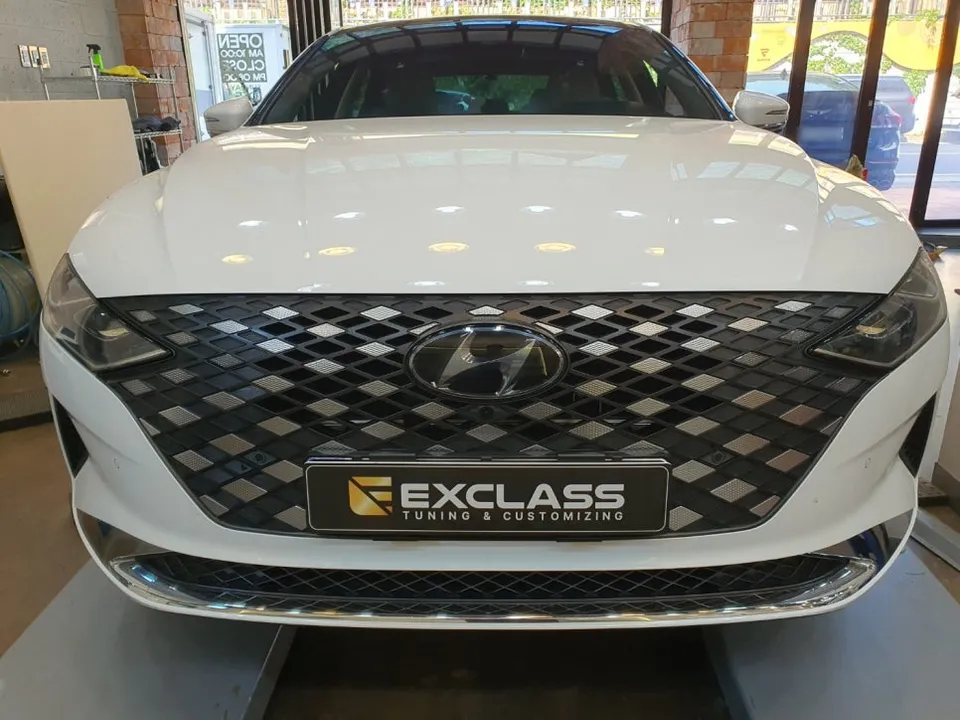
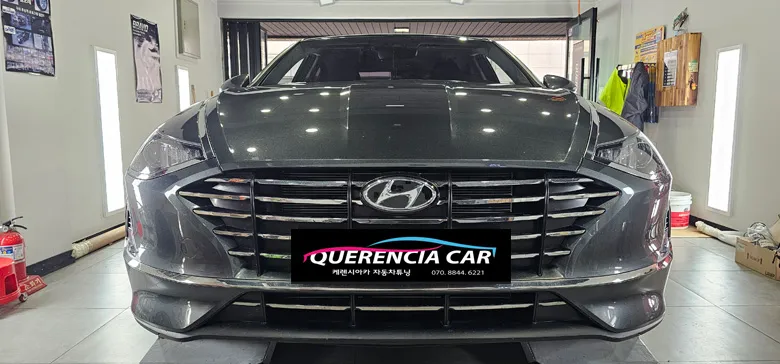
Hyundai Elantra AD Seat Climate Upgrade Review
Service Price
$40–80
Estimated price · Actual price may vary by shop
Before

After
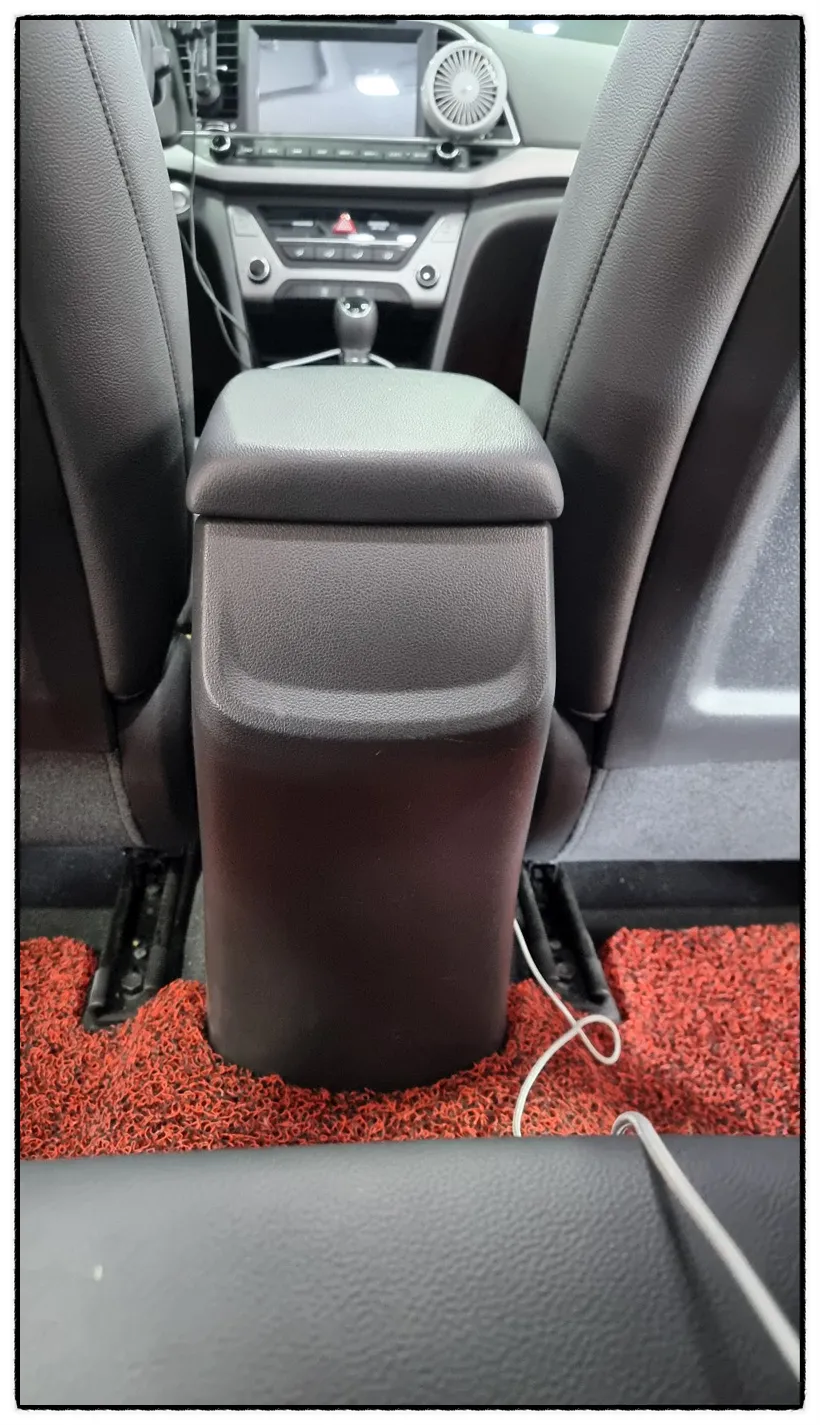
Process photos
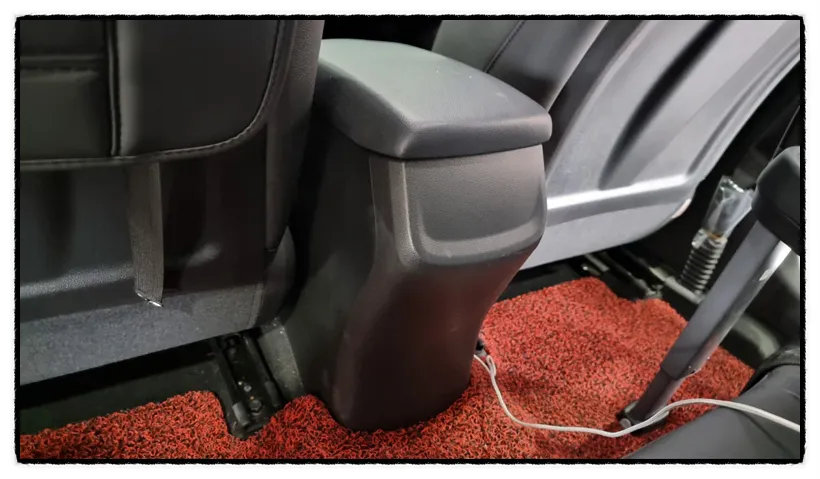
Hyundai Elantra AD rear seat climate upgrade: Approx. ₩300k-₩600k. Provides all-season comfort for rear passengers.
Enhancing Your Hyundai Elantra AD's Rear Seat Comfort
As temperatures rise, a car's air conditioning becomes essential. However, many drivers find that while the front seats are comfortable, the rear remains uncomfortably warm, especially for children or pets. This is a common issue, as the airflow from the front vents often weakens by the time it reaches the back. Similarly, in colder months, warm air may not effectively circulate to the rear passengers. To address this, a rear seat ventilation and heating system, often referred to as a seat climate upgrade, can significantly improve the comfort for all occupants. This review focuses on the installation of such a system in a Hyundai Elantra AD, detailing the process, costs, and benefits.
Installation Process and Timeframe
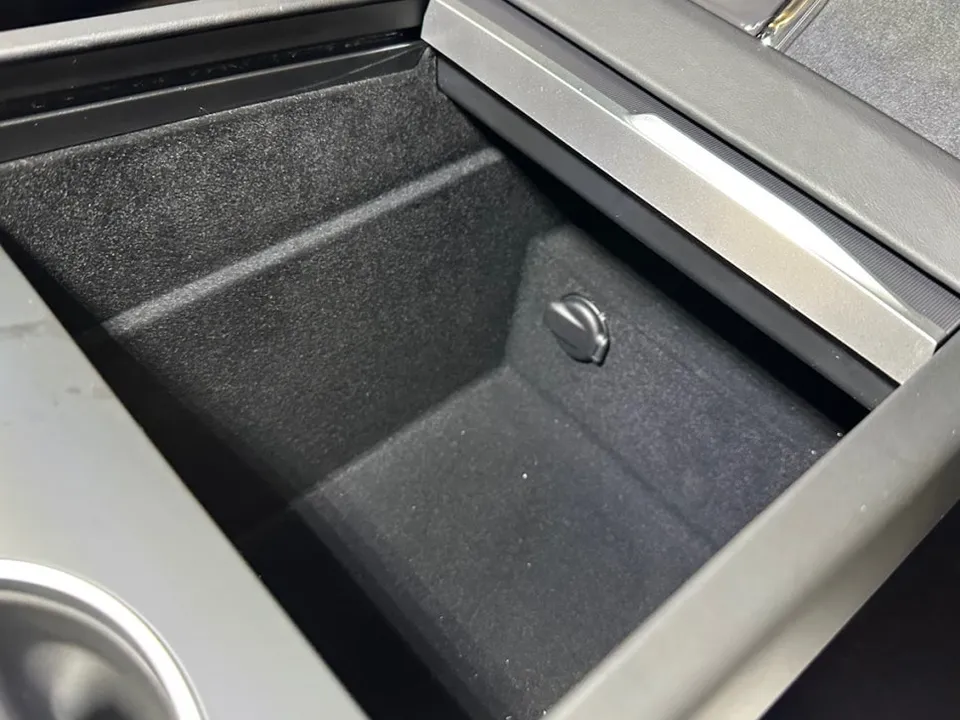
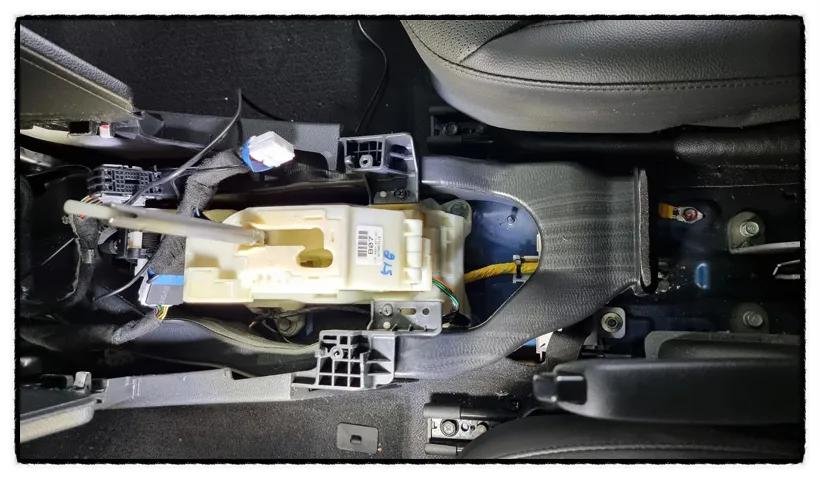
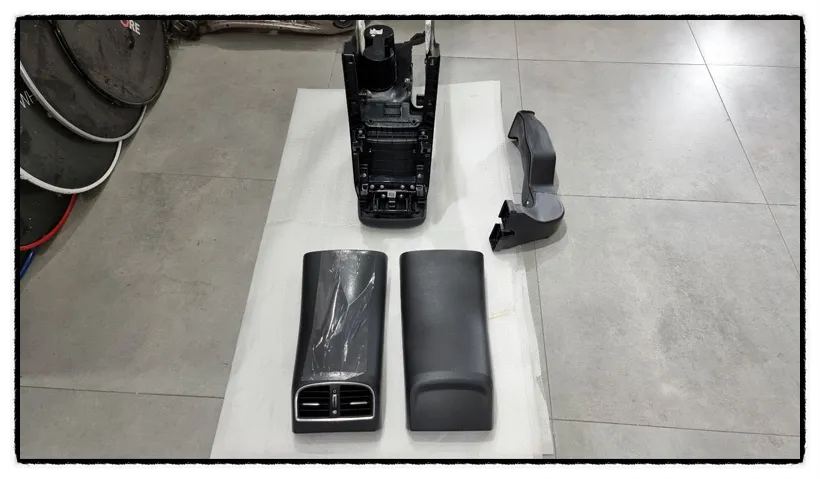
The installation of a rear seat ventilation and heating system in a Hyundai Elantra AD typically involves several steps to ensure seamless integration and optimal airflow. The process begins with the careful removal of the existing center console. Following this, new ducting is installed to channel air effectively to the rear seats. Components around the gear shift may also need to be temporarily removed and reassembled. The entire installation process usually takes approximately 3 to 4 hours and can often be completed within a single day. The goal is to achieve a factory-integrated look, making the new vents appear as if they were original equipment.
Cost, Durability, and Value
The cost for retrofitting rear seat ventilation and heating in a Hyundai Elantra AD can range from approximately 300,000 to 600,000 Korean Won (roughly $220-$440 USD, though actual US installation costs for similar systems can range from $400-$800 or more depending on complexity and brand). This price can vary based on the vehicle's year, existing options, the extent of the installation, and the quality of the components used. Once installed, these systems are designed for long-term use, essentially lasting for the life of the vehicle, provided quality parts are used and the installation is performed correctly. Regular maintenance is minimal, typically involving keeping the vents clear of debris. For families with children or pets, or those who frequently carry rear passengers, the enhanced comfort and improved cabin climate control make this upgrade a worthwhile investment, significantly boosting passenger satisfaction during all seasons.
Frequently Asked Questions
Q. How much does ventilated seat installation cost for a Hyundai Elantra AD?
In Korea, the installation cost for rear seat ventilation and heating in a Hyundai Elantra AD typically ranges from ₩300,000 to ₩600,000. Similar aftermarket seat cooling retrofits in the US can range from $400 to $800 or more.
Q. How long does seat ventilation installation take on a Hyundai Elantra AD?
The installation process for rear seat ventilation and heating on a Hyundai Elantra AD usually takes about 3 to 4 hours and is often completed the same day. To ensure longevity, keep the vents clear of debris and avoid placing heavy objects directly on them.
Q. Are aftermarket ventilated seats worth it for a Hyundai Elantra AD?
This seat climate upgrade is highly recommended for those who frequently transport children or pets in the rear, or for anyone seeking to improve rear passenger comfort year-round. The enhanced comfort and ability to maintain a pleasant cabin temperature for all occupants offer significant value.
Q. How are ventilated seats installed in a Hyundai Elantra AD?
Installation involves removing the center console, installing new air ducting for rear seat airflow, and reassembling surrounding components. The system is designed to integrate seamlessly with the vehicle's interior for a factory-like finish.
Q. What is the difference between OEM and aftermarket ventilated seats for a Hyundai Elantra AD?
OEM (Original Equipment Manufacturer) options are integrated from the factory, while aftermarket installations are retrofitted later. Aftermarket systems can offer comparable performance and comfort, often at a lower initial cost, and are a viable option when the vehicle wasn't originally equipped.
OhCar Partner Shop