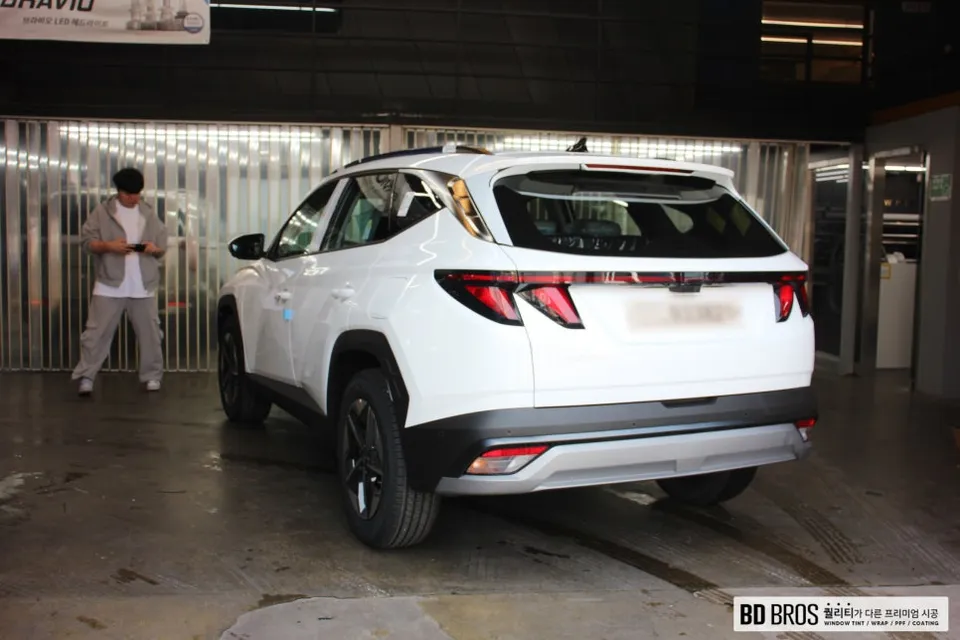
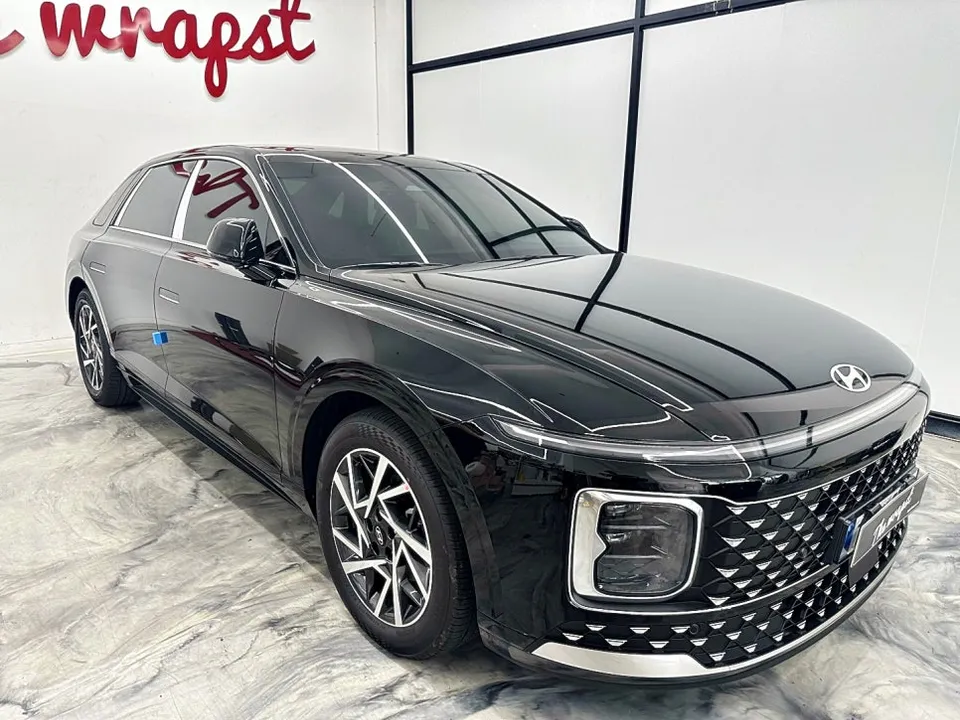
Hyundai Sonata Window Tinting Review
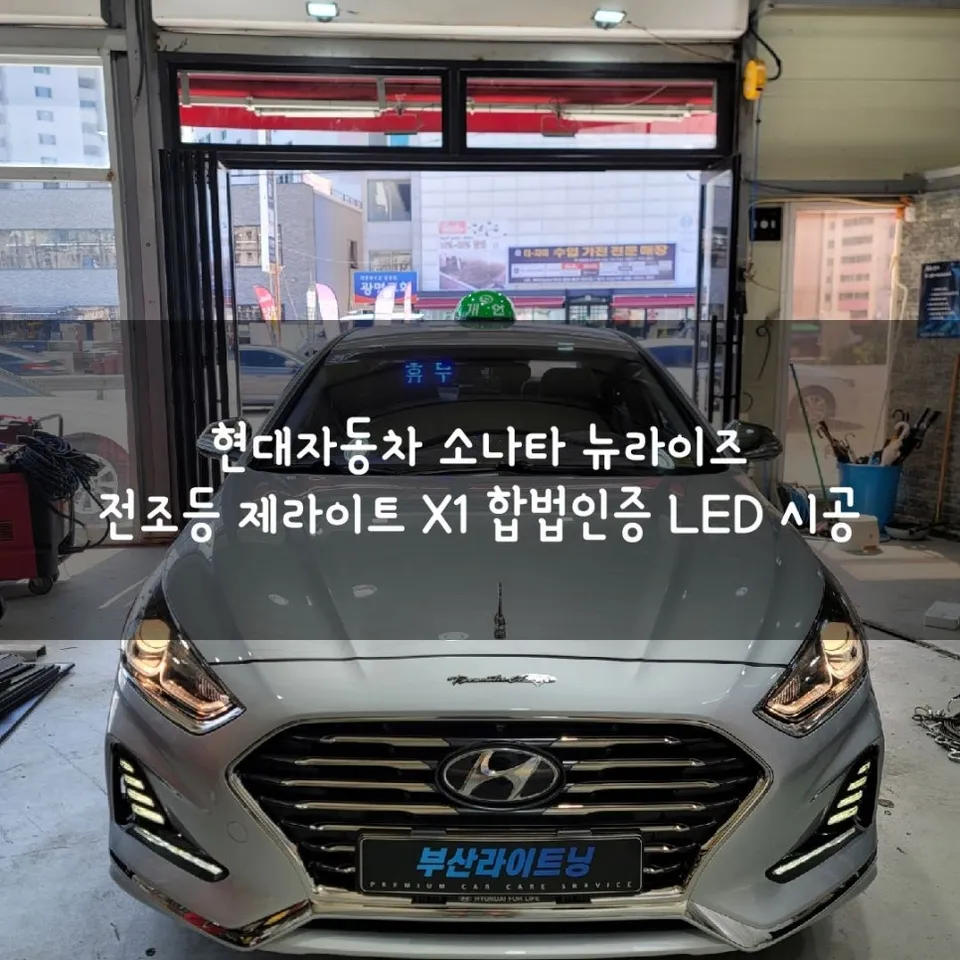
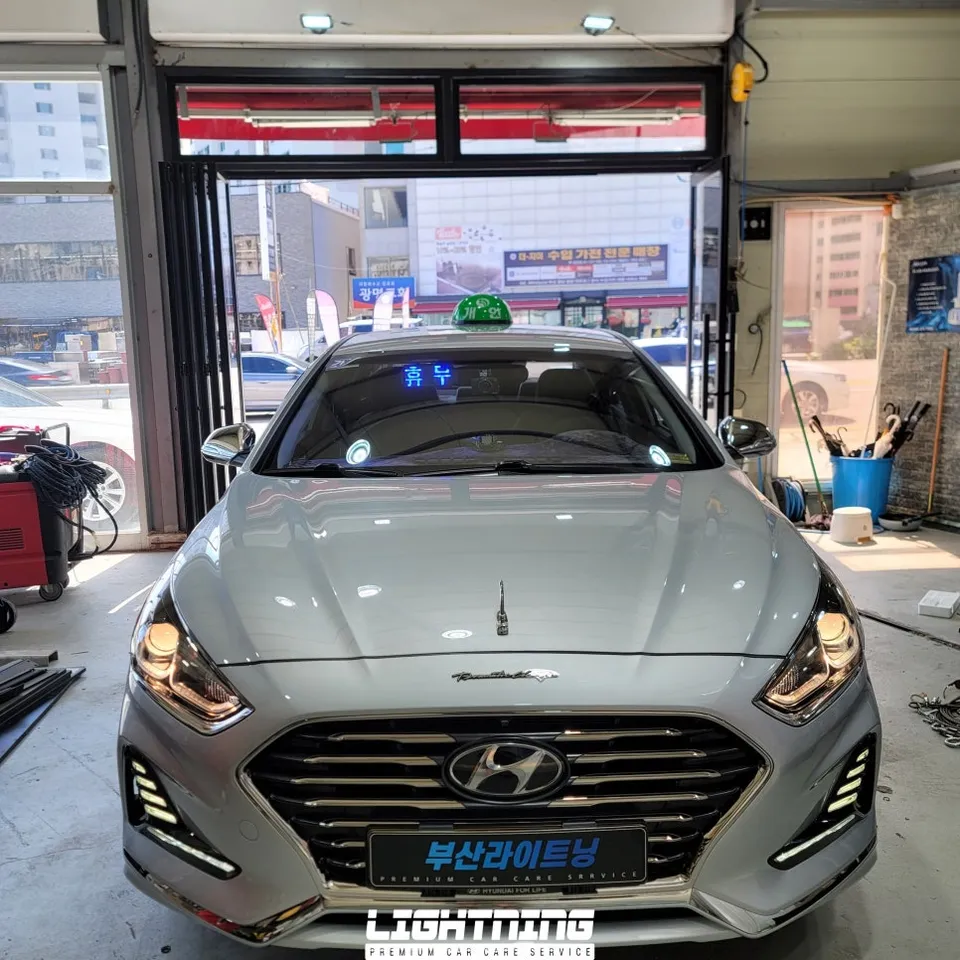
Hyundai Sonata window tinting: Enhances comfort, UV protection, and aesthetics. Professional installation ensures a flawless finish.
Expert Window Tinting for Your Hyundai Sonata
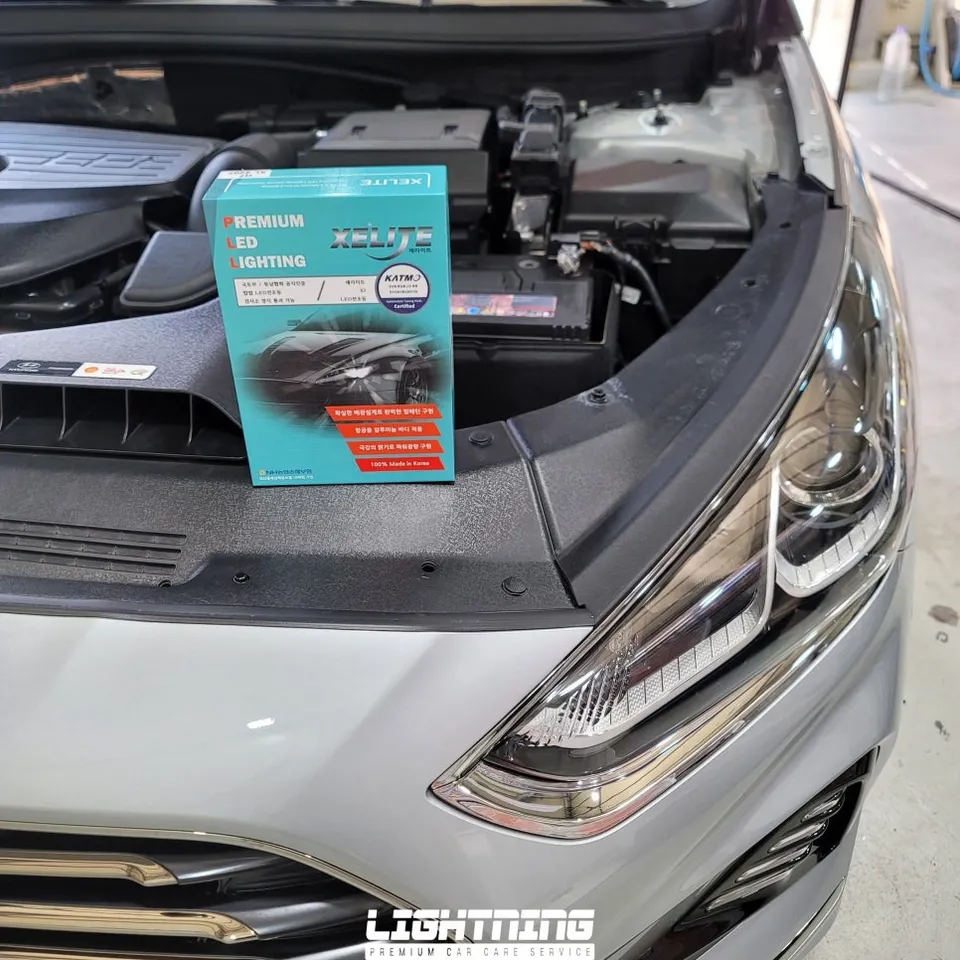
This review details the professional window tinting service applied to a Hyundai Sonata New Rise, a popular choice for personal taxi services in Busan, South Korea. The owner entrusted their vehicle to a specialized shop known for legally certified LED installations and automotive enhancements. While the original context focuses on LED headlights, the underlying principle of professional automotive customization applies directly to window tinting, offering significant aesthetic and functional upgrades for any vehicle, including the Sonata.
Benefits of Window Film for Your Sonata
Window tinting, often referred to as applying window film, offers a multitude of benefits beyond just a sleek appearance. It significantly reduces solar heat gain, keeping the car's interior cooler and more comfortable, especially during warmer months. This improved cabin temperature can also lead to reduced reliance on air conditioning, potentially saving fuel. Furthermore, window film acts as a protective barrier, blocking harmful UV rays that can cause skin damage and fade the car's interior upholstery over time. For a vehicle like the Hyundai Sonata, which is often used for long hours, these comfort and protection features are invaluable. The tint also adds a layer of privacy and security, making it more difficult for potential thieves to see inside the vehicle.
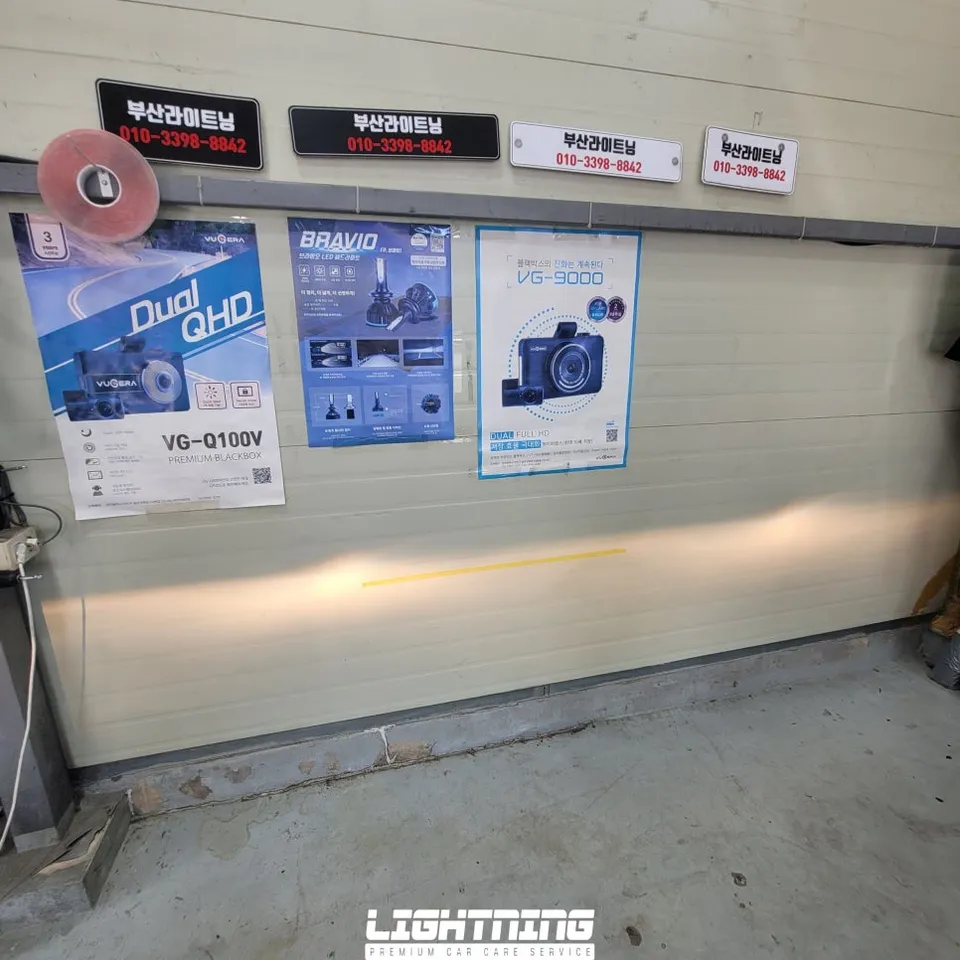
Window Tinting Installation Process:
- Surface Preparation: The window surfaces are meticulously cleaned and degreased to ensure optimal adhesion of the film.
- Film Cutting: The chosen window film is precisely cut to match the exact dimensions of each Sonata window, often using specialized cutting machines or templates.
- Application: The film is carefully applied to the interior side of the glass, using a squeegee to remove air bubbles and ensure a smooth, even finish.
- Trimming and Curing: Excess film is trimmed along the edges, and the tint is left to cure, which typically takes a few days, during which time the windows should not be rolled down.
The result is a clean, professional look that enhances the overall aesthetic of the Hyundai Sonata, providing immediate benefits in comfort and protection. While the original context mentioned specific LED products, the dedication to quality and adherence to regulations by the installation shop ensures a high standard for any service, including window tinting.
Frequently Asked Questions
Q. How much does window tinting cost for a Hyundai Sonata?
The cost for window tinting a Hyundai Sonata can vary, but professional installation typically ranges from $200 to $500 in the US. This review does not specify a price, but professional services aim for quality results.
Q. What tint percentage is legal for a Hyundai Sonata?
Legal tint percentages for a Hyundai Sonata vary by state in the US; typically, 70% VLT is allowed for front windows and 35% or less for rear windows. Window film can last for many years with proper care, and a simple tip is to clean the windows with a mild ammonia-free cleaner.
Q. Is ceramic tint worth the extra cost for a Hyundai Sonata?
Ceramic tint is worth the extra cost for a Hyundai Sonata if you prioritize maximum heat rejection and UV protection without significantly darkening the windows. It offers superior performance compared to traditional dyed or metallic films, making it ideal for drivers seeking the best comfort and protection.
Q. How is window tint installed on a Hyundai Sonata?
Window tint installation on a Hyundai Sonata involves meticulously cleaning the glass, precisely cutting the film to size, and carefully applying it to the interior of the windows using a squeegee to eliminate air bubbles. The edges are then trimmed, and the film is allowed to cure for several days.
Q. What is the difference between ceramic and dyed window tint for a Hyundai Sonata?
The key difference is that ceramic tint uses non-metallic particles to block heat and UV rays, offering superior heat rejection and durability without interfering with electronics, while dyed tint uses coloring to reduce glare and provide privacy but offers less heat rejection and can fade over time. For optimal performance and longevity, ceramic tint is generally recommended.
OhCar Partner Shop
More window tinting Reviews
See all →
More Hyundai Reviews
Pair with Another Service
Protect paint while you're at the shop
Add gloss and protection