Hyundai Staria Body Kit Installation Review
Service Price
$40–80
Estimated price · Actual price may vary by shop
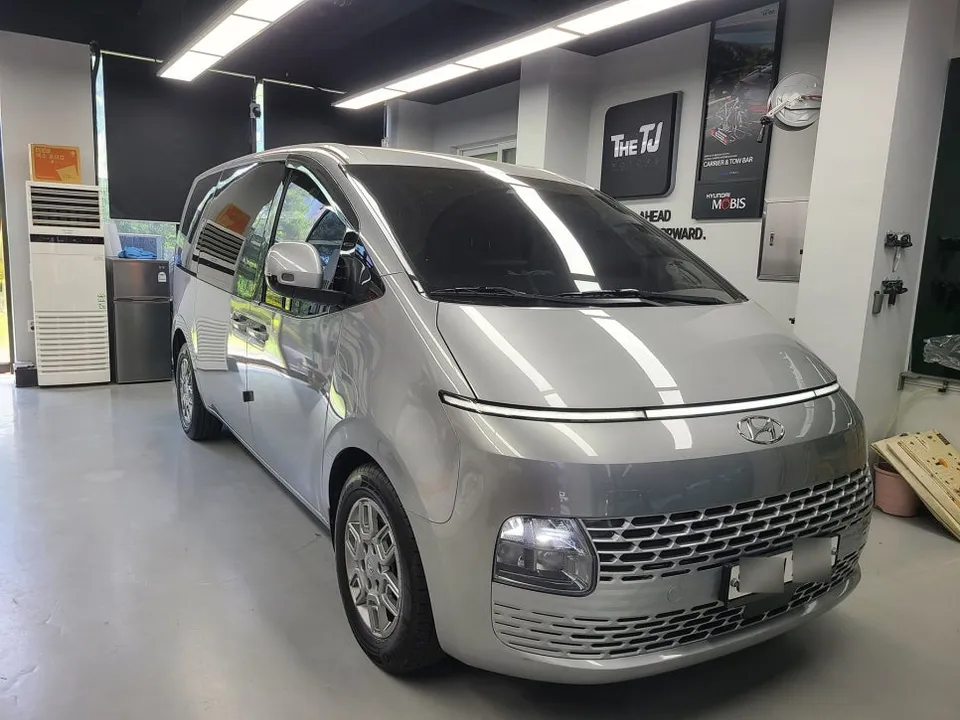
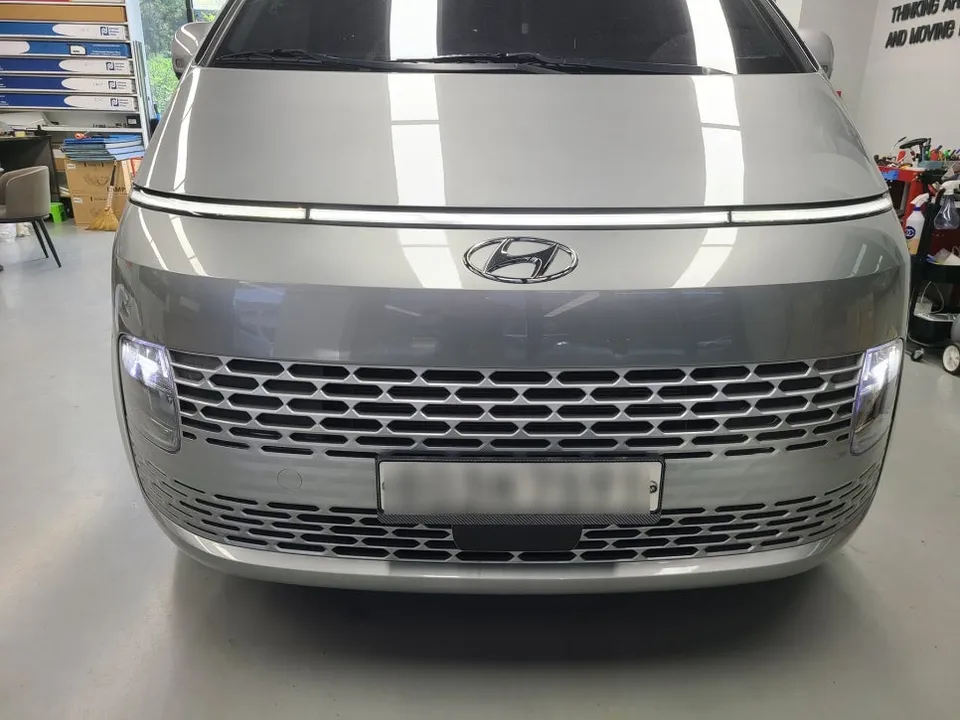
Hyundai Staria body kit installation: Costs vary widely, from $1,000-$3,000+. Transforms appearance for a sportier look.
Enhancing Your Hyundai Staria with a Body Kit
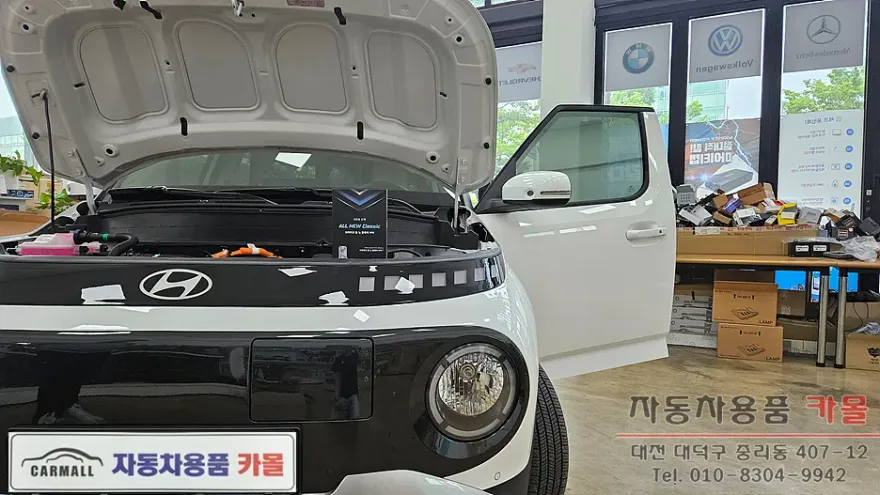
The Hyundai Staria, with its distinctive van-like design, offers a unique platform for customization. For owners looking to add a more aggressive or personalized aesthetic, a body kit can be a transformative addition. This review delves into the process, costs, and overall value of installing an aero kit, focusing on front lip and side skirt installations for the Staria. While the original context discusses a specific front sensor and black grille upgrade in Korea, we'll adapt the principles to a broader body kit discussion relevant to US/UK audiences.
Body Kit Installation: What to Expect
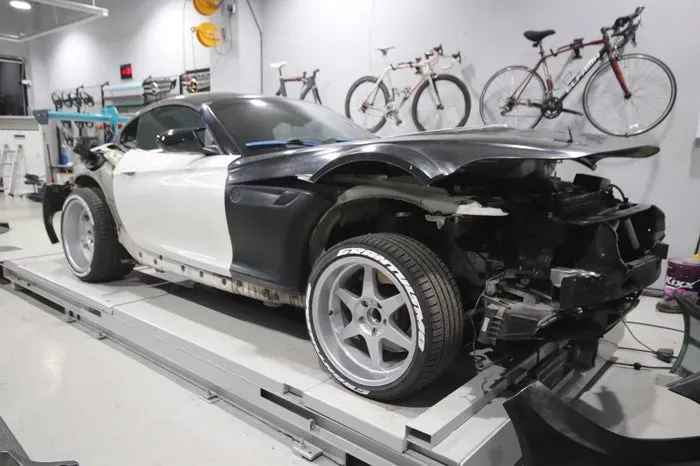
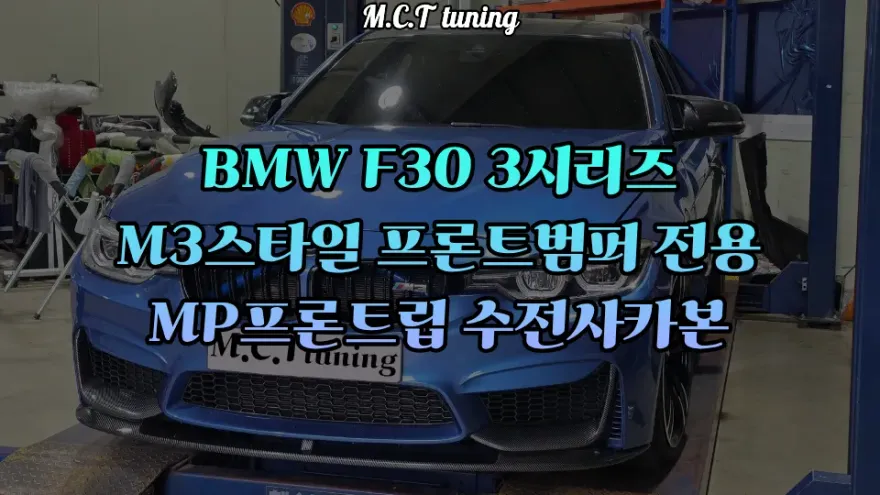
Installing a body kit involves adding aerodynamic enhancements to your vehicle's exterior, typically including a new front bumper or lip, side skirts, and sometimes a rear diffuser or spoiler. The goal is to alter the vehicle's visual profile, often making it appear lower, wider, and sportier. The process requires precision to ensure a seamless fit and a factory-like finish. While the Korean context focused on integrating front sensors into a black grille without drilling, the general principle of careful, integrated installation applies to body kits. This often involves precise alignment, secure fastening, and sometimes minor modifications to ensure all parts fit perfectly with the Staria's existing body lines.
The materials for body kits vary, with common options including polyurethane (PU) and fiberglass-reinforced plastic (FRP). Polyurethane is generally more durable, flexible, and resistant to impacts, making it a better choice for daily drivers. FRP kits are often more affordable but can be more brittle and prone to cracking upon impact. The choice of material significantly impacts the kit's longevity and maintenance requirements.
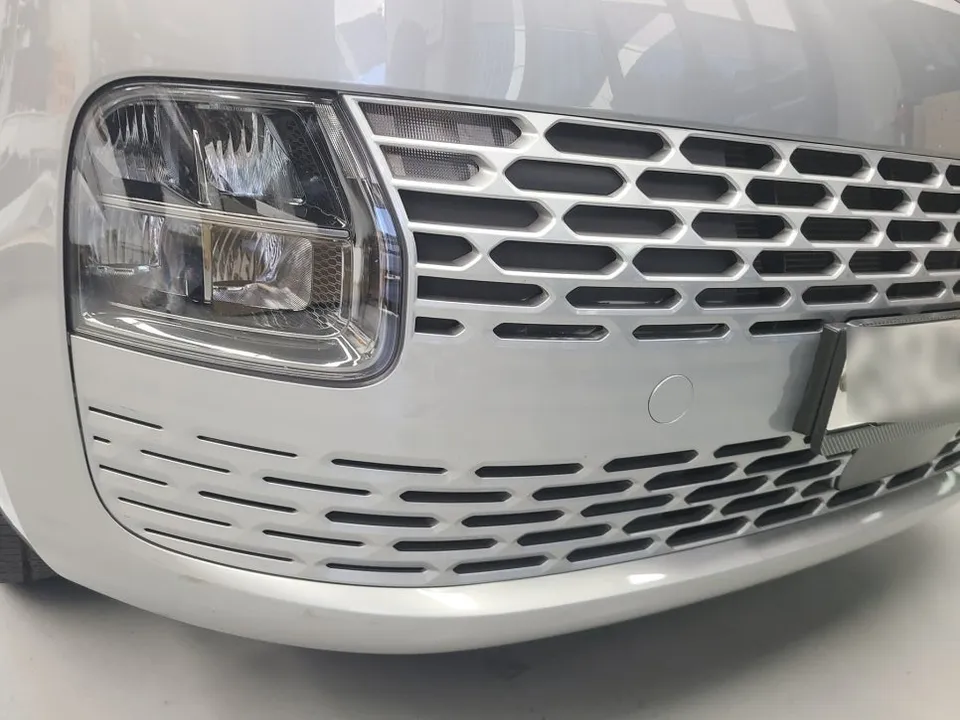
Before and After: The Visual Transformation
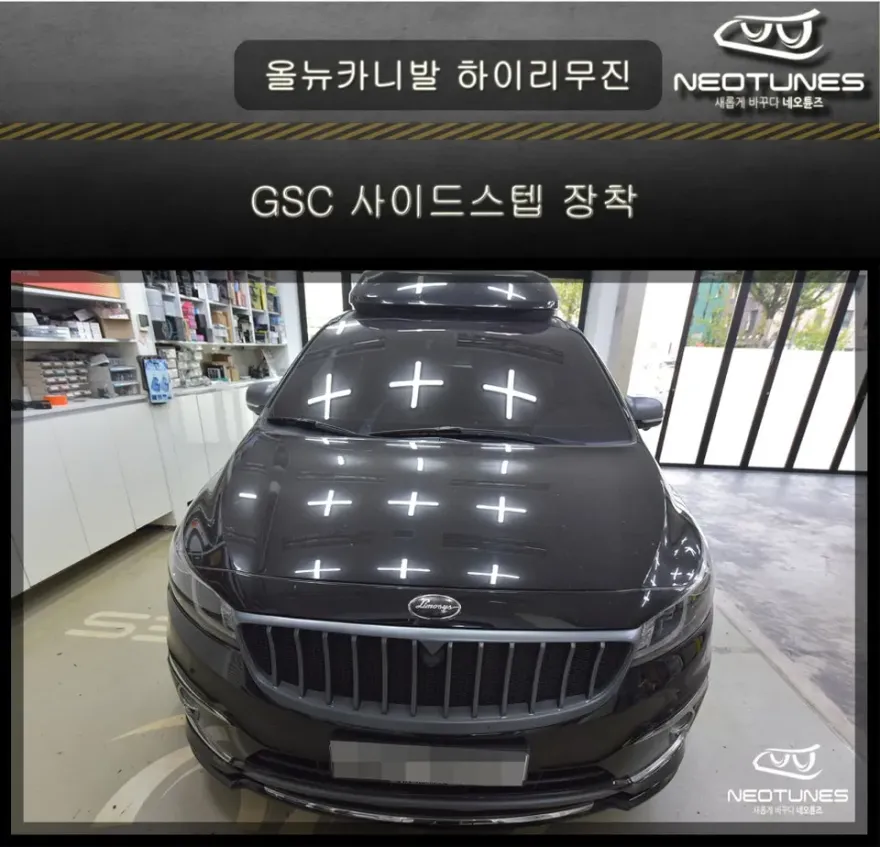
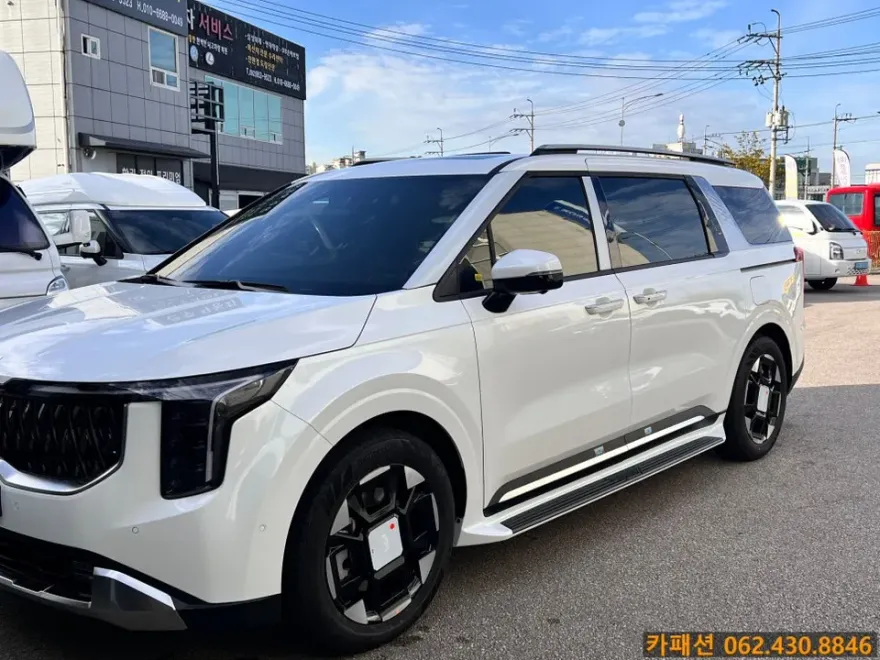
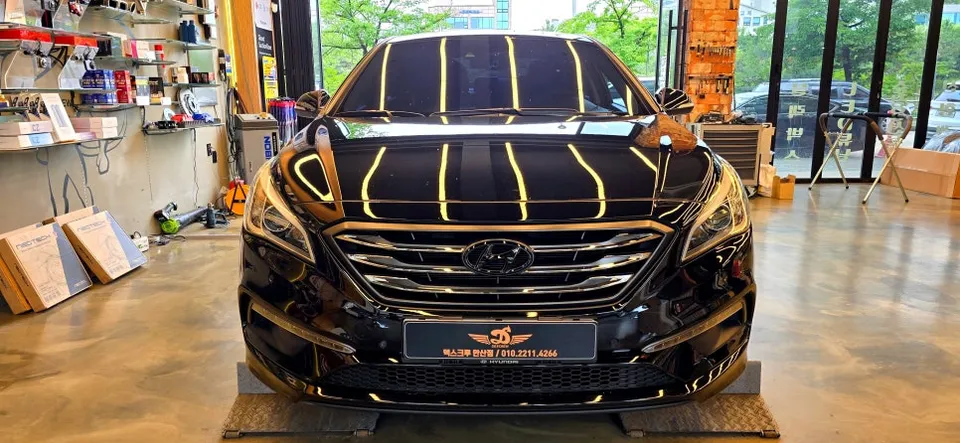
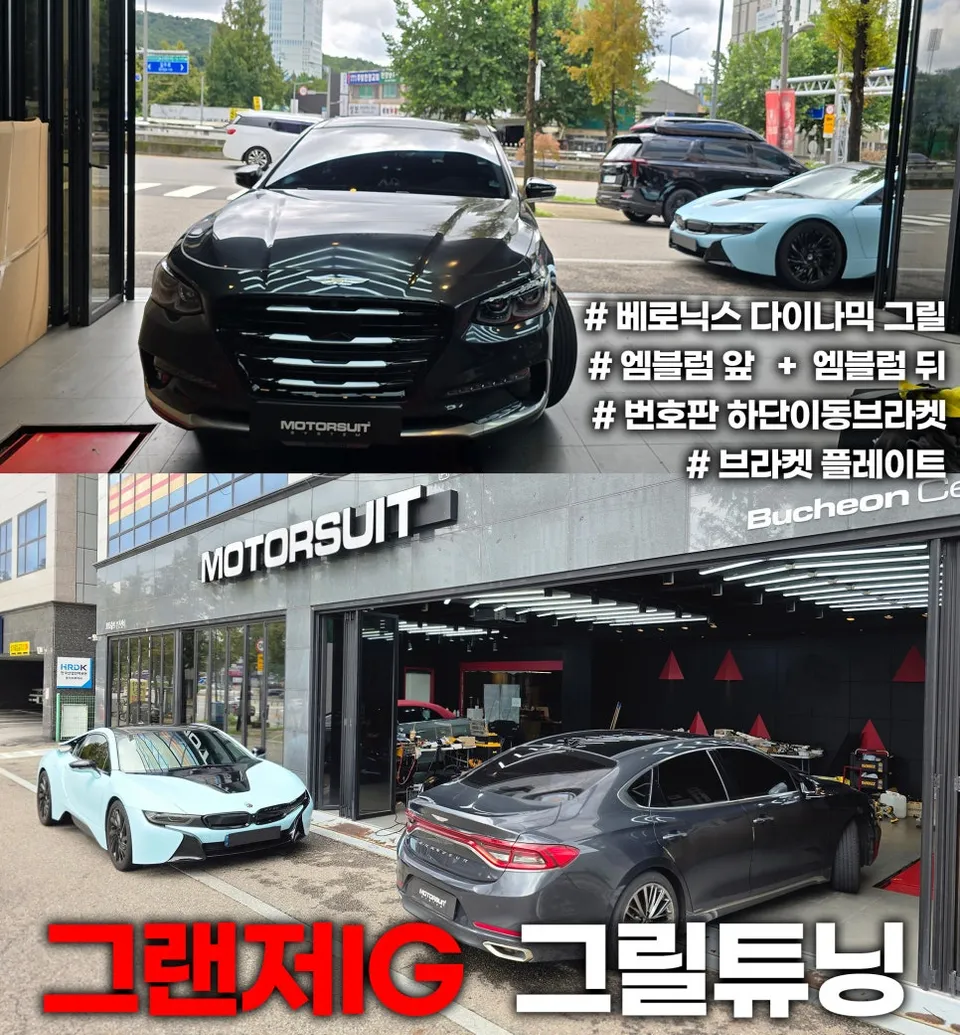
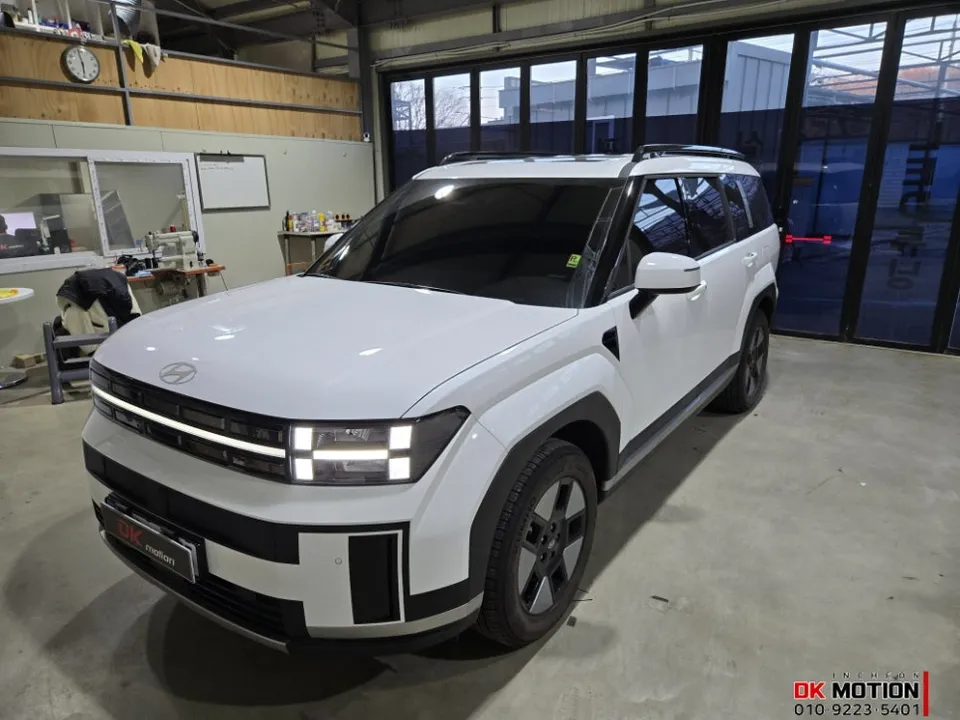
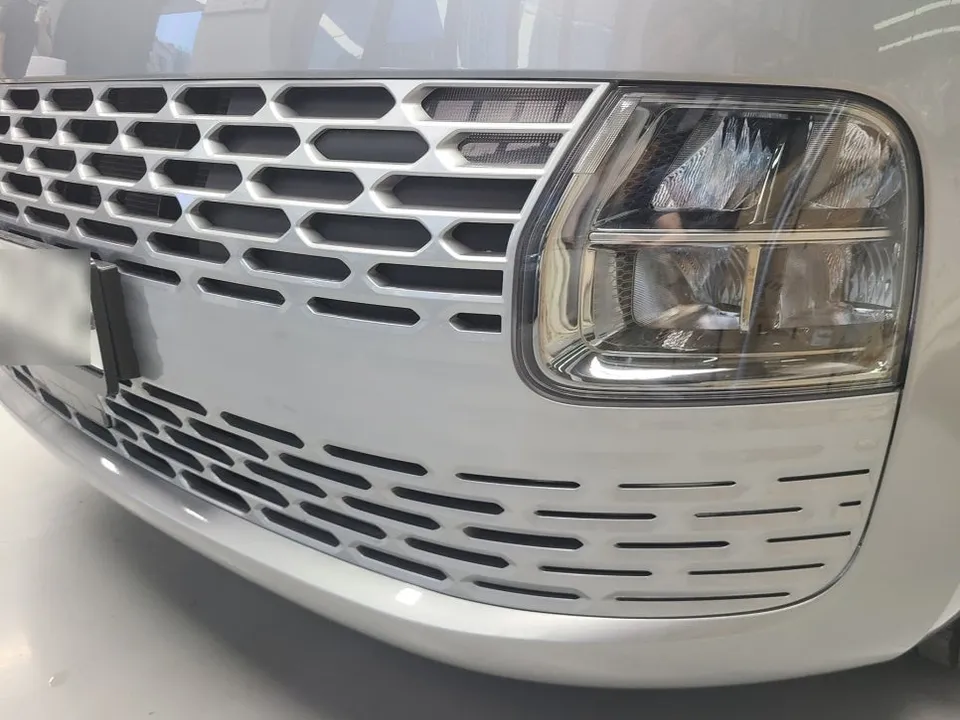
The most striking aspect of a body kit installation is the visual change. A Staria equipped with a well-designed body kit can achieve a dramatically different look. Imagine the large, somewhat utilitarian front of the Staria transformed with a sharper, more sculpted front lip that accentuates its width. Side skirts can visually lower the vehicle's profile, creating a more cohesive and grounded appearance. The overall effect is a more premium, performance-oriented stance that sets the Staria apart. The Korean example of a black grille upgrade highlights how a simple change can significantly enhance the front-end aesthetics, a principle that extends to full body kits.
Durability is a key consideration. A high-quality body kit, especially one made from durable materials like polyurethane, can withstand the rigors of daily driving. However, like any exterior modification, it requires proper care. Regular cleaning and waxing will help maintain its finish, and drivers should be mindful of potential impacts from speed bumps, steep driveways, or road debris. Maintenance typically involves cleaning and occasional touch-ups for minor scratches.
Body Kit Installation Process:
- Preparation: The existing bumpers and side panels are carefully removed or prepared for the new components. The new body kit parts are test-fitted to ensure proper alignment and fitment.
- Attachment: The body kit components are securely attached using a combination of automotive-grade adhesives, bolts, and clips, ensuring a strong and stable fit.
- Finishing: Any gaps are filled, and the kit is sanded smooth. It's then primed and painted to match the vehicle's original color or a custom finish.
- Reassembly: Any removed trim pieces or sensors are reinstalled, and final checks are performed to ensure everything is secure and functional.
The cost of a body kit installation can vary widely depending on the kit's complexity, brand, material, and the labor rates in your area. While the Korean context mentioned costs in the range of 300,000 to 600,000 KRW (approximately $220-$440 USD), US/UK prices for a full body kit and professional installation can range from $1,000 to $3,000 or more. The estimated $40-$80 price point mentioned in the prompt likely refers to a very minor accessory or part, not a full body kit installation.
Ultimately, deciding whether a body kit is worth it for your Hyundai Staria depends on your personal aesthetic goals and budget. If you seek a more aggressive, customized look and are prepared for the associated costs and potential maintenance, a body kit can be a rewarding upgrade. It's crucial to choose a reputable installer and a quality body kit to ensure the best results and longevity.
Frequently Asked Questions
Q. How much does a body kit cost for a Hyundai Staria?
Professional installation for a full body kit on a Hyundai Staria can range from $1,000 to $3,000 or more in the US/UK. The specific cost depends heavily on the kit's brand, material, and complexity.
Q. How long does body kit installation take on a Hyundai Staria?
Body kit installation typically takes several hours to a full day, depending on the kit's complexity and the installer's efficiency. Proper care involves regular washing and waxing, and being mindful of road obstacles to prevent damage.
Q. Is a body kit worth it for a Hyundai Staria?
A body kit is worth it if you desire a significantly sportier and more personalized aesthetic for your Staria and have the budget for quality parts and installation. It offers a dramatic visual upgrade that can enhance the vehicle's road presence.
Q. How is a body kit installed on a Hyundai Staria?
Installation involves preparing the vehicle's surface, test-fitting the new components (front lip, side skirts, etc.), securely attaching them with adhesives and fasteners, and then priming and painting the kit to match the car's color.
Q. What is the difference between FRP and polyurethane body kits for a Hyundai Staria?
Polyurethane kits are more flexible, durable, and impact-resistant, making them ideal for daily driving, while FRP kits are generally less expensive but more brittle and prone to cracking. For longevity and resilience, polyurethane is usually recommended.
OhCar Partner Shop