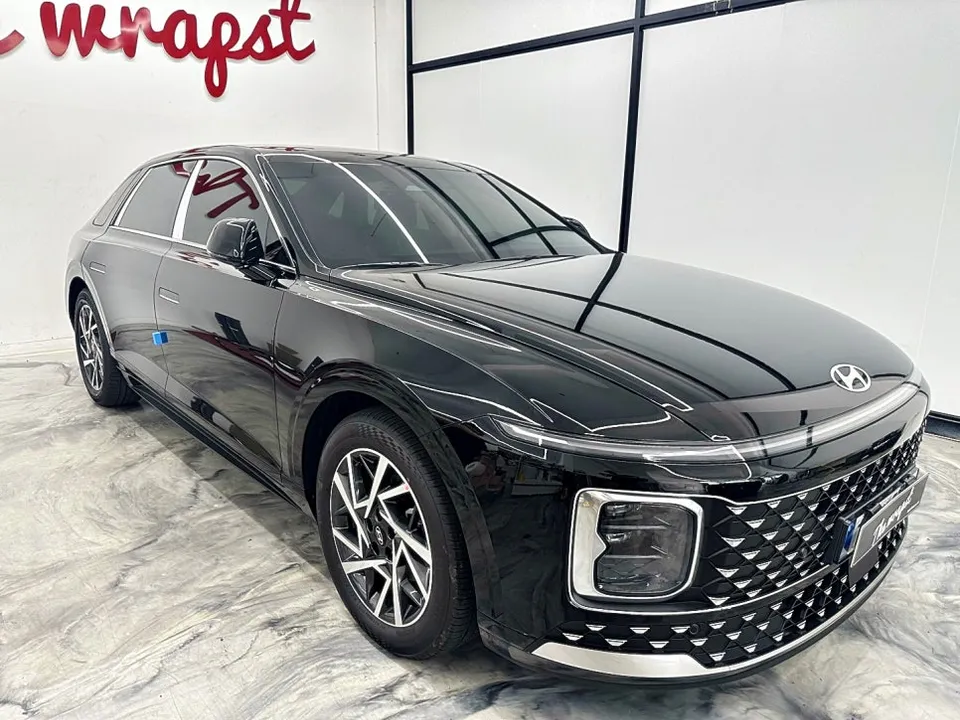
Hyundai Tucson Dash Cam Installation Review
Service Price
$under $40
Estimated price · Actual price may vary by shop

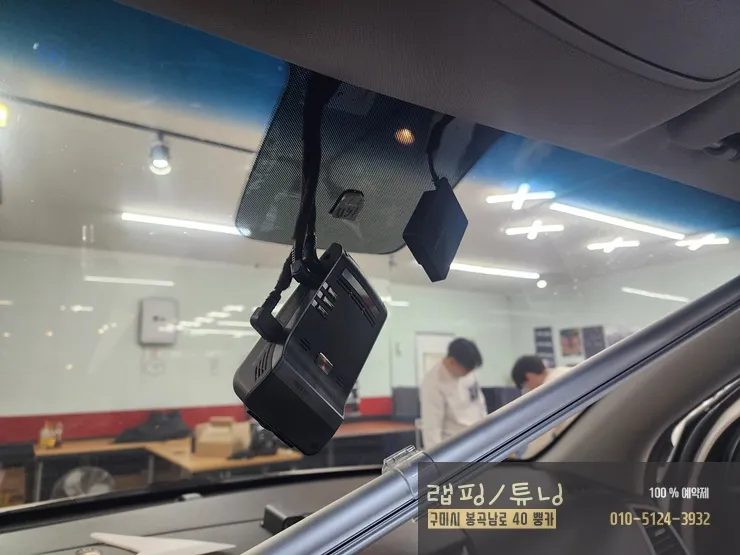
Dash cam installation for Hyundai Tucson: Professional hardwiring ensures durability and parking mode. Cost varies, but offers significant safety bene
Hyundai Tucson Dash Cam Installation: A Comprehensive Review
Considering a dash cam for your Hyundai Tucson? This review dives into the installation process, potential costs, and the real-world benefits of adding a black box camera to your vehicle. We'll cover everything from professional hardwiring to understanding parking mode functionality, helping you decide if this upgrade is worth the investment.
Professional Dash Cam Installation for Your Hyundai Tucson
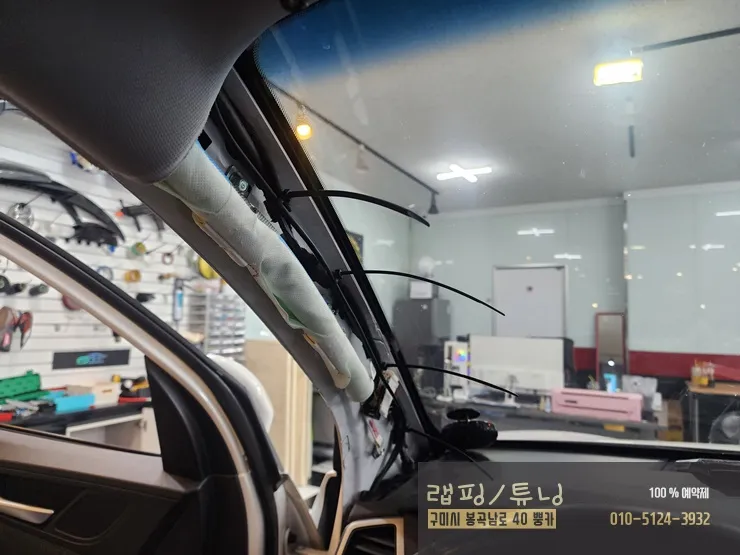
Many car owners opt for professional installation to ensure their dash cam, whether it's a front and rear dash cam setup or a single-channel unit, is fitted correctly and safely. For the Hyundai Tucson, this process typically involves careful routing of wires to maintain a clean interior aesthetic and prevent any interference with existing electronics. The Korean context for this service highlights a focus on meticulous wiring, often following the vehicle's original wiring paths. This ensures that cables are hidden from view, tucked away behind trim panels like the A-pillar, contributing to a safer and more professional finish. The installation aims to integrate the dash cam seamlessly, making it look like a factory-installed accessory rather than an aftermarket addition. This attention to detail is crucial for both the appearance and the long-term reliability of the dash cam system.
Dash Cam Installation Process: Step-by-Step
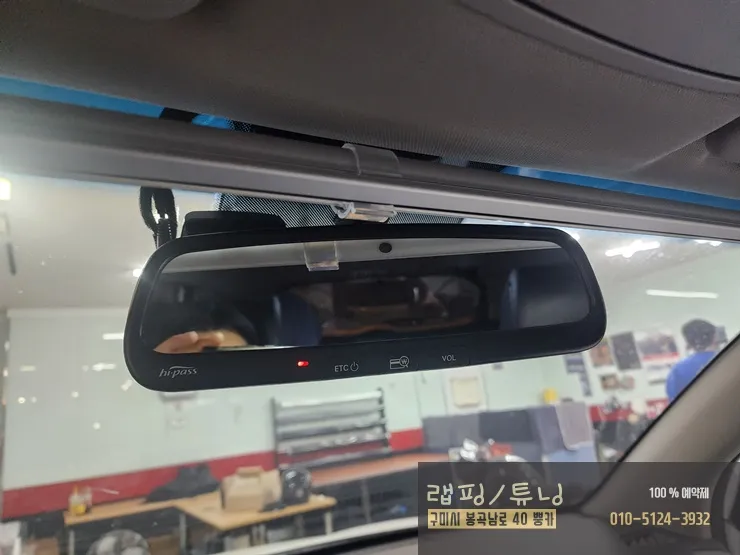
- Preparation and Placement: The installer will first determine the optimal position for the dash cam, usually on the windshield behind the rearview mirror, ensuring it doesn't obstruct the driver's view. They will also check for any potential interference with existing components, such as the original rearview mirror or any integrated systems like the Hyundai Tucson's high-pass toll system.
- Wiring and Routing: The power cable is carefully routed through the A-pillar trim, often utilizing the vehicle's existing wiring channels. This meticulous approach prevents loose wires and ensures a clean look. For hardwired installations, the connection is made to the vehicle's fuse box, often using a dedicated parking mode wiring kit to allow the dash cam to record even when the car is off.
- Component Integration: If a rear camera is part of the setup (front and rear dash cam), its cable is similarly routed through the interior, often along the headliner, to the rear of the vehicle. The camera is then mounted on the rear windshield.
- Testing and Finalization: Once all components are installed and wired, the system is tested to ensure it's functioning correctly. This includes checking recording quality, power delivery, and any special features like parking mode. The installer will then ensure all trim pieces are securely reattached.
Dash Cam Durability, Maintenance, and Value
A professionally installed dash cam, often referred to as a 'black box camera' in some regions, is built for durability. The components are designed to withstand varying temperatures within a vehicle. Maintenance is generally minimal, primarily involving occasional cleaning of the lens and ensuring the memory card is functioning correctly. The value proposition of a dash cam lies in its ability to provide crucial evidence in case of accidents, deter potential vandalism, and offer peace of mind. While the initial cost of installation can range, the potential savings from insurance claims or avoiding false accusations often outweigh the expense. The Korean context mentions that after installation, the system can be used semi-permanently without significant maintenance, with product warranties varying by manufacturer. For a Hyundai Tucson, the investment in a reliable dash cam system is often seen as a practical upgrade for enhanced safety and security.

Frequently Asked Questions
Q. How much does dash cam installation cost for a Hyundai Tucson?
Professional dash cam installation for a Hyundai Tucson typically starts around 100,000 KRW (approximately $75 USD), though exact pricing can vary based on the specific product and vehicle model. The estimated US price for a basic dash cam is under $40, but professional installation adds to the overall cost.
Q. How long does dash cam installation take on a Hyundai Tucson?
Dash cam installation on a Hyundai Tucson generally takes between 1 to 2 hours to complete. Proper maintenance involves keeping the camera lens clean and ensuring the memory card is in good working order.
Q. Is a hardwired dash cam worth it over a self-install for a Hyundai Tucson?
A hardwired dash cam is often worth the professional installation for a Hyundai Tucson, especially if you want to utilize parking mode features reliably. It offers peace of mind and a cleaner, safer installation compared to a DIY approach.
Q. How is a dash cam professionally installed on a Hyundai Tucson?
Professional installation involves carefully removing the A-pillar cover, routing wires along the vehicle's original lines for a clean look, and connecting the system to the fuse box for power. The process ensures all wiring is hidden and secure, typically taking 1-2 hours.
Q. What is the difference between a 1-channel and 2-channel dash cam for a Hyundai Tucson?
A 1-channel dash cam records only the front view, while a 2-channel (front and rear dash cam) system records both the front and rear of your Hyundai Tucson. For comprehensive coverage, a 2-channel system is recommended.
OhCar Partner Shop