Hyundai Tucson Soundproofing Review: Road Noise Reduction
Service Price
$75–115
Estimated price · Actual price may vary by shop
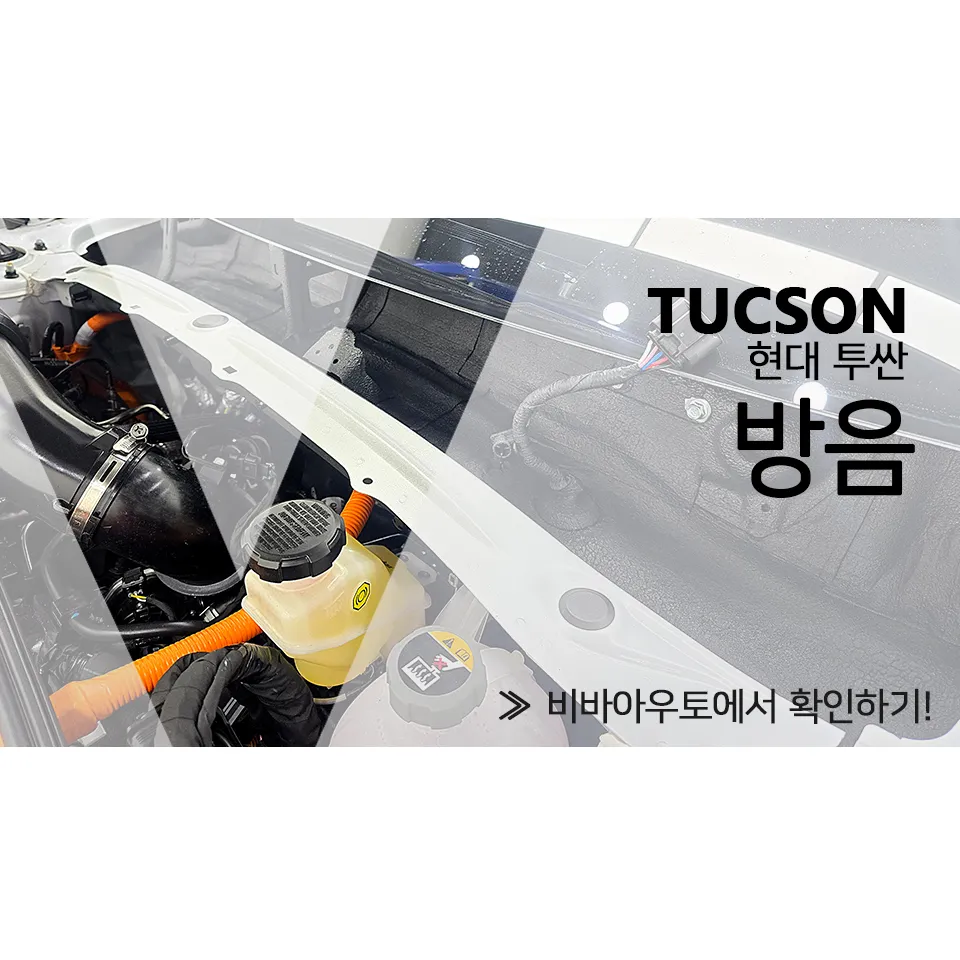
Hyundai Tucson soundproofing: Approx. $550-$850. Reduces road, engine, and wind noise for a quieter cabin.
Hyundai Tucson Soundproofing: Tackling Road Noise
Are you experiencing unwanted noise in your Hyundai Tucson? Many owners find that wind noise, engine sounds, and road noise can detract from the driving experience. This review delves into how soundproofing, specifically targeting areas like doors, the hood, cowl, and fenders, can significantly reduce these intrusive sounds. Based on real-world installation cases and owner feedback, we'll explore the process, effectiveness, and considerations for Tucson owners.
Understanding Vehicle Noise and Solutions
Vehicle noise can be broadly categorized into three main types that affect cabin comfort: wind noise, engine noise, and road noise. Wind noise often enters through door seals and window gaps, especially at higher speeds. Engine noise can transmit through the firewall and dashboard, while road noise originates from tire contact with the pavement and vibrations from the undercarriage.
To combat these, specialized soundproofing techniques are applied to specific areas. For the Hyundai Tucson, common areas addressed include:
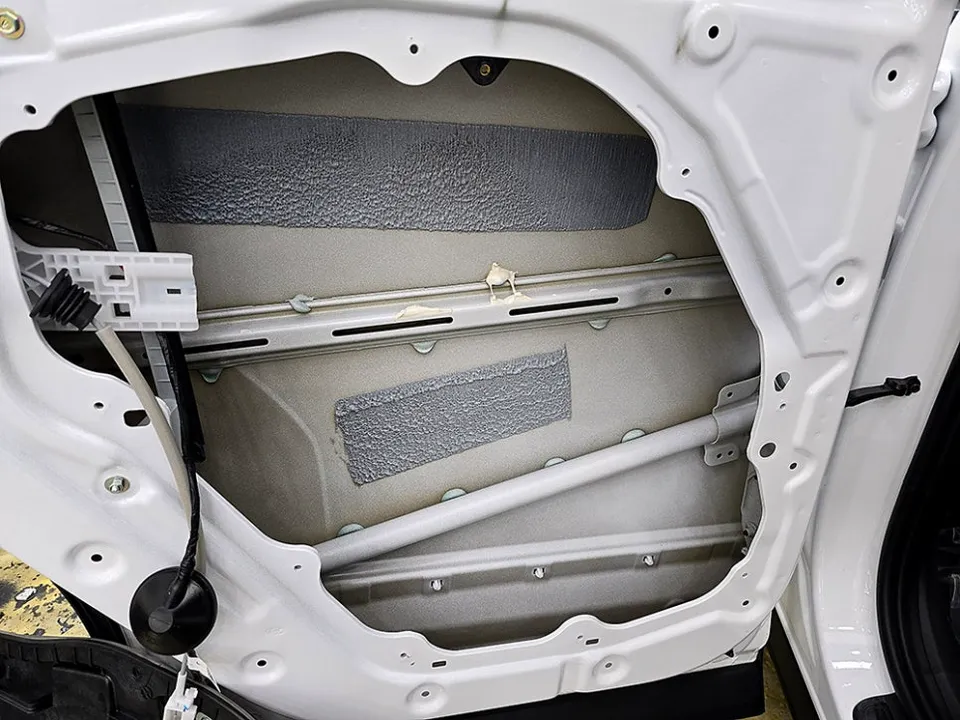
- Doors: Primarily targets wind noise and rattles.
- Hood: Aims to reduce engine noise transmission into the cabin.
- Cowl: Acts as a barrier against engine and wind noise entering from the front.
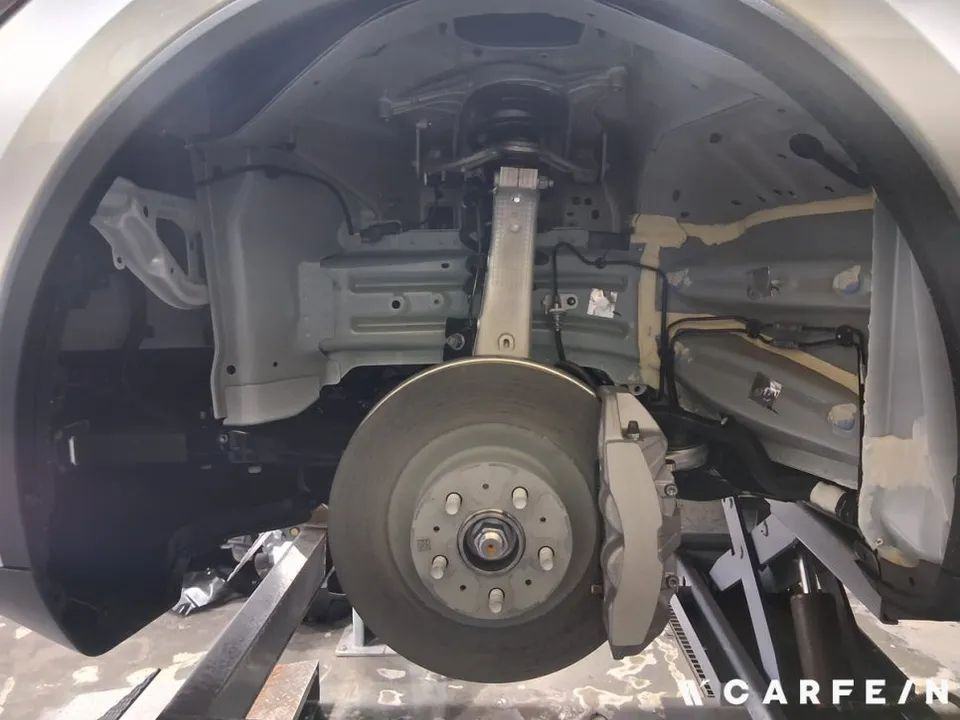
- Fenders: Helps mitigate road and tire noise from the wheel wells.
The approach often involves applying sound-deadening materials to metal panels to reduce vibrations and adding sound-absorbing materials to block noise transmission. This review focuses on a specific installation case in Korea, offering insights into the methods and outcomes.
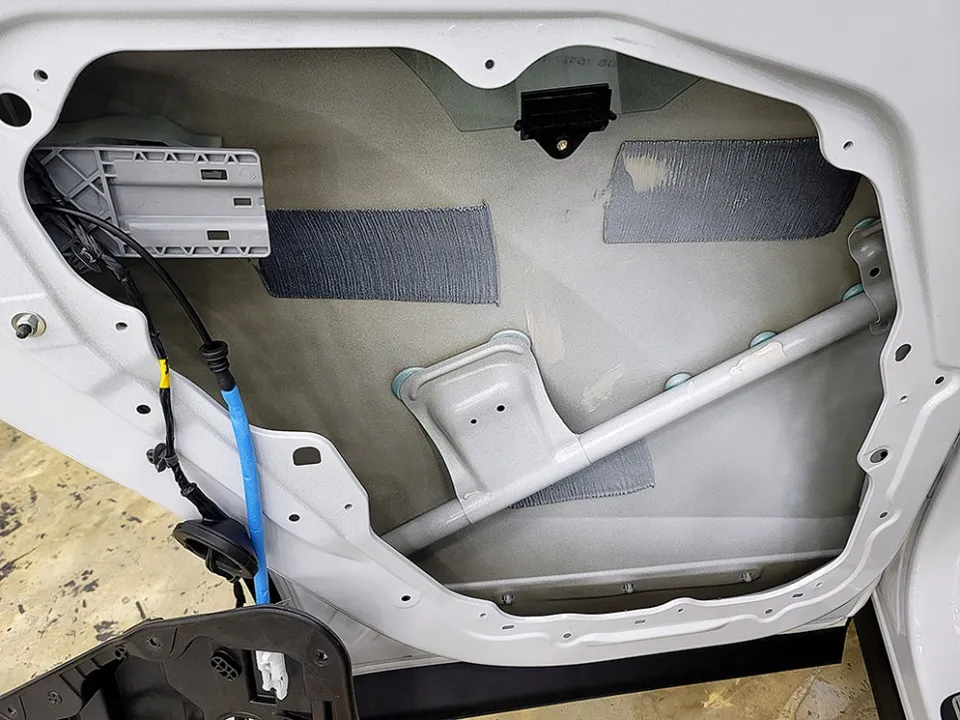
Soundproofing Installation Process and Results
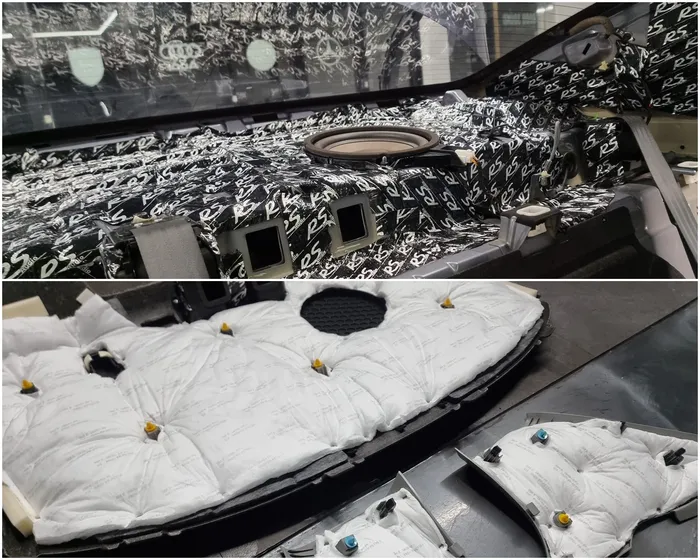
The soundproofing process for a Hyundai Tucson typically involves several key steps, focusing on enhancing the factory sound insulation.
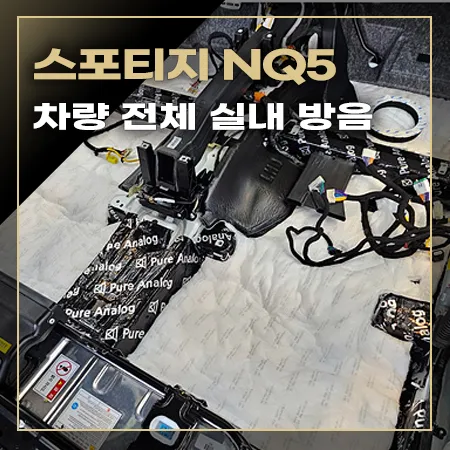
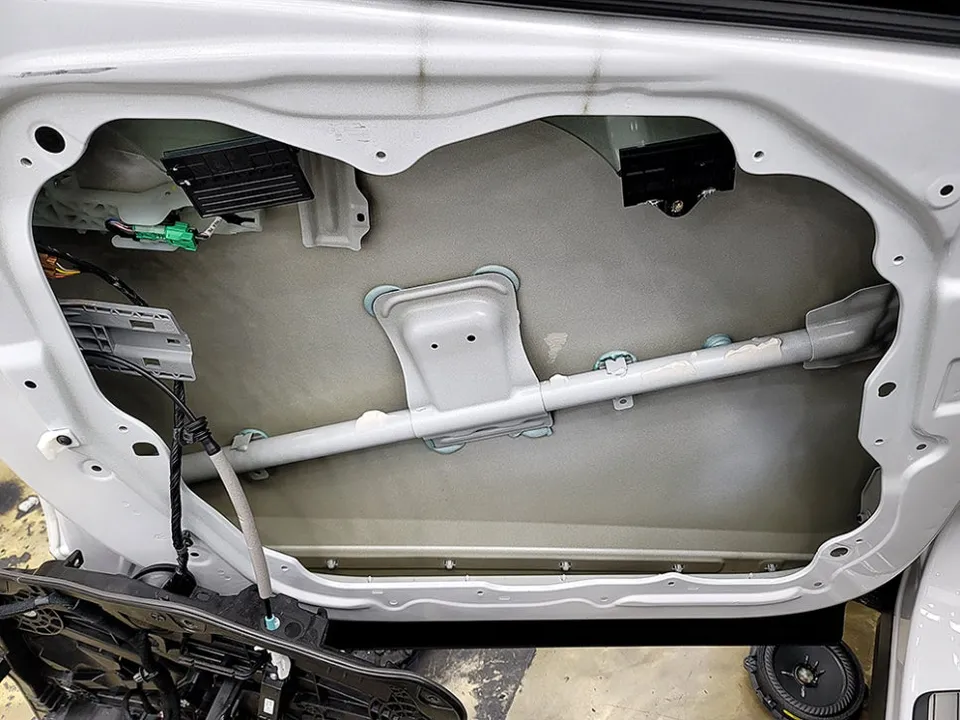
- Panel Removal: Interior door panels, hood liners, and other relevant trim pieces are carefully removed to access the underlying metal structures.
- Surface Preparation: The metal surfaces are cleaned to ensure proper adhesion of the soundproofing materials.
- Vibration Damping: Sound-deadening mats (like butyl rubber with an aluminum layer) are applied to the metal panels. This reduces panel resonance and vibrations, a common source of noise.
- Sound Absorption: Sound-absorbing materials, such as closed-cell foam or mass-loaded vinyl, are added to further block and absorb airborne sound waves.
- Reassembly: All removed panels and trim are meticulously reinstalled.
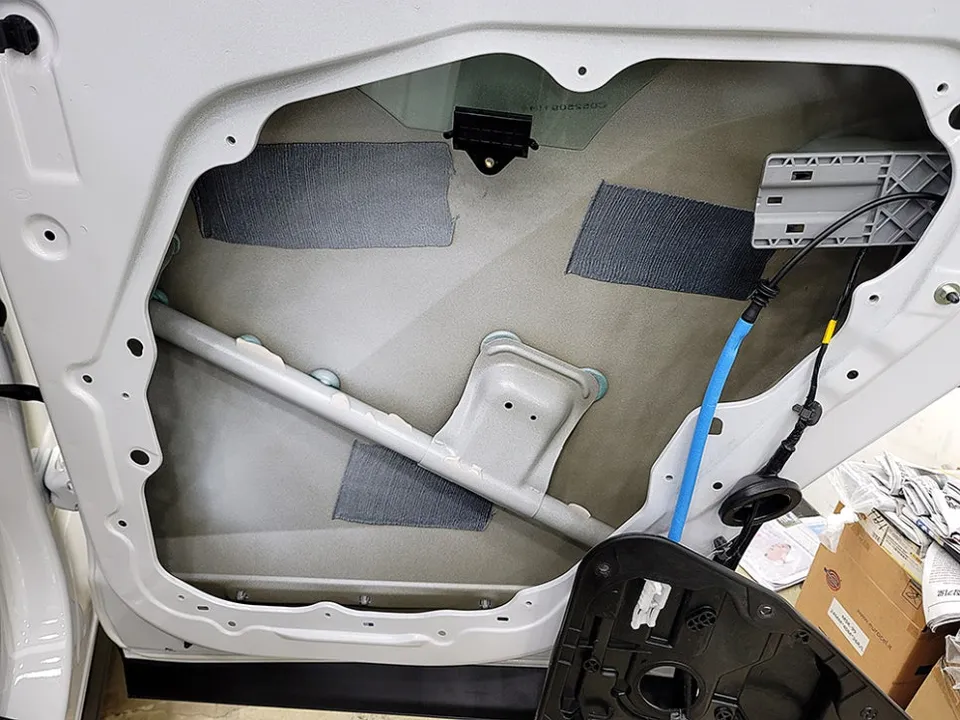
In the case of the Hyundai Tucson featured, the focus was on door, hood, cowl, and fender soundproofing. By applying vibration-damping materials and sound-absorbing layers, the goal is to achieve a noticeable reduction in wind noise, engine noise, and road noise. While specific before-and-after decibel readings are not provided, the implication is a quieter, more refined cabin experience, leading to increased driving comfort and reduced fatigue. The materials used are designed for durability, resisting degradation from temperature changes and moisture, thus offering long-term benefits.
The cost for such comprehensive soundproofing in Korea can vary, but for a vehicle like the Hyundai Tucson, a full package might range from approximately ₩750,000 to ₩1,150,000 (roughly $550-$850 USD, depending on exchange rates and specific materials). This investment aims to provide a significant improvement in cabin quietness, making it a worthwhile consideration for owners prioritizing a more peaceful driving environment.
Frequently Asked Questions
Q. How much does car soundproofing cost for a Hyundai Tucson?
In Korea, comprehensive soundproofing for a Hyundai Tucson can range from approximately ₩750,000 to ₩1,150,000. For comparison, similar services in the US can typically range from $750 to $2,000 or more, depending on the extent of the treatment.
Q. How much does soundproofing reduce cabin noise in a Hyundai Tucson?
Soundproofing significantly reduces various noises like wind, engine, and road noise, leading to a more comfortable cabin. For optimal longevity, ensure the applied materials are protected from excessive moisture and extreme temperatures.
Q. Is soundproofing worth it for a Hyundai Tucson?
Soundproofing is most beneficial for Tucson owners who frequently drive at higher speeds or on noisy roads, or who are particularly sensitive to cabin noise. The investment can significantly enhance driving comfort and reduce fatigue on longer journeys.
Q. How is soundproofing installed in a Hyundai Tucson?
Installation involves removing interior panels, cleaning surfaces, applying vibration-damping mats to metal panels, and adding sound-absorbing materials. Finally, all panels are reassembled to complete the process.
Q. What is the difference between soundproofing and undercoating for a Hyundai Tucson?
Soundproofing focuses on reducing noise transmission into the cabin using damping and absorption materials. Undercoating, conversely, is primarily for protecting the vehicle's underbody from rust and road debris.
OhCar Partner Shop