Hyundai Tucson Soundproofing Review: Road Noise Reduction
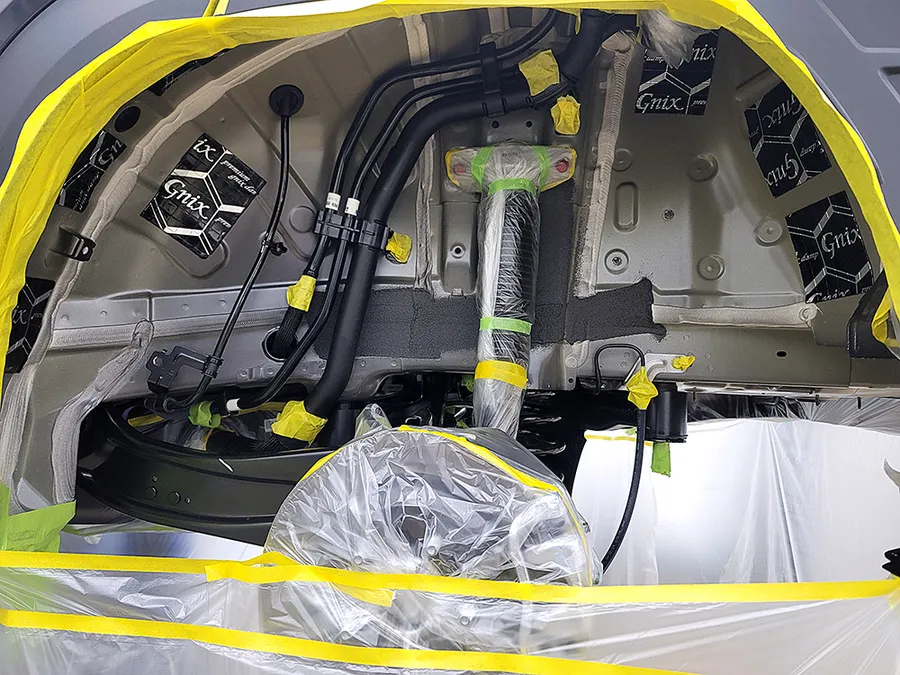
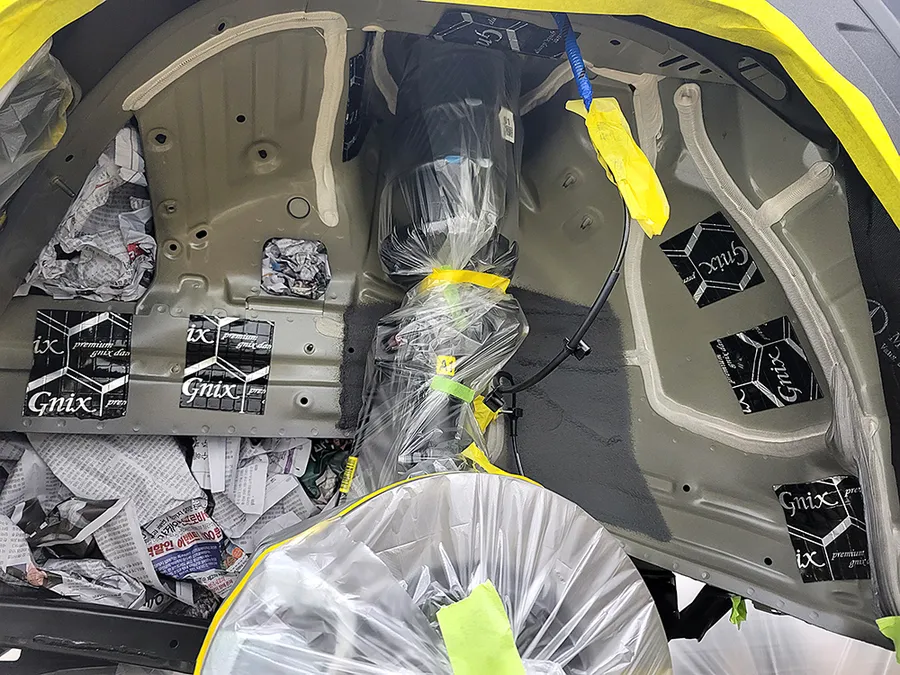
Hyundai Tucson soundproofing: Fender and underbody treatment reduces road noise. Installation includes damping pads and protective coating. Results va
Hyundai Tucson Soundproofing: Tackling Road Noise
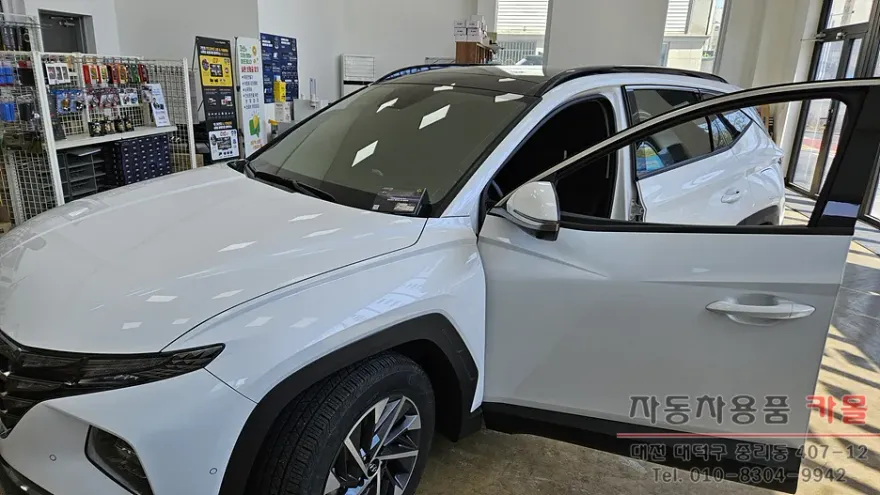
This review delves into the effectiveness of soundproofing, specifically focusing on fender and underbody treatments, for a Hyundai Tucson. While many vehicle owners opt for comprehensive new car packages including tinting, ceramic coating, and undercoating, this focused look examines the impact of dedicated sound deadening. The goal is to provide a clear picture for owners seeking enhanced cabin quietness, particularly those transitioning from quieter luxury vehicles or those who are naturally sensitive to noise and vibration.
Soundproofing Installation and Materials
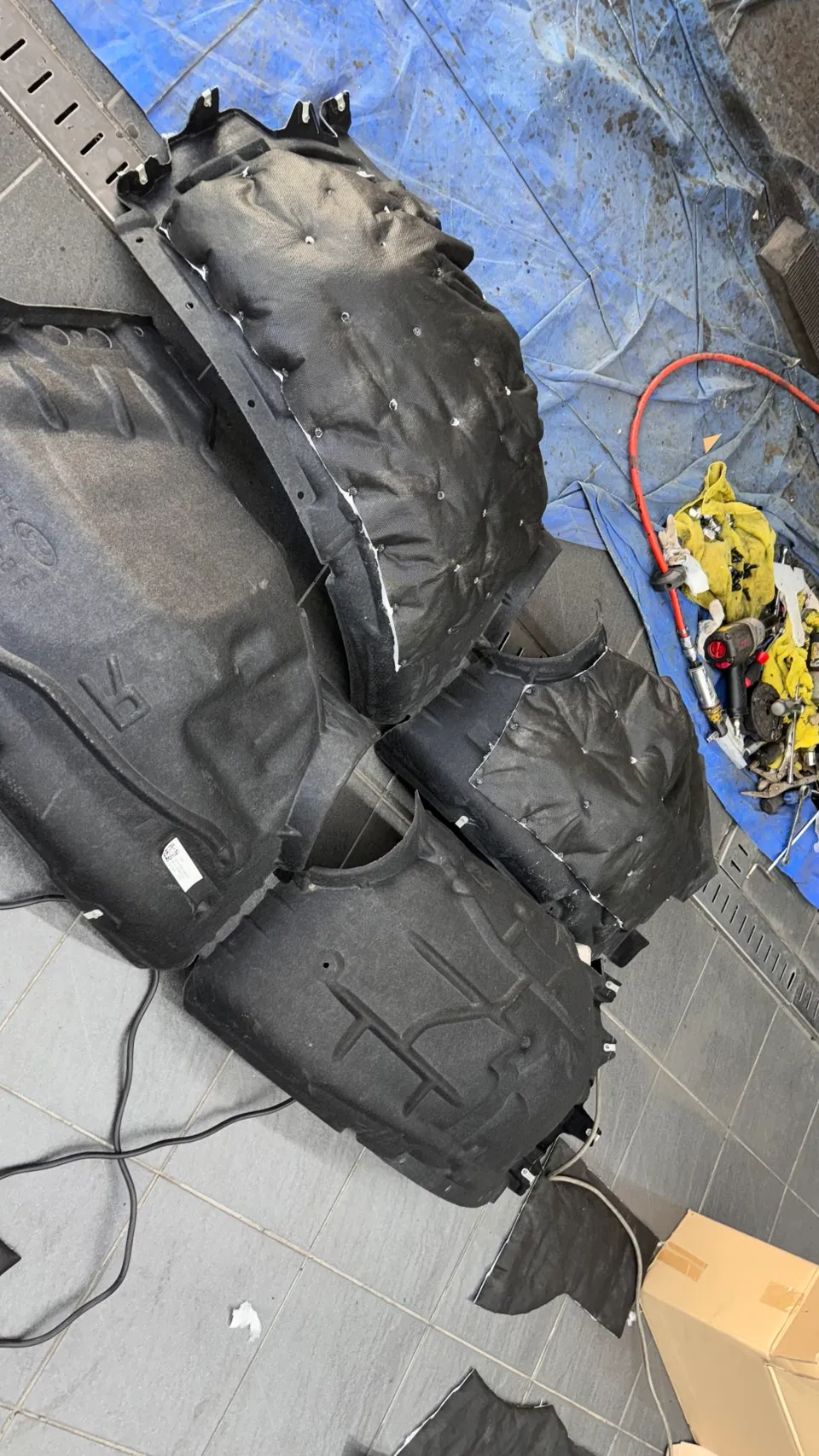
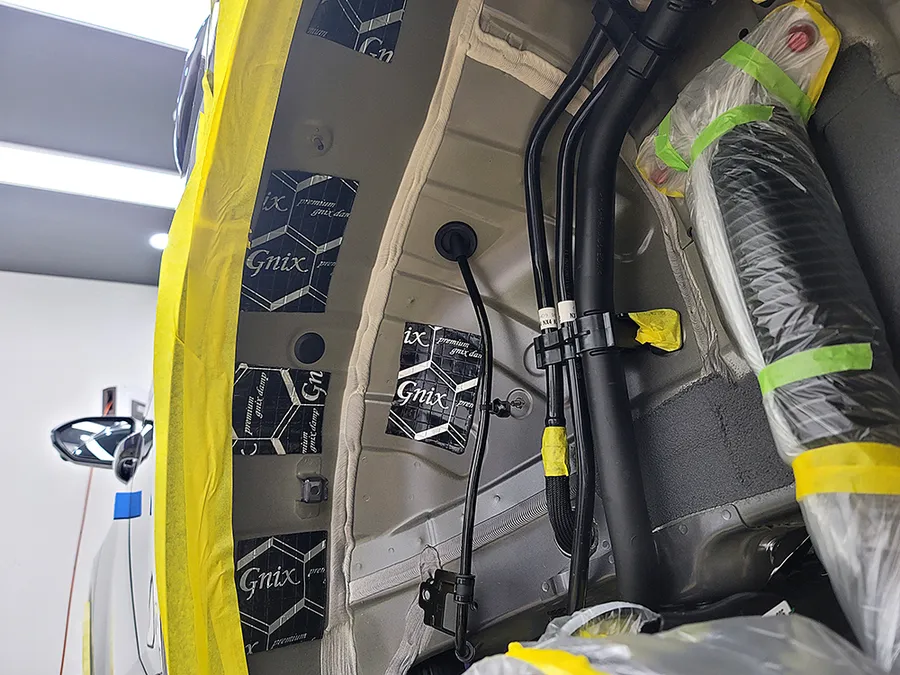
The process involves applying specialized materials to key areas of the vehicle's underbody and fenders. For the Hyundai Tucson reviewed, this included adhering sound-damping pads directly to the bare metal of the fender wells. These pads are designed to absorb and dissipate vibrations, which are a primary source of road noise entering the cabin. The effectiveness of this step is often subjective, varying by individual perception and the specific vehicle. However, for those prioritizing a quieter ride, even these targeted applications can make a noticeable difference.
Beyond the initial damping pads, the installation incorporates additional layers and protective coatings. A vibration-damping pad is applied meticulously, even in less visible areas, to maximize the reduction of underbody vibrations and noise. Crucially, this soundproofing process is often combined with anti-corrosion measures. A high-quality polymer coating, such as MS Sikagard, is applied over the damping materials. This not only secures the pads but also provides robust protection against rust and corrosion. Interestingly, this protective coating itself offers a secondary benefit: it can help dampen the sound of small stones and debris hitting the undercarriage, further contributing to a quieter experience, though its primary function is protection.
Further noise reduction is achieved by treating the wheel covers. Applying sound-absorbing material like Shinsulator to the inside of the wheel covers helps to block noise that travels from the wheel well into the cabin. The overall effectiveness of any soundproofing job heavily depends on the skill and thoroughness of the installer.
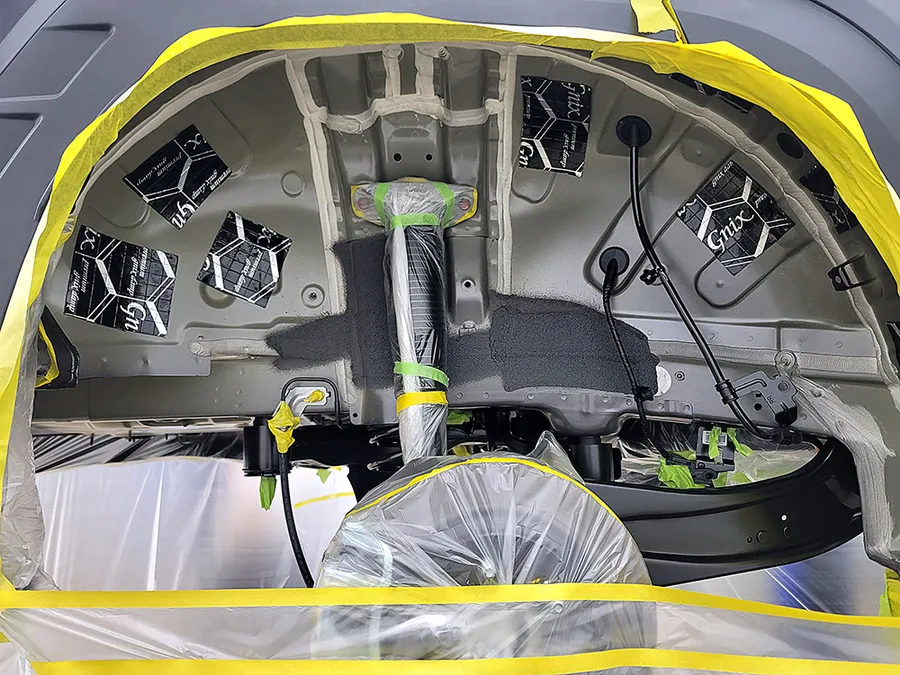
Before and After Results: Is it Worth It?
The results of soundproofing, particularly fender and underbody treatments on a Hyundai Tucson, can be significant for discerning drivers. Owners who previously drove larger, more insulated luxury sedans or those who are highly sensitive to road noise often report a tangible improvement in cabin quietness. The reduction in low-frequency vibrations and the dulling of sharp impact noises from the road surface are commonly cited benefits. While it may not transform an SUV into a silent limousine, it demonstrably enhances the driving experience by reducing fatigue-inducing noise.
The decision of whether soundproofing is 'worth it' hinges on individual priorities and expectations. For owners who find the stock noise levels of their Tucson intrusive, especially during highway driving or on rougher road surfaces, the investment can be highly rewarding. The combination of vibration damping, sound absorption, and protective coatings offers a multi-faceted approach to improving comfort. It's important to manage expectations; soundproofing aims to reduce, not eliminate, noise. The degree of improvement will vary based on the materials used, the areas treated, and the specific noise sources plaguing the vehicle.
Durability is generally excellent, as the materials are designed for automotive environments. Maintenance typically involves standard underbody cleaning. The anti-corrosion coating adds a layer of protection that can extend the vehicle's lifespan, particularly in areas prone to rust. The key takeaway is that for those seeking a quieter, more refined driving experience in their Hyundai Tucson, targeted soundproofing offers a practical and effective solution.
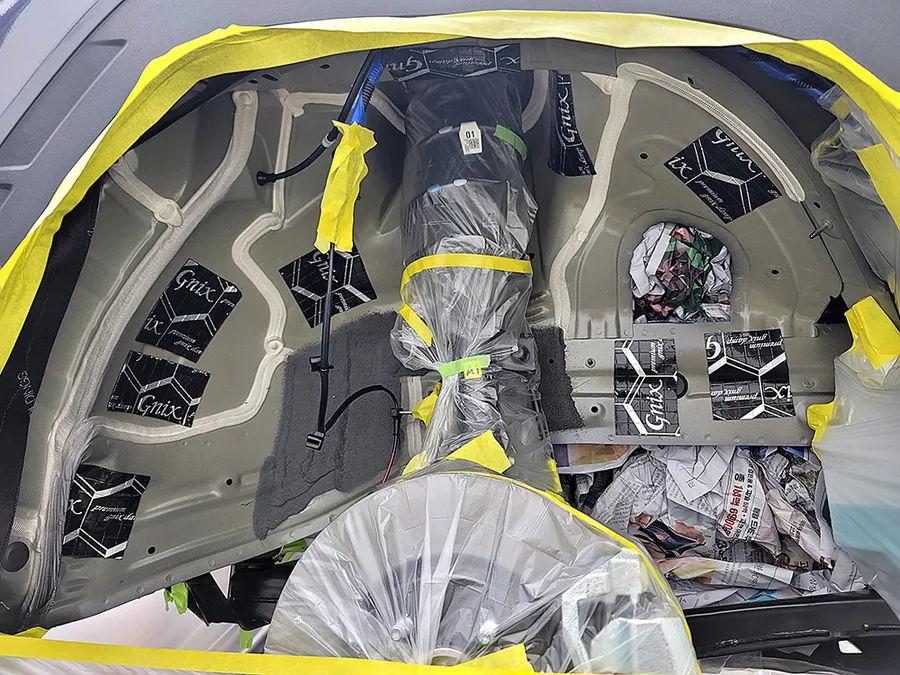
Installation Process:
- Thorough cleaning and preparation of the fender wells and underbody surfaces.
- Application of sound-damping pads to the metal panels to reduce vibration.
- Installation of sound-absorbing materials, such as on wheel covers.
- Application of a protective, anti-corrosion polymer coating over the treated areas.
Frequently Asked Questions
Q. How much does car soundproofing cost for a Hyundai Tucson?
The specific soundproofing service reviewed, focusing on fenders and underbody, was performed in South Korea. While exact US pricing varies, similar comprehensive sound deadening packages for a Hyundai Tucson can range from $500 to $1500 depending on the extent of coverage and materials used.
Q. How much does soundproofing reduce cabin noise in a Hyundai Tucson?
Soundproofing significantly reduces road noise and vibrations, making the cabin quieter, especially on highways. For optimal longevity, ensure the underbody and treated areas are kept clean during regular car washes.
Q. Is soundproofing worth it for a Hyundai Tucson?
Soundproofing is worth it for Hyundai Tucson owners who prioritize a quieter cabin and are sensitive to road noise or vibrations. It offers a noticeable improvement in driving comfort and can enhance the overall ownership experience.
Q. How is soundproofing installed in a Hyundai Tucson?
Installation involves applying sound-damping pads to metal surfaces like fender wells to absorb vibrations. Sound-absorbing materials may be added to wheel covers, and a protective anti-corrosion coating is often applied over the treated areas.
Q. What is the difference between soundproofing and undercoating for a Hyundai Tucson?
Soundproofing focuses on reducing noise and vibration using damping and absorbing materials, while undercoating primarily protects the underbody from rust and corrosion. Often, high-quality undercoatings can offer some sound-dampening benefits as a secondary effect.
Q. What should I know before getting Soundproofing on a Hyundai Tucson? (common regrets and mistakes)
The most common regret is expecting complete silence, which is unrealistic; soundproofing reduces, not eliminates, noise. To avoid this, set realistic expectations and understand the specific areas being treated.
OhCar Partner Shop